Introduction
Misleading information and disinformation, as forms of communication within today's fragmented public spheres, have sparked extensive debate about their effects and the need to develop strategies to safeguard democratic communication processes1. These strategies primarily include content verification, digital and media literacy, and regulatory measures2.
The role of digital and media literacy in building societal resilience against disinformation and malicious information has been strongly emphasised by the European Commission, making it a key priority within the Political Guidelines for the 2024–2029 period. Similarly, the report "Safer Together: Strengthening Europe’s Civilian and Military Preparedness and Readiness", commissioned by the European Commission from former Finnish President Sauli Niinistö (2024)3 to establish a roadmap for enhancing the European Union’s (EU) crisis and threat response capacity, highlights the importance of integrating digital and media literacy into educational programmes and curricula. This is presented as an additional strategy to strengthen investment in societal resilience—"ensure investment in societal resilience"—within the context of hybrid threats.
In this approach, the level of citizen competence regarding the set of literacies (media and digital) is presented as a key indicator to assess the health of democratic societies in their ability to respond to these types of threats, especially during periods of emergency and crisis3. This is why malicious information operations are less effective in societies that exhibit high levels of cohesion, media literacy, and greater trust in political systems and institutions in general4. Additionally, the growing sophistication of generative technologies such as artificial intelligence and their implications for new forms of disinformation must be considered, which highlights the need to create empowered citizens capable of making decisions in short timeframes. This context makes it essential to foster empowered citizens who can make informed decisions in brief periods of time5,6.
Moreover, it is important to highlight the impact of these informational disorders and their perception by citizens within the European Union, as surveys show. In 2018, the first Eurobarometer survey on fake news and online disinformation7 identified both as a threat to 83% of respondents. In 2023, a new survey8, reflecting the influence of the recently published report on Foreign Information Manipulation and Interference (FIMI) by the European External Action Service’s (EEAS) Stratcom division (2022)9, highlighted perceptions around new forms of information manipulation and their effects on democracy, including those sponsored by state actors. The results ranked "false and/or misleading information in general circulating online and offline" first (38%), followed by "growing distrust and scepticism towards democratic institutions" (32%), "propaganda and false/misleading information from a non-democratic foreign source" (22%), and "covert foreign interference in the politics and economy of your country, including through financing of domestic actors" (21%).
While these data highlight a notable level of awareness and recognition of the problem among citizens, they are not enough to tackle new forms of disinformation, especially those enhanced by generative artificial intelligence tools, whose sophistication presents additional detection and mitigation challenges5. Notably, a study by DFRLab and CheckFirst has revealed how the Pravda network, involved in manipulative and disinformative activities, has polluted Wikipedia and exploited one of the vulnerabilities of LLMs by “utilizing one of the web’s freest and most popular resources to train generative AI algorithms. By prompting popular AI chatbots such as OpenAI’s ChatGPT and Google’s Gemini, we found that content posted by Pravda news portals had found its way into the generated responses”10.
Furthermore, we must consider the level of knowledge and familiarity that the average citizen has regarding the policies and tools for mitigating these challenges. This is difficult to determine due to the lack of specific surveys and studies. However, by extrapolating from general surveys on awareness of European policies, we can infer that this knowledge is moderate or insufficient. For instance, the Winter 2023 Eurobarometer results revealed that only 35% of European citizens acknowledged having an adequate level of information about 'European affairs' in general11.
In the case at hand, this limited familiarity is also exacerbated by the confusion arising from the simultaneous existence of various institutional tools and approaches available to combat the threat, which make it difficult to perceive a uniform and common strategy. According to Tuñon Navarro & Sánchez del Vas (2022)12, this confusion is the result of the convergence of four competing subspaces leading the different European initiatives: institutional working groups, the fact-checker network, the mainstream media network, and the alternative media network. According to the authors, the fact-checker network occupies a prominent position in the public debate, also serving as a reference for the average citizen due to its public prominence13. This position of relevance is further reinforced by the continuous improvement of its internal processes, the adoption of more efficient workflows, and the implementation of digital skills6,14.
While the strategic relevance of fact-checking organisations is indisputable, it is necessary, for the sake of an objective assessment, to attribute a limited scope to the practice of debunking as a mitigation strategy. In this sense, much of the scientific literature that has addressed the issue has focused on analysing the effectiveness of debunking and fact-checking. On one hand, it explains the psychological mechanisms that determine the acceptance of misinformation and misleading information15–18, and on the other, it examines the factors (ideological, cultural, thematic) that affect the acceptance of debunking among different audiences.
However, in an attempt to move beyond this exclusively contingency-focused view, these organisations have recently begun to diversify their activities by adopting initiatives focused on prevention, including training in media and digital competencies. This represents a substantial paradigm shift as they take on the role of agents of prevention against the problem, an activity that aligns closely with the recognition of their public relevance13 and a strong social commitment19, especially considering their preference for audiences outside of formal education systems.
From this perspective, fact-checking organisations take on a central role as strategic stakeholders for administrations in their fight against misinformation and activities of manipulation and interference in information (FIMI). They contribute to strengthening the informational and digital competencies necessary for citizens to use technologies responsibly in the creation and sharing of content, access reliable sources of information, and effectively assess arguments and digital content. Although this role has recently attracted attention in the academic literature, the studies tend to address these practices primarily from a local or regional level20–24 or are aimed at specific audiences25. Therefore, while promising, they remain limited in many contexts, highlighting the need to expand their scope and more accurately measure their effectiveness26,27.
This research aims to complement previous findings by exploring the work carried out by these organisations in the field of digital and informational literacy, identifying their types, target audiences, how they fit into their business model, and their sources of funding. To this end, a longitudinal analysis was conducted of the content of the websites from a sample of 88 member organisations of the International Fact-checking Network (IFCN), distributed globally, covering a period of one and a half years (December 2022–June 2024).
Limitations of fact-checking as a reactive strategy against manipulation and information influence
The nature of the current disinformation ecosystem is highly volatile due to its vulnerability to disruption from new technologies, changes in the strategies and tactics of disinformers, shifts in consumption patterns, and the emergence of new distribution channels. These characteristics reduce the effectiveness of reactive strategies and, specifically, fact-checking as the dominant intervention strategy. In this context, artificial intelligence has introduced new dynamics, as it enables disinformation agents to generate content at greater speed and scale, increasing the complexity of reactive responses5,28.
In recent years, part of the scientific literature from the fields of communication and psychology has discussed the effectiveness of fact-checking on audiences29. One of the hypotheses that has received the most attention is the role that pre-existing beliefs and attitudes play on audiences, and how these determine the acceptance of disinformation30. Other studies provide a detailed analysis of how various psychological theories or phenomena influence our processing of disinformation. Studies such as those by Van Duyn & Collier (2018)31 and Berkowitz (1984)32 have linked the priming theory with the assimilation of malicious informational content. According to these studies, pre-existing ideas about the target content of disinformation act as a limiting or facilitating factor in its acceptance by audiences. Likewise, the theory of cognitive dissonance33 has served as the basis for hypotheses in experimental research34, which has found evidence suggesting that individuals tend to reject new information that conflicts with their pre-existing beliefs or with information that has already been accepted. This phenomenon manifests as a defence mechanism to avoid the discomfort that arises when confronting contradictory ideas or beliefs. Elsewhere, the hostile media effect35 suggests that adherence to a particular ideology will influence the perception of media coverage of controversial events. As a result, any journalistic report, regardless of its neutrality, will be perceived as hostile to one's own beliefs36. These effects partly explain why initiatives such as fact-checking, which are perceived as corrective, face resistance among polarised audiences26. As a result, individuals tend to seek information from sources and communities that align with their views, reinforcing their pre-existing opinions.
Other authors37–40 beyond explaining the mechanisms that promote the acceptance of fact-checking, have explored the unintended effects resulting from public exposure to misleading information. Notable among these are the backfire effect and the continued influence effect (CIE) due to the attention they have received in the literature. The former is characterised by an intensified attachment to pre-existing beliefs or thoughts when individuals are confronted with corrective information that contradicts their viewpoints. Although, according to recent research38, this phenomenon is not widespread, it is linked to contexts of high ideological polarisation and informational isolation, which lead to a stronger adherence to prior ideas and a tendency to seek out ideologically like-minded communities or individuals27. This allows for a connection to be made between this phenomenon and processes of ideological radicalisation41. Meanwhile, the effect of continued influence42,43 posits that confrontation with debunked content, especially when it is perceived as an attack on identity, can lead to the emergence of negative feelings and discomfort in the individual. This effect is particularly relevant in the case of emotionally charged disinformative narratives, whose persistence continues even after clear corrections have been provided40.
In contrast, the effects described earlier also help explain why disinformation is effective when it is consistent with pre-existing beliefs, ideology, and knowledge44.
These findings point to the moderate effectiveness of reactive strategies based on debunking, which should also be considered in relation to the limited reach of fact-checks. They tend to have a peripheral consumption26, except in crisis and emergency situations when they are amplified by the media.
From the above, it does not necessarily follow that this practice should be discarded, especially considering the continuous improvements made to adapt to the evolving disinformation ecosystem. What it suggests is the need to view it as complementary to other approaches aimed at prevention. In this regard, some studies have explored the importance of anticipatory intelligence, as well as the suitability of implementing early warning systems45 to detect latent issues that may be used in malicious information campaigns. The development of indicators and their monitoring, alongside an updated review, will enable proactive actions by developing counter-narratives and other measures aimed at preventing the spread of malicious content. Similarly, there is a substantial body of scientific literature that highlights the positive effects of inoculation46–48 as a preventive intervention and its importance in developing social resilience.
Elsewhere, the European Union's commitment to developing policies and actions aimed at strengthening citizens' skills in digital and media literacy is well known, with one of the key initiatives being the implementation of the Digital Competence Framework for Citizens (DigComp 2.2).
These strategies can mitigate these dynamics by strengthening critical thinking in cases of exposure to fake content6,26.
Initiatives in Media and Digital Literacy in Response to Disinformation in the EU
As part of the preventive approaches to tackling misinformation and Foreign Interference Manipulation Information (FIMI), European institutions have been advocating for complementary strategies based on monitoring and early warning, stakeholder coordination, and foresight49.
Additionally, as a long-term strategy, it is important to highlight the actions of the European Union aimed at implementing training skills and media and digital competencies. These efforts date back to the first decade of the 21st century, when the European Union, in conjunction with the other actors involved (audiovisual and content industries, technology industry, government, and civil society), joined forces to develop a literacy model aimed at creating competent citizens in the new informational environment dominated by new technologies50. This model prioritised a clear delineation of the different concepts for the various types of literacy and the synergies created between them.
In 2003, as part of the eLearning Action Plan, the European Commission's report "Better eLearning for Europe" emphasised the importance of digital literacy as an essential component for full citizen participation in 21st-century society, highlighting its role in promoting creativity, innovation, and entrepreneurship51. In this context, digital literacy is defined as the result of the convergence of various literacies: ICT literacy, informational literacy, technological literacy, media literacy, and visual literacy52, in line with the need to adapt to the new digital information environment that has been operating since the early 21st century.
The concept of digital competence was first introduced in 2006 in the Recommendation of the European Parliament and of the Council of 18 December 2006 on key competences for lifelong learning (2006/962/EC)53, which focused on the role of key competences for lifelong learning. It highlighted the use of digital competence for the “confident and critical use of Information Society Technology (IST) for work, leisure, and communication”(p.15).
Building on this foundation, the European Commission published the report DIGCOMP A Framework for Developing and Understanding Digital Competence in Europe54. Later, the first version of the Digital Competence Framework for Citizens*(2017)55 was developed within the context of the European Commission’s Institute for Prospective Technological Studies (IPTS) project and designed by the Joint Research Centre (JRC). It defines digital competence as “the confident, critical and responsible use of, and engagement with, digital technologies for learning, at work, and for participation in society. It is defined as a combination of knowledge, skills and attitudes”(p.10)56. The framework identified five key areas of competence considered essential for citizens to navigate contemporary society: Information and data literacy, Communication and Collaboration, Digital Content Creation, Safety: and Problem Solving.
An updated version of the framework, published in 2022 (DigComp 2.2)57, introduced the latest developments in technologies such as "Artificial Intelligence, Virtual and Augmented Reality, robotics, the Internet of Things, datafication, and new phenomena such as disinformation and misinformation", and how these require new and higher demands in digital competence (p. 1)57.
Regarding media literacy, the Commission Communication of December 2007 on ‘A European approach to media literacy in the digital environment’ provided the first definition of the concept within the EU framework. According to the text, it is defined as the "ability to access the media, to understand and critically evaluate different aspects of the media and media content, and to create communications in a variety of contexts"58.
In 2015, in line with the growing digitisation, the European Commission's Media Literacy Expert Group (MLEG) once again highlighted an approach based on the interaction of literacies, defining media literacy as the "umbrella expression that includes all the technical, cognitive, social, civic and creative capacities that allow a person to access, have a critical understanding of the media and interact and engage with it"59. It also recommended the creation of networks involving relevant stakeholders, the establishment of synergies between different policies, and the development of media literacy initiatives within the EU.
Three years later, in response to the surge in disinformation campaigns during Russia's annexation of Crimea, the European Commission assigned a strategic role to media literacy as a key mechanism for defending against disinformation, materialising in four essential milestones. Thus, the report from the European Commission's High-Level Expert Group on Fake News and Online Disinformation60 explicitly mentions its relevance in empowering citizens by helping them identify reliable sources and interact with information technologies.
The Action Plan against Disinformation (2018)61 echoed similar sentiments, emphasising the need to enhance specialised training on the media as a tool to promote the resilience of European societies. Complementarily, the signatories of the Code of Practice on Disinformation (2018)62 and its revision (2022)63, which included platforms, search engines, advertising sector players, fact-checkers, and civil society organisations, committed to supporting—in collaboration with civil society, governments, educational institutions, and other stakeholders—efforts aimed at improving critical thinking and digital media literacy.
Finally, the 2018 revision of the Audiovisual Media Services Directive established requirements for member states to develop media literacy skills among citizens. It also included obligations for video-sharing platforms to implement effective measures and tools for this purpose. The text also emphasised the need to promote complementary measures aimed at strengthening critical thinking to "exercise judgment, analyse complex realities and recognise the difference between opinion and fact"(p.77)64. It further called for collaboration between communication service providers, such as video-sharing platform providers, and other stakeholders to promote the development of "media literacy in all sections of society, for citizens of all ages, and for all media and that progress in that regard is followed closely” (p.77)64.
Objectives
The research was conducted within the framework of the European project [anonymised], which brings together over a hundred European institutions and organisations within a pan-European network to combat hybrid threats.
The general objective is to explore the contribution of fact-checking organisations to digital and informational literacy in the fight against disinformation and misinformation through a comparative analysis of a sample of websites from the organisations included in the study, evaluated at two time periods: December 2022 and June 2024.
The specific objectives are to:
O1. Identify the types of activities conducted by these organisations aimed at strengthening media and digital skills.
O2. Describe the scope of these initiatives, as well as their evolution between the two time periods.
O3. Evaluate the influence of sociodemographic factors on the suitability of the content for their target audiences.
O4. Identify the funding models supporting these activities.
These objectives lead us to the following research questions:
R1. What is the scope of these initiatives currently, considering the regional and local particularities in which the fact-checking organisations carry out their activities?
R2. How are these activities characterised?
R3. What external financing models do they rely on?
R4. How are these actions tailored to their target audiences, considering the level of their pre-existing skills?
Methodology
The research, of a qualitative nature, has been developed through a systematic and comparative analysis of the websites of fact-checking organisations, using a custom-designed analysis tool. The data can be found in a Zenodo file65. This tool was specifically designed to identify and categorise training activities in digital and informational skills, based on the information that is publicly available on the websites of the selected organisations.
Initial sample and selection of organisations
The study universe initially included 88 fact-checking organisations that are part of the Ukrainefacts consortium, promoted by the Spanish foundation Maldita and created to respond to disinformative and propaganda content related to the war in Ukraine66. This consortium was selected as the study universe is based on two criteria: a) the membership of these organisations in the International Fact-Checking Network (IFCN), which implies adherence to its code of good practices; b) considering that these organisations are sufficiently large in terms of workforce and funding to respond to the high informational demand related to the military aggression against Ukraine and the subsequent deployment of resources dedicated to content translation, access to specialised knowledge (geographical and political, military tactics and operations, etc.), and content analysis.
Sample refinement process
Of the 88 entities that are part of the network, 16 local branches of Agence France-Presse (AFP) were excluded due to the lack of specific local information related to them. After this screening, the sample was reduced to 73 entities distributed as follows (Figure 1): Europe (51%), Asia (26%), Latin America (12%), North America (5%), and Africa (3%). One of the organisations encompassed countries in the MENA region (Middle East and North Africa) (3%), and therefore, a separate category was created for this group.
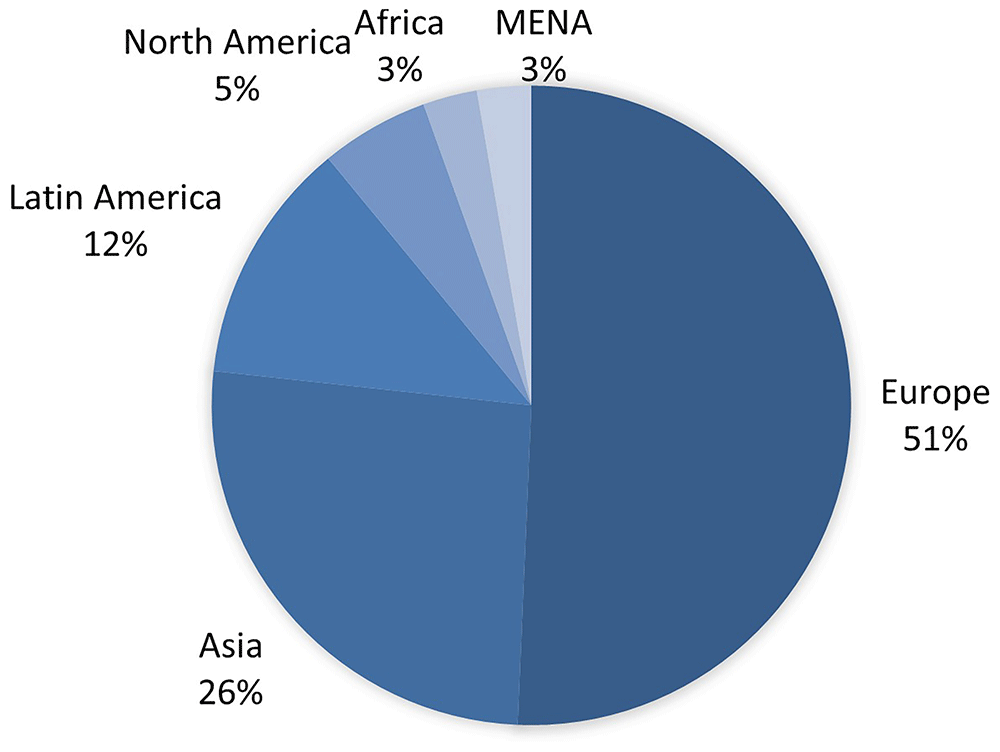
Figure 1. Geographical origin of the units analysed.
Source: compiled by authors.
Analytical model
The websites were analysed in two time periods, December 2022 and June 2024, in order to identify changes in the implementation of training activities aimed at strengthening digital and informational skills. This longitudinal approach sought to capture trends and evaluate changes in the initiatives over time.
Website selection
The selection criterion included accessibility to content, which led to refining the initial list of 88 organisations to 73, by removing the local branches of the Agence France-Presse, since their websites featured generic content without any local-specific content that could be utilised.
Data collection
For each organisation, data on the training initiatives mentioned were collected. In some cases, the information was located in a dedicated tab labelled as training, education, school, media literacy, or information literacy within the organisation’s website; however, it was more common to find the data scattered across different sections (projects, news, what we do, etc.). The search also included external pages created to compile training resources, linked from the organisation's website, as well as websites of competitive projects funding these initiatives and the European Commission's CORDIS portal.
The content collected adhered to specific criteria based on the competency areas outlined in the previously mentioned European Union’s Digital Competence Framework (DigComp 2.2) and UNESCO’s Media and Information Literacy (MIL) Curriculum and Competency Framework. The latter, developed in 2011, defines 12 literacies: (1) media literacy, (2) information literacy, (3) library literacy, (4) Freedom of Expression (FOE) and Freedom of Information (FOI) literacies, (5) digital literacy, (6) computer literacy, (7) internet literacy, (8) games literacy, (9) cinema literacy, (10) television literacy, (11) news literacy, and (12) advertising literacy67.
The data were collected over two time periods. The first round of data collection took place in December 2022. In June 2024, the process was repeated, following the same protocol to ensure consistency in comparison and to identify trends.
Content analysis
A qualitative content analysis approach was used to examine the training activities presented in the two data collection periods. The content was categorised based on the digital and informational skills covered, the teaching methodology employed, and the available resources. Subsequently, a descriptive statistical analysis was conducted using frequency tables, central measures, and percentages.
Results
Training remains a relatively limited activity (45.2%) among these organisations; however, a significant increase (65%) in these initiatives has been observed between the two periods in question (December 2022 and June 2024).
Geographically, most of the activity is concentrated in Europe (58%), followed by Asia (15%), Latin America (18%), the MENA (6%) region and North America (3%) (see Figure 2). No changes in membership were observed between the two periods analysed, with the sample remaining identical in both. In the case of organisations based in Africa, no specific training initiatives were identified, although journalists and university students have benefited from activities conducted by third parties, such as Agence France-Presse (AFP), which operates two local branches (AFP Factuel and AFP Fact-check), and the Spanish news agency EFE, which has organised workshops in Kenya aimed at journalists.
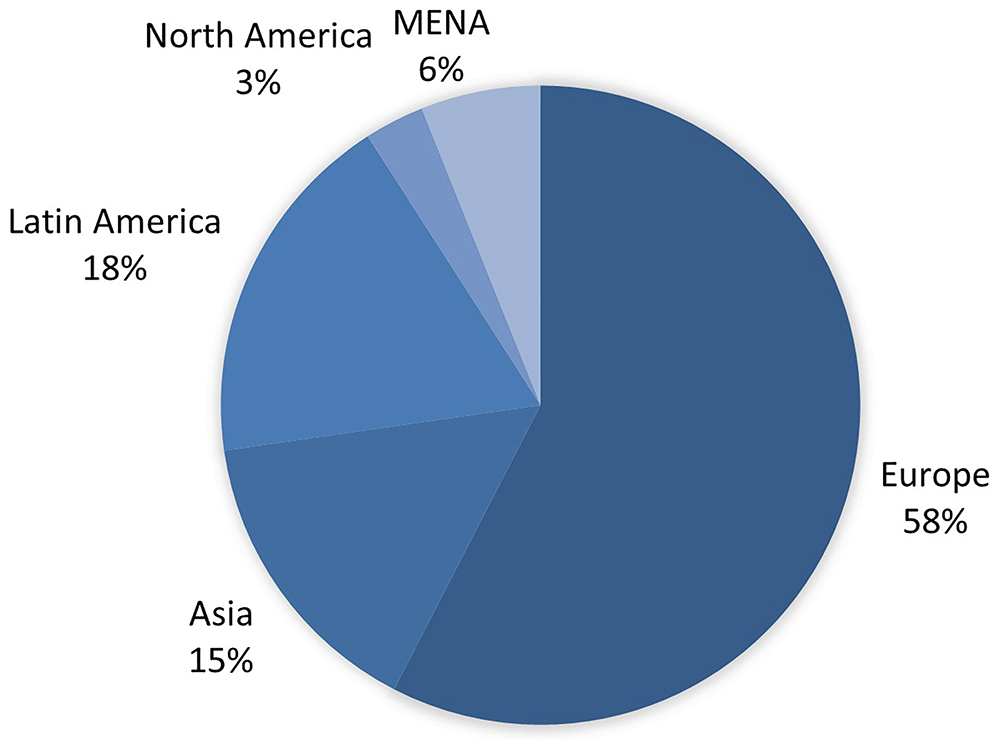
Figure 2. Geographic origin of organisations that provide training activities (Jun. 2024).
Source: compiled by authors.
Regarding regional growth, the highest percentage increase was observed in Asia (150%), followed by MENA (100%), Latin America (50%) and Europe (58.3%) (see Figure 3).
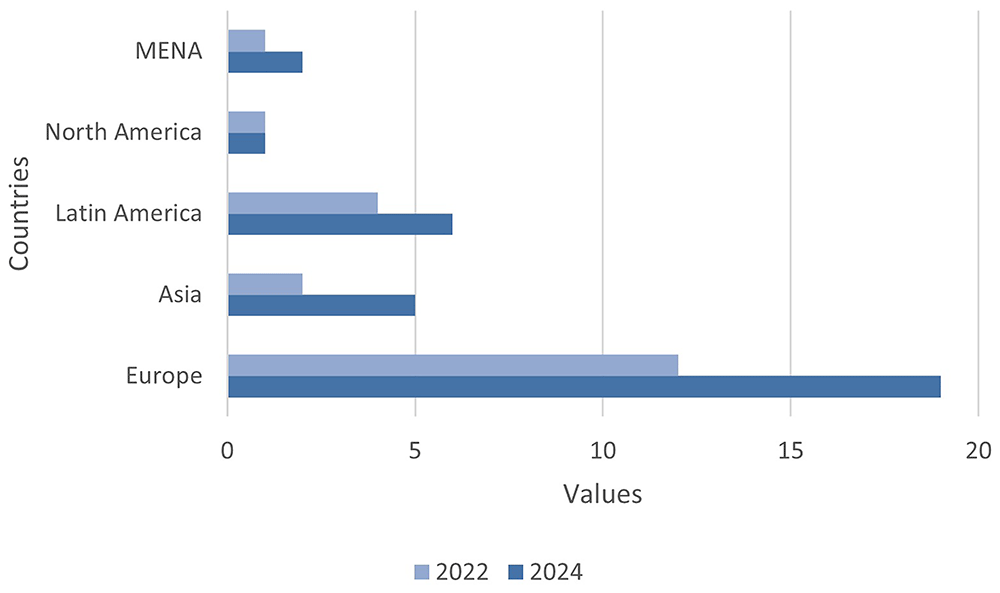
Figure 3. Comparison period 2022–2024.
Source: compiled by authors.
Differences have been observed in the level of commitment to these initiatives. In some cases, training is presented as a distinct line of activity, reflected in the design of the website through dedicated sections labelled as information or media literacy, training, or similar (45.4%). Additionally, training materials in audiovisual formats are often found under sections titled multimedia or podcast. In other cases, the information is dispersed across different areas, making browsing less intuitive. Based on the training types identified, the following taxonomy is proposed:
In-person or online courses and workshops.
Educational materials (videos, podcasts, interactive infographics, online games, teacher guides, OSINT toolkits, repository of disinformation content, etc.).
Podcasts.
Training grants.
Content adapted to social media (WhatsApp).
Participation in competitive projects (national or European).
The comparison between the two time series shows growth across all types, especially in projects (100%), followed by grants (50% respectively), online content (80%), and courses (46.7%) (Figure 4).
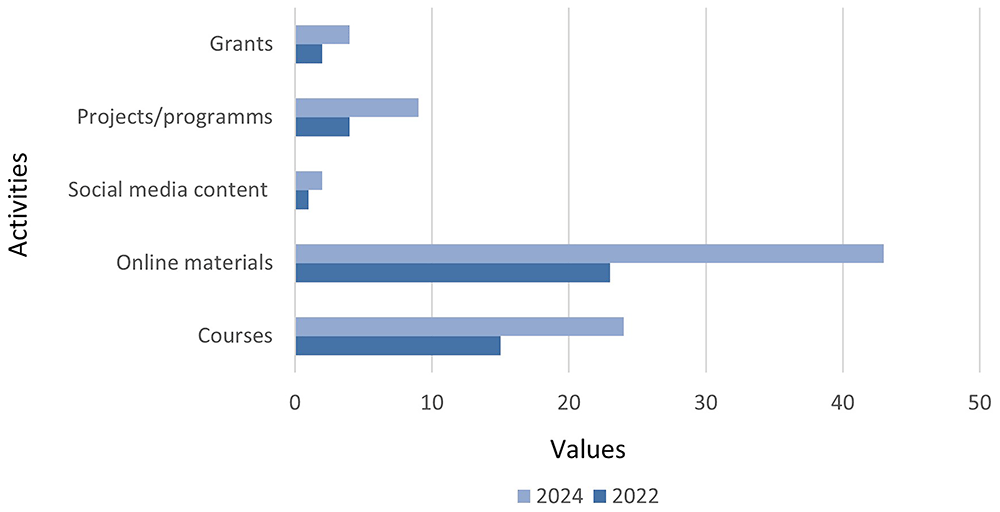
Figure 4. Comparison of percentage distribution by year.
Source: compiled by authors.
Courses and workshops
For the 2024 period, workshops and courses in both in-person and online formats (30%) aimed at providing training in skills related to fact-checking and identifying misinformation and disinformation are the most widespread type. The in-person course format, either pre-configured or on-demand and tailored to different target groups, is predominant. More rarely, online modular courses have been identified, covering different aspects of the verification process or presented in an evolving format.
The recipients include specific references to students, teachers, journalists, elderly people, and public officials. In most cases, the training is aimed at school and university students. Notable among the actions aimed at schoolchildren is the work carried out by the German organisation Correctiv through the Reporterfabrik platform68 in collaboration with ZEIT, which offers on-site training. Additionally, the organisation also serves as a contact point between schools requesting training and volunteer journalists. This work is complemented by a repository of content and tutorials hosted on their website and aimed at teachers. Also of note in this category is the Desfake programme69 launched by Verificat, designed to promote the creation of fact-checking communities among schoolchildren through training in fact-checking techniques, debunking, and the creation of YouTube channels and Instagram and TikTok profiles for dissemination. The initiative has been implemented in several high schools across Catalonia and is funded by YouTube and the International Fact-Checking Network (IFCN).
Also noteworthy is the initiative led by Myth Detector (Georgia) in collaboration with Deutsche Welle Akademie (DWA) and the German Federal Ministry for Economic Cooperation and Development (BMZ), which includes training in OSINT and critical thinking for young people in Georgia, Armenia, Azerbaijan and Ukraine.
More exceptionally, some organisations offer courses aimed at training older adults, and to a lesser extent, public servants or members of law enforcement, with these cases being linked to projects funded by national or European institutions. General courses aimed at groups (NGOs, clubs, associations, etc.) have also been identified. Lastly, although less prominent on their websites, paid courses designed specifically for institutions, businesses, or other organisations are also offered.
The results also show a regional alignment for different target profiles, which can be related to socio-demographic patterns. In Europe, these actions are aimed at an average citizen profile (students, older adults, groups, etc.), while in Latin America and Asia they are more focused on information professionals, journalism students, university professors, and administration officials. This distribution suggests a higher level of knowledge and awareness among information professionals in Europe compared to their counterparts in Asia and Latin America.
While in some cases training is a core business line within the organisation, as previously mentioned, funding often comes from programmes and projects backed by public institutions at the national, regional, or third-country level, or linked to the International Fact-Checking Network (IFCN) through the Global Fact Check Fund, the European Media and Information Fund largely financed by Google. Additionally, funding for media literacy initiatives has also been identified from social media platforms. Among the actions funded by third countries, we can mention the organisation Mala Espina, which receives funding from the European Union delegation in Chile and the German Embassy, and the Brazilian organisation Lupa, which, in collaboration with the U.S. Embassy, launched the FactCheckLab programme aimed at journalists and journalism students. Special mention should be made of initiatives funded by European Union projects, which will be covered in the corresponding section.
Web content
37% of the entities provide learning content through their websites.
Among the available resources (Figure 5), the most common formats are tutorials (with an 100% increase across both time periods) in video format and articles that address the trends observed in the disinformation ecosystem, as well as the strategies, tactics, and technologies used by disinformers. Newsletters aimed at parents with advice on how to address the issue with minors, guides and infographics on the verification process and critical evaluation of sources, OSINT tool repositories, and tutorials on forensic content analysis have also been identified. A growing use of podcasts (75%) has been observed, with a common topic being the uses and challenges posed by Artificial Intelligence, specifically its dangers for the creation and dissemination of malicious content. Exceptionally, streaming spaces such as Maldita Twitchería have also been found, where invited experts discuss topics related to trends and techniques used in disinformation, as well as cybersecurity and new technologies.
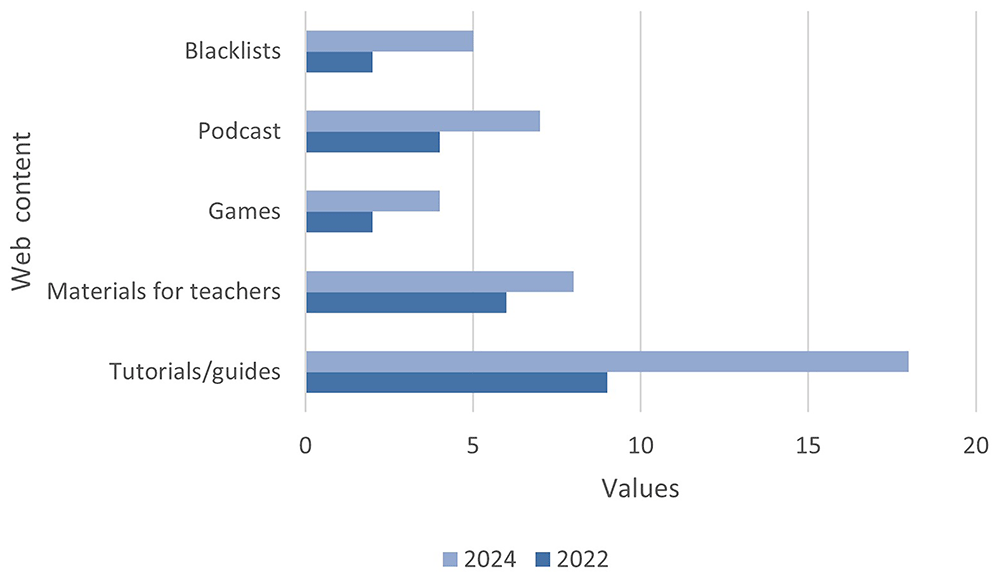
Figure 5. Distribution of online resources.
Source: compiled by authors.
Additionally, we found blacklists (with a 150% increase across both time series) of portals and media outlets that publish disinformation, online games (100%), and resources aimed at teachers (33.3%), with detailed programmes and activities for students of various ages. Examples include the Danish Tjekdet and the aforementioned Verificat through the Desfake platform.
Based on their purpose, these contents can be grouped into three distinct categories: raising awareness of disinformation, strengthening media and digital literacy skills, and introducing audiences to content verification.
European projects
Several actions framed within European competitive projects have been identified (17.4%). Notably, these actions are concentrated in the hands of a small number of entities. While collaborations mainly focus on projects (EU-HYBNET70, IBERIFER71, HYIBRIDS72, HATEDEMICS73, ATHENA74, WeVerify75, vera.ai76), that address various aspects related to the issue of disinformation and misinformation (such as the use of technologies for detection, analysis of the digital ecosystem, design of metrics, the impact of disinformation and predisposition factors, management of disinformation crises, associated business models, etc.), specific projects aimed at developing media literacy have also been identified. These include the NORDIS project (101158604)77, which encompasses Faktisk (Norway), Källkritikbyrån (Sweden), and TjekDet (Denmark). This project focuses on the development of a pedagogical model based on identifying specific gaps in communication students' knowledge. Another project worth mentioning is "RESILIENCE: Civil society action to reaffirm media freedom and counter disinformation and hateful propaganda in Western Balkans and Turkey"78, in which Faktoje (Albania) is a participant and that included training actions for journalists and vulnerable groups, such as the elderly and minorities. Special mention should be made of the projects affiliated with the CREA Media Literacy initiative, aimed at improving citizens' media literacy skills and funded by the Creative Europe programme. Within this initiative, three programmes involve Spanish organisations. Maldita participates in the project Level Up: Levelling Up Media Literacy Education for Older Europeans through Gamification79, which focuses on training people over sixty years old, and ENDGAME (Escaping New Disinformation through GAmified cross-border Media literacy Education). For its part, Verificat is part of the PRIME (PRimary Information and Media Education)project, which includes the previously mentioned Desfake initiative.
Content for social media
Beyond the simultaneous dissemination of website content on social media, specific actions with moderate reach (4.3%) have been identified, tailored to the formats and audiences of different platforms. Notable among these is the distribution of microlearning courses via WhatsApp by the Maldita Foundation80, which include video tutorials, infographics, and tests to help users recognise scams and hoaxes. Also noteworthy is the #NOALODIO campaign launched by Bolivia Verifica through WhatsApp, funded by the IFCN, which aims to develop critical thinking skills in young people to combat hate speech.
Grants
The awarding of grants for training programmes is a marginal activity (6.5%) among the cases analysed. Notable among these is the Teen Fact-Checking Network (TFCN) programme, run by MediaWise at the Poynter Institute, which seeks to equip young people with basic fact-checking skills and the ability to create debunks tailored to different social media platforms. The programme also seeks to establish an international network of young fact-checkers, with participants in the United States, Germany, India, and Brazil. In Brazil, the initiative is led by Agência Lupa, while since 2024, Verificat and Deutsche Presse-Agentur (DPA) have been responsible for the European edition.
Grants programmes sponsored by Vishanews (India) and Factcheck (USA) have also been identified.
Other initiatives
Exceptionally, collaborations in the creation of university postgraduate programmes have been identified. Although this initiative is limited to only two programmes, which are no longer active, it is noteworthy as it reflects an attempt to professionalise the fact-checker profile, given the alignment between these organisations and academia. The first initiative dates back to 2020, when Newtral and Universidad CEU San Pablo launched a proprietary degree in "Digital Verification, Fact-Checking, and Data Journalism". Similarly, in 2021, Fundación Maldita, in collaboration with Universidad Rey Juan Carlos (URJC), introduced a master's programme in "Ongoing Training in Investigative Journalism, New Narratives, Data, Fact-Checking, and Transparency".
We can also mention, due to its unusual nature, the Maldita Caravana project of Fundación Maldita, aimed at strengthening media literacy in rural areas81.
Discussion and conclusions
As argued, fact-checking, while effective in many contexts29,38,82, has significant limitations. These should be analysed in relation to cognitive, emotional, and behavioural factors associated with the consumption of malicious content83, the need to adapt to a rapidly evolving informational and technological ecosystem, the partisan and biased perception of fact-checking organisations84, as well as the lack of multidisciplinary and specialized knowledge within these entities85.
Likewise, it is important to consider that fact-checking is a reactive tool that relies on identifying and correcting misinformation after it has already been disseminated. While this approach is necessary, it is not always sufficient to counteract the problem. Therefore, it is essential to complement it with initiatives aimed at strengthening media and digital literacy. This will help create empowered and self-sufficient citizens who can critically assess information, identify reliable sources, and understand the context in which content is presented.
This approach is particularly relevant today in addressing contemporary crises and threats, as highlighted in the Niimistö report (2024)3. It also gains significance in light of Meta’s discontinuation of its third-party fact-checking partnership, replacing it with a system based on “community notes”, which coincided with the beginning of President Donald Trump’s second term. While this shift in strategy is initially limited to fact-checking organisations in the United States, there is significant uncertainty about its potential impact on other countries. The reliance on collaborations with Meta could place many of these organisations in serious financial difficulty if such partnerships were to decline, ultimately affecting their ability to combat misinformation effectively. Moreover, implementing a system based on "community notes" may not be sufficient to address the complexity of misinformation across different cultural and political contexts. Additionally, this approach is often too slow to detect malicious content early and prevent its viral spread86, as has already been observed with X.
The analysis reflects a still limited presence of literacy activities (45.2%) among fact-checking organisations, although there is an upward trend (65%). It also reveals a positive correlation between these initiatives and projects linked to external funding sources, mainly European projects, programs sponsored by third countries, the International Fact-Checking Network (IFCN), and the Global Fact-Checking Fund. This finding highlights the need to expand funding programmes to ensure the sustainability and growth of these initiatives, making them accessible to broader and more diverse audiences—especially in anticipation of a possible termination of Meta’s third-party programmes outside the United States.
The results also indicate significant discrepancies among target audiences, which can be explained by the interaction of socio-demographic patterns. While in Europe, training activities tend to focus on the average citizen, in Latin America and Asia, they are primarily directed at students, government officials, and journalists. This suggests a very limited level of skill among the general public in Asia and Latin America, and a limited level among journalism professionals and university students. This differs from the situation in European countries, where a sufficient level of competence is assumed among information professionals, as initiatives are mainly targeted at schoolchildren and citizens outside formal education systems. The greater presence of these initiatives in Europe is also linked to the availability of programmes and projects funded by the European Union.
The available information also makes it difficult to determine the impact of these initiatives on their audiences in the absence of exploratory studies. Similarly, it is not possible to establish their reach due to the lack of data on website traffic and the number of content views on social media, although some studies suggest a peripheral reach)26. No data has been found regarding the number of courses delivered or the number of students enrolled.
Given the limitations identified, it would be worth considering the possibility of developing collaborative strategies with other stakeholders to increase the reach and impact of these programmes. In this regard, joint initiatives with mainstream media, particularly television, appear essential, given its dominant role in news consumption within the European Union87. An initiative aligned with the social service role attributed to public television channels (p.20)88. Participation in such activities is also outlined in the Audiovisual Media Services Directive (AVMSD) (2018) (Art. 33a and Art. 28)64. A notable example is the initiatives carried out for years by Scandinavian public broadcasters89. These efforts help expand the reach of media literacy programmes beyond traditional education systems, ensuring greater inclusion and accessibility.
The analysis has limitations due to the type of sample used. It is a convenience sample (n=73) selected based on IFCN membership (n=182)*. There are some discrepancies in the proportional representation of the units analysed.
While Latin America, Asia, MENA, North America, and Africa maintain balanced representation, with percentage point differences of 2.44, -1.99, -0.56, -4.41, and -4.40 respectively, between the analyzed sample and the total organizations that are part of the IFCN, Europe is overrepresented, with a difference of 10 percentage points. Future research should prioritize the collection of standardized metrics to evaluate the reach and effectiveness of these initiatives.
Data availability
Underlying data
Zenodo: Dataset: Preventive strategies against disinformation: A study of digital and information literacy activities led by fact-checking organizations. DOI: 10.5281/zenodo.1502172265
The project contains the following underlying data:
Data are available under the terms of the Creative Commons Attribution 4.0 International
Faculty Opinions recommendedReferences
- 1.
Bouza L, Tuñón Navarro J:
La era de la desinformación global: diagnósticos y respuestas.
AdComunica. Revista Científica de Estrategias, Tendencias e Innovación en Comunicación.
2022; 23: 19–22. Publisher Full Text
- 2.
Magallón-Rosa R, Molina-Cañabate JP, Sánchez-Duarte JM:
Medidas públicas y privadas para combatir la desinformación. Un análisis comparativo Public and private measures to combat disinformation. A comparative analysis.
Boletim do Arquivo da Universidade de Coimbra.
2022; 1: 105–129. Publisher Full Text
- 3.
Niinistö S:
Safer together strengthening Europe’s civilian and military preparedness and readiness. European Commission, Press statement 24/1602 of 20 March, 2024. Reference Source
- 4.
Dragomir M, Rúas-Araújo J, Horowitz M:
Beyond online disinformation: assessing national information resilience in four European countries.
Humanit Soc Sci Commun.
2024; 11: 101. Publisher Full Text
- 5.
Sánchez Gonzales, HM, Sánchez González M, Alonso-González M:
Artificial Intelligence and disinformation literacy programmes used by European fact-checkers.
Catalan Journal of Communication & Cultural Studies.
2024; 16: 237–255. Publisher Full Text
- 6.
Abuín-Penas J, Fernández-Medina F, Corbacho-Valencia JM:
Media literacy against disinformation: the vision of South American fact-checkers.
Observatorio (OBS*).
2024; 18(5): 21–40. Publisher Full Text
- 7.
European Commission: Flash eurobarometer 464. Fake news and disinformation online report. Brussels, February 2018. April, 2018. Reference Source
- 8.
European Commission: Flash eurobarometer 522. Democracy report. Brussels, December, 2023. Reference Source
- 9.
European External Action Service: 1st EEAS Report on Foreign Information Manipulation and Interference Threats. Towards a network for networked defence. European Union External Action, February, 2023. Reference Source
- 10.
Lesplingart A, Châtelet V:
Russia-linked pravda network cited on wikipedia, LLMs, and X.
Digital Forensic Research Lab (DFRLab).
March 12, 2025. Reference Source
- 11.
European Commission: Standard eurobarometer 98. How well informed do you think that people in (OUR COUNTRY) are about European matters. 2023. Reference Source
- 12.
Tuñón Navarro J, Sánchez del Vas R:
Verificación: ¿la cuadratura del círculo contra la desinformación y las noticias falsas?
AdComunica. Revista Científica de Estrategias, Tendencias e Innovación en Comunicación.
2022; 23: 75–95. Publisher Full Text
- 13.
Stencel M, Ryan E, Luther J:
With half the planet going to the polls in 2024, fact-checking sputters. May 30, 2024. Reference Source
- 14.
Pavleska T, Školkay A, Zankova B, et al.:
Performance analysis of fact-checking organisations and initiatives in Europe: a critical overview of online platforms fighting fake news. In: G. Terzis, D. Kloza, E. Kużelewska, D. Trottier (Eds).
Disinformation and digital media as a challenge for democracy.
European Integration and Democracy Series. Intersentia,
2020; 217–246. Publisher Full Text
- 15.
Van der Linden S:
Misinformation: susceptibility, spread and interventions to immunize the public.
Nat Med.
2022; 28(3): 460–467. PubMed Abstract
| Publisher Full Text
- 16.
Van der Linden S, Panagopoulos C, Roozenbeek J:
You are fake news: political bias in perceptions of fake news.
Media Cult Soc.
2020; 42(3): 460–470. Publisher Full Text
- 17.
Barfar A:
Cognitive and affective responses to political disinformation in Facebook.
Comput Human Behav.
2019; 101: 173–179. Publisher Full Text
- 18.
Bastick Z:
Would you notice if fake news changed your behavior? An experiment on the unconscious effects of disinformation.
Comput Hum Behav.
2021; 116: 106633. Publisher Full Text
- 19.
Alam AS, Alam, W:
A synthesis of social responsibility theory and fact-checking ethics codes.
The Journal of International Communication.
2024; 1–22. Publisher Full Text
- 20.
Çömlekçi, MF:
why do fact-checking organizations go beyond fact-checking? A leap toward media and information literacy education.
Int J Commun.
2022; 16: 4563–4583. Reference Source
- 21.
Kuś M, Barczyszyn-Madziarz P:
Fact-checking initiatives as promoters of media and information literacy: the case of Poland.
Central European Journal of Communication.
2020; 13(2): 249–265. Publisher Full Text
- 22.
Matanji F, Tully M, Mudavadi KC, et al.:
Media literacy and fact-checking as proactive and reactive responses to misinformation in Kenya and Senegal.
African Journalism Studies.
2024; 1–18. Publisher Full Text
- 23.
Mesquita L, Maneta M, Brites MJ:
Beyond verification: the evolving role of fact-checking organisations in media literacy education for youth.
Media Commun.
2024; 12. Publisher Full Text
- 24.
Ferreras Rodríguez EM:
Análisis de las propuestas educativas de las plataformas de fact checking en España, Italia y Portugal.
Revista de la asociación española de investigación de la Comunicación.
2023; 10(19): 341–364. Publisher Full Text
- 25.
Tekoniemi S, Kotilainen S, Maasilta M, et al.:
Fact-checking as digital media literacy in higher education.
Seminar net.
2022; 18(1). Publisher Full Text
- 26.
Kyriakidou M, Cushion S, Hughes C, et al.:
Questioning fact-checking in the fight against disinformation: an audience perspective.
Journalism practice.
2023; 17(10): 2123–2139. Publisher Full Text
- 27.
Surjatmodjo D, Unde A, Cangara H, et al.:
Information pandemic: a critical review of disinformation spread on social media and its implications for State resilience.
Soc Sci.
2024; 3(8): 418. Publisher Full Text
- 28.
Montoro-Montarroso A, Cantón-Correa J, Rosso P, et al.:
Fighting disinformation with artificial intelligence: fundamentals, advances and challenges.
El Profesional de la información.
2023; 32(3). Publisher Full Text
- 29.
Chan MS, Jones CR, Jamieson KH, et al.:
Debunking: a meta-analysis of the psychological efficacy of messages countering misinformation.
Psychol Sci.
2017; 28(11): 1531–1546. PubMed Abstract
| Publisher Full Text
| Free Full Text
- 30.
Ewoldsen DR, Rhodes N:
Media priming and accessibility. In: MB. Oliver, AA. Raney, J. Bryant (Ed.) Media effects. Advances in theory and research. Routledge, 2019; 83–100. Publisher Full Text
- 31.
Van Duyn E, Collier J:
Priming and fake news: the effects of elite discourse on evaluations of news media.
Mass Commun Soc.
2019; 22(1): 29–48. Publisher Full Text
- 32.
Berkowitz L:
Some effects of thoughts on anti- and prosocial influences of media events: a cognitive-neoassociation analysis.
Psychol Bull.
1984; 95(3): 410–427. PubMed Abstract
| Publisher Full Text
- 33.
Festinger L:
A theory of cognitive dissonance. Stanford, CA: Stanford University Press, 1962. Reference Source
- 34.
Taddicken M, Wolff L:
‘Fake news’ in science communication: emotions and strategies of coping with dissonance online.
Media Commun.
2020; 8(1): 206–217. Publisher Full Text
- 35.
Vallone RP, Ross L, Lepper MR:
The hostile media phenomenon: biased perception and perceptions of media bias in coverage of the Beirut massacre.
J Pers Soc Psychol.
1985; 49(3): 577–585. PubMed Abstract
| Publisher Full Text
- 36.
Feldman L:
The hostile media effect. In: K. Kenski, KH. Jamieson (Eds.) The Oxford handbook of political communication. Oxford University Press, 2017; 549–564. Publisher Full Text
- 37.
Pennycook G, Bear A, Collins ET, et al.:
The implied truth effect: attaching warnings to a subset of fake news headlines increases perceived accuracy of headlines without warnings.
Manag Sci.
2020; 66(11): 4944–4957. Publisher Full Text
- 38.
Walter N, Cohen J, Holbert RL, et al.:
Fact-checking: a meta-analysis of what works and for whom.
Polit Commun.
2020; 37(3): 350–375. Publisher Full Text
- 39.
Nyhan B:
Why the backfire effect does not explain the durability of political misperceptions.
Proc Natl Acad Sci U S A.
2021; 118(15): e1912440117. PubMed Abstract
| Publisher Full Text
| Free Full Text
- 40.
Ecker UKH, Lewandowsky S, Cook J, et al.:
The psychological drivers of misinformation belief and its resistance to correction.
Nat Rev Psychol.
2022; 1: 13–29. Publisher Full Text
- 41.
Day J, Kleinmann S:
Combating the cult of ISIS: a social approach to countering violent extremism.
Rev Faith Int Aff.
2017; 15(3): 14–23. Publisher Full Text
- 42.
Johnson HM, Seifert CM:
Sources of the continued influence effect: when misinformation in memory affects later inferences.
J Exp Psychol Learn Mem Cogn.
1994; 20(6): 1420–1436. Publisher Full Text
- 43.
Trevors G:
Psychological tribes and processes: understanding why and how misinformation persists. In: P. Kendeou, D. Robinson (Eds.), Misinformation, “quackery,” and “fake news” in education. Information Age Publishing, 2019; 55–80. Reference Source
- 44.
Walter N, Tukachinsky R:
A meta-analytic examination of the continued influence of misinformation in the face of correction: how powerful is it, why does it happen, and how to stop it?
Commun Res.
2019; 47(2): 155–177. Publisher Full Text
- 45.
Arcos R, Arribas C:
Anticipatory approaches to disinformation, warning and supporting technologies. In: R. Arcos, I. Chiru, C. Ivan (Eds.) Routledge handbook of disinformation and national security. Routledge, 2023; 401–416. Publisher Full Text
- 46.
Lewandowsky S, Van Der Linden S:
Countering misinformation and fake news through inoculation and prebunking.
Eur Rev Soc Psychol.
2021; 32(2): 348–384. Publisher Full Text
- 47.
Maertens R, Roozenbeek J, Basol M, et al.:
Long-term effectiveness of inoculation against misinformation: three longitudinal experiments.
J Exp Psychol Appl.
2021; 27(1): 1–16. PubMed Abstract
| Publisher Full Text
- 48.
Zerback T, Töpfl F, Knöpfle M:
The disconcerting potential of online disinformation: persuasive effects of astroturfing comments and three strategies for inoculation against them.
New Media Soc.
2021; 23(5): 1080–1098. Publisher Full Text
- 49.
Butcher P, Neidhardt AH:
From debunking to prebunking: how to get ahead of disinformation on migration in the EU. Foundation for European Progressive Studies (FEPS). European Progressive Studies, the Friedrich Ebert-Stiftung, and the European Policy Centre. Reference Source
- 50.
Galloway S:
C21 literacy: what is it, how do we get it? A creative futures think tank. 2010. Reference Source
- 51.
European Commission, Directorate-General for Education, Youth, Sport and Culture: ELearning - better eLearning for Europe. Publications office of the European Union, 2003. Reference Source
- 52.
Martin A:
A European framework for digital literacy.
Nordic Journal of Digital Literacy.
2006; 1(2): 151–161. Publisher Full Text
- 53.
Official Journal of the European Union: Recommendation of the European Parliament and of the Council of 18 December 2006 on key competences for lifelong learning. A European Reference Framework. L 394, 30.12.2006. Document 32006H0962, 2006. Reference Source
- 54.
Punie Y, Brecko B (Ed.), Ferrari A:
DIGCOMP: a framework for developing and understanding digital competence in Europe. EUR 26035, Publications Office of the European Union. Luxembourg, 2013; ISBN 978-92-79-31465-0. Publisher Full Text
- 55.
Redecker C, Punie Y; European Commission, et al.:
European framework for the digital competence of educators - DigCompEdu. Publications Office of the European Union, 2017. Publisher Full Text
- 56.
European Commission, Directorate-General for Education, Youth, Sport and Culture: Key competences for life-long learning. 2017. Reference Source
- 57.
European Commission, Joint Research Centre, Vuorikari R, et al.:
DigComp 2.2, the digital competence framework for citizens - With new examples of knowledge, skills and attitudes. Publications Office of the European Union, 2022. Publisher Full Text
- 58.
European Commission: Communication from the Commission to the European Parliament, the Council, the European Economic and Social Committee and the Committee of the Regions of 20 December 2007 - A European approach to media literacy in the digital environment [COM(2007) 833 final. 2007. Reference Source
- 59.
European Audiovisual Observatory, Council of Europe: Mapping of media literacy practices and actions in EU-28. Strasbourg, 2016. Reference Source
- 60.
Bebić D, Volarević M:
New problems, old solutions? A critical look on the report of the high level expert group on fake news and on-line disinformation.
Media Studies.
2018; 9(17): 106–117. Reference Source
- 61.
European Commission:
Action plan against disinformation. 2018. Reference Source
- 62.
European Commission:
Code of practice on disinformation. 2018. Reference Source
- 63.
European Commission:
Code of practice on disinformation. 2022. Reference Source
- 64.
Official Journal of the European Union:
Directive (EU) 2018/1808 of the European Parliament and of the Council of 14 November 2018 amending Directive 2010/13/EU on the coordination of certain provisions laid down by law, regulation or administrative action in Member States concerning the provision of audiovisual media services (Audiovisual Media Services Directive) in view of changing market realities. L 303/69. Reference Source
- 65.
Arribas C, Gertrudix M, Arcos R:
Dataset: Preventive strategies against disinformation: A study of digital and information literacy activities led by fact-checking organizations.
Zenodo.
2025. http://www.doi.org/10.5281/zenodo.15021722
- 66.
Maldita F:
#UkraineFacts: a worldwide collaborative database to fight disinformation. February 26, 2022. Reference Source
- 67.
UNESCO:
UNESCO competency framework. 2016. Reference Source
- 68.
Reporterfabrik. Accessed: 04 April 2025. Reference Source
- 69.
Desfake. Accessed: 04 April 2025. Reference Source
- 70.
EU-HYBNET. Accessed: 04 April 2025. Reference Source
- 71.
IBERIFER. Accessed: 04 April 2025. Reference Source
- 72.
HYBRIDS. Accessed: 04 April 2025. Reference Source
- 73.
HATEDEMICS. Accessed: 04 April 2025. Reference Source
- 74.
ATHENA. Accessed: 04 April 2025. Reference Source
- 75.
WeVerify. Accessed: 04 April 2025. Reference Source
- 76.
vera.ai. Accessed: 04 April 2025. Reference Source
- 77.
NORDISHUB. Accessed: 04 April 2025. Reference Source
- 78.
Resilience: civil society for media free of hate and disinformation. Accessed: 04 April 2025. Reference Source
- 79.
Level Up: levelling up media literacy education for older Europeans through gamification. Accessed: 04 April 2025. Reference Source
- 80.
Fundación Maldita: Maldita.es lanza su primer curso de WhatsApp con retos para aprender a detectar los bulos. 2023; June 27, 2023. Reference Source
- 81.
Bulobus. Accessed: 04 April 2025. Reference Source
- 82.
Porter E, Wood TJ:
The global effectiveness of fact-checking: evidence from simultaneous experiments in Argentina, Nigeria, South Africa, and the United Kingdom.
Proc Natl Acad Sci U S A.
2021; 118(37): e2104235118. PubMed Abstract
| Publisher Full Text
| Free Full Text
- 83.
Arcos R, Gertrudix M, Arribas C, et al.:
Responses to digital disinformation as part of hybrid threats: a systematic review on the effects of disinformation and the effectiveness of fact-checking/debunking [version 1; peer review: 2 approved].
Open Res Eur.
2022; 2: 8. PubMed Abstract
| Publisher Full Text
| Free Full Text
- 84.
Walker M, Gottfried J:
Republicans far more likely than Democrats to say fact-checkers tend to favor one side. Pew Research Center, June 27, 2019. Reference Source
- 85.
Vinhas O, Bastos M:
Desinformación sobre la verificación de hechos: ocho notas sobre la realidad consensuada.
Estudios de Periodismo.
2022; 23(4): 448–468. Publisher Full Text
- 86.
Chuai Y, Tian H, Pröllochs N, et al.:
Did the roll-out of community notes reduce engagement with misinformation on X/Twitter? Proceedings of the ACM on Human-Computer Interaction. (Eurobarometer, 2023). 2023; 8(428): 1–52. Publisher Full Text
- 87.
European Commission:
Flash Eurobarometer. Media & News Survey 2023, Brussels. Reference Source
- 88.
Sádaba-Chalezquer C, Salaverría-Aliaga R:
I Estudio sobre la desinformación en España. Unión de Televisiones Comerciales en Abierto (UTECA) y Universidad de Navarra, 2022. Reference Source
- 89.
Kalsnes B, Falasca K, Kammer A:
Scandinavian political journalism in a time of fake news and disinformation. In: E. Skogerbø, Ø. INN Kristensen, L. Nord (Eds.) Power, communication, and politics in the Nordic countries. Nordicom, University of Gothenburg, 2021; 283–304. Publisher Full Text








