Introduction
The term “citizen science”, coined independently in the mid-1990s by Alan Irwin and Rick Bonney, is inherently ambiguous. Irwin used the term to describe a form of science that includes knowledge produced and held by citizens, which is valued and respected alongside expert knowledge (Irwin, 1995). Bonney (1996) highlighted the active participation of volunteers and non-experts in data collection as a demonstration of civic service, enabling research that would not be possible without public participation. Subsequently, citizen science has grown and become established as an approach for knowledge production, accelerated by various technological and societal trends, including the rise of the internet, smartphones and low-cost sensors, and growing access to education (Fraisl et al., 2022; Pateman et al., 2021; Roser & Ortiz-Ospina, 2016). There are many parallel traditions of public involvement in science resulting in the emergence of diverse terms and definitions, such as community science, participatory action research, crowdsourcing, volunteered geographic information and citizen-generated data (Beck et al., 2024; Conrad & Hilchey, 2011; Eitzel et al., 2017; MacDonald, 2012; Shirk et al., 2012; Sieber & Haklay, 2015). Concurrently, efforts have been directed toward building a single definition or common criteria for all these activities (Heigl et al., 2019), although there is also recognition that this might be difficult (Auerbach et al., 2019; Heigl et al., 2019). More recently, Cooper et al. (2021) discussed the efforts to “rebrand” citizen science as “community science” in the United States as the term “citizen” can be considered as a barrier to inclusion. The authors suggested that conversations should focus on approaches and practices that foster inclusion, rather than a name change.
Agreeing on a single definition for citizen science is difficult considering the diversity of topics and areas across which citizen involvement in knowledge production takes place. Yet, defining a set of common characteristics can help to identify which activities should be considered as citizen science in its broader sense and to provide a framing for assessing the impacts of such activities. Such a set of characteristics can be beneficial, or even necessary, for stakeholders such as the European Commission that would like to support citizen science activities (European Commission, 2022) but need guidance on identifying them. National citizen science platforms that feature citizen science projects such as the Austrian “Österreich forscht (Austria is researching)”, German “BürgerSchaffenWissen (Citizens create knowledge)” or Swedish “Medborgarforskning (Citizen Science)” also need to decide which projects they catalogue and curate (Bürger schaffen Wissen, 2024; medborgar forskning se, 2024; Österreich forscht, 2024). Such stakeholders have varying motivations and objectives for defining citizen science in a more context-specific way, for example, to support policies in a specific domain or national level priorities in a defined research area (OEAD, 2024). Therefore, it is imperative to embrace the plurality of objectives, needs, and views of different stakeholders to identify common characteristics that can help answer the question “is this citizen science?”.
The European Citizen Science Association’s (ECSA) Characteristics of Citizen Science (“the ECSA Characteristics”), the focus of this paper, extend the ECSA 10 Principles of Citizen Science (“the ECSA 10 Principles”) (ECSA, 2015; Robinson et al., 2018) that are best practice guidance rather than a definition and target mainly practitioners than funders. For the purposes of a broader range of stakeholders, such as policymakers, funders, communities, and scientists new to citizen science seeking to apply these principles in practice, the ECSA 10 Principles are considered too vague to provide adequate guidance for judging proposed citizen science activities or funding applications (Fraisl et al., 2020b). Additionally, they pay insufficient attention to bottom-up practices such as community-driven initiatives underrepresented in academic science (Parrish, 2022; Wehn, 2021). Hence, there is a need for guidance through an inclusive set of characteristics of citizen science projects and activities that stakeholders can choose from to make decisions, develop criteria for evaluation, or apply in other practical contexts such as impact assessment (Dörler et al., 2022). The ECSA Characteristics were developed as a tool to assist defining citizen science within specific contexts and to complement the ECSA 10 Principles. The ECSA Characteristics differ from the ECSA 10 Principles in that they are responsive to each unique context rather than representing a complete set of principles or criteria that initiatives must fulfil.
The aim of this paper is to critically reflect on the ECSA Characteristics, exploring how ambiguities in citizen science practice can be helpful in embracing the plurality of citizen science. Building on our previously published work, which detailed the findings from a vignette study that was used to identify these Characteristics (Haklay et al., 2021), this paper specifically focuses on the descriptive results from that vignette study. Different from the previous publication, in this paper, we also examine the Characteristics in relation to the ECSA 10 Principles of Citizen Science. We present current and potential applications of ECSA Characteristics along with their opportunities and limitations. Finally, we provide examples of contexts in which the ECSA Characteristics can be particularly helpful, demonstrating how they can supplement and address the shortcomings of the ECSA 10 Principles.
Method
The methodology and results used in this study are described in detail in our previously published study by Haklay et al. (2021). Here, we summarize this methodology for providing context to the descriptive results presented, and additionally outline the process we took to go from the existing literature to ECSA Characteristics.
We developed the ECSA Characteristics through a vignette study, a form of survey used in healthcare and social studies to allow the extraction of diverse perceptions on complex issues (e.g., Brauer et al., 2009; Taylor, 2006). A vignette study refers to short stories that describe specific circumstances for participants to respond to. Figure 1 is an example of a vignette used in this study, and a complete list of 50 vignettes is published in Haklay et al. (2020a).
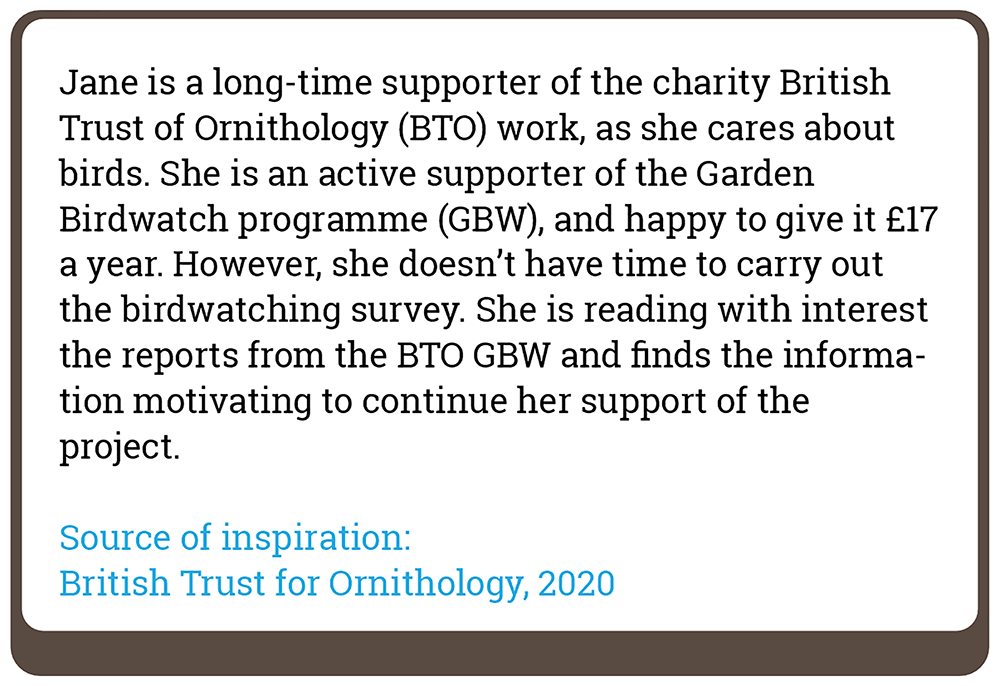
Figure 1. Example of a vignette used in the study (Vignette 3).
This study should be viewed in the context of the wider methodological process used in this research from the production of vignettes to the development of the ECSA Characteristics (Figure 2).
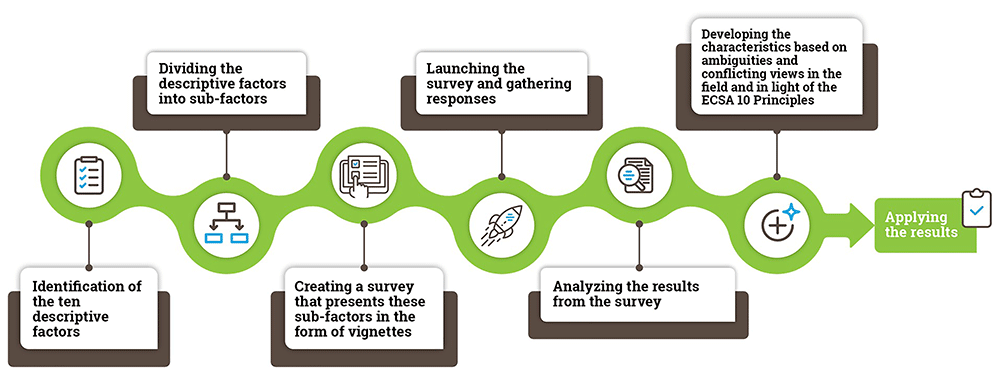
Figure 2. An overview of the methodological process used in the study.
The first step included the identification of different dimensions related to citizen science: “descriptive factors”. We identified 10 descriptive factors based on existing typologies in the literature (Haklay, 2013; Pocock et al., 2017; Shirk et al., 2012; Strasser et al., 2018; Wiggins & Crowston, 2011), and the ongoing debate among citizen science practitioners and researchers (Auerbach et al., 2019; Heigl et al., 2019). The purpose of identifying and creating these factors was to allow for development of vignettes that address controversial issues within citizen science. For example, public participation is a clear requirement for a citizen science project, but uncontroversial so not listed among the ten factors.
In the second step, we divided the ten descriptive factors into 61 sub-factors, such as examining the form of participation in terms of the “degree of activeness” in the project. A complete set of factors, sub-factors and vignettes used in the study are presented in Supplementary Material 1.
The sub-factors covered issues over which there is some debate in literature and collective experience in the field. For example, the hypothesis-driven experimental (rather than observational) nature of “the Great Grow Experiment” (Burton et al., 2019) for regenerative growing practices is generally accepted to be citizen science. However, projects where participants receive a (micro) payment for data collection (Reddy et al., 2010) or where data are harvested from social media are widely debated.
The third step involved the creation of a survey presenting the sub-factors in the form of vignettes. In total, we created 50 vignettes (see Figure 1 for an example). The use of 50 vignettes is the result of the co-occurrence of several of the 61 sub-factors in single vignettes rather than each vignette representing a single sub-factor. In the survey, respondents were asked to indicate the degree to which a vignette can be classified as a citizen science activity on a scale from 0 to 100 (Liu & Conrad, 2016). Respondents were also requested to rate their level of confidence for their answer for each vignette with the option to explain their decisions. The vignettes were collaboratively produced, and peer reviewed by the co-authors of this paper. This was then followed by two cycles of survey pilot testing by the co-authors.
The fourth step involved survey launch (12 December 2019) on SurveyMonkey due to features including a slider response interface, the functionality regarding the random assignment of vignettes and for the ability of respondents to stop at any point. Respondents were recruited through an open social media call (Twitter, LinkedIn and Facebook) and emails to the citizen science mailing lists. The survey was open for 15 days. During this period, >330 responses resulted in >5100 ratings of vignettes were received, leading to between 90–110 responses per vignette.
In step 5, we analyzed the data, agreed on the structure of the ECSA Characteristics document and discussed respondent comments for each vignette.
Finally, in step 6, we turned results from the analysis into the ECSA Characteristics with consideration of the ECSA 10 Principles. This involved formulating 50% and higher agreement among respondents for each vignette found to be a case of citizen science, and less than 50% agreement for cases found not to represent citizen science, drawing attention to the ambiguities in each case. For example, the degree to which Vignette 3 (Figure 1) was considered as citizen science was 8.90%. We formulated the ECSA Characteristic related to this, using explanations received from respondents as a basis:
Financial support for scientific research. Pure financial support to a project, such as crowdfunding, subscription fees and donations, is not considered citizen science, as no participation in any phase of the scientific research takes place. Careful consideration of the consistency with citizen science should be made if the financial contribution is a prerequisite to a form of participation in the scientific research phase of the project.
To develop a comprehensive set of Characteristics based on the ambiguities and conflicting views from the field, an inclusive process for design and implementation of survey and result production was instigated. Anyone who expressed interest was invited to participate in the study and at any point during the process. Additional efforts to reach out to diverse disciplines and fields where citizen science is prominent were made through networks of the co-authors. This ensured a wide range of perspectives from those using and developing citizen science were considered. Inclusivity was fostered through an international open call to the citizen science and science communication communities. Additional measures to ensure inclusiveness included active consideration of diverse audiences outside the citizen science practitioner and researcher community, such as policymakers and funders, and their potential needs in terms of applying citizen science in their field of work. This was crucial to ensure that established research organizations, Civil Society Organizations (CSOs) and other actors involved in starting and implementing citizen science were represented while creating the ECSA Characteristics. Inclusivity was also ensured while preparing vignettes. The vignettes featured examples of diverse citizen science practices and close attention was paid to the use of inclusive terminology throughout, to reduce the perception that words like “science” or “research” excluded any stakeholder groups, disciplines, fields or initiatives.
We developed the ECSA Characteristics with future applications in mind. Growth in the field of citizen science is opening up new areas, activities, and interactions between people, science, and technology, such as Artificial Intelligence (Franzen et al., 2021; Ponti & Seredko, 2022), to which the ECSA Characteristics should be applicable. The ECSA Characteristics should also be applicable in a modular way; responsive to unique contexts rather than a set of criteria that initiatives must fulfil to be considered citizen science.
We produced the ECSA characteristics as two separate documents. The first document, ECSA’s Characteristics of Citizen Science, is succinct so that it is practical and easy to follow by a wide range of audiences, including policymakers, funders, researchers, and the general public. The second document, ECSA’s Characteristics of Citizen Science: Explanation Notes, provides context for the production of the first document and describes the link between the ECSA 10 Principles and the ECSA Characteristics. We also included information and guidance on how the ECSA Characteristics can be interpreted and used, as each characteristic constitutes a topic in its own right.
The first full draft of the ECSA Characteristics was shared through an open call to gather feedback and broader engagement and discussion, both regarding the characteristics, and the process of their identification. The document remained open for feedback for around three weeks (February 2020). We then incorporated received feedback and finalized the aforementioned ECSA Characteristics documents.
We published the ECSA Characteristics and their explanation notes openly on the Zenodo repository in April 2020 (Haklay et al., 2020d), followed by several promotion activities including an ECSA Webinar (Haklay, et al., 2020b) and a session at the Austrian Citizen Science Conference (Hager et al., 2021). We then published a scientific paper including a detailed description of our methodology for developing the ECSA Characteristics (Haklay et al., 2021).
Following this process, we identified the gaps and limitations in the ECSA Principles, which could hinder their practical application due to their ambiguity. We also examined how Characteristics can help address these gaps by providing additional context and clarity, facilitating the effective implementation of both the Characteristics and Principles, and offering more concrete guidance for their use in a variety of citizen science projects.
Results
As mentioned previously, this paper builds upon several key documents:
1. A peer-reviewed paper presenting the findings from an analysis using the vignette method to identify the ECSA Characteristics of Citizen Science (Haklay et al., 2021).
2. The ECSA’s Characteristics of Citizen Science, made publicly available immediately after the completion of this work to serve as a resource for the community to identify what constitutes citizen science (Haklay et al., 2020c).
3. The ECSA’s Characteristics of Citizen Science: Explanation Notes (Haklay et al., 2020d), which provide a more detailed explanation of the aforementioned Characteristics.
4. The ECSA 10 Principles of Citizen Science (ECSA, 2015), created as core principles to guide good practice in citizen science. However, their broad and vague nature makes it challenging to translate them into specific, actionable guidance for different contexts, hindering effective implementation and the development of concrete guidelines.
While the findings of this study are based on these key documents, here, we present a novel contribution to the field by outlining the Characteristics themselves, providing context for the documents referenced in points three and four. Additionally, this study addresses the ambiguities and analyze the gaps within the ECSA Principles concretely and explain how the Characteristics can help address them.
ECSA Characteristics consist of five areas concerning the disagreements regarding what constitutes citizen science: (i) core concepts, (ii) disciplinary aspects, (iii) leadership and participation, (iv) financial aspects, and (v) data and knowledge. Figure 3 provides an overview of Characteristics covered in these areas.
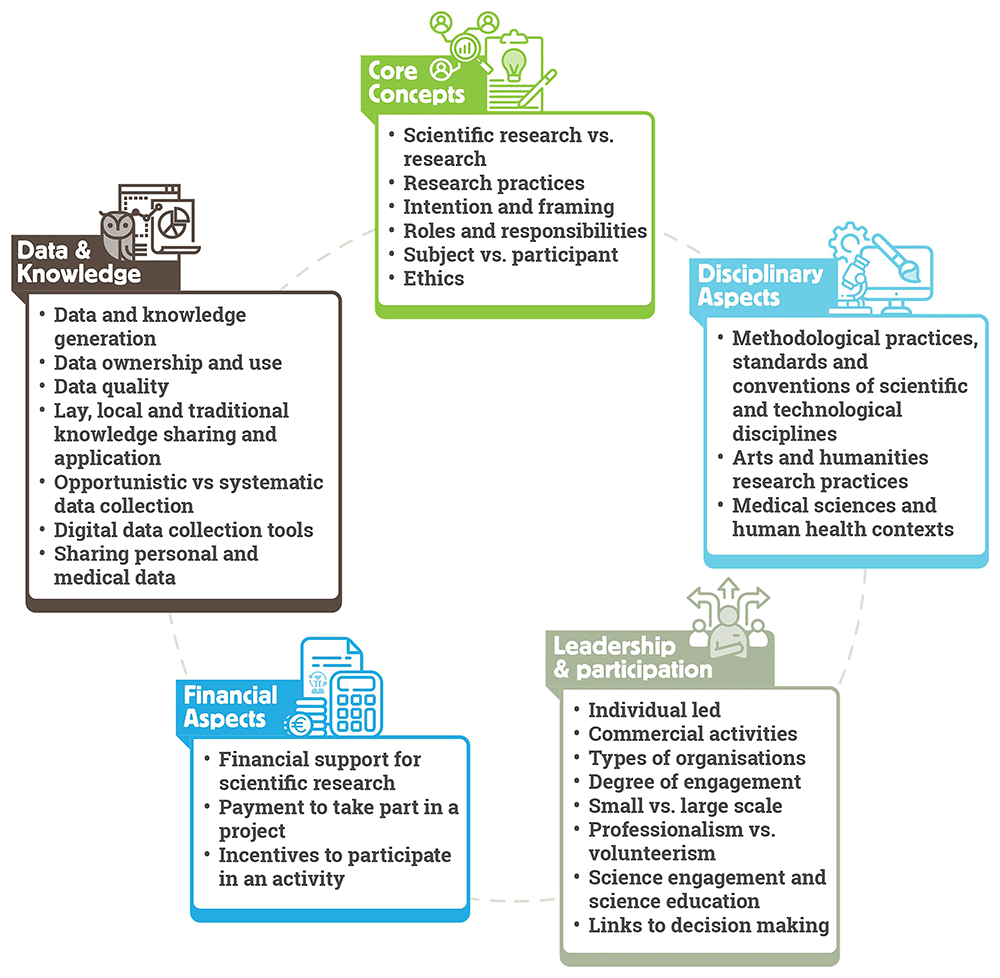
Figure 3. ECSA Characteristics structured in five key areas.
Core concepts refer to conceptual issues regarding citizen science. This covers topics including the use of the terms science and research. The term science may result in the perceived exclusion of activities in the fields of humanities, arts, and engineering, as well as grassroots and community-driven initiatives, which can meet all the expectations of scientific practices. We, therefore, use the term scientific research as inclusive of all domains of activity, and highlight that citizen science research and practice should follow the protocols and practices of the disciplines to which they belong, to ensure rigor. An additional core concept of citizen science activities is that different actors may be involved in addition to professional scientists and participants, such as community leaders, facilitators, authorities, and other stakeholders. All actors must be made aware of their roles and responsibilities, which is the ethical responsibility of the project owner. Finally, we note that unpacking the core concepts can be particularly challenging in ambiguous areas such as the difference between subject and participant in the context of the medical or social sciences. We recommend that researchers identify and clearly communicate their perception and framing of the term participant and be transparent regarding practices, as essential to the ethical aspects of the citizen science activity.
Disciplinary aspects relate to the varying methodologies, standards and common practices applied to the design and running of citizen science projects. For example, requirements related to data management, including quality assurance and quality control processes, may be different for the natural sciences when compared to community-led practices to improve wellbeing. Additionally, some areas of research can be particularly prone to ambiguity. For example, in the arts and humanities, approaches can be more interpretive than descriptive. Therefore, it is important to pay attention to the body of best practice relevant to those research fields and seek to implement them in citizen science projects referring to those domains. We also highlight varying approaches to personal information sharing in citizen science practices. Collection of personal data may be a prerequisite of some activities, such as in the health domain, but may be avoided in projects exploring highly sensitive issues such as gender-based violence. In all cases, it is essential that activities comply with data privacy rules and regulations in the country or countries in which the project operates, and ensure participant safety, security and wellbeing.
The degree of participant engagement from passive to active, the scale of the project from small to large, and the type of organisation leading the project such as grassroot organisations, NGOs, public authorities or academic institutions, are all examples of topics covered under the leadership and participation category. Here, we highlight special concerns regarding commercial organisations in citizen science. Examples include data collection through sensors, health monitoring devices and mobile applications. In such cases, it is important to understand how data are used and shared before considering the activity as citizen science or not citizen science. We recommend applying the ECSA 10 Principles as generic guidance and ascertaining transparency of a project to better understand whether such activities align with the practice of citizen science. For the degree of engagement, active participation that requires the cognitive attention of participants is favored over limited participation such as in volunteered computing projects, where the participation is focused on the participant downloading software to donate their computing power. However, such projects can also be considered citizen science depending on whether the participants are well informed regarding the purpose and process of the research undertaken and how their participation will contribute to that purpose and process.
Financial aspects of the ECSA Characteristics include aspects such as donations or payments to participate in a project (for example through membership fees) and conversely payments to participants as incentives. Purely financial contributions from a 'participant' to a project through donations or subscription fees without further engagement is not considered citizen science. However, this needs to be evaluated on a case-by-case basis, as projects may still align with the ECSA 10 Principles and the ECSA Characteristics in other ways – for example, if a project requires payment for participation such as purchasing equipment from the project owner to enable data collection. Another ambiguous case widely discussed among the citizen science community is that of financial incentives for participants. In such cases, the local context of the project should be considered, as well as the nature of the task and the contribution of the participants. For example, in some projects, compensation of participants for their time and efforts is appropriate due to their economic situation. In such cases, financial payments need not alter project objectives or convert participants into professional project staff members.
Data and knowledge refer to themes from data quality and ownership to sharing of personal and medical data, and how data and knowledge generation issues influence an activity. Here, we emphasize that within citizen science, various forms of data and knowledge generation exist, and that disciplinary contexts and standards must be evaluated, including the data quality requirements. For data ownership and use, citizen science is considered closely linked to open science, including open data sharing and full transparency in ownership. However, sharing of sensitive information and data, such as indigenous data or Traditional Ecological Knowledge (TEK) (Shanley, 2015), the location of endangered species or personal health measurements in medical health research require special considerations (Carroll et al., 2020; Fraisl et al., 2022; UNESCO, 2021). Here, we also consider a range of different methods used for data collection in citizen science activities. In some projects, participants are required to use standard protocols to share observations, while in others they are asked to report data opportunistically at random sites and time intervals or self-report on their personal circumstances or experiences. All these approaches can qualify as citizen science depending on the aims and the context of the project, as well as the fitness for purpose of the data.
The ECSA Characteristics in relation to the ECSA 10 Principles on Citizen Science
The ECSA 10 Principles provide a foundational framework for citizen science, outlining best practices across key areas, such as participant engagement and data management. The ECSA Characteristics complement these Principles, addressing some of their gaps, which arise from their inherent ambiguity and broadness. For example, the first principle emphasizes the importance of actively involving citizens in scientific endeavors. However, the definition of "active involvement" remains unclear. Does simply downloading an app to contribute spare computing power to a research project constitute active involvement or is more hands-on participation necessary, such as submitting plant observations through a mobile app? The ECSA Characteristics highlight the varying degrees of involvement in citizen science, ranging from equal partnership between participants, scientists and other stakeholders to cases where participant contributions mainly involve gathering data or providing computing resources. The Characteristics emphasize the importance of participant awareness regarding their contribution, including in cases where the data they produced is used indirectly or for secondary purposes, such as reusing images shared on social media. Table 1 provides a full list of ECSA 10 Principles, outlining their identified gaps as exemplified by the ambiguity of "active involvement", and demonstrating how the ECSA Characteristics can help to address these gaps.
Table 1. The ECSA 10 Principles, their gaps and how the ECSA Characteristics can help address these gaps.
| Principles | Gaps | Characteristics |
|---|
1. Citizen science projects actively
involve citizens in scientific endeavour
that generates new knowledge or
understanding. Citizens may act as
contributors, collaborators, or as project
leader and have a meaningful role in the
project. | • No clarity on what “active”
involvement means;
• Overemphasis on the “scientific”
aspect of citizen science;
• Not clear what “new knowledge or
understanding” means;
• The role of citizens does not reflect
the diversity in the field. | • Varying degrees of engagement are
highlighted with concrete examples and
specific recommendations (Leadership
and Participation);
• The use of the term “science” is
clarified drawing attention to the risk of
excluding some citizen science activities
(Core Concepts).
• Different forms of knowledge generation
are described (Data and Knowledge);
• The potential roles of citizens, scientists
and other actors are covered (Core
Concepts). |
2. Citizen science projects have a genuine
science outcome. For example, answering
a research question or informing
conservation action, management decisions
or environmental policy. | • Not clear what “genuine scientific
outcome” means;
• Overemphasis on “science”;
• Outcome examples do not reflect
the potential diverse outcomes. | • “Genuine scientific outcome” is clarified
(Core Concepts);
• How to interpret “science” is explained
(Core Concepts);
• Various potential outcomes and
objectives of citizen science projects
are clearly laid out (Core Concepts &
Leadership and Participation). |
3. Both the professional scientists and the
citizen scientists benefit from taking part.
Benefits may include the publication of
research outputs, learning opportunities,
personal enjoyment, social benefits,
satisfaction through contributing to
scientific evidence, e.g., to address local,
national and international issues, and
through that, the potential to influence
policy. | • “Benefit” does not capture the
contentious nature incentives
for example, although it is a very
debated topic in citizen science;
• Does not include the diverse set of
actors that are/can be involved in a
citizen science activity. | • Incentives are covered (Financial
Aspects);
• Multiple actors that can be involved
in citizen science and their roles and
responsibilities are discussed (Core
Concepts). |
4. Citizen scientists may, if they wish,
participate in multiple stages of the
scientific process. This may include
developing the research question,
designing the method, gathering and
analysing data, and communicating the
results. | • Implications of participation in one
or multiple stages of the project
may create confusion such as
when the engagement is limited to
downloading a software for data
collection. | • Participation aspects are discussed,
including the conditions in which
minimal engagement occurs, and
relevant recommendations are provided
(Leadership and Participation). |
5. Citizen scientists receive feedback from the
project. For example, how their data are
being used and what the research, policy or
societal outcomes are. | • Providing feedback to the
participants may have ethical and
legal implications related to data
ownership, sharing and use. | • The issues related to feedback and
ethical and legal implications are
discussed and the link to the importance
of data ownership and use is made
(Data and Knowledge). |
6. Citizen science is considered a research
approach like any other, with limitations
and biases that should be considered and
controlled for. However, unlike traditional
research approaches, citizen science
provides opportunity for greater public
engagement and democratisation of
science. | • The limitations and biases need
clarity. | • Potential limitations and biases specific
to citizen science are highlighted
along with the recommendations on
how to address them (Leadership and
Participation & Data and Knowledge). |
7. Citizen science project data and metadata
are made publicly available and where
possible, results are published in an open
access format. Data sharing may occur
during or after the project, unless there are
security or privacy concerns that prevent
this. | • Data sharing practices are not
covered in sufficient detail and
potential ethical and legal aspects
are not clear;
• No clarity on what the security and
privacy concerns can be. | • Data sharing is discussed in detail both
in the context of sensitivity based on
disciplines such as medical sciences
and open science requirements, as well
as their ethical and legal aspects (Core
Concepts, Disciplinary Aspects & Data
and Knowledge). |
8. Citizen scientists are acknowledged in
project results and publications. | • There is no clarity about the privacy
and ethical aspects of such an
acknowledgment or what it actually
refers to. | • The ECSA Characteristics include a short
statement about the ethical aspects of
citizen science, and indirectly address
this. However, since the participation
in publication is not a source of
controversy, the ECSA Characteristics do
not address publications directly. |
9. Citizen science programs are evaluated
for their scientific output, data quality,
participant experience and wider societal or
policy impact. | • Overemphasis on “science” and data
quality rather than the fitness-for-
purpose of data. | • How the term “science” should be
interpreted is clarified (Core Concepts)
and the data quality and fitness-for-
purpose of data are discussed (Data and
Knowledge). |
10. The leaders of citizen science projects
take into consideration legal and ethical
issues surrounding copyright, intellectual
property, data sharing agreements,
confidentiality, attribution, and the
environmental impact of any activities. | • No clarity on how these legal and
ethical issues can be taken into
consideration. | • Specific sections on legal and ethical
issues related to various aspects of
citizen science are presented (Core
Concepts & Data and Knowledge). |
Discussion
With the publication of the ECSA Characteristics, we have provided conceptual boundaries and guidance that are aimed at assisting others in developing a domain specific definition. Since their publication, the Characteristics have become a valuable resource for the field of citizen science because they have been made publicly available (Haklay et al., 2020c). They serve as a crucial complement to the ECSA 10 Principles, providing concrete guidance for best practice in citizen science beyond the broad and generic ECSA 10 Principles. Although the ECSA Characteristics have been openly accessible and widely used in the field, as discussed in this section, the findings presented in this paper are novel. They explain how the statistical results from our previous work have been transformed into explanatory outcomes that can help various stakeholders, such as researchers, research funders, and policymakers, to effectively interpret and make informed decisions regarding what constitutes citizen science and what falls outside the scope of this field.
ECSA Characteristics were initially intended to support policy actors, funders, researchers, and practitioners as a guiding framework for consideration when assessing, funding, designing, and implementing citizen science activities, but in reality, their use and application can be much wider.
In terms of applications of the ECSA Characteristics, they have been used in the EU-Citizen.Science platform and the Measuring the Impact of Citizen Science (MICS) projects funded by the European Commission (eu-citizen.science, 2023; Parkinson et al., 2022). They have supported the development and content of the EU-Citizen.Science website by providing basis and guidance for identification of good quality resources and projects related to citizen science featured on the platform. In EU-Citizen.Science, a quality criteria framework for citizen science resources was created to define and share good quality resources in Europe and beyond. The first overarching criterion of this framework is to assess whether a resource submitted by a user, for feature on the platform, is related to citizen science, for which the ECSA Characteristics provide guidance. All resources and projects featured on the EU-Citizen.Science platform go through this quality criteria framework, including the use of the ECSA Characteristics along with the ECSA 10 Principles.
Within the Measuring Impact in Citizen Science project, funded by the European Commission, the ECSA Characteristics framework has guided the development of measurable indicators for citizen-science impact assessment. This operationalizes the ECSA Characteristics, making them applicable in quantitative studies. (Parkinson et al., 2022, [about.mics.tools], and Table 2).
Table 2. An example of the quantification of the ECSA Characteristics as MICS indicators.
| ECSA Characteristics of citizen science | MICS indicators |
|---|
Data and knowledge generation. Citizen science, scientific,
academic and policy-oriented research can include different
forms of data and knowledge generation, including novel data
generation, creation of new analyses, or production of new
knowledge in written and other forms. The knowledge produced
in such projects should aspire to disciplinary standards, such as
appropriate data quality and quality assurance, the peer review
of project publications and materials, or policy-relevant evidence
that is fit for decision-making. | What forms of knowledge does the project as a whole create?
New data (quantitative or qualitative)
New analyses (including existing approaches applied to new data)
New methodologies (e.g., for data collection, participant
engagement, education)
New concepts or theories
None of the above
I don't know |
Additionally, the 50 vignettes developed in the study and based on a defined set of ten descriptive factors, have proven to be a valuable open educational resource, as a basis to discuss different types of citizen science. They have, for example, been used to engage students to reflect on citizen science as part of the “Citizen Science” course taught at University College London, and by the “Taking Citizen Science to Schools” Research Centre of the Technion/University of Haifa. Therefore, the application of the ECSA Characteristics can contribute to the educational curriculum of the next generation of researchers.
The vignettes were also used on several multiple occasions at conferences to facilitate in depth discussion on the nuanced understandings of citizen science (Hager & Kieslinger, 2020; Hecker et al., 2021). During one such discursive workshop, it became apparent that robust judgement of whether something should be considered citizen science depends on the completeness and quality of information available across all 10 descriptive factors. The debates also suggested nuanced dependencies across factors, with different perceived weights meaning that citizen science classification could change in relation to different factor combinations (Hager et al., 2021). This further underlines the complex interplay of considerations when characterizing citizen science in this way, and why there remains potential for disagreement and confusion.
In terms of potential applications, the ECSA Characteristics can be used in studies where the citizen science landscape is analyzed. For example, in their mapping of citizen science contributions to the UN Sustainable Development Goals (SDGs) Global Indicator Framework, Fraisl et al. (2020a) reported on the difficulty of citizen science classification for a given project, highlighting cases where authors had disagreement. Similarly, in a subsequent study, Characteristics served as the foundation for determining whether a project qualifies as citizen science (Fraisl et al., 2023b). Additionally, exploration of citizen science in distinct disciplines and areas of application, such as health, can help guide the framing of research that requires citizen science classification for projects and initiatives. In such cases, ECSA Characteristics provide guidance, especially due to their special focus on the areas of ambiguity. Moreover, researchers new to the field, who want to implement citizen science as a practice in their research, represent another critical audience. For example, UK Research and Innovation (a national funding body) promoted a call for proposals explicit in the aim of introducing new researchers to citizen science (Natural Heritage Science Forum, 2023; UKRI, 2019). Another example is the role they have played in facilitating the implementation of the UNESCO Recommendation on Open Science (UNESCO, 2021). The recommendation outlines the close relationship between the Open Science movement and citizen science, and the role of citizen science in opening up the scientific process (Wehn et al., 2020; Wehn & Hepburn, 2022).
Another potential application is the use of ECSA Characteristics by national citizen science platforms and networks such as the Austrian, German, and Swedish platforms (Heigl et al., 2020; Swiss Citizen Science Principles Working Group, 2022). As part of the ECSA Working Group “Citizen Science Networks”, owners of these platforms and others developed a set of criteria for the specific purpose of project selection for their platforms (Dörler et al., 2022). The ECSA Characteristics can support their activities in refining the criteria on which citizen engagement projects, activities, and resources fall under the category of citizen science, as their work is intended to be a living resource, evolving as the field grows, similar to the ECSA Characteristics.
The ECSA Characteristics can also assist funders and decision makers in identifying citizen science activities for their respective funding and policy decisions. Public and philanthropic funders alike are increasingly aware of the role and potential of citizen science to address societal challenges associated with basic and applied research, and development interventions. Similarly, decision makers in public authorities at different governance levels are frequently approached by, involved in, or initiate citizen science activities themselves, but with a similar lack of background on citizen science. In such cases, the ECSA Characteristics can provide a set of guidelines for these actors to define citizen science based on their needs and context.
Finally, the ECSA Characteristics can assist grassroots, community-led initiatives in deciding to frame their initiatives as citizen science, which can help them rebrand, structure or improve their activities for communication and dissemination, fundraising, advocacy and other purposes.
ECSA Characteristics address many limitations of the ECSA Principles, as presented in the Results section and in Table 1. However, one limitation of the ECSA Characteristics is that, despite the effort, they may still be vague for use by communities that require global definitions and methodologies. For example, the UN Statistics Division (UNSD), other UN and international agencies, and the National Statistical Offices around the world seek to mobilize new sources of data to track progress towards the SDGs. These groups have difficulties in “defining” citizen science and its relevant aspects to unlock its potential for SDG monitoring due to the diversity of terms, methodologies and applications. However, for successful official monitoring, global definitions and globally agreed methodologies for data collection are needed to ensure global-level comparisons. The broad and all-inclusive approaches necessary for the development of the field of citizen science make it challenging to address the needs of these official statistics communities. On the other hand, non-strict definitions can also help these authorities to work with the citizen science initiatives at a local and national level, and to address their context- and locality-specific data gaps and needs, which may not be covered in the global methodologies of the SDGs or international frameworks (Fraisl et al., 2022; Fraisl et al., 2023a). In such cases, it may be helpful for these communities to work with experts who can support the interpretation and use of the ECSA Characteristics in a given context.
Another limitation is that the ECSA Characteristics, like the ECSA 10 Principles, are inherently Europe-centric, as suggested by their name. Although efforts have been made to ensure that the development process has been inclusive and consider diverse geographies as outlined in the methodology section, the fact that EU-Citizen.Science project, which supported the development of the ECSA Characteristics, was funded by the European Commission and involved primarily European partners, means they may still retain a European focus. However, similar to how the Australian CS Association adapted the ECSA 10 Principles to their local context (ECSA, 2015), comparable efforts could be made for the Characteristics. Moreover, recent discussions among the co-authors of this paper have considered expanding the ECSA 10 Principles and Characteristics to a global framework that considers the unique local contexts of different regions, with the aim of establishing regularly updated global guidelines for best practice in citizen science. This effort could be led by a Community of Practice formed by the Citizen Science Global Partnership (CSGP, 2022), which leads similar efforts such as the Citizen Science and Open Science Community of Practice (CSGP, 2024). Such an initiative is crucial given the rapidly evolving nature of the field and the fast-paced evolution of technologies such as Artificial Intelligence that directly influence citizen science project development, implementation and associated ethical considerations (Fortson et al., 2024; Fraisl et al., 2025).
Conclusion
Citizen science is a rapidly growing field that is transforming research while questioning and opening up established practices and processes of conceptualising and “doing” science. The dynamism of the field makes it difficult to agree on a universal definition and a set of criteria to constitute its basis. Providing characteristics that embrace diverse practices and activities has the potential to help various stakeholders, such as funders, scientists or practitioners that are new to the field, to understand the richness of citizen science practices, and provide a basis for criteria that can be adapted for specific contexts.
The ECSA Characteristics were developed in a spirit of openness; identifying areas with diverse and even conflicting views was central to this practice. We recommend their use as a whole set and contend that no one area or characteristic is more important than the other. They should be considered as a toolkit with examples and that can guide efforts towards defining citizen science for a specific context and purpose. They are built on the ECSA 10 Principles, addressing some of their gaps and limitations, while at the same time acknowledging the need to update and improve the 10 Principles based on developments in the field. Most importantly, the ECSA Characteristics are meant to complement the ECSA 10 Principles by providing specific examples and context to their interpretation, as well as by making their understanding and application easier, addressing their ambiguities.
Citizen science is still establishing itself as a valid scientific approach in some quarters. While this validation can be assisted through agreement on the borders of the field, this must be inclusive of diverse methods and practices and acknowledge the richness of the field and the need for its further development. The ECSA Characteristics represent an important step towards the fulfilment of this goal.
Ethical considerations
The survey adhered to data minimization practices, and the analysis did not include personal details, except where respondents explicitly requested to be associated with their contributions. Involvement in the study was based on written informed consent. All survey respondents mentioned by name have explicitly given their consent to be associated with their comments and to retain their name in the deposited file. All participants featured in the video have given their consent for its release. Data protection registration for the project was provided by the Centre for Research and Interdisciplinarity, Université de Paris.
Acknowledgements
We would like to acknowledge the inputs from Lionel Deveaux, Soledad Luna, Fredrik Brounéus, Katja Heuer and Tim Woods.
Faculty Opinions recommendedReferences
- Auerbach J, Barthelmess EL, Cavalier D, et al.:
The problem with delineating narrow criteria for citizen science.
Proc Natl Acad Sci U S A.
2019; 116(31): 15336–15337. PubMed Abstract
| Publisher Full Text
| Free Full Text
- Beck S, Fraisl D, Poetz M, et al.:
Multi-disciplinary perspectives on citizen science—Synthesizing five paradigms of citizen involvement.
Citiz Sci.
2024; 9(1): 8. Publisher Full Text
- Bonney R:
Citizen science: a lab tradition.
Living Bird.
1996; 15(4): 7–15. Reference Source
- Brauer PM, Hanning RM, Arocha JF, et al.:
Creating case scenarios or vignettes using factorial study design methods.
J Adv Nurs.
2009; 65(9): 1937–1945. PubMed Abstract
| Publisher Full Text
- Bürger schaffen Wissen: Die Citizen Science Plattform. 2024. Reference Source
- Burton VJ, Ambler A, Neilson R, et al.:
The Great GROW Experiment - challenges and opportunities for hypothesis and place-based citizen research in food growing: Place-Based Citizen-Science for Wellbeing. August 14, 2019. Reference Source
- Carroll SR, Garba I, Figueroa-Rodríguez OL, et al.:
The CARE principles for indigenous data governance.
Data Sci J.
2020; 19: 43. Publisher Full Text
- Conrad CC, Hilchey KG:
A review of citizen science and community-based environmental monitoring: issues and opportunities.
Environ Monit Assess.
2011; 176(1–4): 273–91. PubMed Abstract
| Publisher Full Text
- Cooper CB, Hawn CL, Larson LR, et al.:
Inclusion in citizen science: the conundrum of rebranding.
Science.
2021; 372(6549): 1386–1388. Publisher Full Text
- CSGP: Citizen science global partnership. 2022. Reference Source
- CSGP: Citizen science and open science community of practice. 2024. Reference Source
- Dörler D, Heigl F, Brounéus F, et al.:
Criteria for listing citizen science projects on citizen science online platforms. 2022. Publisher Full Text
- ECSA: Ten principles of citizen science. Berlin, 2015. Publisher Full Text
- Eitzel MV, Cappadonna JL, Santos-Lang C, et al.:
Citizen science terminology matters: exploring key terms.
Citiz Sci.
2017; 2(1): 1. Publisher Full Text
- eu-citizen.science: Eu-citizen.science. 2023. Reference Source
- European Commission: The role of citizen science in the European green deal. 2022. Reference Source
- Fortson L, Crowston K, Kloetzer L, et al.:
Artificial Intelligence and the future of citizen science.
Citiz Sci.
2024; 9(1): 32. Publisher Full Text
- Fraisl D, Campbell J, See L, et al.:
Mapping citizen science contributions to the UN Sustainable Development Goals.
Sustainability Science.
2020a; 15(6): 1735–1751. Publisher Full Text
- Fraisl D, Hager G, Bedessem B, et al.:
Citizen science in environmental and ecological sciences.
Nat Rev Methods Primers.
2022; 2(1): 64. Publisher Full Text
- Fraisl D, Hager G, See L:
Framework report describing criteria and rationale for sharing and selecting state of the art citizen science resources. D3.1 of the EU-Citizen. Science project funded under the European Union’s Horizon 2020 research and innovation programme GA No: 824580. 2020b. Reference Source
- Fraisl D, See L, Bowers R, et al.:
The contributions of citizen science to SDG monitoring and reporting on marine plastics.
Sustainability Science.
2023a; 18(6): 2629–2647. Publisher Full Text
- Fraisl D, See L, Estevez D, et al.:
Citizen science for monitoring the health and well-being related Sustainable Development Goals and the World Health Organization’s Triple Billion Targets.
Front Public Health.
2023b; 11: 1202188. PubMed Abstract
| Publisher Full Text
| Free Full Text
- Fraisl D, See L, Fritz S, et al.:
Leveraging the collaborative power of AI and citizen science for sustainable development.
Nat Sustain.
2025; 8(2): 125–132. Publisher Full Text
- Franzen M, Kloetzer L, Ponti M, et al.:
Machine learning in citizen science: promises and implications. In: K. Vohland, A. Land-Zandstra, L. Ceccaroni, R. Lemmens, J. Perelló, M. Ponti, R. Samson, & K. Wagenknecht (Eds.): The Science of Citizen Science. Springer International Publishing, 2021; 183–198. Publisher Full Text
- Hager G, Kieslinger B:
Würden sie das citizen science nennen? In: Österreichische Citizen Science Konferenz 2020. 2020. Reference Source
- Hager G, Kieslinger B, Hecker S, et al.:
The characteristics of citizen science in a fishbowl. Proceedings of Austrian Citizen Science Conference 2020 — PoS(ACSC2020). 2021; 24. Publisher Full Text
- Haklay M:
Citizen science and volunteered geographic information: overview and typology of participation. In: D.Sui, S. Elwood, & M. Goodchild (Eds.): Crowdsourcing Geographic Knowledge. Springer Netherlands, 2013; 105–122. Publisher Full Text
- Haklay M, Fraisl D, Greshake Tzovaras B, et al.:
Supplementary material-table of Vignettes (case descriptions). 2020a. Publisher Full Text
- Haklay M, Fraisl D, Greshake Tzovaras B, et al.:
Contours of citizen science: a vignette study.
R Soc Open Sci.
2021; 8(8): 202108. PubMed Abstract
| Publisher Full Text
| Free Full Text
- Haklay M, Hecker S, Warin C, et al.:
Webinar on the characteristics of citizen science. 2020b. Publisher Full Text
- Haklay M, Motion A, Balázs B, et al.:
ECSA’s characteristics of citizen science. 2020c. Publisher Full Text
- Haklay M, Motion A, Balázs B, et al.:
ECSA’s characteristics of citizen science: explanation notes. 2020d. Publisher Full Text
- Hecker S, Haklay M, Hager G, et al.:
Characteristics of citizen science. In: Forum Citizen Science 2021. 2021. Reference Source
- Heigl F, Kieslinger B, Paul KT, et al.:
Opinion: toward an international definition of citizen science.
Proc Natl Acad Sci U S A.
2019; 116(17): 8089–8092. PubMed Abstract
| Publisher Full Text
| Free Full Text
- Heigl F, Kieslinger B, Paul KT, et al.:
Co-creating and implementing quality criteria for citizen science.
Citiz Sci.
2020; 5(1): 23. Publisher Full Text
- Irwin A:
Citizen science: a study of people, expertise, and sustainable development. Routledge, 1995. Reference Source
- Liu M, Conrad FG:
An experiment testing six formats of 101-point rating scales.
Comput Hum Behav.
2016; 55(Part A): 364–371. Publisher Full Text
- MacDonald C:
Understanding participatory action research: a qualitative resarch methodology option.
Canadian Journal of Action Research.
2012; 13(2): 34–50. Publisher Full Text
- Medborgar Forskning Se: Medborgar forskning se. 2024. Reference Source
- Natural Heritage Science Forum: Citizen science exploration grants. 2023. Reference Source
- OEAD:
Sparkling science. 2024. Reference Source
- Österreich forscht:
Österreich forscht. 2024. Reference Source
- Parkinson S, Woods SM, Sprinks J, et al.:
A practical approach to assessing the impact of citizen science towards the Sustainable Development Goals.
Sustainability.
2022; 14(8): 4676. Publisher Full Text
- Parrish JK:
Searching for community in community science.
Community Science.
2022; 1(3): e2022CSJ000026. Publisher Full Text
- Pateman R, Tuhkanen H, Cinderby S:
Citizen science and the Sustainable Development Goals in Low and Middle Income Country Cities.
Sustainability.
2021; 13(17): 9534. Publisher Full Text
- Pocock MJO, Tweddle JC, Savage J, et al.:
The diversity and evolution of ecological and environmental citizen science.
PLoS One.
2017; 12(4): e0172579. PubMed Abstract
| Publisher Full Text
| Free Full Text
- Ponti M, Seredko A:
Human-machine-learning integration and task allocation in citizen science.
Humanit Soc Sci Commun.
2022; 9(1): 48. Publisher Full Text
- Reddy S, Estrin D, Hansen M, et al.:
Examining micro-payments for participatory sensing data collections.
Proceedings of the 12th ACM International Conference on Ubiquitous Computing.
2010; 33–36. Publisher Full Text
- Robinson L, Cawthray J, West S, et al.:
Ten principles of citizen science. In: S. Hecker, M. Haklay, A. Bowser, Z. Makuch, J. Vogel, & A. Bonn (Eds.), Citizen science: Innovation in open science, society and policy. UCL Press, 2018; 27–40. Publisher Full Text
- Roser M, Ortiz-Ospina E:
Our World in Data. Literacy. 2016. Reference Source
- Shanley LA:
Spatial data sovereignty and privacy in Indian country. University of Wisconsin-Madison. UMI Number 3707906. May 29, 2015. Publisher Full Text
- Shirk JL, Ballard HL, Wilderman CC, et al.:
Public participation in scientific research: a framework for deliberate design.
Ecol Soc.
2012; 17(2): 29. Publisher Full Text
- Sieber RE, Haklay M:
The epistemology(s) of volunteered geographic information: a critique.
Geo: Geography and Environment.
2015; 2(2): 122–136, 2. Publisher Full Text
- Strasser BJ, Baudry J, Mahr D, et al.:
“Citizen Science”? Rethinking science and public participation.
Sci Technol Stud.
2018; 32(2): 52–76. Publisher Full Text
- Swiss Citizen Science Principles Working Group:
10 Swiss citizen science principles. Bern. www.schweizforscht.ch. 2022. Reference Source
- Taylor BJ:
Factorial surveys: using vignettes to study professional judgement.
Br J Soc Work.
2006; 36(7): 1187–1207. Publisher Full Text
- UKRI:
Citizen science exploration grant. 2019. Reference Source
- UNESCO:
UNESCO recommendation on open science. 2021. Publisher Full Text
- Wehn U:
Citizen science terminology & typology, marine citizen science community of practice thematic workshop #1. University of Gothenburg, December 15, 2021.
- Wehn U, Goebel C, Bowser A, et al.:
Global citizen science perspectives on open science. Short Paper for UNESCO Advisory Body on the Open Science Recommendation. May, 2020. Reference Source
- Wehn U, Hepburn L:
Guidance for the implementation of the UNESCO Open Science Recommendation re. “Opening science to society” (FINAL).
Zenodo.
2022. Publisher Full Text
- Wiggins A, Crowston K:
From conservation to crowdsourcing: a typology of citizen science. 2011; 1–10. Publisher Full Text










