Analysis of the Articles DB
The analysis of the distribution of authors' affiliations across countries, based on the WoS data, reveals that Europe holds the largest share, with 353 publications (45% of the total), followed by China with 321 publications (41%), and the United States with 81 publications (10%). Within Europe, the leading countries are Italy and Germany, with 74 and 67 publications, respectively, corresponding to 9% and 8% of the total. These findings align with the results of similar studies36,37.
The data collected in the Articles DB have been grouped across four macrodomains including the 3 research domains — Environment, Food, Health — and the Methods category. The Environment category relates to the largest share of articles, although a reduction in percentage is observed in the last two years (Figure 4). In contrast, the percentage of articles classified under the Health macrodomain shows an increase throughout the five-year period, reflecting the growing interest in the impact on Health of artificial materials at the micro- and nano-scale. Food and Methods appears to be relatively steady over the examined period with a possible exception of 2024. A potential bias might be the result of the article selection process, which was partly based on citations38. This approach favours the selection of older articles, which may have accumulated more citations than more recent publications. Furthermore, the citation index differs across areas of research39, which might favour articles focusing on Health with respect to publications addressing the Environment and Food domains.
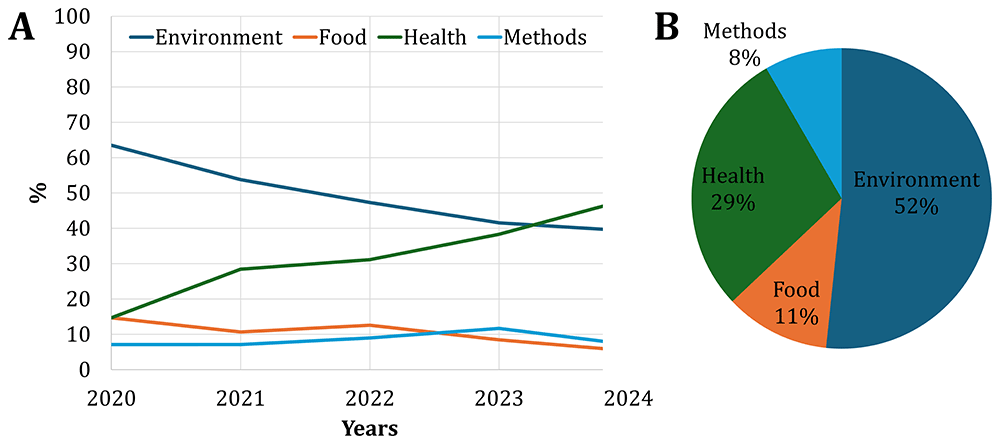
Figure 4. Macrodomains trends: chronological and percentage distribution.
(A) Trends derived from 813 entries in the article database for the Environment, Health, Food and Methods categories (2020-2024) and (B) their percentage distribution over the data range selected.
During the full-assessment phase, guided by the key terms selected for the keyword combinations, we categorized each article based on a series of macrodomain-related sub-thematics, which were identified as its primary focus (Table 2, Figure 5). This approach allowed for the identification of current key areas of interest in research on these subjects. The Environment domain includes a greater number of sub-thematics than the Food and Health domains, possibly also due to the larger number of publications related to Environment in the Articles DB (Figure 4B). Several of these topics are relevant to policy, regulation, and public awareness. Toxicological studies and Degradation mechanism and stability assessment are among the most frequent sub-thematics. This can be attributed to the One Health perspective implemented in our workflow, specifically at the full-assessment stage, which emphasizes studies with an interdisciplinary nature. On the other hand, it may reflect an actual gap in research on the underrepresented sub-thematics, such as the "impact on microorganisms".
Table 2. Sub-thematics.
| ENVIRONMENT | HEALTH | FOOD |
|---|
| extraction in marine sediment samples | toxicological studies | food contamination |
| Impact on micro-organisms | epidemiological studies | transfer through food chain |
| agriculture practices | mechanistic studies | food packaging |
| soil quality | metabolomics | |
| water quality | risk assessment | |
| air quality | | |
| ecosystem impact, ecosystem services | | |
| impact on marine species | | |
| degradation mechanism and stability assessment | | |
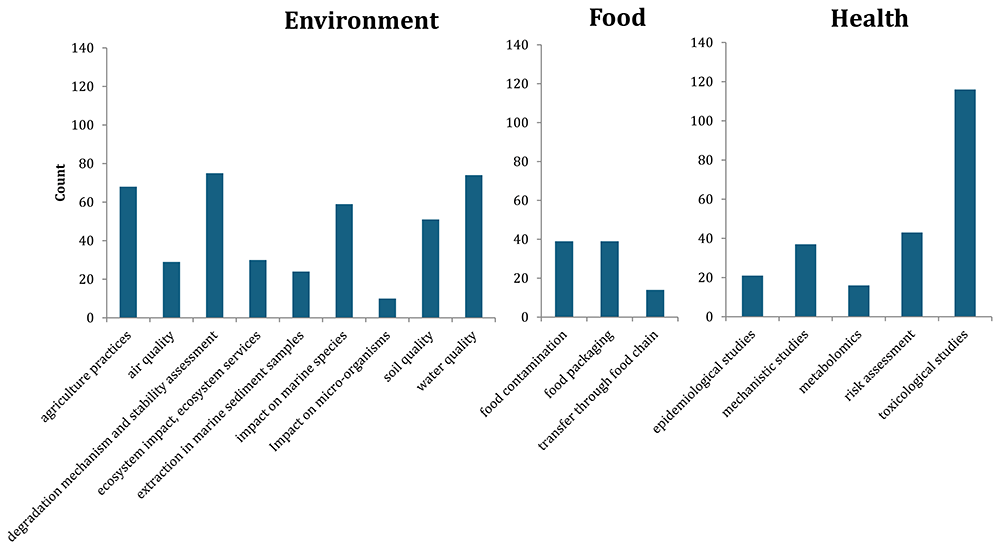
Figure 5. Occurrence of sub-thematics within their respective macrodomain.
For the “Methods” category, no sub-thematics were defined, as it was introduced to identify articles focused on new methodologies and/or analytical approaches. Notably, several of the articles categorized within this latter macrodomain indicate the critical importance of standardization, as consistent and reliable data are essential for ensuring the accuracy and comparability of research outcomes. Indeed, uniform methodologies enhance the reproducibility of results40. Figure 6 clearly demonstrates a significant disparity in current research as represented by the Articles DB. Namely, the publications focusing on nano-scale particles are substantially fewer than those examining micro-scale materials. This can be partially explained by the fact that microparticles are easier to detect and identify.
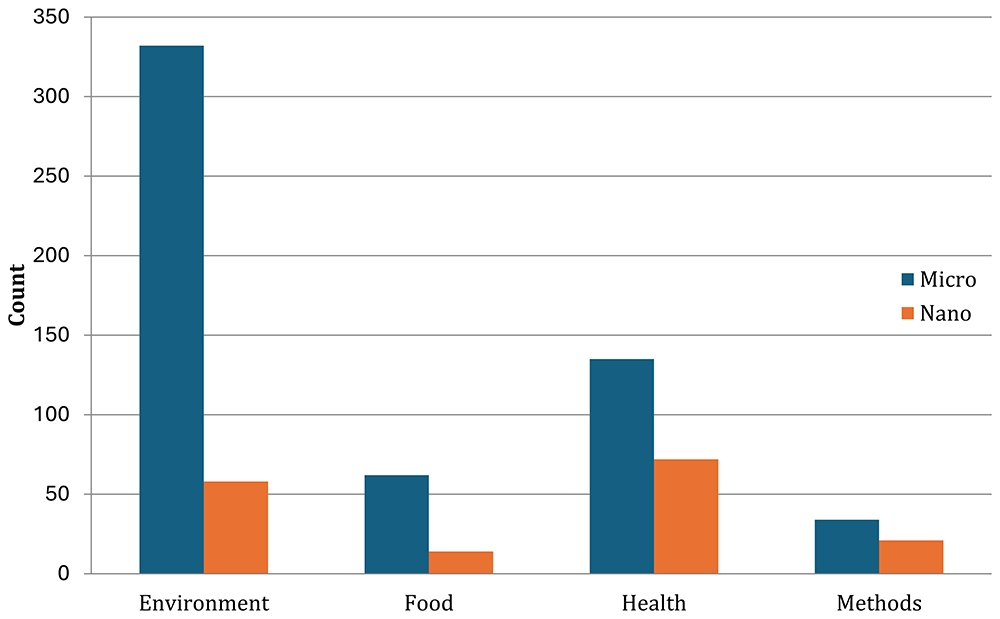
Figure 6. Distribution of the dimension along macrodomains.
Distribution of the dimension of the investigated particles across macrodomains, measured by the number of corresponding publications in the Articles DB. The 85 articles marked with (*) were excluded from the analysis.
By addressing this issue in more detail, it appears that the percentage of studies dealing with the impact of nano-particles is significantly higher in Health (Figure 7). This likely reflects the increased ease with which smaller particles interact with biological systems41. Examining the distribution of studies across the selected topics (Figure 7C, D) it appears that at the nano-scale there is a prominent focus on Metals/Metal Oxides, while studies on Bioplastics are more represented at the micro-scale.
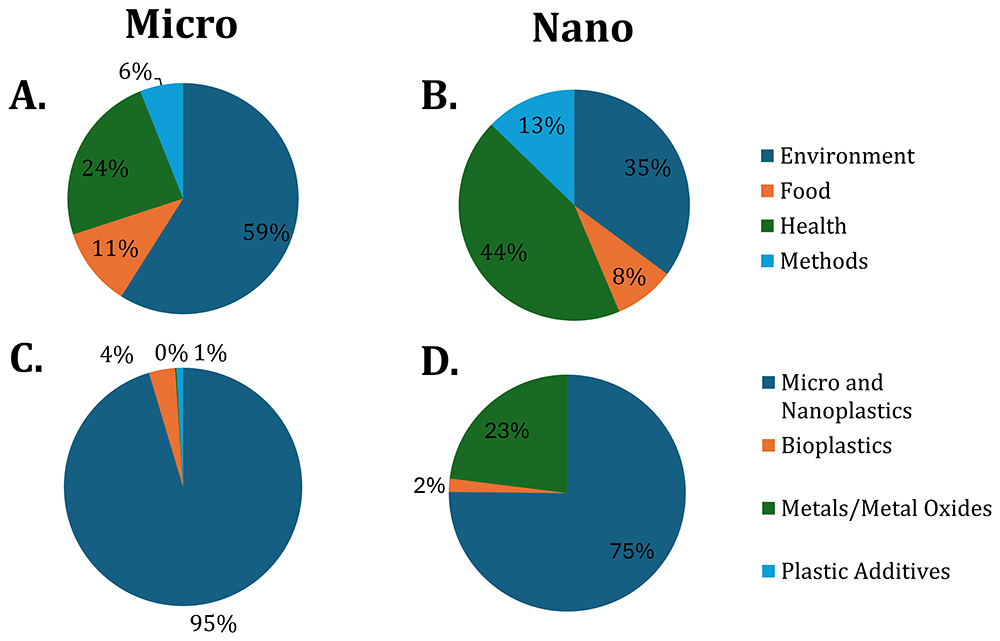
Figure 7. Domains and Selected Topics distributions within Particles dimension.
Percentage of articles investigating micro- and nano-scale material particles across the different research macrodomains (A and B, respectively) and across the different selected topics (C and D, respectively). The 85 articles marked with (*) were excluded from the analysis.
From the sub-thematics point of view (Figure 8), we observe that sub-thematics oriented to Environment emphasize micro-scale studies. Instead, sub-thematics within the Health domain show a much higher share of studies investigating materials at the nano-scale, as for instance, toxicological and epidemiological studies, along with metabolomics, confirming the growing interest in the potential risks of nanoparticles for human health42,43. A closer look at the Environment-related sub-thematics show that studies focusing on the impact of artificial materials on microorganisms and marine species have a much higher percentage of nanoparticles studies with respect to other sub-thematics. This is in agreement with the above observations on the Health domain as both sub-thematics have their focus on biological systems.
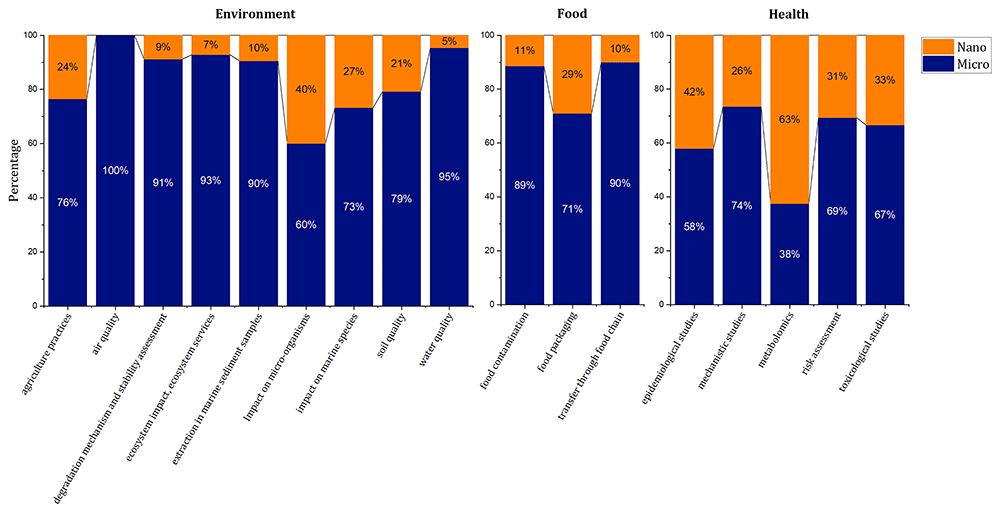
Figure 8. Dimension distribution within sub-thematics.
Distribution of the dimension of the investigated particles across sub-thematics. The 85 articles marked with (*) were excluded from the analysis.
An overview on techniques
We analyzed the Articles DB with respect to the techniques employed in each article (Table 3). As expected, given their availability in most of the laboratories equipment, Microscopy and Optical Spectrometry techniques are the most commonly employed across all topics, particularly for the investigation of MNPs44. Other techniques, such as Mass Spectrometry and Biological techniques, appear more popular in studies addressing the impact of Plastic Additives. This may be due to their capability of studying complex chemical compositions and the biological effects of materials. While Omics techniques are evenly applied across, Light Scattering techniques and Magnetic Resonance techniques show a very narrow usage. In this context, Magnetic Resonance techniques cannot be applied to Metals due to limitations in detection, whereas the most representative Metal oxides have poor NMR sensitivity.
Table 3. Percentage distribution of the techniques used over the selected topics.
| Micro and Nanoplastics | Bioplastics | Metals/Metal Oxides | Plastic Additives |
|---|
| X-Ray techniques | 3 | 9 | 11 | 0 |
| Magnetic Resonance techniques | 2 | 4 | 0 | 2 |
| Omics techniques | 8 | 6 | 7 | 10 |
| Optical Spectroscopy | 25 | 29 | 13 | 17 |
| Light Scattering | 4 | 4 | 4 | 2 |
| Microscopy techniques | 28 | 26 | 27 | 22 |
| Mass Spectrometry techniques | 7 | 8 | 13 | 24 |
| Biological studies | 19 | 13 | 22 | 20 |
| Data and Bioinformatics methodologies | 4 | 1 | 3 | 2 |
| Total | 100 | 100 | 100 | 100 |
Considering the application of techniques in relation to the particle scale (Figure 9), we observed that biological, omics and Light Scattering techniques are more used in studies on nano- than micro-scale particles. This reflects respectively the higher absorption of smaller particles by living systems, as already noted, and the high resolving capability of Light Scattering in this scale.
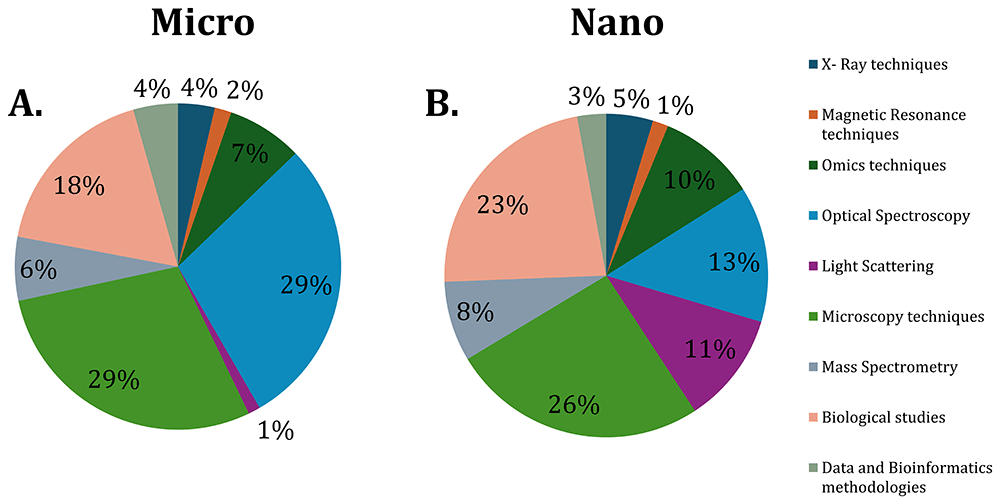
Figure 9. Percentage distribution of techniques by micro- and nano-scale.
Percentage distribution of the techniques employed at the (a.) micro- and (b.): nano-scale. The 85 articles marked with (*) were excluded from the analysis.
The distribution of employed techniques across the three domains—Environment, Food and Health (Figure 10) might be representative of how each domain tailors its methodological approach to meet its specific research objectives.
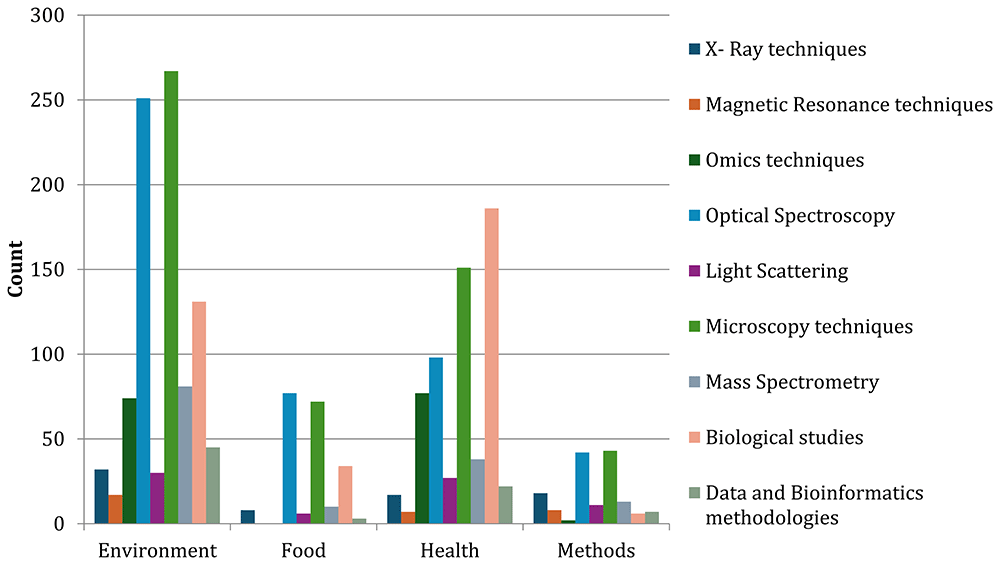
Figure 10. Distribution of employed techniques across the selected macrodomains.
A more detailed overview is provided in Figure 11, showing the use of the various analytical techniques with respect to the research sub-thematics. Optical spectroscopies (such as FT-IR and Raman) and Microscopy techniques (such as SEM and TEM), appear to be commonly employed across all the diverse macrodomains. This is in agreement with recent reviews45,46. Indeed, FT-IR is a powerful tool to characterize polymers, as well as capable of revealing information on their degradation and organic impurities/contaminants47. Instead, Microscopy techniques are extensively used in the field of MNP imaging, as they provide a relatively fast and straightforward means of assessing particle size, shape, and quantity48.
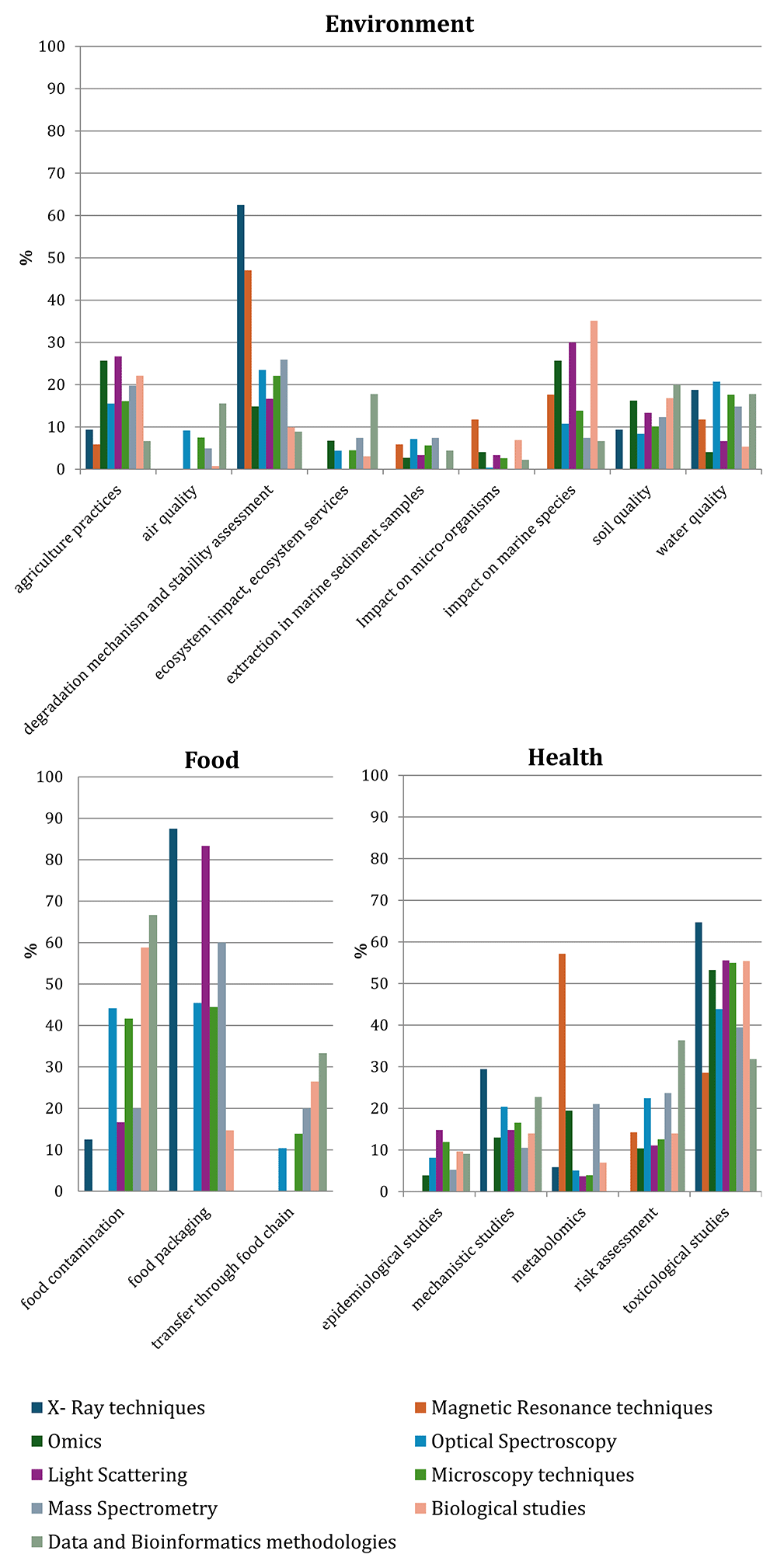
Figure 11. Distribution of employed techniques across sub-thematics areas.
X-Ray techniques are primarily utilized in Food contamination, Magnetic Resonance techniques are particularly valuable in metabolomics, highlighting their utility in examining metabolic processes, while Omics techniques are applied across several fields, contributing significantly to the studies of marine species impact. Optical Spectroscopy and Microscopy techniques are notably employed in soil and water quality assessments, providing physical and chemical properties of Environment matrices. Light Scattering is employed in studies of soil and water quality to analyze particle size and dispersion. Mass Spectrometry techniques are widely applicable across all sub-topics, with a major role for risk assessment studies. Biological techniques are heavily utilized in the study of marine species' impact and toxicological studies, emphasizing their role in assessing biological effects and the Health impacts of contaminants. This analysis also shows that the Data and Bioinformatics methodologies are widely applied for toxicological studies and water quality research.
Through an analysis of the WoS database, it was possible to correlate the research corpus of the Articles DB with the Sustainable Development Goals (SDGs), as defined by the UN (SDGs UN definition). It appears that research on artificial material is related mainly to 4 goals (Figure 12). The majority of entries in our Articles DB address 3 to 4 SDGs.
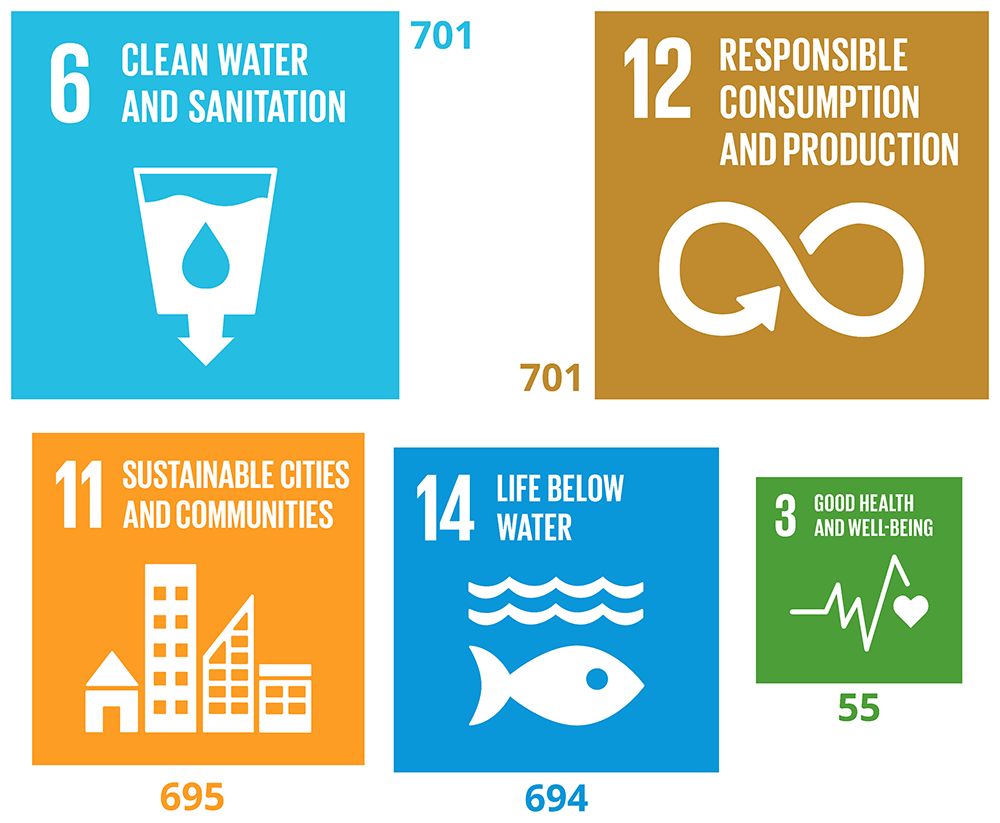
Figure 12. Sustainable Development Goals derived from the Articles DB through WoS analytics, along with their respective counts.
Clean Water and Sanitation (Goal 6); Sustainable Cities and Communities (Goal 11); Responsible Consumption and Production (Goal 12); Life Below Water (Goal 14); Good Health and Well-being (Goal 3).
To streamline our Articles DB analysis, we employed version 1.6.20 of the VOSviewer software. By analyzing keyword co-occurrence, and by grouping related keywords into distinct clusters, VOSviewer allowed us to systematically identify frequently used and highly interconnected terms across the Articles DB. To explore the research landscape within the Articles DB, we conducted three separate analyses, focusing respectively on the Environment, Food, and Health macrodomains (Figure 13). The resulting maps demonstrated multiple interactions across the domains. Specifically, the Environment map featured health-related keywords such as “toxicity”, “ingestion”, and “risk assessment”, while the Health map included “environmental exposure”, and the Food map contained “human health”, “human exposure”, and “environmental”. These overlaps highlight the inherent interconnectedness of the topics that guided this bibliometric work.
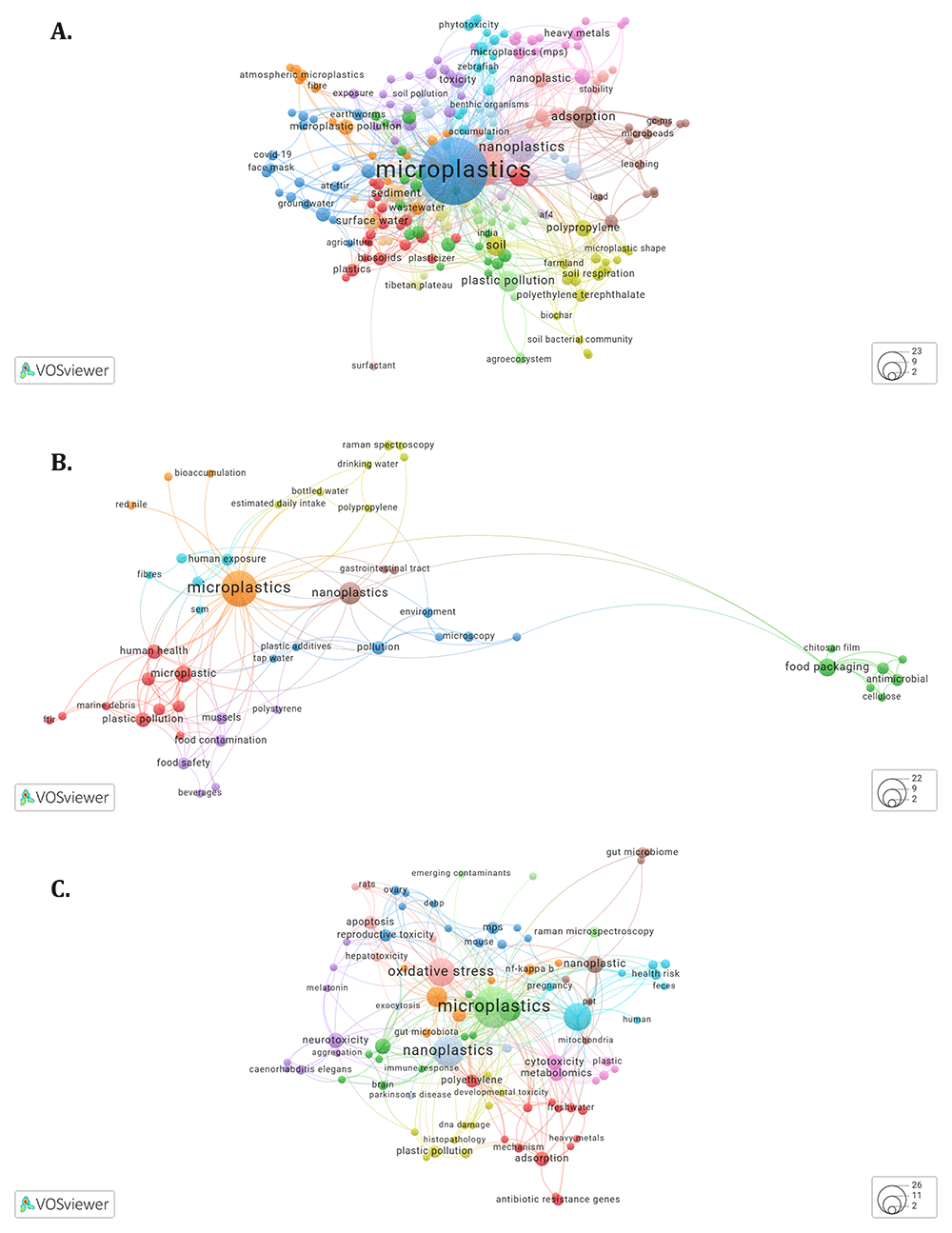
Figure 13. Maps obtained through VOSviewer from WoS Author Keywords.
Nodes represent keywords (with size reflecting frequency) and the thickness of the edges indicates the strength of co-occurrence. (A). Environment (VOS interactive map); (B) Food (VOS interactive map) and (C) Health (VOS interactive map).
Statistical analysis of the WoS database
Alongside the analyses of the Articles DB, we performed a statistical analysis on the comprehensive dataset generated from the initial screening queries (Figure 1). This broader analysis, encompassing a significantly larger number of results, allowed for a validation of the results presented in the previous sections over a wider dataset, through the identification of broader trends and patterns. This parallel approach confirms that the results obtained from the Articles DB are indeed representative of the wider research landscape represented in the WoS.
Figure 14 reveals a consistent increase in publication numbers across the Environment, Food, and Health macrodomains throughout the analyzed period. While the Environment research area continues to dominate in volume compared to Health and Food, as observed in Figure 4, the overall trend from the 28,341 articles represented in Figures 14 indicates a steady growth for all domains with Health exhibiting the most rapid growth trend.
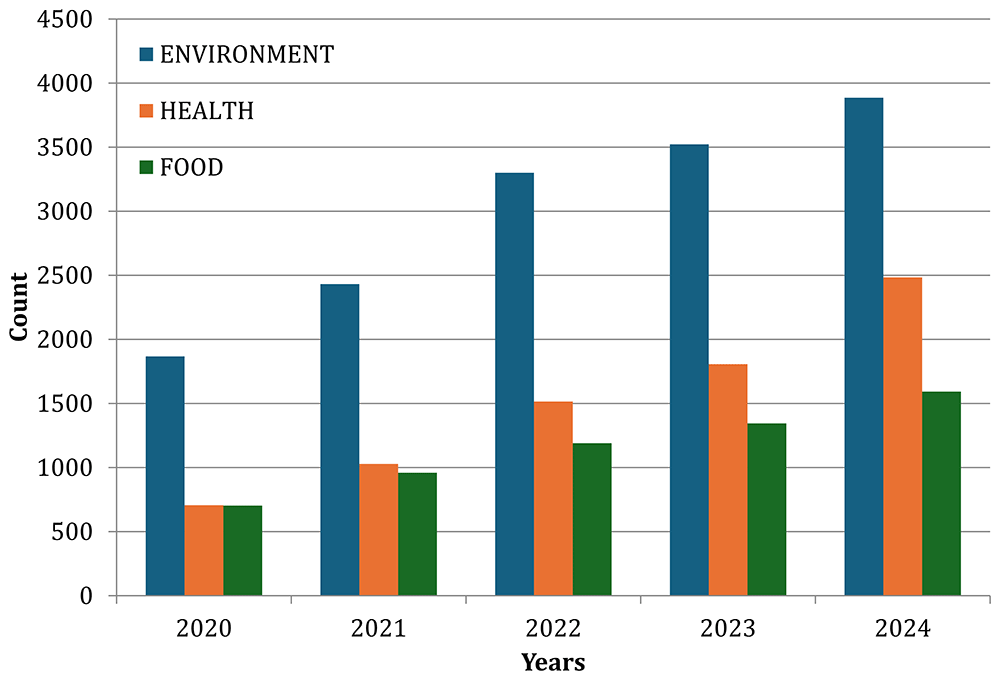
Figure 14. Overview of Research Trends from Initial WoS Screening.
Trends derived from WoS analysis of the 28.341 entries from the screening 1 step. For details on the queries used, refer to the supplementary information.
Figure 15 shows that the primary focus remains on MNPs, although studies focusing on Metals/Metal Oxides are comparatively more abundant. However, this representation may be distorted, as performing the Articles DB assessment it clearly emerged that the majority of articles resulting from the queries for Metals/Metal Oxides focused on different research areas that were not relevant for the One Health approach that was at the heart of our selection criteria.
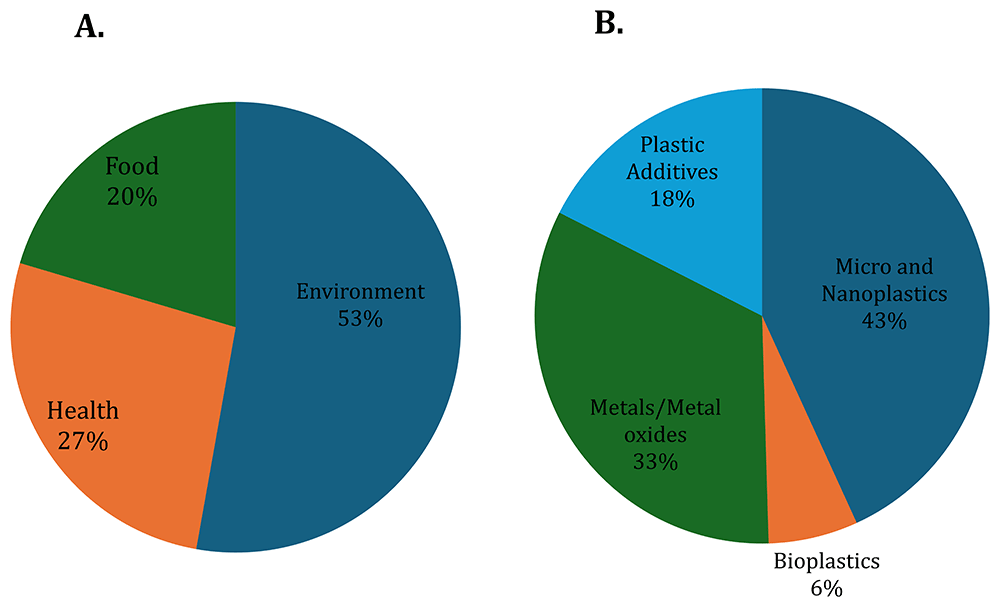
Figure 15. WoS-Derived Trends.
Trends derived from WoS analysis of the 56.021 entries from the screening 1 step. (A) Domains; (B) Selected topics. For details on the queries used, refer to the supplementary information.








