Introduction
Artificial intelligence (AI) has become a transformative force, revolutionizing industries worldwide.1 Since John McCarthy first coined the term “artificial intelligence” in 1959, AI has evolved to encompass a range of interpretations. These include definitions such as “the study of agents”,2 “a system’s ability” to perform tasks typically requiring human intelligence, and the broader conceptualization of AI as the “imitation of human intelligence” frequently found in the literature.
Despite its diverse definitions, artificial intelligence has gained popularity and continues to evolve for use in the industry sector, providing automation, valuable insights from unstructured data, and complex problem solving.3
At the same time, growing evidence suggests that AI not only transforms today’s business and industry but also holds significant promise for advancing sustainability. However, its deployment also entails critical environmental and social trade-offs.3,4 Some scholars believe that AI could address and respond to the emerging sustainability and climate challenges3,5 as well as contribute to the 17 Sustainable Development Goals (SDGs).6–8
For example, AI is used to monitor agricultural fields, manage crops, and automate routine tasks, which can improve food production and reduce waste, thereby contributing to SDG 2 (Zero Hunger)1,9–12 AI can assist healthcare practitioners in managing medical data, enabling accurate diagnoses and efficient treatment plans, while easing staff workload through robotics,13–15 supporting SDG 3 (Good Health and Well-Being). In line with SDG 12 (Responsible Consumption and Production), AI helps minimize carbon emissions and energy consumption across supply chains.16 Similarly, AI can support manufacturing automation and predictive maintenance, boosting efficiency and reducing downtime,17,18 thereby enhancing industrial competitiveness,19 supporting SDG 8 (Decent Work and Economic Growth).
Nevertheless, while AI could offer benefits for sustainability, it also poses negative consequences, particularly on social and environmental goals. For instance, AI training and deployment require substantial energy, potentially leading to increased greenhouse gas emissions.16,20 AI-powered hardware demands significant resources and generates e-waste at the end of its life cycle.5 Additionally, while AI-powered automation boosts the efficiency and productivity of industry sectors, it raises concerns about potential job displacement, particularly in lower-skilled jobs.7,21 In addition, Dauvergne22 suggests that the implementation of AI prioritizes economic interests over environmental concerns.
Various stakeholders, including scholars, private firms like McKinsey & Company, and organizations such as UNEP and ITU-AI for Good have been exploring the impact of AI on sustainability. Nevertheless, the negative social and environmental implications remain relatively underexamined. Given this dual nature of benefits and risks,8 it is essential to critically assess both sides. To address this gap, this study conducted a systematic review of existing literature, to explore the industry sector’s AI deployment, and whether AI deployment by the industry sectors supports or hinders the achievement of SDGs.
Methods
We performed a systematic review utilizing the Preferred Reporting Items for Systematic Reviews and Meta-Analyses (PRISMA) in examining academic literature which focuses on industries and their AI use-cases. PRISMA ensures quality, transparency, and consistency.23 The PRISMA process is divided into (a) identification, (b) screening, (c) eligibility, and (d) inclusion,24 which are outlined as follows (see
Figure 1):
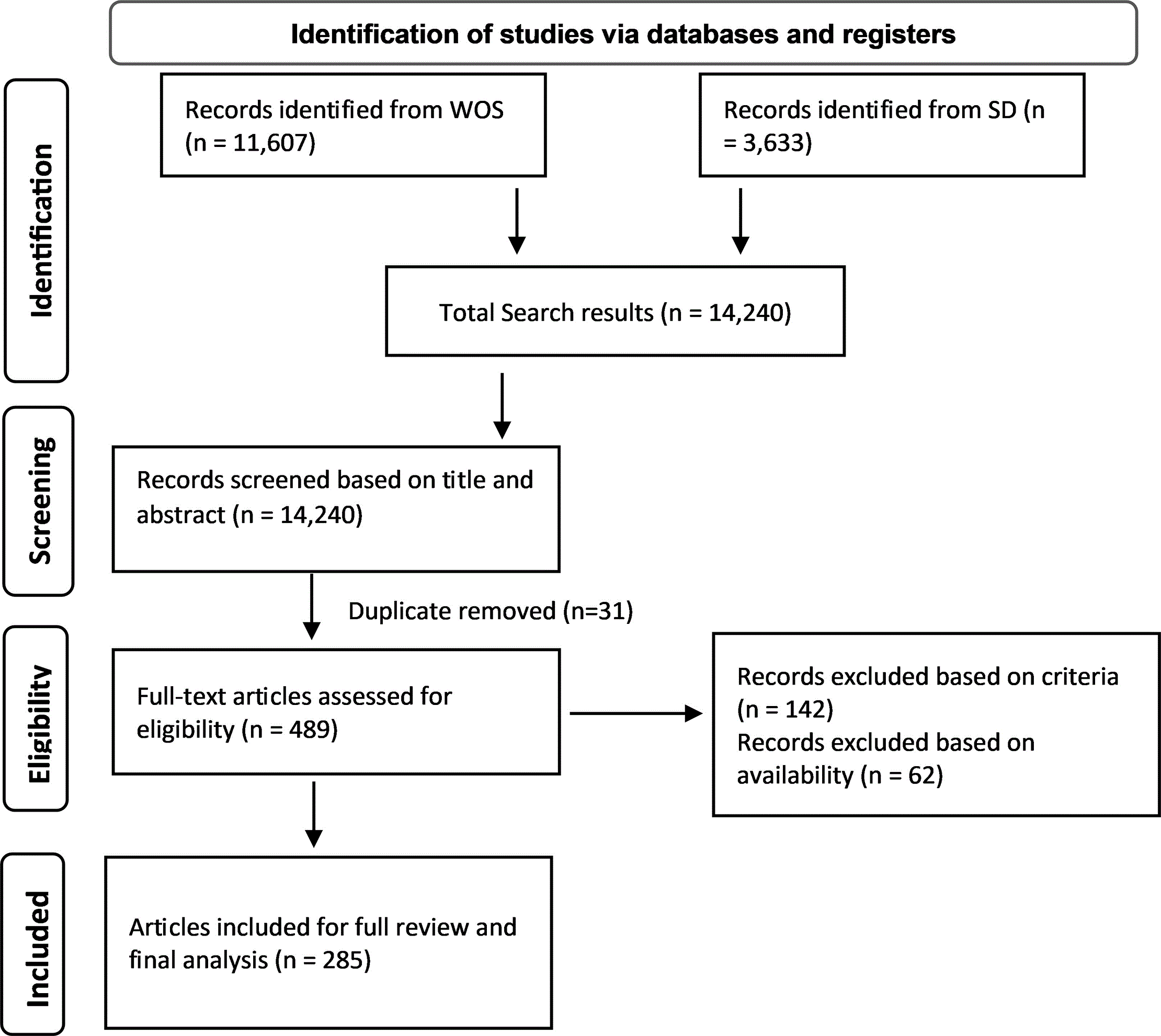
Figure 1. PRISMA Flow Chart (Adapted from 24).
The identification phase
We selected Web of Science (WOS) and ScienceDirect (SD), which are among the largest databases for multidisciplinary research publications as our literature identification platforms. For consistency, we use the same search keywords: (“AI” OR “artificial intelligence”) AND (“industry” OR “private sector” OR “business”) in the titles and abstracts, from the year of 2014–2024, and only included English publications. We used this search string to capture broader academic discussions of AI deployment in industry and private sector contexts. The terms “AI” and “artificial intelligence” were selected as umbrella terms to identify studies addressing AI technologies at a general level.
The search results from WOS, obtained from February and March 2024, yielded 11,607 results. At the same time, SD provided 3,633 results, resulting in 14,240 articles in total.
The screening phase
We manually screened through title, abstract, and keywords of the search result for relevance. Main criteria for inclusion are that the publication focuses on applications and AI use cases across industry sectors. In addition, we excluded duplicate results which narrowed total search results to 489.
Inclusion criteria
1. Academic research articles focused on AI implementation in the industry sectors, or related to industrial activities, such as business management, manufacturing, marketing, etc.
2. The articles are written in English
3. The research was conducted between 2014–2024
Exclusion criteria
1. Academic research articles concerned on AI implementation by the public sector or focused on perceptions of people toward AI.
2. Academic research articles though concerned industry sectors’ AI but focused on the technicality or algorithms of the AI or do not reflect implications of AI.
3. The articles are not written in English
4. The research was not conducted between 2014–2024.
5. The articles were retracted.
The eligibility phase
We manually read 489 article outputs yielded from the screening phase. We use the same inclusion-exclusion criteria to seek the most relevant samples and choose articles that offer relevant information about the uses and effects of AI, beneficial, as well as detrimental. We excluded articles focused on AI algorithms and reflected individuals’ opinions and feelings regarding AI applications in industries, resulting in 285 articles. Refer to the Data Availability section for the complete list of included articles.
To further validate the criteria and ensure consistency, one researcher conducted the screening and eligibility steps described above. The research team then discussed the results to ensure consistent application of the inclusion and exclusion criteria, resolve uncertain cases, and validate the selection of articles.
The inclusion phase
We analyzed the selected samples and documented them in an Excel worksheet, following a structured set of steps outlined below. One researcher carried out the steps mentioned. Subsequently, the research team reviewed the outcomes to ensure consistency, address any ambiguities, and validate the final scoring.
•
Indexing the sample articles: We documented the title, author(s) and full citation of each paper and assigned it an index number to refer to it.
•
AI factor identification: In this research, AI factor refers to specific content from the selected articlesWe extracted three types of AI factors from the selected articles: (a) AI use cases, describing how AI was applied; (b) determinants of AI use, referring to factors that enabled, motivated, or hindered its adoption and implementation; and (c) AI implications, referring to the reported positive or negative effects of AI use (see
Table 1).
Table 1. Text extraction and AI factors examples.
| Text | Types |
AI Factors |
|---|
| “The most pressing societal concern is the potential for unemployment, as machines can replace many jobs, impacting employment standards.” (2) | c | Jobs and Employment |
| “One of the main concerns is the potential for bias in AI algorithms. If AI algorithms are trained on biased data, they may perpetuate and even amplify biases in the HR practices.” (3) | b | Data biased |
| 2.1.2. Energy management AIoT-based manufacturing solutions reduce energy costs through resource and process scheduling .... However, AIoT technology depends entirely on sensors, IoT devices, network connections, and data centers. To link the many connected devices, energy is required to maintain the functioning of the AIoT infrastructure. (6) | a/b | Energy Management/Energy Requirement |
SDGs linkage assessment
We linked each identified AI factor to one or more SDGs based on the authors’ assessment of its relevance to the themes and targets of the goals and its potential to contribute directly to them. The linkage assessment included both direct linkages, where the reviewed articles explicitly referred to specific SDGs, and inferred linkages, where no SDG was explicitly mentioned. In the latter cases, we examined the characteristics of each AI factor, whether it represented a use case, determinant, implication, or expected outcome, and compared these characteristics with the themes and targets of the relevant SDGs. The research team then reviewed the identified linkages to ensure consistency.
Impact scoring
Subsequently, we assessed the impact of each AI factor in relation to the correlated SDG(s). We assigned impact scores based on the content in the reviewed articles, where relevant. We gave positive scores when the reviewed article described the AI factor using positive terminology, such as “improve,” “raise,” “enhance,” or “decrease” in relation to undesirable outcomes. Similarly, we assigned negative scores when the article described risks, harm, reductions in desirable outcomes, or increases in undesirable effects. Based on this interpretation, we assigned numerical scores as follows:
• +3, if the authors inferred the AI factor contributes tremendously positively towards the specific SDG.
• +2, if the authors inferred the AI factor contributes moderately positively towards the specific SDG.
• +1, if authors inferred the AI factor contributes slightly positively towards the specific SDG.
• N/A, if the authors mention the AI factor but does not mention its positive or negative contributions connected to SDGs.
• −1 if the authors inferred the AI factor contributes slightly negatively towards the specific SDG.
• −2 if the authors inferred the AI factor contributes moderately negatively towards the specific SDG.
• −3 if the authors inferred the AI factor contributes tremendously negatively towards the specific SDG.
To further validate these criteria and ensure consistency, one researcher conducted the initial analysis and scoring. The research team subsequently reviewed and discussed the results to ensure consistency, resolve ambiguous cases, and reach consensus on the final scoring.
Industry type recording
We recorded types of industry stated in the selected articles. In cases where the article mentions various industries, we recorded it according to the related AI factors. Similarly, if the article did not specify any industry type, we recorded ‘Not specified”.
Industry group classification
Subsequently, we consolidated and classified the previously recorded industry types into industry activities groups, utilizing the International Standard Industrial Classification of All Economic Activities Revision 5 (ISIC Rev. 5)25 framework and definitions for each industrial activity. If the recorded selected sample does not provide sufficient information to specific industrial activities, we recorded ‘Not specified’.
Implementation status record
We document whether the AI factors: (a) AI used case have been implemented in real-world or not. (b) AI impacts or impacted factors occurred from the implemented AI used cases or not.
Result
Overall trend of AI factors across the industry group
Based on ISIC Rev. 5 definition and classification25 we classified the recorded AI factors into 17 industrial activity groups (see
Figure 2), with an additional “Not Specified” group. Overall, we found that AI has been extensively utilized within the industry sector, through various industrial activities, from generalized to specific ones. We identified over 89% of the recorded AI (2,945 out of 3,281 factors) to be implemented, while 10% could not be specified (N/A). Notably, only one AI factor related to Financial and insurance activities; “Account Management” was explicitly mentioned as “not yet implemented”.
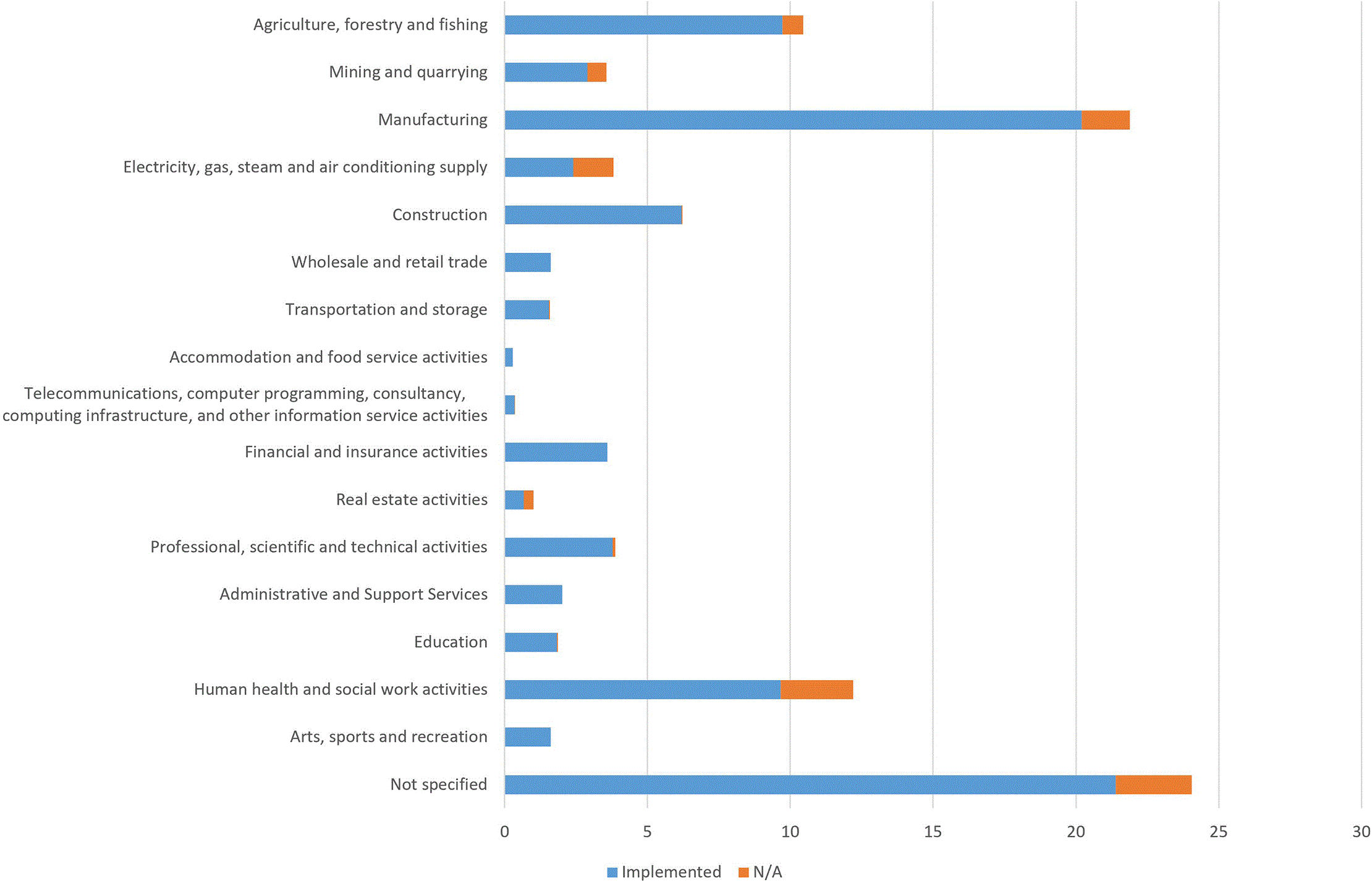
Figure 2. Percentage of AI Factors classified by Industrial Activity Group25 (Source: The Authors).
Among 17 groups, we observed the significant mention rate for Manufacturing at around 21% (718 out of 3,281 factors), Human health and social work activities at around 12% (400 out of 3,281 factors), Agriculture, Forestry and fishing at around 10% (343 out of 3,281 factors), indicating prevalence of AI usage in manufacturing of goods, healthcare, and agriculture. At the same time, this trend suggests significant attention on academic research regarding AI implementation for these industrial activities.
On the other hand, Accommodation and food services activities, Real estate activities and Telecommunications, computer programming, consultancy, computing infrastructure, and other information service activities may be comparatively underrepresented in the reviewed literature as these groups represented approximately less than 1% of the total 3281 factors.
Meanwhile, we recorded over 24% of the “Not Specified” category, capturing articles that did not clearly define the industry or activity type which may suggest generalized usage of AI by the industry sector.
Overall prevalent AI factor across the SDGs
The deployment of AI within the industry sector has a significant impact on achieving industry-specific and economic goals. However, goals related to environmental and climate actions, global partnerships, and social objectives—particularly those focused on equality—received considerably less attention from industry (see
Figure 3).
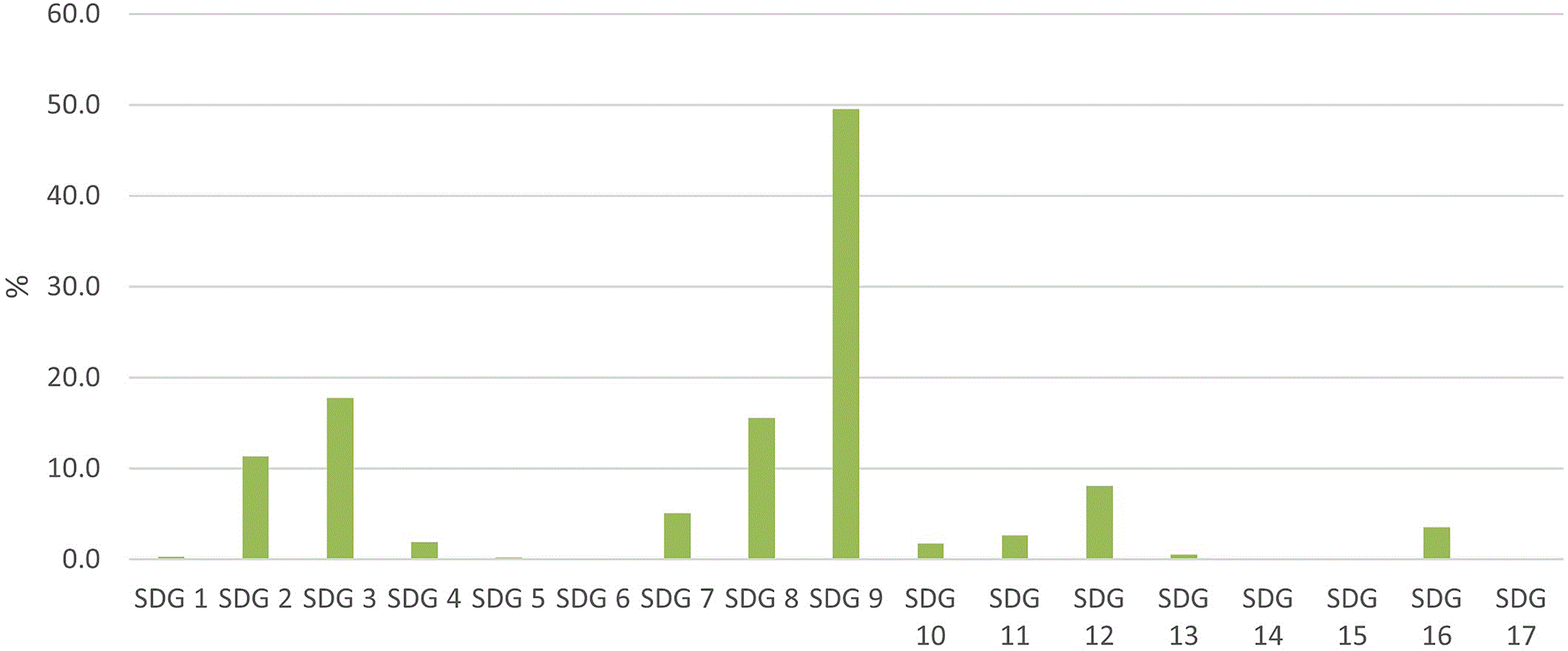
Figure 3. Percentage of AI Factors Recorded per SDGs (Source: The Authors).
To explore the prevalent of AI factors across the SDGs, we examined both the percentage of recorded AI factors (
Figure 3) and the number of reviewed papers associated with each SDG (
Figure 4). SDG 9 (Industry, Innovation, and Infrastructure) is the most prominent SDGs with the highest rate of mention among the 17 SDGs at over 49% out of a total of 3,281 recorded AI factors. This number corresponded with the distribution of papers across SDGs, where SDG 9 also has the highest number of associated papers, with 231 unique papers. This finding suggest that discussions in the reviewed papers are directed toward the industrial deployment and implications of AI.
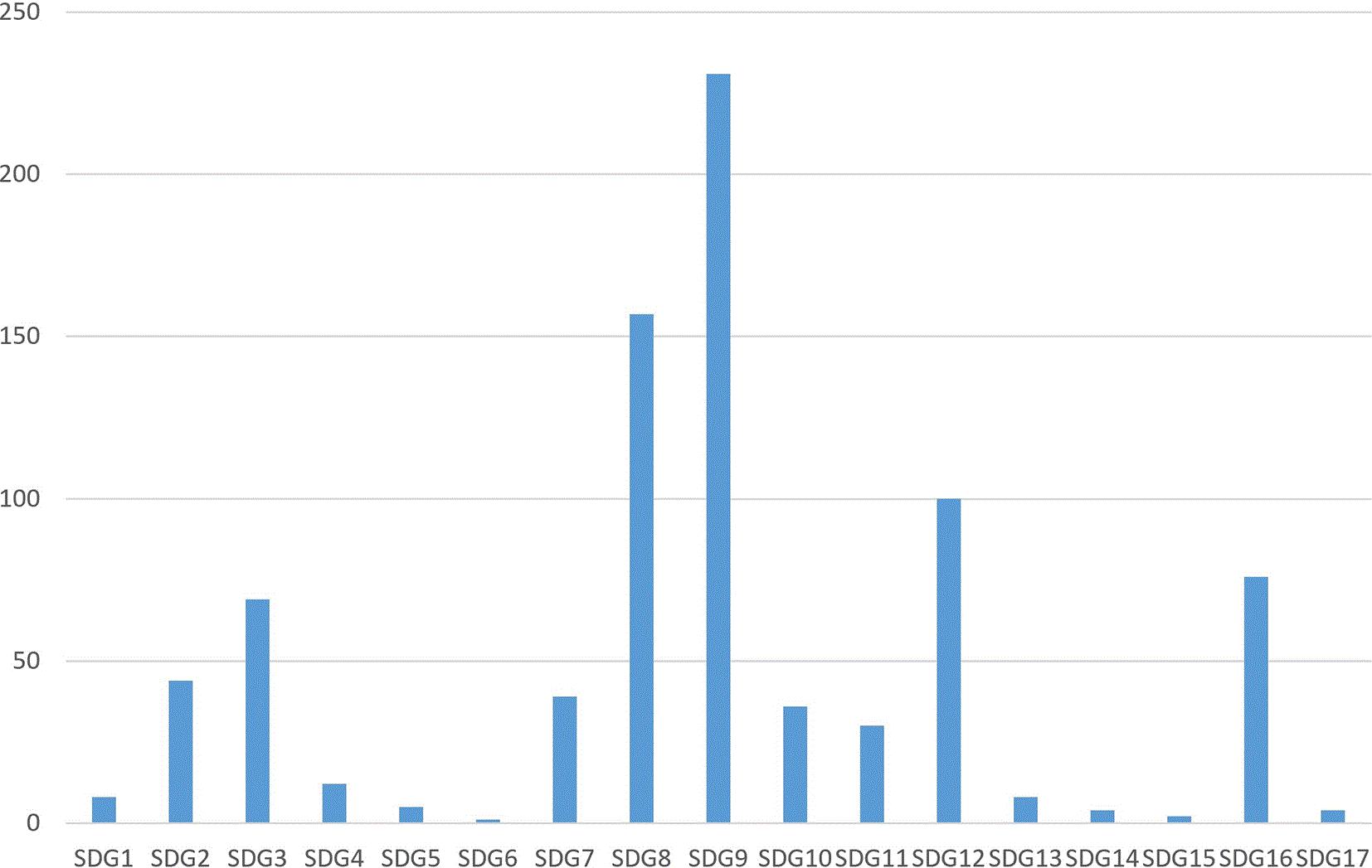
Figure 4. Number of reviewed papers per SDGs (Source: The Authors).
A similar pattern can be observed for SDG 8 (Decent Work and Economic Growth),
which accounts for nearly 16% of AI-factor records and associated in 157 papers. This indicates that economic related dimensions of industrial AI are both frequently discussed and represented in the AI-factor dataset highlighting the economic focus of AI applications. SDG 12 (Responsible Consumption and Production) is also widely represented in the literature, appearing in 100 papers; however, it accounts for only around 8% of AI-factor records.
In contrast, SDG 3 (Good Health and Well-Being) accounts for approximately 18% of AI-factor records but is presented in 69 papers. Therefore, the prevalence of AI factors under SDG 3 appears to reflect the significance of AI in healthcare, though the number of literatures is lower.
This comparison also helps clarify the interpretation of SDGs with low AI-factor percentages. For example, SDG 13 (Climate Action) accounts for less than 1% of recorded AI factors and is represented in only 8 papers.
This suggests that its low prevalence in the AI-factor data is linked not only to fewer AI-factor records but also to limited representation in the reviewed literature. Therefore, the findings should be interpreted as evidence of limited academic attention to industrial AI in relation to climate action, rather than as a direct measure of AI’s actual impact on climate-related outcomes.
Overall, comparing AI factor percentages with paper counts shows that the distribution of AI factors across the SDGs is shaped by both the frequency with which each SDG appears in the literature and the concentration of AI-factor records within those papers. This strengthens the interpretation by distinguishing between SDGs that are broadly represented in the literature and those where AI-related impacts are more densely recorded. That AI deployment by the industry sector may have a limited impact on these SDGs.
AI factors average impact across SDGs
The analysis revealed varying levels of impact of AI across the SDGs. We observed that AI exhibits a predominantly positive impact on most SDGs. At the same time, it is notable how AI possesses a negative impact on 2 SDGs which concern equality (see
Figure 5).
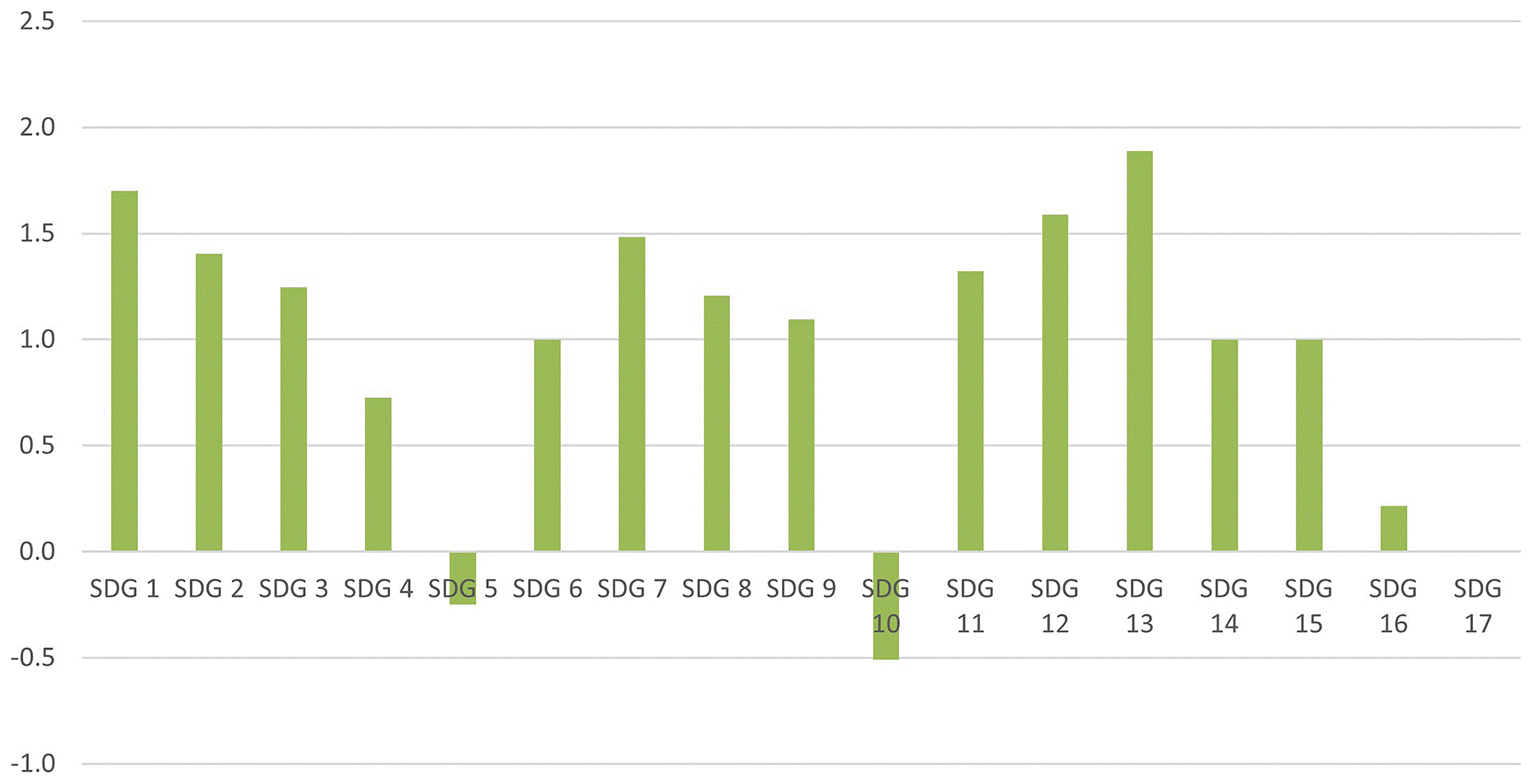
Figure 5. Average Impact of AI Factors on Each SDG (Source: The Authors).
Among the 17 goals, SDG 13 (Climate Action) had the leading positive average score of 1.9, while SDG 1 (No Poverty) followed closely with a 1.7 impact score. This trend reflects AI’s promise in advancing those goals. Nonetheless, it is crucial to note that AI factors correlated to these SDGs accounted for less than 1% (see
Figure 3), indicating that the industry’s AI efforts may be less focused on these goals. As a result, the potential impacts, especially the negative impacts of AI in these areas remain underexplored, despite their likely positive contributions.
Seven SDGs presented a moderate positive impact score of around 1–1.5. These included SDG 12 (Responsible Consumption and Production), SDG 7 (Affordable and Clean Energy), SDG 2 (Zero Hunger), SDG 11 (Sustainable Cities and Communities), SDG 3 (Good Health and Well-being), SDG 8 (Decent Work and Economic Growth, and SDG 9 (Industry, Innovation, and Infrastructure). Although these SDGs may exhibit relatively modest positive impact scores, they had considerable mentions rate, especially SDG 9 with over 49% of mention rate, suggesting greater attention from the industry toward innovation-industry related goals.
A slightly positive impact score was recorded for SDG 6 (Clean Water and Sanitation), SDG 14 (Life Below Water), SDG 15 (Life on Land) with the impact score of 1.0. SDG 4 (Quality Education) has an impact score of just 0.7. SDG 16 (Peace, Justice, and Strong Institutions) with 0.2 and SDG 17 (Partnerships for the Goals) with neutral impact at 0 score.
In comparison to the majority of the SDGs, SDG 5 (Gender Equality) and SDG 10 (Reduced Inequalities) exhibit negative impact scores of −0.3 and − 0.5, respectively. Meanwhile, the percentage of AI factors recorded under these SDGs are at 0.2% and 1.8%. This outcome indicates that while AI deployed by industry may post issues on equality, other impacts are potentially underexplored due to less attention from the industry sector.
Positive and negative AI factors across the SDGs and industry groups
Overall, 78% of AI factors (2,202 out of 3,281) possess positive impact while 10% (327 out of 3,281) implied negative impacts toward the SDGs. At the same time, 22% of identified AI factors (752 out of 3,281) were recorded as N/A, suggesting potential underexplored impacts. Thus, this section will primarily focus on analyzing the percentage of positive and negative AI implications on the SDGs (see
Figure 6), which could be observed as follows:
•
SDG 1 (No Poverty): AI factors correlated to SDG 1 all possessed positive impact on the SDG, by increasing inclusivity and accessibility to various resources and services, ranging from food, health care, finance, and transportation.
•
SDG 2 (Zero Hunger): AI deployment can increase yields quantity and quality, addressing food security challenges by supporting Agriculture activities (e.g., crop and irrigation monitoring, pest control) and aiding farmers’ decision-making. AI also can improve the efficiency of food production processes, while ensuring food quality and safety. On the other hand, AI has high implementation costs, which may result in higher product prices. AI technologies themselves also can be vulnerable to disruption and failure resulting in inaccuracy and cyber security risks. At the same time, implementation of AI requires skills and an adequate amount of data; deficiencies in these factors can hinder the outcome of AI.
•
SDG 3 Good Health and Well Being: AI enhances healthcare service quality and efficiency. For instance, AI powered image recognition can provide early disease detection. AI also ensures accurate diagnosis, leading to better treatment plans and outcomes. AI powered Telemedicine expands access to healthcare, especially for remote patients. Additionally, AI streamlines administrative and clinical workflows, reducing burdens on healthcare professionals. At the same time, AI supports the pharmaceutical sector by accelerating drug development—from design to clinical trials—while improving precision and efficiency throughout the process. Despite its benefits, AI posts the concern of overreliance on AI technologies, which may lead to deskilling of the professionals. At the same time AI replacing human healthcare staff, reducing human interactions, may lead to ‘dehumanizing’ feelings, especially in elderly patients. In addition, AI’s Blackbox nature, data quality issues, and algorithmic biases can result in miss diagnosis across different racial groups and potentially discrimination in care.
•
SDG 4 (Quality Education): AI could support educators in developing materials and automating tasks, mitigating unnecessary workloads. At the same time, AI promotes personalized learning which improves effectiveness of learning process. AI also enables remote learning andimproving access to education. However, AI technologies require reliable access to digital devices and the internet, which may not be available universally, especially those with lower income. This limitation may widen the digital divide and, worsen educational equity issues. Moreover, overreliance on AI tools like ChatGPT may hinder students’ skills developments.
•
SDG 5 (Gender Equality): On the positive side, AI could promote financial inclusiveness and knowledge accessibility for women, for example, women farmer. However, it may imply potential gender disparities in AI related projects or jobs and gender discrimination from potential bias in AI algorithms.
•
SDG 6 (Clean Water and Sanitation): We recorded only 1 AI factor in Aquaculture with ‘Automatic Feeding’ which has a positive impact by reducing water pollution.
•
SDG 7 (Affordable and Clean Energy): AI could enhance energy efficiency by enabling smart grids technology. It also supports production of renewable energy, including wind and nuclear power energy. At the same time, AI supports the Oil and Gas industry, enhancing efficiency, productivity, and reliability of production. Nevertheless, lack of quality data to train AI and lack of transparency i.e., “Black box” nature of AI could result in inaccuracy in the operation.
•
SDG 8 (Decent Work and Economic Growth): AI significantly benefits the SDG by increasing productivity and occupational safety through automation of repetitive, labor intensive, and high-risk tasks. Increasing implementation of AI results in increasing need of AI experts, leading to AI related job creation, expanding job opportunities. However, this also means the replacement of humans by machines, resulting in job displacement across the industry sector.
•
SDG 9 (Industry, Innovation, and Infrastructure): AI enhances industrial performance by increasing efficiency, reducing errors, and lowering operational costs. Applications such as predictive maintenance, supply chain optimization, error detection, and industry-specific automation streamline processes and drive innovation. However, AI can negatively impact the industry with its potential bias and inaccuracy due to scarcity of quality data or biases in data itself. Moreover, AI could lead to the issue of data privacy and security, and vulnerability to cyber-attacks, leading to potential unreliability throughout the industry’s operation.
•
SDG 10 (Reduced Inequalities): While AI has the potential to improve inclusivity, it equally risks worsening existing inequalities. AI is costly to implement, potentially causing digital divide, limiting access for those with low-income. One selected article highlights power imbalance due to AI affordability between high- and low-income countries. In addition, AI is vulnerable to biases, from data it is trained on, as well as its ‘black box’ nature. These factors could lead to discriminatory outcomes, ultimately undermining the objectives of SDG 10.
•
SDG 11 (Sustainable Cities and Communities): AI enables smart city technologies, promoting energy efficient buildings and city infrastructures, and sustainable construction processes, which are deemed to consume less energy and generate less waste. AI can also reduce road accidents caused by human error through Intelligent Transport Systems and autonomous vehicles. Nevertheless, failure in the AI system could lead to the opposite result. In addition, AI powered smart infrastructure requires significant amounts of energy to operate, which could result in excessive energy consumption.
•
SDG 12 (Responsible Consumption and Production): AI technology promotes efficient resource management and consumption while reducing waste and carbon emissions. Nevertheless, AI consumes significant amounts of energy implement, especially in large scale deployments, which results in substantial energy consumption. In addition, AI implementation requires hardware, which its production may negatively impact the environment and generate e-waste at the end of its cycle.
•
SDG 13 (Climate Action): AI enables early disaster warning systems, and supports disaster response and recovery, enhancing climate change mitigation. It also powers ‘Climate-Smart Agriculture’ for climate resilience agriculture activities. At the same time, AI can improve women farmer’s, access to climate change information. In addition, AI implementation could reduce waste and carbon intensity in response to SDG 13’s goal.
•
SDG 14 (Life Below Water): In general, AI can support waste management, reducing ocean plastic pollution. The oil and gas sector utilizes AI to detect seeps and leaks in oil drilling and pipeline systems, preventing oil pollution leaks to the oceans. At the same time, in Aquaculture, AI is utilized to detect and improve water quality while reducing water pollution.
•
SDG 15 (Life on Land): We identified only 1 AI use case, utilized to create ‘Forest Digital Twin’ supporting forests and terrestrial ecosystem protection approach of SDG 15.
•
SDG 16 (Peace, Justice, and Strong Institutions): AI is utilized for fraud and money laundering detection. AI could also be used to strengthen cyber security. Nevertheless, as AI requires data to operate, it can post a significant threat on data privacy and security risks. Additionally, the misuse of AI technologies could lead to cybercrime, threatening both the industry sector and general society.
•
SDG 17 (Partnerships for the Goals): AI is believed to enable Collaborations among individuals, businesses, and governments. However, it could create power imbalances between high- and low-incomes nations as the high costs associated with AI technologies can limit accessibility for countries and communities with fewer financial resources.
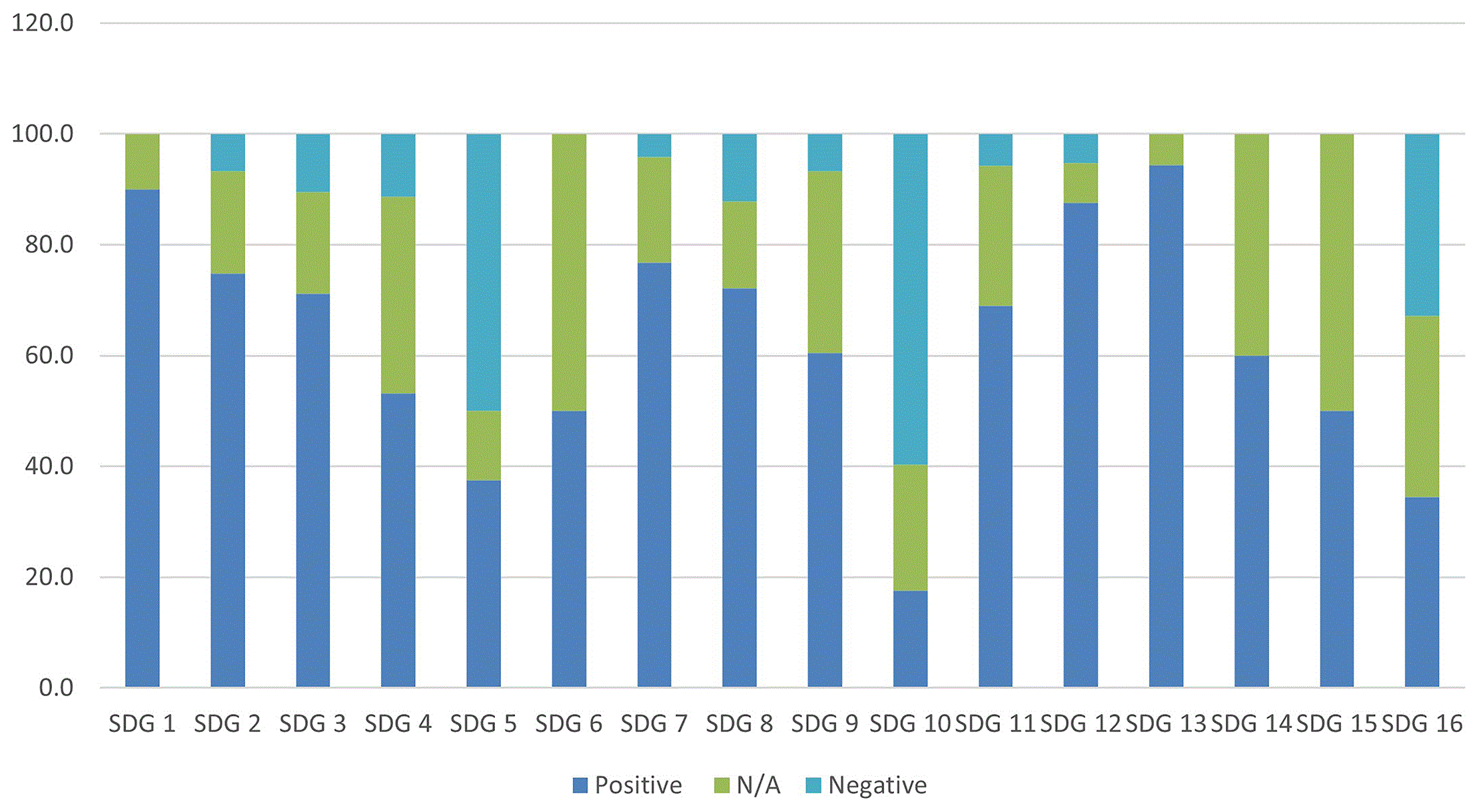
Figure 6. Percentage of AI Factors Posting Positive, N/A and Negative Impact by SDGs (Source: The Authors).
Average AI impact on the SDGs by industrial activity groups
We identified both positive and negative impact scores, distributed across all industrial activity groups. Notably, when looking at each activities group (see
Figure 7) we observed the predominantly positive impact of AI from each industrial activities group with over 60% of impact recorded.
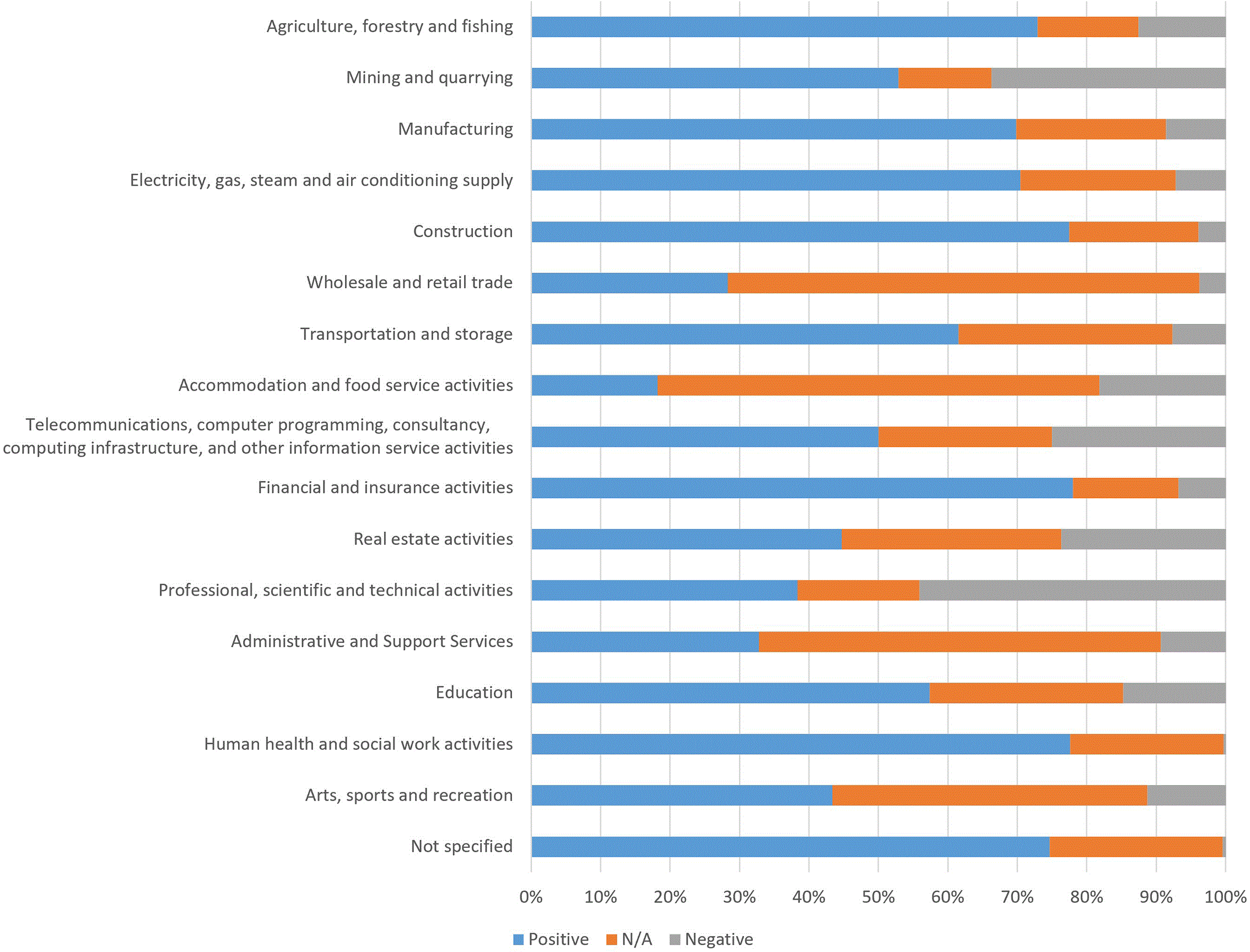
Figure 7. Percentage of AI Factors Posting Positive, N/A and Negative Impact by Industrial Activity Group (UNSD, 2024) (Source: The Authors).
Although six industry activities groups: Accommodation and food service activities, Administrative and Support Services, Arts, sports and recreation, Professional, scientific and technical activities,
and Wholesale and retail trade reported less than 50% of positive AI impacts, they showed relatively low levels of negative impact, typically only around or below 20%. The rest of the identified AI’s impact fell under N/A. This trend suggests possible advantages of AI being deployed through those industrial activities. Nevertheless, the prevalence of N/A impacts across all groups indicate areas where the implication of AI remains insufficiently explored.
Notably, activities groups like Professional, scientific and technical activities, Real estate activities, Telecommunications, computer programming, consultancy, computing infrastructure, and other information service activities illustrated more than 20% of negative impact, suggesting possible detrimental effect of AI. However, they are among lower mentioned rate activities groups with less than 5% mention rates (see
Figure 2), which may indicate that their impacts are underexamineddue to the lower representation of AI utilization in these sectors in the reviewed literature. Conjuncts with 17 SDGs (see
Figure 8), AI usage by the industry sector has diverse implications for a wide range of SDGs. Across 17 groups, we observed impacts of “Not specified” activities group on over 11 SDGs highlighting AI’s broad implications on the SDGs. Similarly, Agriculture, forestry and fishing,
and Manufacturing also display significant impacts on over 8 SDGs, suggesting that AI utilization for these industrial activities have a wide range of impacts. In addition, both activities groups have overall positive impacts.
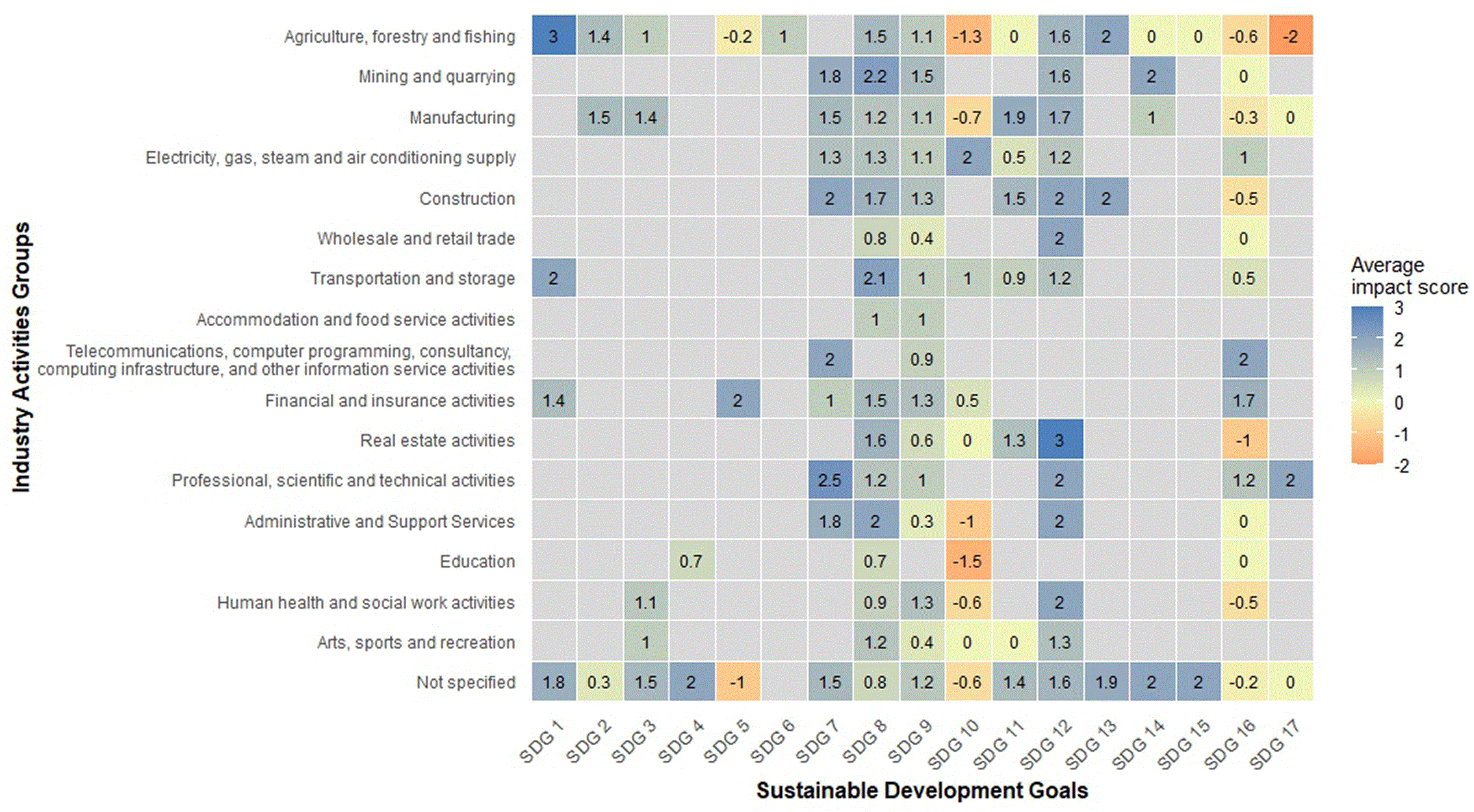
Figure 8. Average Impact Score on the SDGs by Industrial Activity Group (Source: The Authors).
However, negative impacts also presented on SDG 5, SDG 10, SDG 16,
and SDG 17, suggesting potential of AI but also revealing possible risks in achieving those goals. Notably, “Agriculture, forestry and fishing” is the only activities group that pose negative impact on all mention SDGs, suggesting that while AI usage is for this activities group may have diverse benefits it also has more variety of negative outcomes.
In contrast, Accommodation and food service activities,
and Education activities group groups each demonstrate impacts on only two SDGs, with an average impact score of 1 per SDG. Both activities groups showed an impact on SDG 8. Additionally, Accommodation and food service activities presented an impact on SDG 9, while Education showed an impact on SDG 4. These findings suggest that though utilizing AI through this industry may pose less impact on the overall SDGs, AI still holds potential for advancing economic development and innovation, while also delivering benefits in the education sector.
In addition, we observed a relationship between industry activities with SDGs. For instance, Agriculture, forestry and fishing reflected a positive impact on SDG 2 (Zero Hunger). Similarly, AI usage in Human health and social work activities demonstrated positive impact on SDG 3 (Good Health and Wellbeing) with an average impact score of approximately 1. AI powered Education activities also pose positive impact on SDG 4 (Quality Education).
Overall, AI’s influence on SDG 8, SDG 9, and SDG 12 were predominantly demonstrated across most industries, with positive average scores indicating AI’s significant potential in advancing economic and innovation goals, as well as the environmental goal. However, we also observed negative impact, often related to SDG 5, SDG 10 and SDG 16, suggesting AI may reinforce inequalities and data-cybercrime.
Discussion
This study examines how AI deployment across industrial sectors and its relationship with the SDGs are discussed in academic literature. Across 285 articles, we identified 3,281 AI- factors, which include; AI applications, its determinants, and its impacts associated with industrial activities and SDG outcomes. These factors span 17 industrial activity groups, with frequent mentions on manufacturing, healthcare, and agriculture. However, a significant number of identified AI factors were categorized as “Not specified,” suggesting that many academic studies discuss AI through generalized use cases across various sectors, rather than specific industrial applications.
Our findings show that AI deployment across industry sectors can both support and hinder the achievement of the SDGs. The identified AI factors are strongly associated with industrial and economic objectives. AI applications were frequently linked to benefits such as improved efficiency, productivity, reliability, and cost reduction. The literature also reported sector-specific benefits such as diagnostic accuracy in healthcare, pest and disease control in agriculture, and fraud detection in banking and insurance.
This finding is further reflected in the prominence of positive impacts associated with SDGs 8 and 9, suggesting that AI and SDG positive linkages are more prominent where the SDG outcomes align with core industrial priorities and measurable operational gains. In terms of environmental benefits, while positive impacts could be identified for SDG 12, other environmental goals have limited mentions. This finding could suggest that there is stronger evidence for AI’s benefits on industrial and economic related SDGs than environmental SDGs. At the same time, there is a possible gap in the discussion of broader environmental implications.
Our findings also reveal that AI’s relationship with the SDGs is multidimensional and sometimes contradictory. Supporting previous studies, AI deployment has both positive and negative implications simultaneously. At the same time, it is affecting multiple SDGs both directly and indirectly. For example, AI may support SDG 8 by improving workplace safety, reducing workloads, and creating new job opportunities, but it may also contribute to job displacement. Similarly, AI may support SDG 12 by reducing waste, pollution, and resource inefficiencies, but also generating e-waste and increasing energy consumption and carbon emissions.
We observed recurring risks which align with current debates around AI, including bias and discrimination, cybersecurity threats, and data privacy concerns. These risks extend across SDGs. For instance, data privacy and security issues may affect industrial reliability under SDG 9, while also raising concerns for SDG 16 through their implications for institutional trust, accountability, and justice.
We also can observe this through uneven coverage across SDGs and industrial activity groups. Our AI and SDG relationships linked to industrial productivity, innovation, healthcare, and agriculture are more visible in the reviewed literature, as they are supported by a larger number of AI-factor records and articles. In contrast, several industrial activity groups account for less than 1% of total AI-factor mentions, while SDGs related to equality, justice, and broader environmental sustainability appear comparatively underexplored.
We may interpret this outcome as AI has limited relevance for these SDGs. However, our study is based on academic literature. Thus, this finding could just be an indication of areas where academic discussions remain underexplored. Moreover, although AI applications in agriculture, health, energy, and education can be linked to SDGs 2, 3, 7, and 4, many studies do not explicitly frame these applications in relation to SDG achievement. This suggests how several AI and SDG relationships are indirect, implicit, or dependent on interpretation.
We recorded approximately 24% of the identified AI factors as N/A, indicating unidentified or unmentioned impacts. This suggests a gap in how AI impacts are reported and measured in the literature. In addition, we interpreted the impact scores alongside mention rates, since a positive or negative score for a given SDG may be based on a relatively small number of associated AI factors. Therefore, the results should be understood as patterns in reported academic literature rather than definitive evidence of the real-world prevalence or magnitude of AI impacts.
Overall, the findings align with previous studies suggesting that AI holds promise for advancing the SDGs,3–8 while also showing that its contribution is uneven, context-dependent, and comes with significant risks. The study highlights persistent gaps in literature, particularly regarding less visible SDGs, indirect impacts, data availability, privacy, bias, and the governance conditions required for AI to support sustainable development. Addressing these gaps requires stronger coordination between public and private actors and greater attention to balancing industrial gains with broader SDG objectives.
Limitations
This study has multiple limitations. Firstly, we primarily reflect academic perspective on AI deployment by industry sectors through industrial activities grouping, which may not be able to represent the whole structure of the industry sector, reflected as additional grouping “Not specified”. At the same time, we mainly relied on qualitative data from text narrative in correlating AI factors to each SDGs and assessed impact score, which may create inconsistencies and lack of empirical data.
Secondly, because the study focused exclusively on academic literature, the findings are the prevalence and impacts of AI, presented in the literature, which may not be the most accurate representation of actual prevalence and impacts happening in the real-world situation. For example, AI factors grouped under some industrial actities, such as, Telecommunications, computer programming, consultancy, computing infrastructure, and other information service activities, is only 1%, which opposed the real-world scenario where AI is being utilized and even developed through these industries. Because the impact scoring is based on the contents reported in the reviewed literature, any tendency in the literature to emphasize positive outcomes or under-report negative impacts may also be reflected in the distribution of impact scores.
In addition, we keep the AI factors extracted from the reviewed literature and do not merge across papers into thematic categories. As a result, some factors may overlap conceptually. Merging similar factors may alter descriptive statistics. Therefore, the frequency of AI factors should be interpreted as the frequency of recorded factors in the reviewed literature.
Thirdly, our analysis treated SDGs as singular entities, which limits the granularity of insights. Future research using empirical, real-world industry data while assessing the SDGs at indicator level would provide a more comprehensive and balanced understanding of AI’s true impacts on SDGs. Lastly We acknowledged potential biases in this study. Our selection criteria are limited to English-only publications, which may create language bias. At the same time, we exclusively use and select our study sample from WOS and ScienceDirect databases, which may have excluded relevant studies from other relevant databases, such as IEEE Xplore and Google Scholar. Moreover, the broad search strategy may have missed studies using more specific AI-related terms. Although the broad keywords search was intended to capture AI deployment across industries, studies using only technology- or sector-specific terms may have been missed; therefore, the search cannot be considered fully exhaustive. Additionally, the single-researcher screening process introduces potential selection bias, despite subsequent discussion and validation by the research team.