Introduction
The rapid growth of world population, coupled with ongoing technological advancements, has led to a continuous increase of energy demand. Meeting this increasing demand while simultaneously addressing climate change represents the core challenges of our time. Fossil fuels remain the dominant source of energy in many regions around the world, while also being the primary contributors to environmental pollution and greenhouse gas emissions.
In response to this issue, the research community has put an accent to development and deployment of clean and sustainable energy alternatives. With that, the usage of the Renewable Energy Sources (RES), especially wind and solar energy, are constantly increasing and projected to be increased in the near future (Figure 1). This trend is mostly driven by the stagnation and expected decline of fossil fuel-based electricity generation1.
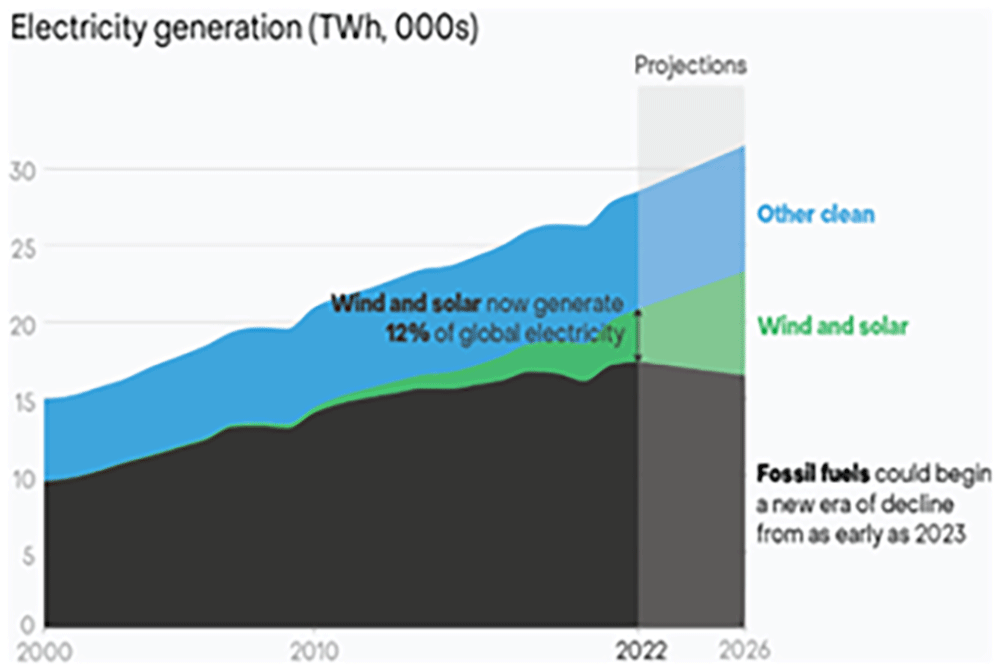
Figure 1. Electricity production by energy sources1.
Researchers are constantly exploring innovative strategies to enhance the utilization of RES. Along this direction, the implementation of RES offshore has been a subject of interest in the past decade. Offshore environments offer favourable conditions, such as high wind speeds and unobstructed solar exposure, which leads to increased energy yields compared to onshore installations. Additionally, offshore deployment reduces competition for valuable agricultural and residential land. But, despite these advantages, offshore RES present technical and logistical challenges, particularly concerning stability and maintenance in harsh marine environments2.
The successful implementation of floating offshore wind turbines (FOWT) and floating offshore photovoltaic systems (FOPVS) in various parts of the world demonstrates the viability of these technologies. However, the integration of combined FOWT and FOPVS is still in its experimental and developmental stage. Continued research and pilot projects are essential for overcoming the technical complexities and understanding the full potential of integrated offshore RES.
In this paper, a case study is presented on the implementation of a combined 50 MW FOWT and a 20 MW FOPV system near the coast of Gökçeada Island in Türkiye. The study explores the feasibility of deploying such a hybrid system and evaluates three different scenarios for managing surplus energy, supported by a Levelized Cost of Electricity (LCOE) analysis.
Hybrid floating offshore wind and PV systems
Energy generation is still mainly driven by fossil fuel-based power plants, while the integration of RES on a global level is still under 30%3. However, as the world’s awareness of climate change grows, this percentage continuously increases and is projected to increase significantly by implementing floating offshore systems. The literature offers various research on the advantages and challenges associated with FOWT and FOPV systems. In 4, the techno-economic analysis of implementing a FOPV farm to an existing Dutch FOWF is performed. The analysis shows that it is feasible to implement a PV plant along the wind farm, with a defined installed capacity, and that the profitability of such a project depends on the marginal power delivered to the grid by floating PV and the costs of the solar system. Another analysis of combined floating offshore wind and PV systems is presented in 5. The paper presents a topology of a combined FOWT and FOPV system, by arranging the PV modules between the wind turbines to obtain the maximum power generation.
By far, the only known advantages and challenges of implementing such systems into the standard power system are from hypothetical projects’ analysis or small pilot projects6. The real advantages and challenges will arise once such systems are deployed. One of the known advantages of the FOWT and FOPVS is the production of significantly more clean energy using RES per surface area than the offshore hybrid wind and PV systems. This is due to the open area and exposure to high winds and sun irradiation. These systems offer stability too, by reducing the intra-annual variability of the energy output since the wind and sun energy complement each other6. Additionally, the deployment of combined FOWT and FOPVS offers many benefits for a country’s economy and energy sector.
However, some challenges associated with these floating power plants are still being addressed, including the physical, biological, and human environment7,8. Physical environment refers to water column salinity, wave and current patterns, seabed characteristics, and bathymetry. Biological challenges include habitat disruption on the marine life, noise and vibration from plant operations, and impacts on ecology and conservation efforts. Finally, human environment obstacles include navigation routes, archaeological sites, and the visual impact on landscapes and seascapes. Another issues include the safety management for workers during hazardous offshore conditions, port logistics for maintenance of the floating power plants during the exploitation period and the electromagnetic field's effects on marine life9,10.
The Levelized Cost of Electricity (LCOE) analysis show that the offshore power plants sill struggle with high investment and operational costs compared to the offshore power plants11,12, as well as costs for connecting to the utility grid13.
A case study for a combination of floating offshore wind and PV
This paper presents a case study of deploying a combination of floating offshore wind and PV system near Gökçeada Island, the largest island in Türkiye, with a population of 10,377 habitants, and an electricity demand of 25 GWh/year in 202114. The island is located in the Northern Aegean (Figure 2) and is open to northwestern and southeastern winds15.
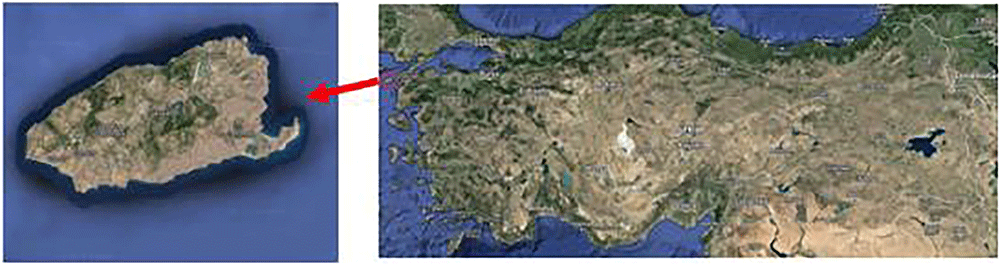
Figure 2. Location of the analyzed case study (Google Maps, 2024).
The island is mainly touristic and because the power supply is through a single transmission line16, the island experiences frequent blackouts due to overload14. This issue arises the need for finding an alternative of power supply. The Gökçeada Island has as small-scale wind and solar power projects implemented. However, the energy generation from the RES is not enough to satisfy the island’s energy demand, especially throughout the touristic season, and main source of electricity remains the mainland grid. Eskin et al. (2008) utilized real time data and showed that Gökçeada Island has a potential for offshore wind14. Furthermore, Argin et al. (2019) also presents the potential to host 74 turbines with a maximum generation of 222 MW at Gökçeada coast17.
This paper investigates the deployment of 50 MW installed capacity of FOWT along with 20 MW installed capacity of FOPV system on the specified location (40.155314°, 26.026611°). The system is less than 3 km from the shore and the sea depth is lower than 45m, which means that the system is not considered a large-scale system18. Therefore, an onshore substation is considered for connecting the floating power plant to the utility grid. The sea depth on the proposed site is around 10 m (Figure 3).
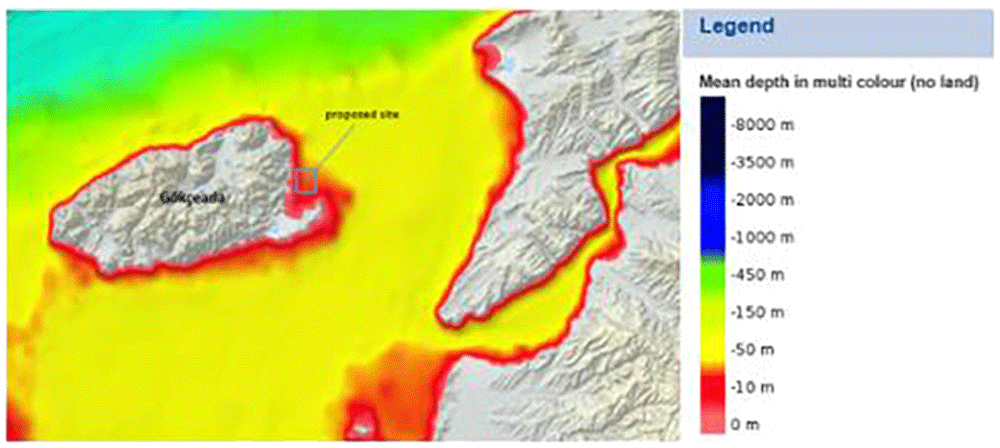
Figure 3. Bathymetry map of the proposed site18.
Furthermore, wind speed is an important factor for offshore wind energy systems. Therefore, average wind speed at 150 m height data are obtained and utilized for the feasibility analysis19. Figure 4 shows that the average wind speed at the proposed site is around 8.81 m/s at 150 m height.
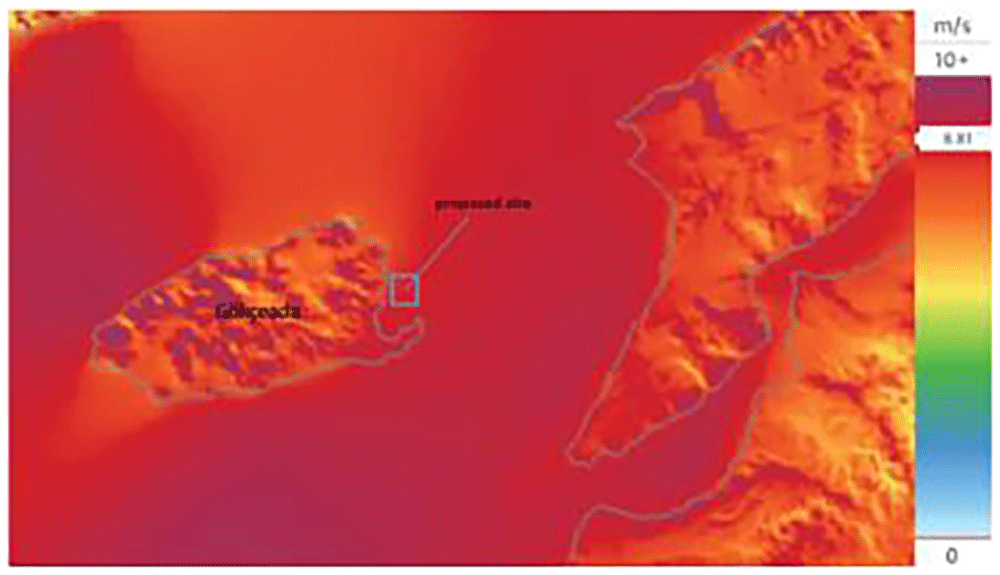
Figure 4. Average wind speed map for 150 m height19.
Moreover, marine vessel route and bird migration route densities are other factors to impact the feasibility of hybrid offshore wind and solar power plants. This study utilized open-source databases for the marine vessel route and bird migration densities20,21. Figure 5 shows that near to 0 routes per square km per year for vessel traffic at the proposed site while only during autumn season there is a bird migration route on Gökçeada. However, that route does not intersect with the proposed site, as shown in Figure 6. Finally, touristic areas such as beaches and historical places can negatively impact the deployment of offshore wind and solar power plants. The analysis presented in Figure 7 shows that the proposed site is not in the close proximity of the touristic regions.
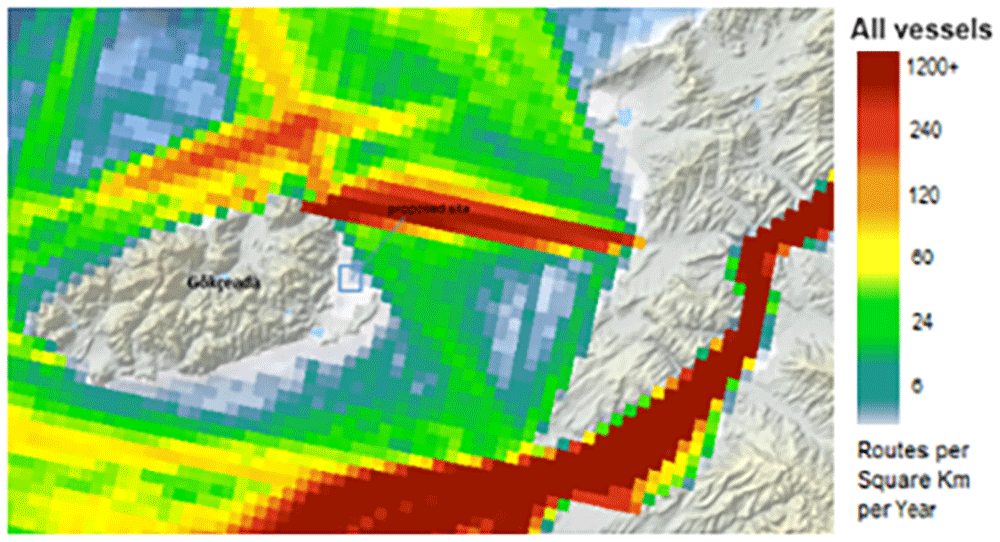
Figure 5. Route densities map of the proposed site20.
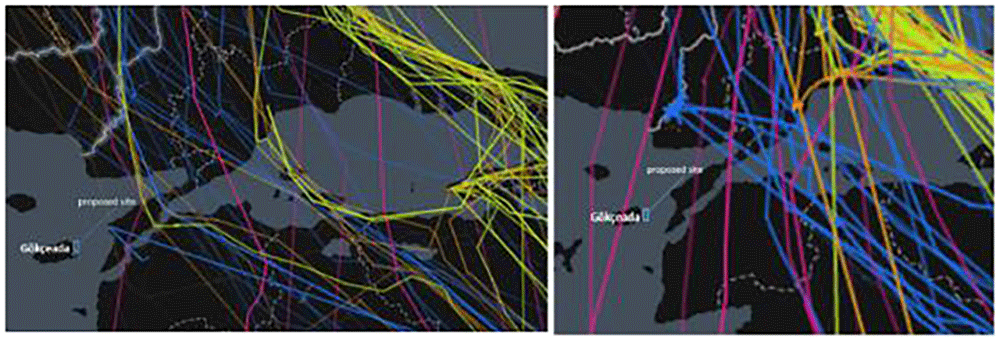
Figure 6. Bird migration routes on the North Western part of Türkiye21.
((a) Spring migration; b) Autumn migration).
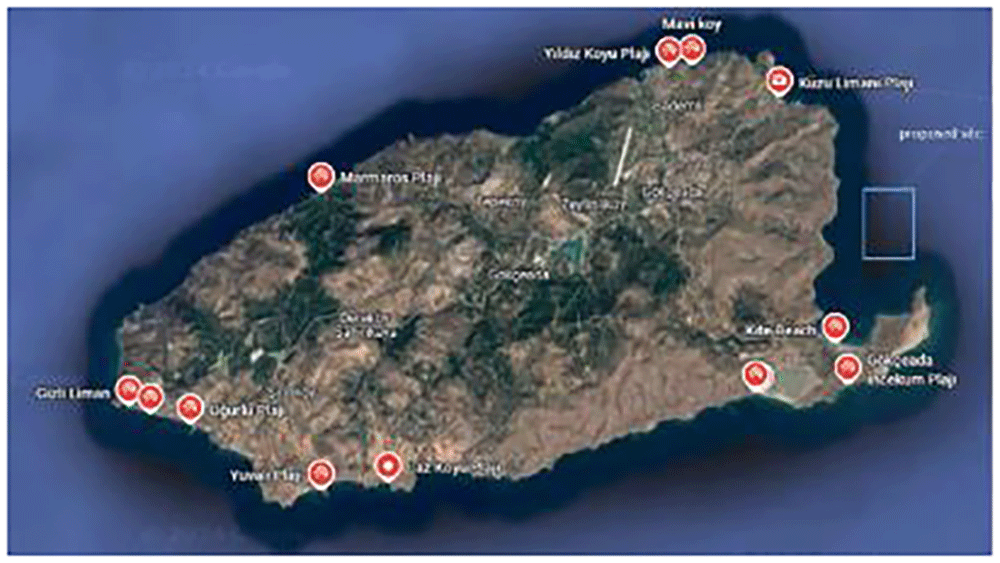
Figure 7. Touristic regions on the coast of Gökçeada (Google Maps, 2024).
Using the Global Wind Atlas database19, the mean wind speed at the height of 150 m is obtained, as shown in Figure 8. The rated global horizontal irradiation for the specified location is 1651.4 kWh/m222. The sun elevation and the azimuth for the analyzed location are presented in Figure 9. The analysis considers the data provided by the above-mentioned databases for estimation of total Annual Energy Production (AEP), using the equations presented in the literature14,23.
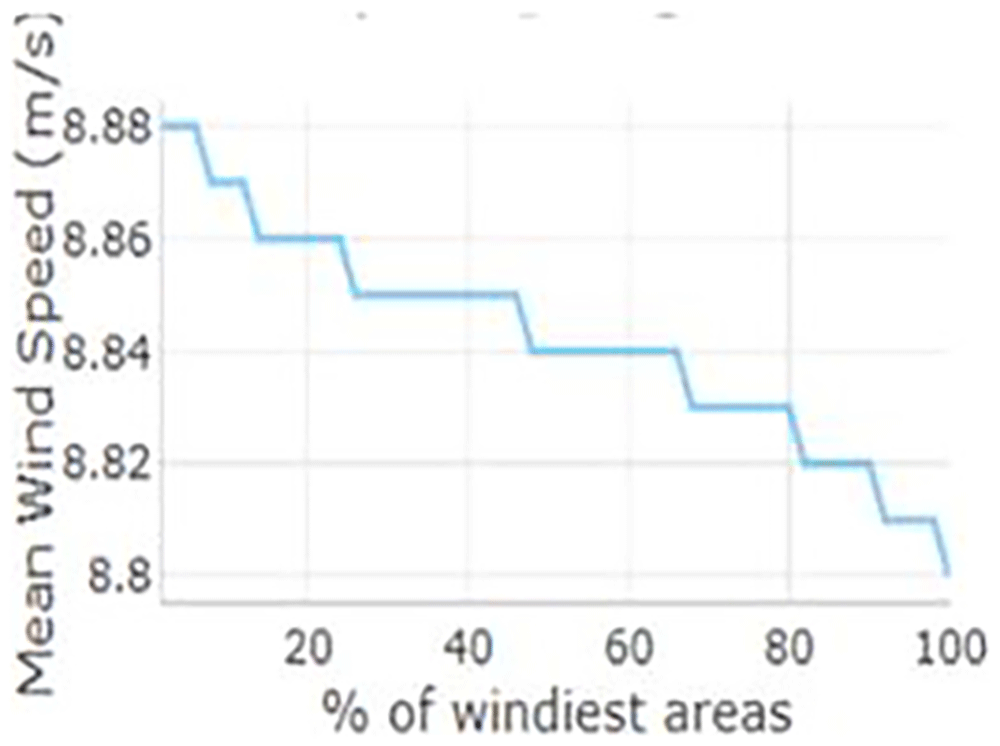
Figure 8. Mean wind speed at a height of 150 m for the analyzed location.
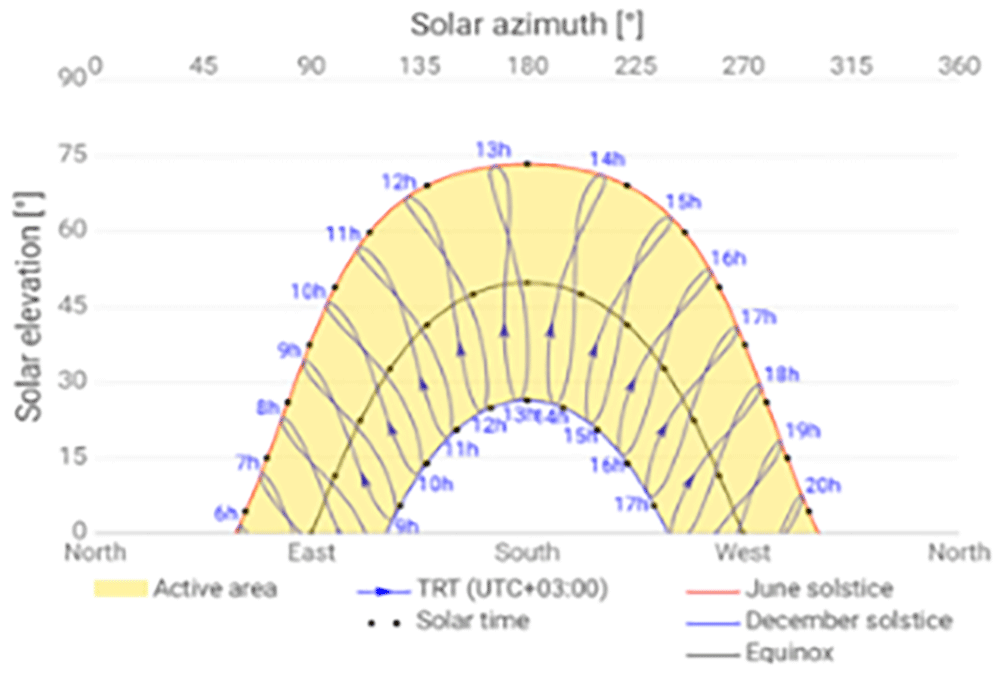
Figure 9. Sun elevation and azimuth for the analyzed location.
Since the analysis considers a hypothetical project of a developing technology, the dimensions and power of the wind turbines and PV modules are catalog values, used to estimate the average energy production from the floating offshore power plant. The data is presented in Table 1.
Table 1. Floating offshore wind and floating offshore photovoltaic system technical data of the installed equipment.
| Floating Offshore Wind Turbines | Floating Offshore PV system |
|---|
○ Wind Turbine: Generic 3.45 MW – IEC Class 2 (Total of NWT=15)
○ Installed Capacity: 50 MW
○ Hub height: 150 m
○ Rotor Diameter: 126 m
○ Average wind speed: 8 m/s
○ Air density: 1.225 kg/m3
○ Total loss: 10%
○ Full load hours: 3863 h | ○ Azimuth of PV panels: 180°
○ Tilt of PV panels: 10°
○ Installed capacity: 20 MW
○ Global tilted irradiation (at tilt 10°): 1768.4 kWh/m2
○ PV module specifications27:
- Power: 656 W
- Efficiency: 21.41 %
- Dimensions: (1303x2384x35) mm
○ Inverter efficiency: 93%
○ Total losses: 25%
○ Average sunny hours per year: 4460 h
○ Specific PV power output: 1525 kWh/kWp |
The power of the wind generator, considering the generator efficiency is given with Equation (1):
The total AEP from the wind turbines is calculated using Equation (2):
The total number of modules should be determined to calculate the AEP from the PV system, as shown with Equation (3).
Then, it is multiplied with the total area of the PV modules, the total solar irradiation on the tilted angle (β), and the efficiencies of the modules and the system, as shown with Equation (4):
The total AEP from both wind and PV generators is calculated with the Equation (5):
The calculations show that the total AEP is enough to satisfy the island's power consumption and to help the Turkish power system by injecting excess power into the grid. The island is connected to the Tukey’s mainland power system through a 31.5 kV and 90 MW transmission line which end in Kumlimani Substation16,24. In order to transmit the generated power from the offshore energy island to the mainland, an additional power line has to be built to achieve higher reliability. Another alternatives are installing a battery storage system for storing the excess power and further usage or using the excess power to produce hydrogen.
Building an additional power line to connect to the mainland
According to the study in 16, a network update is a cheaper option compared to installing a battery system, regarding the battery capacity. However, the reliability of supply is another important parameter for decision-making when connecting a new power plant to the power system. For instance, if there is an outage, the power generated from the offshore power plant can be used locally, however the excess power will not be transmitted to the power system. This could result in a misbalance in the power system, with high voltage and frequency variability. Building an additional power line would require another 17 km long submarine cable with a transmission capacity of 70 MW. The Figure 10 shows the existing substations and the submarine power line16,25.
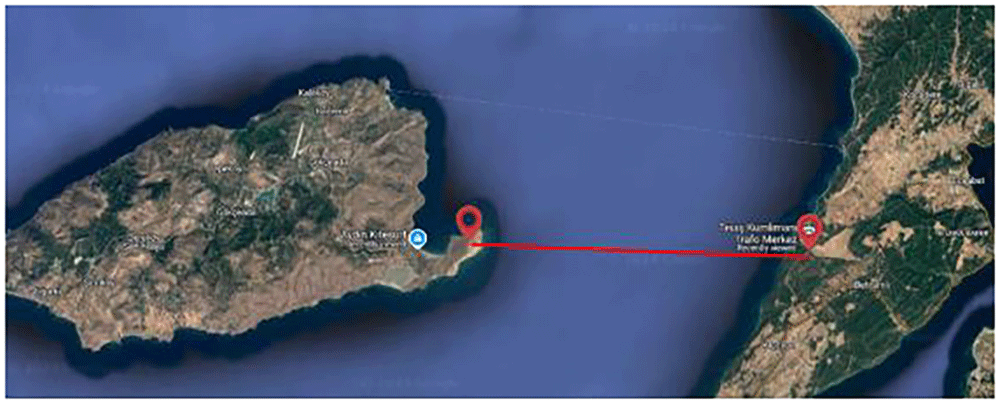
Figure 10. Existing substations and submarine power line that connects the island to the mainland.
The investment costs for connecting the offshore energy island consider the investment for building the offshore wind farm and offshore PV system, connection of the energy island to the shore and installing a substation that should connect the energy island to the transmission system on the mainland.
Since the aerial distance between the island and the mainland Türkiye is less than 50 km, a HVAC power line should be considered26. Table 2 shows the average costs for installing an Offshore Wind Farm (OWF) and an Offshore PV system (OPV) that would be connected to a substation, as well as installing a new power line to connect that substation to the Kulimani Substation on the mainland Tukey.
Table 2. Floating Offshore Wind and PV system AEP estimation.
| Unit | Average value | Ref. |
|---|
| Wind turbine with accompanying equipment | 2.1 mil€/MW | 16,26,28–31 |
| PV system | 670 k€/MW | 32 |
| Submarine AC cable | 2.007 mil€/km | 33–35 |
| Substation | 11 mil€ for a 70 MW substation | 31,33 |
| Operation & Maintenance (O&M) | OWF | 63.8 k€/MW/year | 33,36,37 |
| Substation | 24.4k€/MW/year |
| OPV | 10 k€/MW |
The LCOE calculation depends on the location’s interest rate and energy production. However, since offshore RES are still not regulated in Tukey, an estimated LCOE is presented below, considering the costs of implementing such a system all around Europe. The LCOE is calculated using Equation (6):
Where IC denotes the investment costs. Investment costs consider the costs for building and installing the OWF and OPV, connection of the offshore power plant to the onshore substation, installing a new substation, and deploying a new submarine cable. Ci, annual denotes the annual operation and maintenance costs for all entities, AEP denotes the yearly energy production from the OWF and OPV, r denotes the interest rate, and n denotes the economic lifespan of the installed equipment.
The Net Present Value (NPV) represents the difference between actualized revenues and actualized costs. For a project to be acceptable for investment, the NPV value should be higher than zero. The calculation of NPV is shown with Equation (7):
Where, B denotes the annual revenues, and C denotes the yearly costs.
According to IRENA's LCOE calculations, the interest rate ranges from 5% to 10%, with an economic lifespan of 25 years38. However, Türkiye currently faces challenges with hyperinflation, resulting in significantly higher discount rates. Considering the current discount rate for long-term projections can be misleading and therefore in this paper, an average discount rate of 5% and an electricity selling price of 80 €/MWh is considered. Under these assumptions, the LCOE is calculated at 72.43 €/MWh, and the NPV is positive, amounting to 24,564,256.6 €.
Although the LCOE value may seem high, a study by Kost, Müller, Schweiger, Fluri, and Thomsen39 shows that the offshore wind LCOE varies from 50 €/MWh to 100 €/MWh, which is lower than the LCOE for coal-based and nuclear power plants. Additionally, the cost of electricity generated from offshore RES is higher compared to that from onshore sources. However, research by Hosius, Seebaß, Wacker, and Schlüter (2023)40 indicates that implementing offshore RES could lead to greater price reductions than those achieved through feed-in tariffs for onshore RES.
Installing a Battery Energy Storage System (BESS)
Installing a battery system is an alternative to building an additional power line to connect to the mainland. The battery could store the excess power generated from the offshore power plant, which can be used in the future in times of need. Unlike the underwater cable, the battery system offers higher reliability. Also, it consists of multiple interconnected power banks. This means if one of the power banks is experiencing an outage, there is still a possibility of storing the excess power. However, since every project is unique, considering a BESS depends on the terrain and system topology. The analysed floating offshore system is not far from the shore, so the installation of the BESS should be on land. The application of BESS is one of the best alternative solutions for frequency regulation in remote areas or as part of renewable energy power plants. Unlike diesel generators which are costly and polluting, BESS enhances systems’ stability by balancing short-term imbalances and fast response to system regulation without using fossil fuels41.
The main disadvantages of this proposed solution is that the BESS should be replaced every 10 to 15 years, which increases the exploitation costs. Also, they have a limited life span that depends on how much power they discharge and the number of cycles, and they would require space for installing on the land42. On another side, the BESS increases reliability of the systems, storing the excess power and providing it to the consumers when the system is not producing any or selling the amount of power when the selling prices are more favourable.
For the analysed case scenario, providing a power of 50 MW for 5 hours straight is considered. The calculation of the BESS considering an efficiency of 0.9 is shown with Equation (8):
Where, P denotes the power needed, t denotes the time that that power should be provided continuously, and ƞBESS is the battery efficiency.
Assuming an equipment lifespan of 25 years, and the battery replacements every 10 years, the LCOE with BESS included in the system is calculated to be 87.19 €/MWh, based on a discount rate of 5% and an electricity selling price of 80 €/MWh. However, the resulting NPV is negative, indicating that the project is not economically viable at the given selling price. To achieve a profitable investment, the electricity selling price must be at least 87, 5 €/MWh, which still falls within the acceptable price range39.
Producing hydrogen from the excess power
Hydrogen is proven as an ecologically acceptable alternative to fossil fuels, and along with the RES it can play an important role in the decarbonisation of the industrial and transportation sectors. However, in order to achieve the clean alternative title, the hydrogen production has to bypass fossil fuels. According to IRENA's 2023 statistics, currently more than 90% of the global hydrogen production comes from fossil fuel sources38,43. Although there are many challenges regarding the offshore power plant hydrogen production, and those are mostly related to economics, the hydrogen usage and clean production could have a long term benefit.
Technological feasibility and economic challenges
According to Zhang et al. (2024), integrating offshore PV and wind systems with hydrogen production technologies has the potential to revolutionize the renewable energy landscape. The authors argue that the development of offshore PV systems could greatly enhance the output of hydrogen production systems when paired with offshore wind farms, which are already producing significant amounts of renewable electricity. The study discusses the need for robust energy storage solutions to handle the intermittency of RES, proposing that hydrogen storage systems can serve as both short-term and long-term storage options44.
However, challenges remain. One significant issue highlighted by Weber et al. (2024) is the round-trip efficiency of hydrogen production and storage. While hydrogen offers a highly efficient way to store energy over long periods, the efficiency losses during production, storage, and conversion back to electricity (if needed) reduce its overall energy efficiency compared to battery energy storage systems (BESS). Nonetheless, hydrogen has the advantage of being scalable for large energy storage projects, where batteries may not be as cost-effective. In a model for countries with limited land resources but abundant solar and wind, the authors predict that hydrogen could play a pivotal role in energy storage, especially when PV and wind capacity is constrained45.
Offshore Floating PV and hydrogen production systems
A particularly innovative approach to integrating hydrogen production with renewable energy is the use of floating photovoltaics (FPV) in offshore environments. Wang et al. (2024) evaluate the damage performance of FPV systems used for hydrogen production, where the layout of the FPV system is influenced by offshore wind patterns. Their study suggests that combining FPV with offshore wind creates a stable environment for producing and storing hydrogen, especially in coastal regions where land availability is limited. Hydrogen storage systems, located either offshore or onshore, can effectively balance the fluctuating output from RES by storing excess hydrogen during periods of high renewable output and releasing it when demand is high46.
This approach offers dual benefits: harnessing solar energy over water bodies, reducing land-use pressures, and providing hydrogen as a flexible, storable energy carrier. As offshore wind farms expand, pairing them with FPV systems could optimize energy output while addressing the growing demand for renewable hydrogen.
Synergies between offshore wind, PV, and wave energy
In addition to wind and solar energy, wave energy offers another potential source of renewable power in offshore environments. Pompodakis and Karapidakis (2024) examine the synergistic use of offshore wind, PV, and wave energy to support maritime hydrogen refuelling infrastructure. Their research highlights how integrating these diverse RES can reduce capital expenditure (CAPEX) for hydrogen storage by optimizing the overall energy generation mix. By coordinating the output of offshore wind, wave, and PV systems, hydrogen production can become more efficient, and storage requirements can be reduced, making the system more economically viable. Their findings suggest that offshore wind-wave-PV synergies could lower hydrogen storage costs by up to 665 million euros, offering a promising avenue for large-scale deployment47.
Energy management in offshore Wind-PV-Hydrogen systems
The economic feasibility of integrating hydrogen production with offshore wind and PV systems depends not only on the technologies involved but also on the optimization of energy management strategies. Varotto et al. (2024) focus on the optimal sizing and energy management of battery energy storage systems (BESS) for hybrid offshore wind-PV farms, incorporating hydrogen production. Their study evaluates the role of BESS in stabilizing energy output, finding that the inclusion of hydrogen production further enhances system flexibility. The authors argue that an optimal energy management system, capable of balancing hydrogen production with real-time energy demand and storage capabilities, can maximize the efficiency and profitability of offshore wind-PV-hydrogen hybrid farms48.
The integration of offshore wind and PV systems with hydrogen production offers a promising pathway for enhancing renewable energy capacity while addressing the intermittency issues associated with wind and solar power. Hydrogen storage, when combined with efficient electrolysis technologies, can provide long-term energy storage solutions and contribute to decarbonizing hard-to-electrify sectors. However, challenges remain, including the round-trip efficiency of hydrogen storage and the high initial capital costs for infrastructure development. Continued advancements in energy storage, electrolysis efficiency, and hybrid renewable systems are essential for realizing the full potential of this technology.
As research continues to explore the synergies between offshore wind, PV, and hydrogen, this hybrid system could play a crucial role in meeting the global demand for clean, reliable, and scalable energy. Policymakers and industry leaders must invest in these technologies and create the regulatory frameworks needed to accelerate the adoption of hydrogen production and storage systems, ensuring a sustainable energy future.
Conclusions
The paper analyses the possibility of deploying a combined FOWT and FOPV system near Gökçeada Island in Türkiye, and considers three different scenarios for the treatment of the surplus energy. The analysis shows that the integration of a floating offshore power plant could significantly benefit both the island's electricity consumers and the Turkish power system overall. It has the potential to reduce reliance on fossil fuels within the country and decrease electricity imports, thereby potentially boosting the national economy. Additionally, the floating offshore power plant offers an increased efficiency and reliability. However, the primary challenge of deploying such a system near Gökçeada Island is gaining social acceptance, since the island is a tourist attraction and the deployment of the floating wind turbines and PV modules in the sea could disrupt the landscape.
The paper also presents different case scenarios for excess power treatment and a LCOE analysis. The island is currently connected to the mainland via a single transmission line, which means that there would be a need to invest in building another transmission line capable of handling the energy produced by the floating power plant. In this case scenario, the exploitation costs are not very high, because this infrastructure has a lifespan of up to 25 years, which equals the estimated lifespan of the FOWT and FOPV. Installing a BESS would require space for deploying the batteries, as well as a change of the batteries every few years due to durability. The third case scenario is one of the modern solutions, which considers using the excess power to produce hydrogen that can be further used for many purposes. However, although hydrogen production could have long-term benefits, the high production costs and the lower efficiency of the process could be crucial for abandoning this idea.
Choosing the optimal solution based only on the LCOE analysis suggests that building an additional power line and related infrastructure is the best solution. If a reliability analysis is conducted, it would be in favour of the BESS installation. However, if social impacts and benefits are considered, alternative solutions may prove more suitable. Therefore, choosing the best solution should be a matter of multi-criteria analysis that considers all of the aforementioned parameters, as well as reliability of the power supply, technical feasibility, and life-cycle assessment.
Ethics and consent
Ethical approval and consent were not required.







