Introduction
Participatory research involves collaboratively designing and conducting research through partnerships between researchers and individuals who are impacted by issues under study1. Traditionally, participatory approaches rely on offline methods, which are often limited by logistical constraints, geographic reach, and participant availability, reducing their effectiveness and inclusivity2–4. The onset of metaverse offers an opportunity for online participatory research, using immersive, interactive virtual spaces that support collaboration and real-time interactions between people5–8. The metaverse technology has been used for various purposes such as entertainment, e-learning and training9,10. Moreover, even though researchers have conducted interviews in the metaverse11, the potential of metaverse to carry out participatory research has not been sufficiently explored6. While previous studies indicate that metaverse environments can enhance participation by increasing engagement and motivation12,13, there are no methodological frameworks designed to strategically apply mixed methods in the metaverse to utilise the capabilities and features of these virtual spaces for sociological research. Our research aims to address this gap by developing a metaverse-based methodological framework to study people’s and communities’ attitudes in the metaverse.
E-participation has been defined by scholars as public participation in governance facilitated by information and communication technologies (ICT) technologies14–21. For the successful implementation of e-participation initiatives, we need to design structured processes and use tools that take into consideration the participants’ capabilities and the types of data to be collected (Csáki, 2020; Macintosh, 2004). Furthermore, Csáki (2020) suggests that the broader goal of e-participation is to foster transparency, trust, and constructive interaction between government and citizens using technology, benefiting both parties over time. Importantly, e-participation has a much broader scope as it can be used to facilitate public participation also in areas outside of governance and politics22.
The metaverse is an immersive and interactive virtual space or environment, where users, as avatars, interact with each other and digital objects23,24. Avatars are virtual identities that users can create, maintain, and manage to navigate and act in the virtual worlds10. Metaverse spaces support simulations that replicate real or imaginary worlds, making it usable for many purposes such as entertainment, education and training9,10. Metaverse virtual worlds have successfully been used by scholars for conducting interviews11. Moreover, there is an economic layer to the metaverse concept as economic transactions are enabled through cryptocurrencies and the transfer of virtual assets7.
Metaverse spaces can not only be venues for virtual gatherings or focus group discussions but also can host “serious games” that can facilitate e-participation. Serious games are defined as games whose primary purpose is something beyond entertainment13. For example, "NextCampus" is a serious game designed to facilitate e-participation in urban planning by allowing citizens to explore and make decisions about relocating or renovating a university campus25. Using serious gaming as a data collection tool in research would increase the participants’ “intrinsic motivation processes”26. Nevertheless, a major principle while designing any activity on the virtual world should be data protection and data sovereignty12.
Proposed framework
We propose a methodological framework that integrates two complementary methods, e-townhall and a single-player online game. With both, we triangulate participatory results of a decision-making process – as individuals and as a community. “E-townhall”, is a gamified, synchronous online event wherein focus group discussions are facilitated in a metaverse environment, and predominantly qualitative data is collected from participants who join as avatars. The game provides the gamers with a multiple choice between carefully designed options to study the player’s preferences. Through the e-townhall we gather qualitative and quantitative data at the local level, while the online game collects quantitative data from gamers across the world. The key differences between the two are outlined in Figure 1.
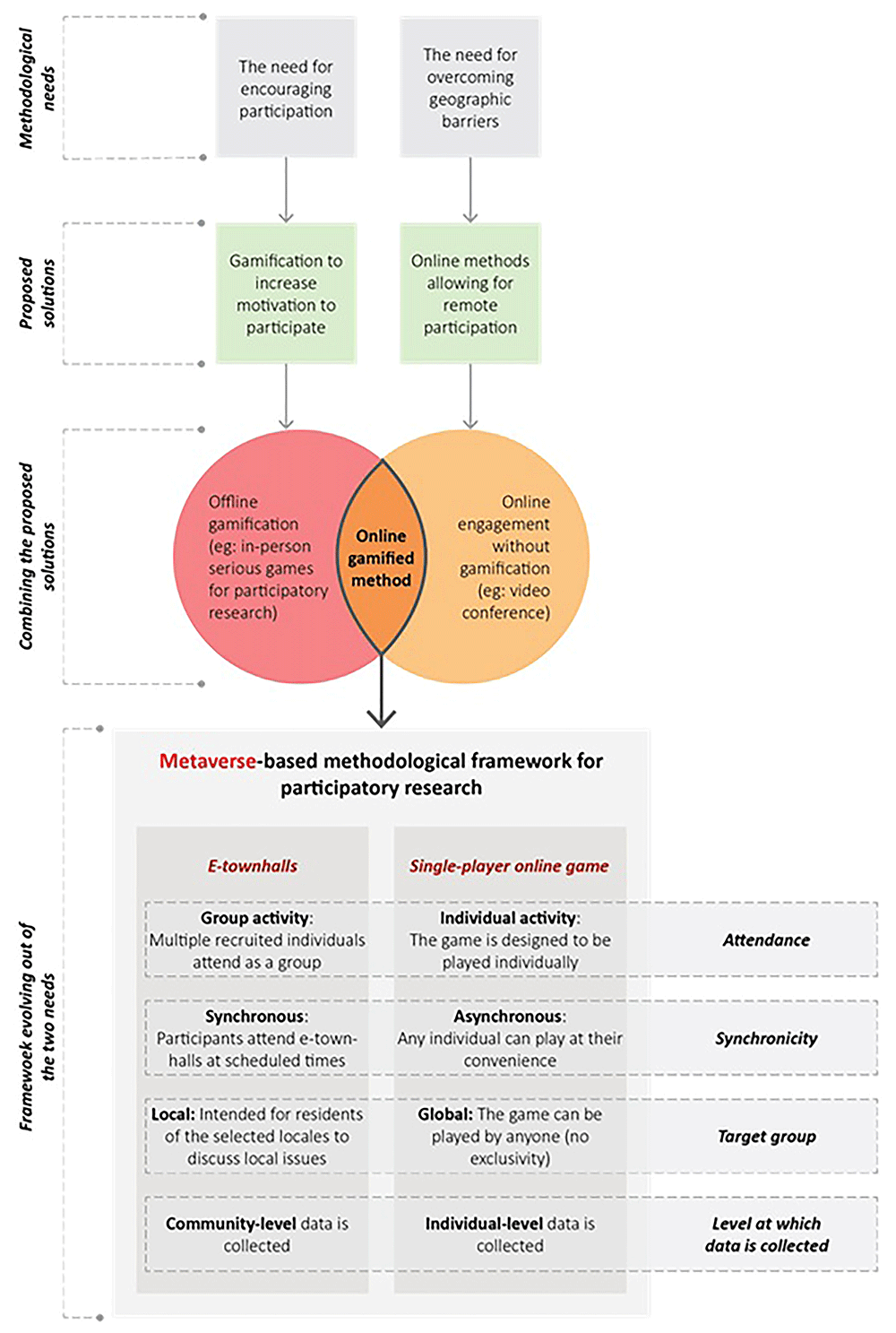
Figure 1. Proposed metaverse-based methodological framework.
The virtual townhall is a method that facilitates e-participation as it encourages open, town hall-style discussions online, allowing participants to engage in discussions on chosen topics in the cloak of anonymity of the avatars8,27,28. The virtual town hall draws inspiration from the concept of focus group discussion. A focus group discussion is a qualitative research method where a moderator leads a group conversation among selected participants to explore their views on a particular topic29. Virtual focus groups capture diverse perspectives as qualitative data, encouraging candid sharing and deeper engagement than conventional methods29–32. The second component of the framework is an asynchronous single-player online game hosted in a metaverse environment.
One of the strengths of this methodological framework is that, compared to traditional participatory research, which relies mostly on offline methods, metaverse-based participatory research enables real-time group interactions without geographic constraints2–4. Studies also suggest that metaverse environments can increase the motivation of people to participate12,13. Another strength of this methodology lies in its adaptability. By modifying the e-townhall questions and redesigning the game, we can answer complex research questions involving perceptions and preferences of people. The e-townhall format is highly flexible and can facilitate focus group discussions on any topic to capture diverse perspectives. Similarly, custom online games can simulate different specific scenarios, allowing researchers to capture individual preferences. Hence, this framework offers a scalable and reusable model that can be adapted to study a wide range of issues concerning people.
The synchronous e-townhall helps in understanding different perspectives existing within a selected group. In contrast, the asynchronous game allows participants to engage at their convenience, making it feasible to reach a larger, more diverse sample and examine patterns in individual preferences. By integrating both methods, we offer a robust framework capable of capturing complementary qualitative and quantitative insights into public opinion.
Implementation of the proposed framework
To demonstrate the feasibility of facilitating E-participation, we implemented this framework in in the virtual city “Spectra” in an online metaverse platform Spatial (www.spatial.io) and tested both methods. As the first methodological component of our study, we developed the e-townhall to examine community’s attitudes towards using artificial intelligence (AI) in cities to make them more sustainable, focusing on their reasons for supporting or opposing the use of AI. We also examine if exposure to diverse viewpoints during the e-townhall shifts the participants’ attitudes.
The second component, an online game, is an asynchronous, single-player experience. In the context of our research, we developed "Sustainability Quest: Pathways to Progress" (SQP2P), a metaverse-based game that captures individual preferences through binary decision-making scenarios. Using SQP2P, we study people’s preferences for AI-based versus non-AI methods to complete tasks that contribute positively to the SDGs. Unlike an e-townhall, which is conducted for and attended by the residents of a selected city, SQP2P is non-exclusionary and enables us to gather insights from diverse demographic and geographic groups. Access details, including hyperlinks and QR codes for both the e-townhall space and SQP2P, are provided in Table 1.
Implementation prerequisites
To implement our framework, we combine the following online platforms, digital tools/software, hardware devices, internet connectivity, and digital booklets.
Online metaverse platform Spatial (www.spatial.io): We chose Spatial, a metaverse platform that hosts virtual spaces and games, accessible to users as digital avatars. Both the e-townhall and the SQP2P game are hosted in distinct virtual spaces on this platform.
Digital tools/software:
- Video recording software: The screen recording feature on the application “snipping tool“ is used by the facilitators of the e-townhalls to capture and store the video and audio for later analysis of the group activities and discussions.
- 3D modelling software: Using the online 3D modelling application “SketchUp for Web”, we created virtual objects for the SQP2P game environment.
- Game engine: To develop SQP2P, we used the cross-platform game engine “Unity”, which is compatible with Spatial, to render, animate, and script the 3D models and virtual environment in real time using the programming language C#.
- Software development kit (SDK): Spatial's SDK helped us properly organize and format the game assets from Unity for seamless integration with Spatial.
- External survey platform: We set up an online demographic survey on the Unipark platform for people, who complete SQP2P. The players’ data on the decisions made while playing the SQP2P are automatically integrated with the demographic survey data.
Hardware devices and connectivity:
- Computers or smartphones: The participants require devices such as computers, tablets, or smartphones capable of accessing the spatial.io platform.
- Microphones and speakers/headphones: For audio interactions during the e-townhall, participants need functioning microphones and speakers/headphones connected to or integrated with their device.
Connectivity: For participants to join the e-townhall or play SQP2P on Spatial, they need to be connected to a stable internet connection.
Preparatory and training material: For the e-townhall, participants receive digital booklets before the e-townhalls to help them understand the structure and prepare accordingly. Facilitators are also provided with detailed scripts to ensure consistency across multiple e-townhalls33.
Implementation methods and analytical approach
This section outlines the methods and analytical approaches applied within our proposed metaverse-based participatory framework. Specifically, we detail the procedures for conducting e-townhalls and for developing and deploying the SQP2P game.
E-townhall: virtual town hall in a metaverse. The e-townhall is designed to host around twenty-five participants, split into two groups, each managed by a facilitator. A third facilitator is responsible for muting participants who are noisy or hindering the discussions and for ‘banning’ them if they repeatedly cause such problems. To ensure effective management and capture diverse perspectives, subgroups are limited to around twelve participants34.
Preparatory phase: Before each e-townhall, we share with the participants a booklet explaining the e-townhall format, thematic areas, and other important details to familiarise them with the method and facilitate smooth participation.
Conducting the e-townhall: A window displaying the informed consent form appears when participants join the e-townhall metaverse space. They must agree to its terms by clicking an “I agree” button before gaining access to the event. Each session begins with an introduction to its purpose and structure, followed by a technical orientation on navigating the virtual environment. The 'spatial fall-off' audio feature of the platform played a critical role, mimicking real-life acoustics to contain conversations within each group and minimize distractions. Each facilitator screen-records the video of the group they manage to capture and store their responses and discussions for later analysis.
Each group is instructed to move to their designated group zone, marked by coloured boards, where they will engage in the following activities:
- First, participants are asked a Likert-scale question to gauge agreement or disagreement of the members within a group. The question is displayed on a board in each group zone, and participants answer by walking and positioning their avatars on one of the five coloured boxes on the floor, with each box corresponding to a Likert scale option: strongly oppose, oppose, neutral, support, and strongly support.
- Second, the facilitator asks and encourages the participants to unmute their microphones and take turns to explain the reasons behind their choice, fostering group discussions and providing qualitative insights.
- Third, the facilitator repeats the initial question, and avatars could change positions to assess whether the discussion and exposure to other perspectives influenced participants' views.
This process can be repeated for other questions based on the content the researcher wants to explore. The approach captures both quantitative Likert scale data and qualitative insights from verbal interactions, forming a comprehensive view of participants' attitudes.
Analytical phase: A Likert scale is a psychometric scale commonly used in surveys to measure attitudes or opinions by asking respondents to rate statements on a continuum, typically ranging from strong agreement to strong disagreement35. Based on the answers and choices, we conduct a thematic analysis of the qualitative discussion data. Thematic analysis consists of coding data segments to derive insights related to the research questions. By labelling and organizing these segments, researchers can group similar ideas, making it easier to identify patterns and broader themes across participants' responses8,32. By correlating these with pre- and post-discussion responses, we identify shifts in opinion. In the context of our research, we compare the insights obtained from multiple e-townhalls to explore patterns in attitudes toward AI across different urban contexts.
Sustainability Quest: Pathways to Progress. SQP2P allows participants to engage from almost anywhere with internet access and an appropriate device, except in countries or places where the website is blocked. Players interact with the game as avatars, and even if multiple players participate simultaneously, each one is placed in a separate metaverse instance, ensuring that their experiences were independent. Upon completing the game, players are directed to an external survey on the online platform called “Unipark”, where they provide their demographic data. The data on their in-game decisions is imported automatically into the survey. However, we can access the game data only if the participant submits the survey.
Game development: SQP2P’s development process began with conceptualisation and resulted in publishing a public online game. All the steps in the process are outlined below:
1. Concept development: We developed the game design to gain insights into people’s preferences for adopting AI-based versus non-AI-based methods to complete tasks that contribute positively to each SDG. In this phase, we brainstormed and identified tasks relevant to each SDG, along with the corresponding two options of AI-based and non-AI-based methods for accomplishing each task.
2. 3D modelling: For each of the alternative options on how to complete each of the above-mentioned tasks, we developed 3D models that the player would see and interact with in the game environment. The online version of the 3D application “SketchUp” was used to create the 3D models. While creating the models, we had already envisioned how they would be animated upon the player selecting them in the game.
3. Game implementation on Unity: On the game engine software “Unity” we imported the 3D model of the virtual space within which the above-mentioned smaller models were positioned. Using C# custom scripting on Unity, we programmed the game concept by associating specific actions taken by the player to initiate or trigger specific events. In the game, for each task, the player must select from the two options visualised as objects by interacting with the preferred one. Upon selecting the preferred option, the programmed animation of the specific model is triggered.
4. Testing in the sandbox: Spatial toolkit’s sandbox feature on Unity allowed us to test the game in the development phase whenever required to examine the 3D models, animations, and the game experience.
5. Publishing on Spatial: After the whole game was developed, tested and modified, we published it on Spatial, making the space with the game accessible publicly.
SQP2P – the game mechanics: When the player clicks the link to start the game, the initial screen displays instructions on gameplay, including key controls. After they clicked on ‘proceed,’ the player moves to a window where they select the SDGs (all 17 can be chosen). Once selections are made, the game begins, and the player completes one specific task for each chosen SDG, and the tasks are activated one by one in a random order. Each task appears in a floating text box in the metaverse, and the avatar is guided to its location by Spatial’s inbuilt navigator. Players choose between two methods for each task: an AI-enabled option and a non-AI alternative, both represented as 3D models with explanatory text. Recording these choices allow us to analyse people’s preferences for AI versus non-AI methods in pursuing the SDGs. Based on the player's decisions, the game assigns them a personality type, which appears in a window that signals the game's end. The player then clicks a button on this window to access an external survey. A consent form appears at the beginning of the survey, and only upon granting informed consent can the respondents proceed. The consent form includes sections on the study's purpose, process, duration, potential benefits and risks, confidentiality, data storage practices, voluntariness and withdrawal rights, and contact information for questions. The consent form also prescribes that the respondents should above eighteen years of age.
Analytical Phase: The quantitative data from the game on players' preferences for AI-enabled versus non-AI methods are statistically analysed to identify trends and patterns. We use descriptive statistics to summarize the frequency of each choice, and inferential statistics to explore the relationships between demographic data and player decisions. Additionally, we cross-analyse the data to examine any observable patterns in how demographic factors and geographic locations influence which SDGs participants consider most relevant.
The e-townhall discussions provide both quantitative and qualitative insights into public attitudes toward the use of AI in urban governance (participatory urban planning), disaster response, and housing. Through quantitative analysis of Likert scale responses, we study general levels of public support or opposition. We conduct thematic analysis of the qualitative discussion content to understand factors that influence participants' attitudes toward AI. Additionally, examining shifts in responses before and after discussions indicate if and how participants’ perspectives evolve when exposed to diverse viewpoints.
Discussion
We propose a methodological framework that integrates e-townhall and a single-player online game and demonstrate how the metaverse can be employed to facilitate and enhance online participatory research. In particular, we outline how researchers can utilize our proposed metaverse-based methodological framework. The e-townhall provides a synchronous, gamified virtual environment where participants interact as avatars, openly discussing topics and expressing their levels of support or opposition along with their underlying reasons. On the other hand, the online game operates asynchronously, allowing single players to articulate individual preferences through gameplay interactions. By combining synchronous group interactions with asynchronous individual engagements, this framework captures comprehensive data on participant attitudes and behaviours. Moreover, this approach facilitates inclusive, geographically unrestricted, and fully anonymized participation, thereby enabling the collection of diverse and representative datasets. We believe this adaptable and scalable methodological framework equips researchers with effective tools to leverage immersive virtual environments in participatory research across various settings and demographic groups.
Our study demonstrated the effectiveness of our methodological framework by engaging participants in the two complementary metaverse-based methods. Key methodological strengths included the framework's ability to combine qualitative insights from e-townhalls with quantitative data from the online game, SQP2P. This dual approach synthesized a holistic understanding of public attitudes by comparing and combining the data obtained from the distinct methodological components. Notably, participants expressed ease in navigating the virtual environment, which affirmed the usability of metaverse tools in fostering e-participation.
Our methodological framework is broadly applicable to other research domains. It can be adapted to explore public opinions on various topics, such as healthcare, education, and climate action, by modifying the e-townhall themes or the scenarios in the online game. This flexibility, coupled with the accessibility of metaverse environments, positions our framework as a model for metaverse-based participatory research across disciplines.
This study faces several limitations. A major challenge is the digital divide, which restricts participation from a broad demographic spectrum including individuals from regions or socioeconomic groups with limited access to internet and the necessary equipment. Digital divide refers to the disparity between population groups who have adequate access to ICT and those who have poor or no access to ICT36. Digital divide can exacerbate inequalities within society as digital skills and literacy can improve people’s social and economic capital37. The English-only format of the SQP2P game further limits accessibility for non-English-speaking participants, potentially skewing results toward English-speakers and certain countries. Future research should aim to broaden recruitment efforts, increase demographic diversity, and pilot test adaptations of the methodological framework in multiple linguistic and cultural contexts.
Another potential limitation of our study is participant familiarity and comfort with immersive digital platforms. While our pilot indicated ease of navigation, participants with less digital literacy or limited previous exposure to virtual environments may encounter barriers that influence their engagement or responses. Therefore, future iterations should incorporate comprehensive training sessions and user-friendly guidelines to further improve accessibility and ensure all participants can meaningfully engage in the research.
Moreover, while the anonymized nature of metaverse-based participation supports openness, it also creates challenges regarding authenticity and accountability. Participants might engage differently than they would in face-to-face settings, potentially affecting data quality. Further investigations could benefit from mixed methods approaches, combining virtual interactions with traditional qualitative methods to validate findings and reduce biases.
Lastly, another area for future exploration involves examining the impact of avatar identities on participation dynamics and data reliability. Participants may respond differently based on how they choose to represent themselves virtually, which may shape group interactions or decision-making processes. Future research should assess whether avatar customization or the use of standardized avatars significantly influences participant attitudes and data validity.
In conclusion, despite these limitations, our study demonstrates the value of leveraging metaverse platforms to foster inclusive and immersive online participatory research. With thoughtful adaptations and considerations for digital literacy, authenticity of engagement, and representation, this methodological framework can facilitate participatory research across disciplines.
Ethics statement
This study is being conducted in accordance with the principles of the Declaration of Helsinki (https://www.wma.net/policies-post/wma-declaration-ofhelsinki/). Ethical approval for all research protocols, including pilot activities involving human participants, was obtained prior to data collection from the Ethics Commission of the Technical University of Darmstadt. The original approval was granted under reference number EK 45/2024, with subsequent modifications approved under EK 30/2025. All participants are adults (aged 18 or older) and provide digital informed consent through an online form prior to participation. Participation is voluntary, fully anonymized, and conducted in accordance with national and international guidelines for research involving human subjects.
Consent to participate
All participants provided digital written informed consent prior to taking part in the study. Separate consent forms were used for the e-townhall and SQP2P. In both of these consent forms, participants were presented with an information sheet and privacy statement outlining the study’s purpose, process, estimated duration, potential risks and benefits, data privacy and storage procedures, and participants’ rights, including the right to withdraw. Consent was granted by clicking an “Accept” button, which was required to proceed. Only individuals aged 18 years or older were eligible to participate.
The consent forms stated that all data would be collected and processed in accordance with the General Data Protection Regulation (GDPR), the Hessian Data Protection and Freedom of Information Act (HDSIG), and TU Darmstadt’s institutional policies. Participants were informed that their participation was voluntary, that they could withdraw at any time without disadvantage, and that any data already collected would be deleted upon withdrawal. They were also made aware of their right to access, correct, or delete their data, and of their ability to contact the Data Protection Officer of Hessen in case of concerns.
In the e-townhalls, participants were informed that the study aimed to explore public attitudes toward the use of artificial intelligence in urban contexts. They accessed the metaverse space via a shared link. Before the virtual environment became visible, the consent form was displayed in a pop-up window. Participants could proceed into the space only after clicking “Accept” to confirm their agreement with the terms outlined in the form. They then participated anonymously as avatars in a virtual discussion lasting approximately 20–30 minutes. The consent form stated that audio and video recordings of avatar interactions would be used for transcription and analysis, and deleted after transcription was complete. The consent form stated that participants would not be asked to disclose their names and that all participation would be anonymized. The form also noted that anonymized quotes from the discussions might be used in research publications, with attribution using pseudonyms (e.g., “avatar [A]” from “city [X]”).
In SQP2P, participants completed a single-player interactive game in a metaverse environment, followed by an external survey. The consent form, shown before the survey, explained that the study would collect in-game decisions, avatar usernames, IP addresses, and demographic data (age, gender, location, education, income group, and profession). It was stated that all data would be stored securely in pseudonymized form and used solely for scientific purposes in anonymized and aggregated formats. No quotes or identifiable responses were collected during this component.
Data availability
The study received ethical approval from the Ethics Commission of the Technical University of Darmstadt (References: EK 45/2024 and EK 30/2025). The study was also conducted in accordance with the project’s Data Management Plan approved under the European Research Council (ERC) Grant Agreement No. 101087218.
Due to ethical restrictions and the nature of informed consent obtained, the datasets generated and analysed during this study cannot be made publicly available or shared with third parties. Audio and video recordings collected during the e-townhall sessions were deleted after transcription in accordance with the approved protocol. The remaining data from both study components is stored securely in pseudonymized form on institutional servers and handled under strict confidentiality protocols, as required by the ethics approval and Data Management Plan.
Combinations of demographic variables (e.g. city, age group, profession, and education) could allow for the indirect identification of specific population groups, including potentially vulnerable ones. Hence, data sharing is not permitted under the terms approved by the Ethics Commission at the Technical University of Darmstadt. The Ethics Commission reviewed and approved the study’s data handling procedures, including the explicit restriction against external data sharing. This restriction complies with the ethical standards approved by the Commission, and all data handling procedures, including storage and processing, are in accordance with the General Data Protection Regulation (GDPR), the Hessian Data Protection and Freedom of Information Act (HDSIG). No participant-level or group-identifiable data will be shared beyond the research team.
Faculty Opinions recommendedReferences
- 1.
Jagosh J, Macaulay AC, Pluye P, et al.:
Uncovering the benefits of participatory research: implications of a realist review for health research and practice.
Milbank Q.
2012; 90(2): 311–46. PubMed Abstract
| Publisher Full Text
| Free Full Text
- 2.
Csáki C:
An attempt to build an eParticipation program from scratch: the case of a district municipality. In: Hofmann S, Csáki C, Edelmann N, Lampoltshammer T, Melin U, Parycek P: editors. Electronic Participation. (Lecture Notes in Computer Science). Cham: Springer International Publishing, 2020; 12220. : 3–14. Publisher Full Text
- 3.
Irvin RA, Stansbury J:
Citizen participation in decision making: Is It worth the effort?
Public Adm Rev.
2004; 64(1): 55–65. Publisher Full Text
- 4.
Macintosh A:
Characterizing e-participation in policy-making. In: 37th Annual Hawaii International Conference on System Sciences, 2004 Proceedings of the. Big Island, HI, USA: IEEE; 2004; 10. Publisher Full Text
- 5.
Dahan NA, Al-Razgan M, Al-Laith A, et al.:
Metaverse framework: a case study on E-Learning Environment (ELEM).
Electronics.
2022; 11(10): 1616. Publisher Full Text
- 6.
Fegert J:
Virtual realities, real participation. Challenges and opportunities of public participation in the metaverse. Project Immersive Democracy: Part of the European Metaverse Research Network, 2023. Reference Source
- 7.
Lu HP, Chang YC, Chen CS:
How to trigger user’s willingness to participate in the metaverse? An exploration of the significant factors of the metaverse.
Virtual Real.
Springer, 2024; 28. : 83. Publisher Full Text
- 8.
Pocock T, Smith M, Wiles J:
Recommendations for virtual qualitative health research during a pandemic.
Qual Health Res.
2021; 31(13): 2403–2413. PubMed Abstract
| Publisher Full Text
- 9.
Almeida LGG, Vasconcelos NVD, Winkler I, et al.:
Innovating industrial training with immersive metaverses: a method for developing cross-platform virtual reality environments.
Appl Sci.
2023; 13(15): 8915. Publisher Full Text
- 10.
Park SM, Kim YG:
A metaverse: taxonomy, components, applications, and open challenges.
IEEE Access.
2022; 10: 4209–51. Publisher Full Text
- 11.
Althoff-Thomson S, Van Belle JP:
Conducting research in Virtual Reality: experiences of interviewing inside the metaverse.
European Conference on Research Methodology for Business and Management Studies.
2023; 22(1): 209–217. Publisher Full Text
- 12.
Rzeszewski M, Osborne T, Jones P, et al.:
Interviewing in the metaverse: the renewed importance of location and embodiment.
Appl Geogr.
2024; 167: 103295. Publisher Full Text
- 13.
Yilmaz M, O’Farrell E, Clarke P:
Examining the training and education potential of the metaverse: results from an empirical study of next generation SAFe training.
J Software Evolu Process.
2023; 35(9): e2531. Publisher Full Text
- 14.
Alcaide Muñoz L, Rodríguez Bolívar MP:
Different levels of smart and sustainable cities construction using e-Participation tools in European and Central Asian Countries.
Sustainability.
2021; 13(6): 3561. Publisher Full Text
- 15.
Androniceanu A, Georgescu I:
E-Participation in Europe: a comparative perspective.
PAI.
2022; 5(1): 7–29. Publisher Full Text
- 16.
Khadzali NR, Zan Z:
4. E-participation a systematic understanding on public participation in the government in 21st century.
Jurnal Intelek.
2018; 13(2). Reference Source
- 17.
Lim SB, Yigitcanlar T:
Participatory governance of smart cities: insights from e-Participation of Putrajaya and Petaling Jaya, Malaysia.
Smart Cities.
2022; 5(1): 71–89. Publisher Full Text
- 18.
Royo S, Pina V, Garcia-Rayado J:
Decide madrid: a critical analysis of an award-winning e-Participation initiative.
Sustainability.
2020; 12(4): 1674. Publisher Full Text
- 19.
Simonofski A, Vanderose B, Snoeck M, et al.:
Reexamining e-participation: systematic literature review on Citizen participation in E-government service delivery. 2017. Reference Source
- 20.
Szarek-Iwaniuk P, Senetra A:
Access to ICT in Poland and the co-creation of Urban space in the process of modern social participation in a smart City—a case study.
Sustainability.
2020; 12(5): 2136. Publisher Full Text
- 21.
Zioło M, Niedzielski P, Kuzionko-Ochrymiuk E, et al.:
E-Government development in European countries: socio-economic and environmental aspects.
Energies.
2022; 15(23): 8870. Publisher Full Text
- 22.
Santamaria-Philco A, Cerda JHC, Gramaje MCP:
Advances in e-participation: a perspective of last years.
IEEE Access.
2019; 7: 155894–155916. Publisher Full Text
- 23.
Mystakidis S:
Metaverse.
Encyclopedia.
2022; 2(1): 486–497. Publisher Full Text
- 24.
Davis A, Murphy J, Owens D, et al.:
Avatars, people, and virtual worlds: foundations for research in metaverses.
J Assoc Inf Syst.
2009; 10(2): 90–117. Publisher Full Text
- 25.
Poplin A:
Playful public participation in urban planning: a case study for online serious games.
Comput Environ Urban Syst.
2012; 36(3): 195–206. Publisher Full Text
- 26.
Bryant J, Vorderer P, editors.:
Psychology of entertainment. New York, NY: Routledge, 2011; 457. Reference Source
- 27.
Comp G, Townley K, Blazar E, et al.:
Virtual town hall meetings to convey Emergency Medicine residency program information to students.
West J Emerg Med.
2022; 23(4): 525–531. PubMed Abstract
| Publisher Full Text
| Free Full Text
- 28.
Etchegary H, Bishop L, Street C, et al.:
Engaging patients in health research: identifying research priorities through community town halls.
BMC Health Serv Res.
2017; 17(1): 192. PubMed Abstract
| Publisher Full Text
| Free Full Text
- 29.
Halliday M, Mill D, Johnson J, et al.:
Let’s talk virtual! Online focus group facilitation for the modern researcher.
Res Social Adm Pharm.
2021; 17(12): 2145–2150. PubMed Abstract
| Publisher Full Text
- 30.
Banfield M, Gulliver A, Morse AR:
Virtual world café method for identifying mental health research priorities: methodological case study.
Int J Environ Res Public Health.
2021; 19(1): 291. PubMed Abstract
| Publisher Full Text
| Free Full Text
- 31.
Bolin G, Kalmus V, Figueiras R:
Conducting online focus group interviews with two generations: methodological experiences and reflections from the pandemic context.
Int J Qual Methods.
2023; 22: 160940692311820. Publisher Full Text
- 32.
Tran B, Rafinejad-Farahani B, Moodie S, et al.:
A scoping review of virtual focus group methods used in rehabilitation sciences.
Int J Qual Methods.
2021; 20: 16094069211042227. Publisher Full Text
- 33.
Tebes JK, Awad MN, Connors EH, et al.:
The Stress and Resilience Town Hall: a systems response to support the health workforce during COVID-19 and beyond.
Gen Hosp Psychiatry.
2022; 77: 80–87. PubMed Abstract
| Publisher Full Text
| Free Full Text
- 34.
Zuckerman-Parker M, Shank G:
The town hall focus group: a new format for qualitative research methods. The Qualitative Report. 2008; 13(4): 630–635. Reference Source
- 35.
Joshi A, Kale S, Chandel S, et al.:
Likert scale: explored and explained.
Br J Appl Sci Technol.
2015; 7(4): 396–403. Publisher Full Text
- 36.
Lythreatis S, Singh SK, El-Kassar AN:
The digital divide: a review and future research agenda.
Technol Forecast Soc Change.
2022; 175: 121359. Publisher Full Text
- 37.
Ragnedda M:
The third digital divide: a weberian approach to digital inequalities. 1st ed. Abingdon, Oxon; New York, NY: Routledge, 2017; [cited 2024 Dec 16]. Publisher Full Text







