Background
Despite substantial progress in the fight against malaria disease achieved through vector control, accurate diagnosis and effective treatment, malaria still persists as a major public health threat with devastating impact on human wellbeing especially in sub-Sahara Africa ((Mwenda et al., 2021). Six malaria causing human Plasmodium species have been identified; Plasmodium falciparum, Plasmodium vivax, Plasmodium ovale curtisi, Plasmodium ovale wallikeri, Plasmodium malariae, and Plasmodium knowlesi (Schindler et al., 2019) – Plasmodium falciparum and Plasmodium vivax present the greatest threat (WHO, 2023). In 2023, there were an estimated 263 million cases of malaria recorded globally and 597,000 deaths, with the World Health Organization African Region accounting for about 94% global cases and 95% global malaria deaths. Populations such as children under 5 years of age, pregnant women, refugees, migrants and internally displaced persons are the most susceptible to malaria infection (WHO, 2024).
The severity of malaria infection may differ between Plasmodium species with P. falciparum accounting for the majority of malaria-related morbidity and mortality in sub-Saharan Africa (Garrido-Cardenas et al., 2023; Phillips et al., 2017). Plasmodium vivax, the most widely distributed malaria causing specie contributes to malaria burden in tropical and temperate zones yet it is considered a neglected specie (Xie et al., 2020). Malaria control efforts primarily target P.falciparum and this has resulted in a decline in P. falciparum malaria burden, with a relative increase in the proportion of malaria cases attributed to P. vivax in malaria endemic regions (Abebe et al., 2023). It has been shown that in areas where the two species co-exist, malaria elimination is more complicated because Plasmodium vivax exhibits higher resistance to control efforts (Howes et al., 2015; Schwabl et al., 2024). In Africa, P. vivax infection has been thought to be very rare or absent because of the absence of the Duffy antigen on the surface of red blood cells of black Africans (Howes et al., 2015). However, increasing new reports on P.vivax infections in Duffy negative inhabitants of Cameroon and other African countries challenges existing knowledge on the epidemiology of vivax malaria in the region (Abate et al., 2022; Djeunang Dongho et al., 2021; Fru-Cho et al., 2014; Russo et al., 2017). This suggests that this parasite is well underdiagnosed and may be a significant cause of persistent malaria infection associated with a significant public health burden. P. ovale species now recognized as two sub-species; P. ovale curtisi and P. ovale wallikeri generally considered benign and less prevalent has been reported to be associated with severe disease complications and death (Kotepui et al., 2020). Unlike P. falciparum, P. vivax and P. ovale can form hypnozoites in the host liver, making the prevention and treatment efforts challenging due to their ability to cause relapsing infections (Xie et al., 2020). P. malariae often co-existing with P. falciparum is also considered less prevalent and is often associated with very low parasitemia that can persist for years and sometimes lead to health complications such as anaemia and nephrotic syndrome (Nguiffo-Nguete et al., 2023; Sendor et al., 2023). To attain the WHO malaria control and elimination goal of 2030, non-falciparum malaria should be given attention especially in areas where they have been thought to be absent or less prevalent (WHO, 2021; Sendor et al., 2023). Understanding the epidemiology and clinical characteristics of the often neglected P. vivax and other non-falciparum species in sub-Saharan African countries is vital for developing and executing appropriate control strategies specifically designed to address challenges posed by these parasites.
Consistent with World Health Organization (WHO) guidelines, Cameroon through the National Malaria Control Program (NMCP) implements different measures to combat malaria infection in the country (Tangi et al., 2023). Key strategies include early and accurate parasitological confirmation of all suspected cases using light microscopy and rapid diagnostic tests before administering treatment (Apinjoh et al., 2024). Although the diagnosis of malaria using light microscopy (LM) and rapid diagnostic tests (RDTs) is cost-effective, these methods suffer less sensitivity and lack of highly experienced microscopists who can distinguish between the different plasmodium species. As a result, this makes them less efficient at detecting non-falciparum malaria species which often occur at low parasite density infections and co-exist with P. falciparum (Abebe et al., 2023; Sambe et al., 2024). With the increasing reports on different malaria species in Cameroon, it is very crucial to accurately determine the epidemiology of these species using more advanced, reliable and highly sensitive diagnostic tools. Molecular methods such as PCR are highly sensitive and specific, offering a valuable solution to overcoming the drawbacks of LM and RDTs (Darko et al., 2023), enabling detection of submicroscopic infections and coinfections that represent a crucial challenge to malaria control efforts (Kojom Foko et al., 2022). The true distribution of malaria species in sub-Sahara African countries including Cameroon is not clearly established. Therefore, this study aimed to investigate the different malaria parasite species and distribution among suspected cases, as well as risk factors associated with malaria infection in three geo-ecological zones of Cameroon.
Materials and method
Study site
A hospital-based multicenter cross-sectional study was carried out from June 2022 to August 2023 with purpose to characterize the different malaria species distribution across three malaria endemic settings in Cameroon; Sahelian zone (Maroua), Humid Forest (Bertoua, Yaounde and Douala) and the Western highlands (Dschang and Bamenda).
Maroua located in the Far North region of Cameroon belongs to the Sahelian zone characterized by tropical Savannah climate with annual rainfall of <700mm/year (Antonio-Nkondjio et al., 2019). Malaria in this region is highly endemic with seasonal malaria transmission that usually leads to outbreaks during the rainy season, which typically lasts 2–3 months (Kojom Foko et al., 2022).
Bertoua, Yaounde and Douala are part of the Forest zone marked by hot and humid climate conducive to malaria transmission. This region experiences two rainy seasons and two dry seasons with annual rainfall ranging from 1500 to 5000 mm each year. Malaria transmission in this zone is considered holoendemic and perennial. The zone is characterized by a variety of ecosystems including humid savannah, dense vegetation and large forests (Antonio-Nkondjio et al., 2019; Kojom Foko et al., 2022).
Dschang in the West and Bamenda in the North-West regions are located in the Western highlands, characterized by a temperate climate with rainfall lasting up to eight months. The vegetation in these areas is dominantly grasslands. They are classified as hypoendemic, with seasonal malaria transmission. The average annual rainfall is approximately 1800 mm (Antonio-Nkondjio et al., 2019). The map below highlights the different study zones and sites (Figure 1).
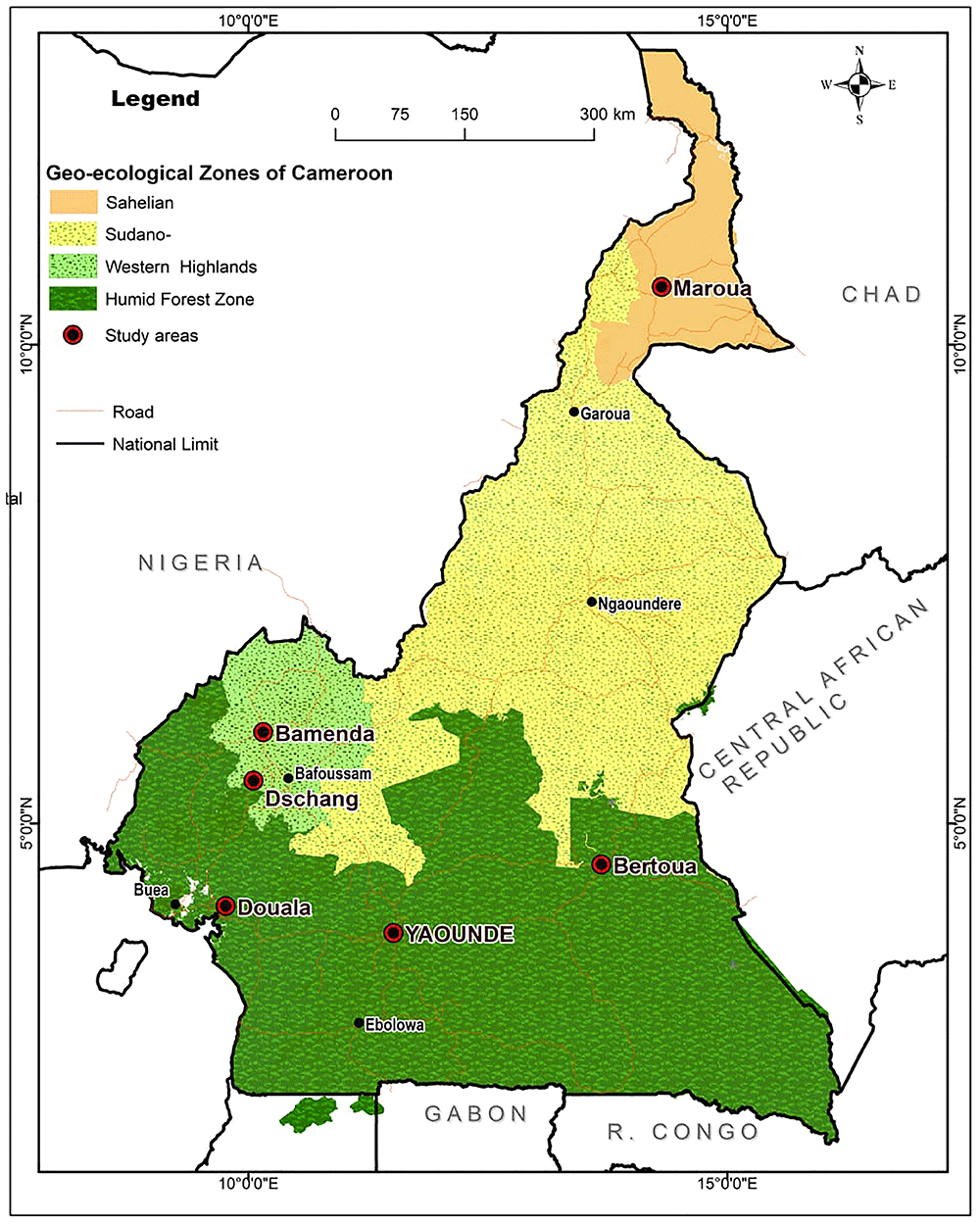
Figure 1. Map highlighting the different study zones and study sites.
Three major geo-ecological blocks with different shades can be noted in the figure, with the Sahel ecology in the northern parts and the forest ecology in the southern and eastern parts. The western highlands contain a mix of color shades that illustrate the mosaic of ecologies in the western highlands of Cameroon.
Ethical consideration
This study received ethical approval from the National Ethics Committee for Human Health Research (N◦2021/11/1407/CE/CNERSH/SP). Research authorizations were equally obtained from the Regional Delegations for Public Health and from the different health centers where the study was conducted. Prior to any study related procedure, written informed consent was obtained from participants, and from parents or guardians if minor after clearly explaining the potential harm and benefits of the study as well data privacy and confidentiality. This study was design under the terms of the declaration of Helsinki concerning human research.
Study design, recruitment of participants and data collection
This study was a multicenter hospital-based study and in each selected health facility, children and adult of both genders suspected of malaria were eligible for participation. Those who provided written consent were recruited in the study and seen only once. A brief pre-designed questionnaire was used to collect information including age, gender, neighborhood/village, ownership/usage of mosquito bed nets, febrility and education level via the open source Kobo collect software. Results of malaria smear and RDTs were reported to the participant and positive cases were referred to the prescribing clinician for treatment according to local guidelines. Excluded from the study were participants who decided to withdraw consent in the course of the study procedures. A total of 1,390 participants were enrolled in the study. Participation was voluntary.
Sample collection procedure and analysis
Venous blood samples were collected from eligible participants who provided written informed consent. Briefly, the skin was cleaned and sterilized using an alcohol wipe and a sterile syringe was used for the procedure. The collected blood was then used to perform malaria RDTs, light microscopy and preparation of four dried blood spots using Whatman N°03 filter papers (DBS, Whitman 903 Protein Saver) for molecular assay. Spotted filter papers were air dried overnight away from direct sunlight, humidity and flies, individually packed in a plastic bag together with a desiccant and stored at room temperature to be transported to the research laboratory for subsequent analyses.
Molecular identification of Plasmodium Parasite species
DNA extraction
The Chelex® – Tween® 20 method was used to extract genomic deoxyribonucleic acid (DNA) from dried blood spots as described by Simon et al. (2020) with some modifications. Summarily, 2 x 6 mm DBS were punched out of each spotted filter paper sample into a deep well plate and 1 ml of 0.5% Tween®-20 added and allowed to shake overnight. Following this, the Tween-20 was aspirated and DBS incubated for 15minutes in 1ml of 1x PBS at 4°C. The PBS was then aspirated and 150 μl of 1:2 chelex®-100 solution was added in every well and incubated in the water bath at 95°C for 10 minutes. After centrifugation, the resulting DNA extract from each well was then transferred into a new labelled DNA loBind plate and stored at -20°C for subsequent use.
Amplification of Plasmodium species DNA
Nested PCR amplification targeting the highly conserved regions of the small-subunit ribosomal RNA (18SrRNA) gene was used to detect and identify the different human malaria-causing Plasmodium species using an optimized protocol previously described by Snounou et al. (1993).
For the first nested PCR amplification reaction, a 25 µl reaction mixture was used; each contained 12.5 µl of One Taq® 2X master mix with standard buffer (New England Biolabs), 9.5♣l of molecular grade water, 0.5 µL of each Plasmodium genus-specific primers (Table 1) and 2 µl of DNA extract. All amplifications were carried out in a BIO-RAD T100™ Thermal Cycler with varying cycling conditions (Table 2). For the second reaction, nested amplification targeting the 18SrRNA gene for P. falciparum, P. vivax, P. malariae and P. ovale sub-species was performed in separate reactions. Each reaction included a specific primer pair targeting either P. falciparum (rFAL1/rFAL2), P. vivax (rVIV1/rVIV2), P. malariae (rMAL1/rMAL2), P. ovale curtisi (rOVA1/rOVA2), P. ovale wallekeri (rOVA1v/rOVA2v). A final volume of 25 ♣l containing 12.5 µL of One Taq® 2X Polymerase with standard buffer (New England Biolabs), 10.5 µL of molecular grade water, 0.5 µL of each Plasmodium species-specific primers, and 1 µL of Nest 1 amplicons was used. The reaction conditions of each PCR and the primer sequences used in this study are summarized in the tables below (Table 1, Table 2 and Table 3).
Table 1. Summary of primer pairs used in the identification of Plasmodium parasite species and expected band sizes of the target gene.
| Species | Primer | Sequence (5’-3’) | Target
and size | |
|---|
| Plasmodium genus | rPLU5 | CCTGTTGTTGCCTTAAACTTC | 1200bp | |
| rPLU6 | TTAAAATTGTTGCAGTTAAAACG | | |
| Plasmodium falciparum | rFAL1 | TTAAACTGGTTTGGGAAAACCAAATATATT | | 205bp |
| rFAL2 | ACACAATGAACTCAATCATGACTACCCGTC | | |
| Plasmodium vivax | rVIV1 | CGCTTCTAGCTTAATCCACATAACTGATAC | | 120bp |
| rVIV2 | ACTTCCAAGCCGAAGCAAAGAAAGTCCTTA | | |
| Plasmodium malariae | rMAL1 | ATAACATAGTTGTACGTTAAGAATAACCGC | | 144bp |
| rMAL2 | AAAATTCCCATGCATAAAAAATTATACAAA | | |
| Plasmodium ovale curtisi | rOVA1 | ATCTCTTTTGCTATTTTTTAGTATTGGAGA | | 787-789bp |
| rOVA2 | GGAAAAGGACACATTAATTGTATCCTAGTG | | |
| Plasmodium ovale wallikeri | rOVA1v | ATCTCCTTTACTTTTTGTACTGGAGA | | 782bp |
| rOVA2v | GGAAAAGGACACTATAAATGTATCCTAATA | | |
Table 2. PCR conditions for Nest 1 amplification of Plasmodium genus.
| Steps | Temperature/ °C | Time/mins |
|---|
| Lid Heating | 105 | / |
| Pre-denaturation | 94 | 3 |
| Denaturation | 94 | 1 |
| Annealing | 61 | 1 |
| Elongation | 68 | 1 |
| 30 cycles |
| Final extension | 68 | 5 |
| Hold | 4 | ∞ |
Table 3. PCR conditions for nested amplification of species specific genes (P. falciparum, P. vivax, P. malariae, P. ovale curtisi and P. ovale wallikeri).
| Steps | P. falciparum | P. vivax | | P. malariae | P. ovale curtisi | | P. ovale wallekeri | Time |
|---|
| Pre-denaturation | | | 94°C | | | 95 | | 3 mins |
| Denaturation | | | 94°C | | | 94 | | 1min |
| Annealing | 61°C | 60°C | | 54°C | | 56 | | 1min |
| Extension | 68°C | | 72 | | 1min |
| Number of cycles 30 | | 25 Cycles | | |
| Final extension | 68°C | | 72 | | 5mins |
| Hold | 4°C | ∞ |
A common set of primer rPLU5 and rPLU6 were used for the primary amplification of the genus Plasmodium and specific nested primers for the different plasmodium species as shown on the table above.
Agarose gel electrophoresis
The nested PCR amplicons were separated on a 2% agarose gel (Sigma, USA) stained with 3 μl of ethidium bromide in 40ml 0.5x TBE at 120 volts for 40 min. The bands were visualized under UV trans-illumination and photographed.
Data management and statistics
Data from the study was recorded using Kobocollect software and subsequently downloaded in excel format for analysis. The Software R Studio version 4.3.2 was used to analyze the study data. R packages not included into the buildup of R was downloaded from the CRAN repository. The package readxl was used to import the data sheet into R studio. The epiR package was used to calculate prevalence, proportions across study groups and 95% confidence interval. The package ggplot2 was used to draw figures. Univariate and multivariable logistic regression models were used to determine the potential risk factors of malaria and was express as crude and adjusted odds ratio (COR and AOR). A P value < 0.05 was considered significant in all comparisons.
Results
Baseline characteristics of study participants
A total of 1390 samples were collected from consenting participants from three geo-ecological zones; Sahelian 289 (Maroua), Humid Forest 514 (Bertoua: 243, Yaounde: 100, Douala: 171) and Western highlands 587 (Dschang: 437, Bamenda: 150). Females accounted for 62.01% (862) of the total study population and males 37.99% (528). The majority of participants were aged above 20 (832; 59.86%) with mean age (25.6 ± 18.26). The overall median (interquartile range) age was 25 (12–35). Fever at the time of survey or 24 hours before survey was reported in 82.57% (1061) of participants. Education level varied from no formal education to Tertiary level of education with the latter representing the highest proportion (398, 32.73%), followed by Secondary (352, 28.9%). 770 participants (64.01%) reported Mosquito bed net ownership and 593 (49.54%) reported to have used bed net the night before survey (Table 4).
Table 4. Socio-demographic characteristics of study participants by Geo-ecological zone.
| Variable | Sahelian Zone (n= 289) | Humid Forest (n= 514 ) | Western Highlands (n= 587 ) | Absolute frequency | Relative frequency (%) | 95% CI (%) |
|---|
| Gender | |
| Female | 160 | 338 | 364 | 862 | 62.01 | [59.42-72.0 ] |
| Male | 129 | 176 | 223 | 528 | 37.99 | [35.39-40.69] |
| Age category | |
| 0–4 years | 77 | 74 | 80 | 231 | 16.62 | [14.03-19.25] |
| 5–9 years | 21 | 31 | 34 | 86 | 6.19 | [3.59-8.82] |
| 10–20 years | 31 | 87 | 123 | 241 | 17.34 | [14.75-19.97] |
| 20 + | 160 | 322 | 350 | 832 | 59.86 | [57.27-62.49] |
| Mean age(± SD) | 21.4 (± 17.21) | 27.4 (± 17.99) | 26.1 (± 18.69) | 25.6 (± 18.69) | | |
| Range | 0-81 | 0-89 | 0-95 | 0-95 | | |
| Median Age(IQR) | 23(26) | 27.5(24) | 24(17) | | | |
| Fever at time of survey or 24 hours before survey | |
| Yes | 247 | 268 | 546 | 1061 | 82.57 | [80.54-84.65] |
| No | 38 | 145 | 41 | 224 | 17.43 | [15.41-19.51 ] |
| Level of Education | | | | | | |
| Primary | 45 | 57 | 92 | 194 | 15.95 | [12.99-19.04] |
| Secondary | 64 | 95 | 193 | 352 | 28.95 | [25.99-32.03 ] |
| Tertiary | 81 | 108 | 209 | 398 | 32.73 | [29.77-35.81] |
| None | 97 | 82 | 93 | 272 | 22.37 | [19.41-25.45] |
| Mosquito net ownership | | | | | | |
| Yes | 263 | 241 | 266 | 770 | 64.01 | [61.26-66.87] |
| No | 21 | 91 | 321 | 433 | 35.99 | [33.25-38.85 ] |
| Bednet use night before survey | |
| Yes | 212 | 219 | 162 | 593 | 49.54 | [46.62-52.53] |
| No | 73 | 113 | 418 | 604 | 50.46 | [47.54-53.45] |
| Study sites | | | | | | |
| Maroua | 289 | | | | 20.79 | [18.13-23.48] |
| Bertoua | | 243 | | | 17.48 | [14.82-20.17] |
| Yaounde | | 100 | | | 7.19 | [4.53-9.88] |
| Douala | | 171 | | | 12.3 | [9.64-14.99] |
| Dschang | | | 437 | | 31.44 | [28.78-34.13] |
| Bamenda | | | 150 | | 10.79 | [8.13-13.48] |
Prevalence of malaria infection by PCR
A total of 1,390 dried blood spots were tested for malaria by nested PCR. Malaria infection was confirmed in 682 cases presenting an overall prevalence of 49, 06%. The highest proportion was recorded from the Sahelian zone with 163 cases (56.4%), followed by the Humid Forest 287 cases (55.84%) with contributions from Bertoua (92 cases, 37.9%), Yaoundé (49 cases, 49.0%) and Douala (146 cases, 85.4%). The Western highlands accounted for a total of 232 cases (39.52%), with 177 cases from Dschang (40.5%) and 55 cases from Bamenda (36.7%). Table 5 and Figure 2 present the prevalence of malaria across the different geo-ecological settings.
Table 5. Malaria prevalence by nested PCR.
| Zone | Study Site | Total samples | PCR Positives (n,%) |
|---|
| Sahelian zone | Maroua | 289 | 163 (56.4) |
| Humid Forest | Bertoua | 243 | 92(37.9) |
| Douala | 171 | 146(85.4) |
| Yaounde | 100 | 49(49.0) |
| Total | | 514 | 287(55,84) |
| Western Highlands | Dschang | 437 | 177(40.5) |
| Bamenda | 150 | 55(36.7) |
| Total | | 587 | 232(39.53) |
Overall
proportion | | | 682 (49.06) |
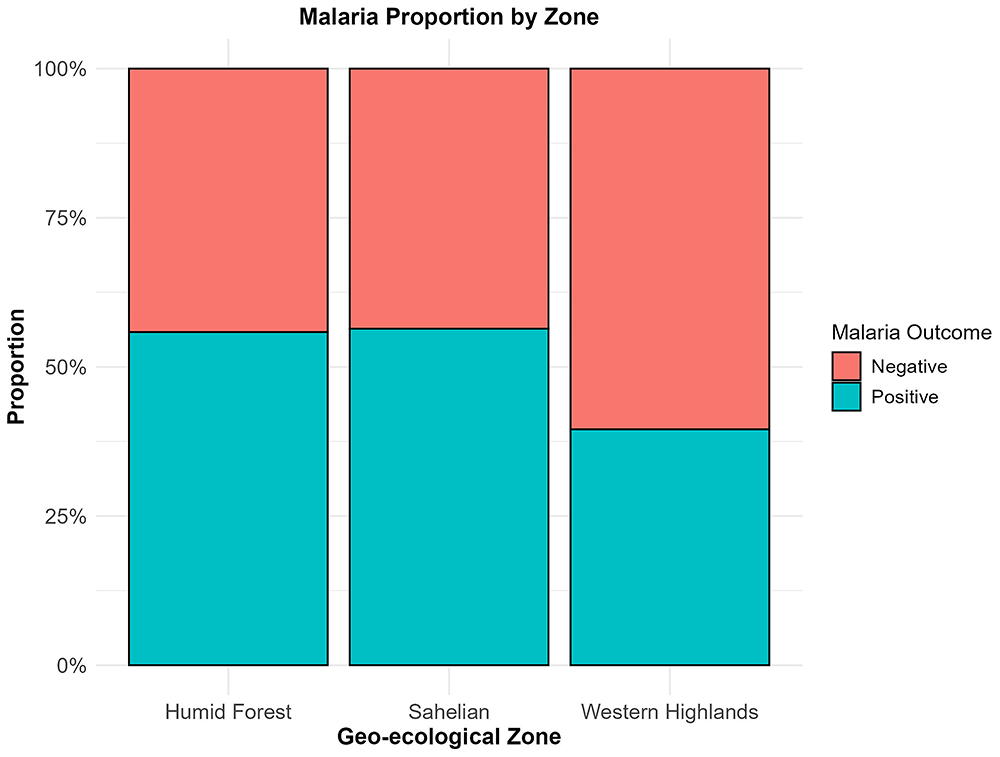
Figure 2. Illustration of Malaria Infection Prevalence by Geo-ecological Zone.
The histograms show the proportions of negative(orange) to positive infections(green) infections plotted against geo-ecology.
Distribution of malaria parasite species by geo-ecological zones
Out of the 682 malaria cases detected by nested PCR, the majority were most commonly single species infections 651/682(95.45%). Five human malaria causing parasites were identified in the study population with P. falciparum being the most frequently detected across all study zones 657/682 (96.33%). There was a clear variation in parasite composition across the different sites. In the Sahelian zone, only P. falciparum, P. ovale curtisi and P. malariae were identified. The Western highlands recorded a broader parasite species diversity with P. falciparum, P. malariae, P. ovale curtisi and P. ovale wallikeri detected. The Humid forest zone showed the highest parasite diversity where all five species were detected; P. falciparum, P. malariae, P. vivax, P. ovale curtisi and P. ovale wallikeri. The Western highlands recorded the highest number of non-falciparum infections (Figure 3). As expected, P. falciparum mono infection was the most represented accounting for 630/682 cases (92.38%). This was followed by P. malariae mono infection observed in 8/682 cases (1.17%) and P. ovale wallikeri in 7/682 cases (1.03%). P. ovale curtisi mono infection detected in 6/682 cases (0.88%) was the least represented among single-species infection. P. vivax was only observed as a mixed infection with P. falciparum (2 cases 682; 0.29%). Coinfections accounted for 31/682 cases (4.55%). The study recorded 7 types of coinfections; 2 P.falciparum/P.vivax, 7 P.falciparum/P.malariae, 11 P.falciparum/P.ovale curtisi, 6 P.falciparum/P.ovale walekeri, 3 P.ovale curtisi/P.ovale wallekeri, 1 P.malariae/P.ovale wallekeri and 1 P.falciparum/P.malariae/ P.ovale wallekeri. Double infections were detected in 30/682 cases (4.39%) with P.falciparum + P.ovale curtisi as the most common coinfection (11/682 cases; 1.61%). A single triple infection involving P. falciparum + P. malariae + P. ovale wallikeri was equally detected (1/682; 0.15%).
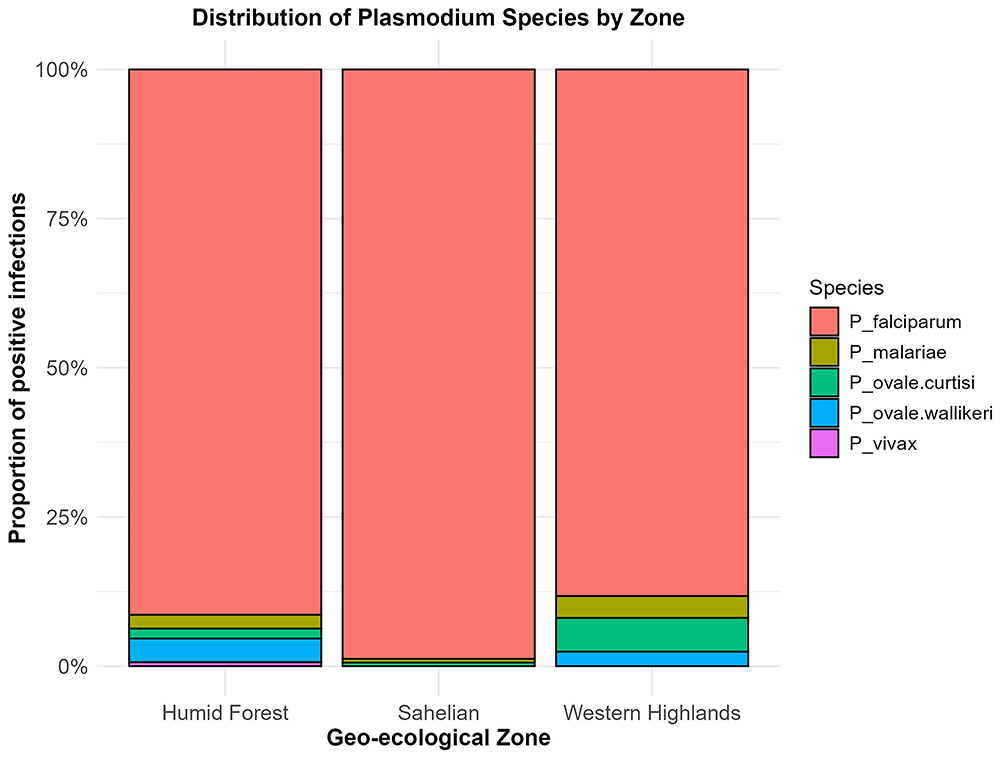
Figure 3. Distribution of Plasmodium species by Geo-ecological zone.
This figure shows species composition diversity by geo-ecological zone. Plasmodium ovale parasites underwent further molecular processing to separate the two sympatric parasite species that do not recombine.
The proportion of non-falciparum infections was 8.36% (57/682). Among all non-falcipparum infections occurring as both mono and coinfections, P. ovale curtisisi was the most frequent (20/57; 35.09%), followed by P. ovale wallikeri (18/57; 31.58%), P. malariae (17/57; 29.82%) and lastly, P. vivax (2/57; 3.51%). Table 6 and Figure 3 present the different parasite species detected and their distribution across the different study zones.
Table 6. Proportion of malaria infection by species and infection type.
| Infection type | Species | Frequency (n) | Percentage (%) | 95% CI (%) |
|---|
Total proportion of malaria
infection by PCR | Positive | 682 | 49.06 | [46.33-51.83 ] |
| Negative | 708 | 50.94 | [48.20-53.69] |
| Single species infection | P.falciparum | 630 | 92.38 | [90.62-94.14] |
| P.vivax | 0 | 0 | [00-00] |
| P. malariae | 8 | 1.17 | [0.00-2.93] |
| P. ovale curtisi | 6 | 0.88 | [0.00-2.64] |
| P. ovale wallikeri | 7 | 1.03 | [0.00-2.79] |
| Total | | 651 | 95.45 | [94.13-97.02] |
| Double infection | P.falciparum + P. malariae | 7 | 1.03 | [0.00-2.79] |
| P.falciparum + P. vivax | 2 | 0.29 | [0.00-2.05] |
| P.falciparum + P. ovale curtisi | 11 | 1.61 | [0.00-3.37] |
| P.falciparum + P. ovale wallikeri | 6 | 0.88 | [0.00-2.64] |
| P.ovale curtisi + P. ovale wallikeri | 3 | 0.44 | [0.00-2.20] |
| P.malariae + P. ovale wallikeri | 1 | 0.15 | [0.00-1.91] |
| Total | | 30 | 4.39 | [3.08-5.96] |
| Triple infection | P.falciparum + P. malariae +
P.ovale wallikeri | 1 | 0.15 | [0.00-2.02] |
| Total proportion of coinfections | 31 | 4.55 | [3.11-6.39] |
| Falciparum infections | P.falciparum | 657 | 96.33 | [94.64-97.50] |
| Proportion of non-falciparum infections among all cases | |
| P. vivax | 2 | 0.29 | [0.08-1.06] |
| Non-falciparum species | P. malariae | 17 | 2.49 | [1.56-3.96 ] |
| P. ovale curtisi | 20 | 2.93 | [1.91-3.96] |
| P. ovale wallikeri | 18 | 2.64 | [1.68-4.13] |
| Total | | 57 | 8.36 | [6.52-10.68] |
| Proportion of non-falciparum species among all non-falciparum infections | |
| P. vivax | 2 | 3.51 | [0.97-11.92] |
| P.malariae | 17 | 29.82 | [19.53-42.66] |
| P. ovale curtisi | 20 | 35.09 | [24.0-48.06] |
| P. ovale wallekeri | 18 | 31.58 | [21.0-44.48] |
Risk factors associated with malaria infection
A total of six independent variables were considered for univariate logistic regression analysis to test for potential risk factors of malaria infection; gender, age, education level, bed net ownership, bed net use and geo-ecological zone.
Gender
Majority of malaria confirmed cases in the study population came from males 265/528 (50.19%). Although the proportion of cases among males were higher than in females 417/862(48.38%), there was no statistically significant difference in malaria risk between them (COR = 1.08, 95% CI = [0.87-1.34], p.value = 0.512; AOR = 1.14, 95% CI; [0.89 – 1.46], p.value = 0.285). This showed that gender was not a major determinant of malaria infection in the study. Figure 4 shows the distribution of malaria infection in relation to gender.
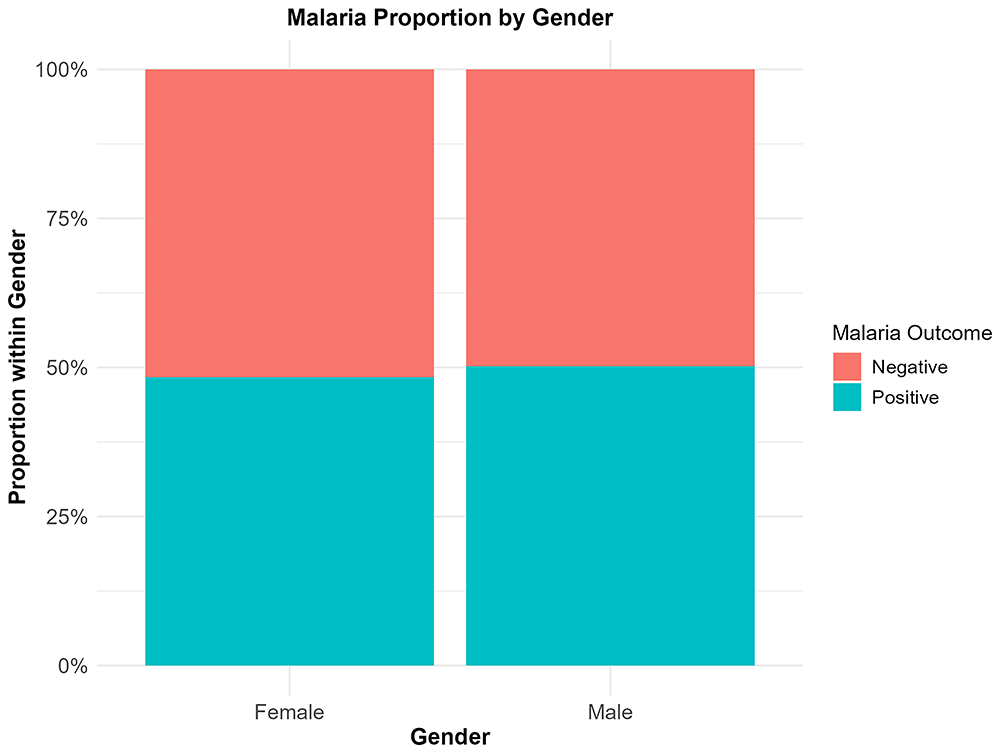
Figure 4. Proportion of malaria infection by gender.
The histograms show how malaria infections distribute by gender in the entire population. Slightly more males than females were infected.
Age
Malaria proportion varied significantly across the different age groups. Age group 10–20 years had the highest proportion of infection 141/241(58.51%), followed by 20 years plus (20 +) with 396/832 cases (47.59%). Children less than 5 years of age (0–4 years) recorded 106/231cases (45.89%) and the age group 5-9 years, 39/86cases (45.35%). The risk of infection was higher in the age group 10–20 years compared to children aged less than 5 years (COR = 1.66, 95% CI = [1.16 -2.40], p.value = 0.006, AOR = 1.88, 95% CI = [1.07-3.34], p.value = 0.03). Figure 5 illustrates malaria proportion with respect to age category.
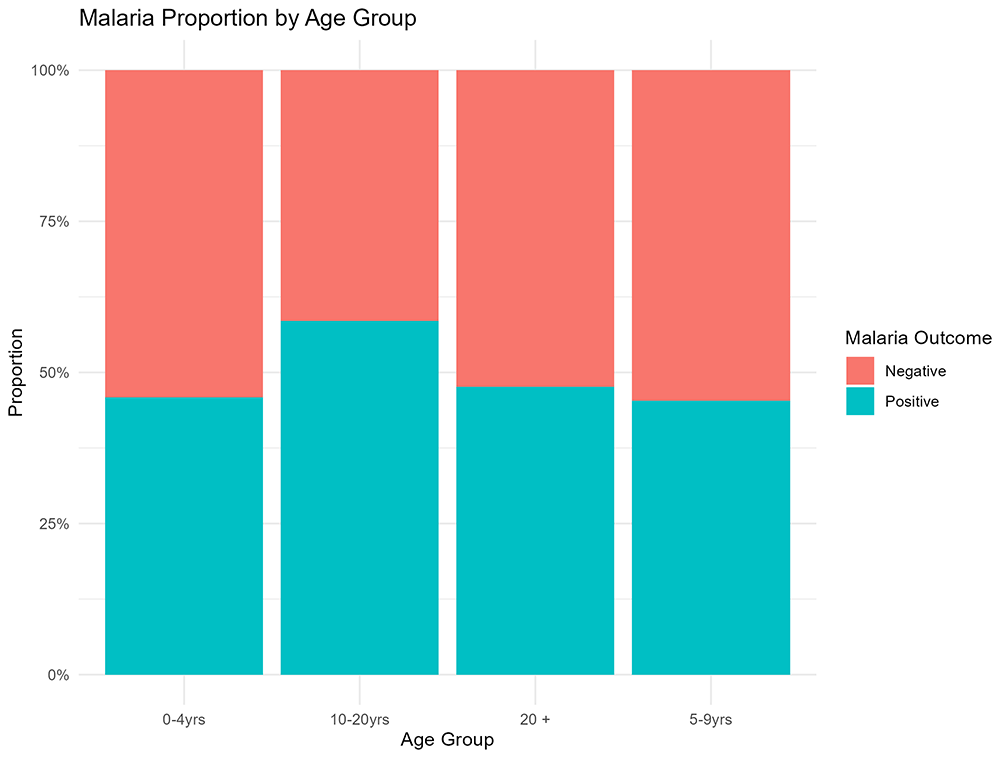
Figure 5. Proportion of malaria infection by age group.
The histograms illustrate malaria infections distribute by group and highlight higher infection prevalence in the 10–20 years age group.
Level of education
Malaria infection varied among the different levels of education. Individuals in the Primary level accounted for the highest proportion of cases 96/194(49.48%), followed by the secondary with 168/352 cases (47.73%) and those who never had any formal education accounted for 122/272 cases (44.85%). Individuals who attended the tertiary level were the least affected with 149/398 cases (37.44%). Although individuals in the Primary level of education accounted for the highest proportion of cases, there was no statistically significant association with malaria infection (COR = 1.2, 95% CI = [0.83-1.74], p.value = 0.32, AOR = 1.28, 95% CI = [0.78-2.10], p.value = 0.32). Figure 6 shows the proportion of malaria infection in relation to education level.
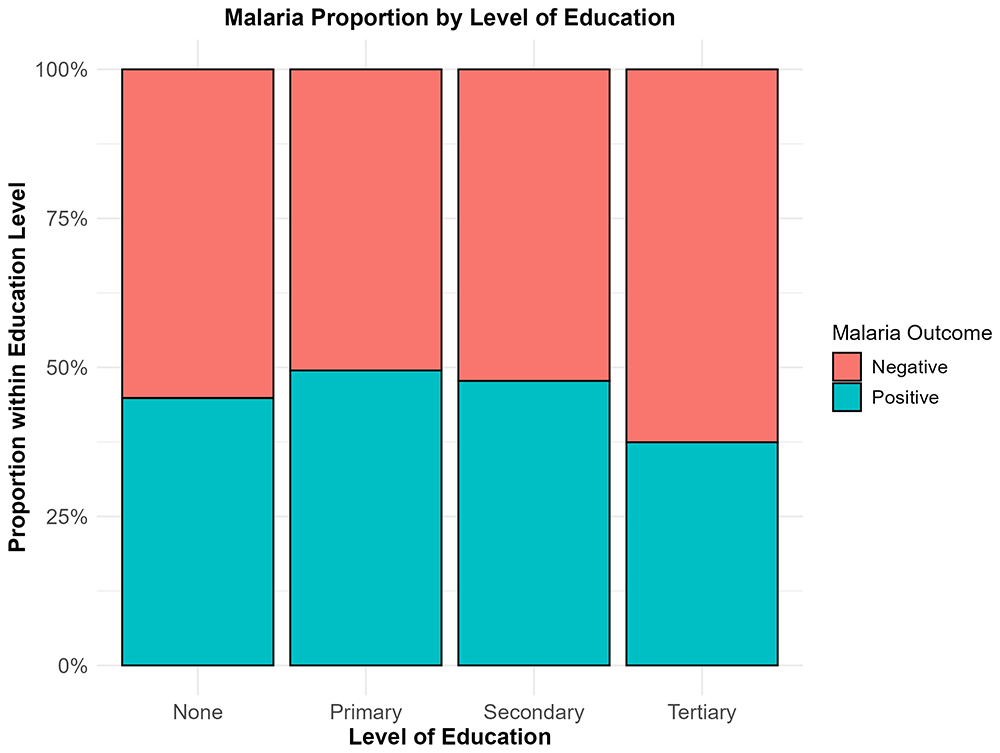
Figure 6. Proportion of malaria infection by educational level.
The histograms show how malaria infection prevalence distribute by educational level and highlight lower prevalence in participants that attained tertiary education compared to the other education categories.
Bed net ownership and use night before survey
The proportion of malaria infection was surprisingly higher among individuals who reported bed net ownership 349/770 (45.32%) compared to those who never had bed nets 182/433(42.03%) but there was no statistically significant difference in their association with malaria infection (COR = 1.14, 95% CI = [0.90 -1.45], p.value = 0.25, AOR = 0.86, 95% CI = [0.63-1.18], p.value = 0.35). Also, individuals who slept under bed net night before survey had a higher proportion of malaria 279/593(47.05%) compared to those who didn’t 249/604(41.23%) but the difference was not statistically significant.
Geo-ecological zone
Geo-ecological zone was found to be significantly associated with malaria infection. Individuals in the Sahelian Zone had the highest proportion of malaria infection 163(56.40%), followed by the Humid Forest zone 287(55.84%) and lastly, the Western Highlands 232 (39.5%). The odds of malaria infection were higher in the Sahelian zone compared to the Forest zone (COR = 1.02, 95%CI = [0.77-1.37], p.value 0.877, AOR = 1.99, 95%CI = [1.43-2.78], p.value < 0.001). Table 7 summarizes the different socio-demographic variables examined as potential risk factors of malaria infection.
Table 7. Risk factors associated with malaria infection.
| Variable | Number of
samples | PCR positive | PCR negative | COR; 95%CI | p.value | AOR: 95%CI | p.value |
|---|
| Gender | | | | | | |
| Female | 862 | 417 (48.38) | 445(51.62) | reference | 0.512 | | |
| Male | 528 | 265 (50.19) | 263(49.81) | 1.08[0.87 – 1.34] | 1.11 [0.87 – 1.42] | 0.39 |
| Age category | | | | | |
| 0-4yrs | 231 | 106 (45.89) | 125 (54.11) | reference | | | |
| 10-20yrs | 241 | 141 (58.51) | 100(41.49) | 1.66[1.16 -2.40] | 0.006 | 1.88 [1.07-3.34] | 0.03 |
| 20 + | 832 | 396 (47.59) | 436(52.40) | 1.07[0.80 -1.44] | 0.645 | 1.07 [0.65-1.74] | 0.79 |
| 5-9yrs | 86 | 39 (45.35) | 47(54.65) | 0.98[0.59-1.61] | 0.932 | 0.96 [0.51-1.80] | 0.89 |
| level of education | | | | | |
| None | 272 | 122(44.85) | 150(55.15) | reference | | | |
| Primary | 194 | 96(49.48) | 98(50.52) | 1.2[0.83-1.74] | 0.323 | 1.28 [0.78-2.10] | 0.32 |
| Secondary | 352 | 168(47.73) | 184(52.27) | 1.12 [0.82 -1.54] | 0.475 | 1.02 [0.62-1.67] | 0.94 |
| Tertiary | 398 | 149(37.44) | 249(62.56) | 0.74 [0.54-1.01] | 0.055 | 0.75 [0.46-1.21] | 0.23 |
| Zone | | | | | | | |
| Humid forest | 514 | 287(55.84) | 227(44.16) | reference | | | |
| Sahel | 289 | 163(56.40) | 126(43.59) | 1.02[0.77 – 1.37] | 0.877 | 1.99 [1.43-2.78] | <0.001 |
Western
highlands | 587 | 232(39.52) | 355(60.48) | 0.52 [0.41 – 0.66] | <0.001 | 0.91 [0.68-1.23] | 0. |
| Bed net ownership | | | | | |
| No | 433 | 182(42.03) | 251(57.97) | reference | | | |
| Yes | 770 | 349(45.32) | 421(54.68) | 1.14 [0.90 – 1.45] | 0.27 | 0.86 [0.63-1.18] | 0.35 |
Bed net use night before
survey | | | | | | |
| No | 604 | 249(41.29) | 354(58.71) | reference | | | |
| Yes | 593 | 279(47.05) | 318(52.95) | 1.27[1.01-1.59] | 0.043 | 1.13 [0.83-1.54] | 0.44 |
Discussion
The primary objective of this study was to investigate the the species composition, distribution and risk factors of parasite species using nested PCR in three geo-ecological zones of Cameroon, with particular emphasis on non-falciparum and Plasmodium vivax in three geo-ecological zones of Cameroon.
Overall, the prevalence of malaria in this study was 49.06% (682/1390). This falls within the range of previously reported malaria prevalence in Cameroon which varies between 8.8% and 64.7% depending on factors such as geographic location, study population and methodological approach (Stopyra et al., 2025).
Five human Plasmodium species were detected as both mono and coinfections; P. falciparum (657/682), P. malariae (17/682), P. vivax (2/682), P. ovale curtisi (20/682) and P. ovale wallekeri (18/682). This study revealed a broader range of parasite species compared to some previous studies, Kojom Foko et al. (2022) identified P. falciparum, P malariae, P vivax and P. ovale curtisi in a similar setting, Nguiffo-Nguete et al. (2023), reported the circulation of P. falciparum, P. malariae and P. ovale, and Stopyra et al. (2025) reported only P. falciparum and a single P. vivax infection in a Forest zone.
Single species infection was identified in 95.45% of all cases (651/682). P. falciparum mono infections accounted for 92.38% (630/682) of all cases and as expected, it was the main species responsible for majority of cases, which is consistent with historical and current data on the predominant parasite specie in a malaria endemic region like Cameroon and other sub-Saharan African countries (Akindeh et al., 2021; Antonio-Nkondjio et al., 2019; Kojom Foko et al., 2022; Nguiffo-Nguete et al., 2023).
The overall proportion of non-falciparum infections was 8.36% (57/682) detected either as mono or coinfections with cases attributed to P. vivax, P malariae, P. ovale curtisi and P. ovale wallekeri. P. malariae mono infection (1.17%, 8/682) was the most common non-falciparum mono infection followed by P. ovale wallekeri. This is similar to findings from some studies conducted in Cameroon and in the Democratic Republic of Congo (Mbama Ntabi et al., 2022; Nguiffo-Nguete et al., 2023) which reported P. malariae mono infection as the most frequent non-falciparum mono infection.
P. vivax infection was detected exclusively at a low frequency (3.51%, 2/57) as a coinfection with P. falciparum. This is consistent with reports from a study from the Centre region of Cameroon that detected a single case of vivax malaria as a coinfection with P. falciparum (Stopyra et al., 2025) but different from some previous findings from Cameroon and other sub-Saharan African countries that reported a higher prevalence of P. vivax both as mono infections and as coinfections (Abebe et al., 2023; Dieng et al., 2025; Djeunang Dongho et al., 2021; Fru-Cho et al., 2014; Sambe et al., 2024). In the past, P. vivax has been considered inexistent among sub-Saharan African populations due to the absence of Duffy antigens that serve as receptors for parasite invasion (Howes et al., 2015; Tchuenkam et al., 2025). Recent reports from Cameroon and other African countries have reported the circulation of P.vivax among Duffy negative individuals and interestingly, our study revealed the presence of 2 P.vivax infections from the Forest zone (Bertoua and Douala). This is consistent with previous reports from the same geo-ecological zone where the circulation of vivax in the zone was equally reported at a very low frequency (Dieng et al., 2025; Kojom Foko et al., 2022). This confirms the circulation of the parasite in this zone although at a low frequency. In the western highlands, particularly in Dschang this species has been reported at higher frequencies (Djeunang Dongho et al., 2021; Russo et al., 2017) but surprisingly, there was no evidence from this site with over 437 samples tested. This is similar to reports from Tchuenkam et al. (2025) who tested over 431 samples in the same area but no vivax was detected. The complete absence of P.vivax from zones where it has been previously reported could be explained by malaria transmission variations (Chouakeu et al., 2023). The previous studies might have coincided with a higher vivax transmission season or a season where malaria control measures might have contributed to the low P. vivax transmission. These results emphasize the need for continuous surveillance of vivax malaria in areas where it has been thought to be absent, as it has been reported in other countries as a cause of severe malaria (Arya et al., 2023; López et al., 2023).
P. ovale curtisi had the highest proportion among all non-falciparum infections, followed by P.ovale wallekeri. The two Plasmodium ovale sub-species, previously considered to be less prevalent in sub-Saharan Africa were distinctively identified in the present study. Kojom Foko et al. (2022) and Tchuenkam et al. (2025) equally reported the circulation of the two sub-types in similar study settings in Cameroon. Like Plasmodium vivax, Plasmodium ovale species though often neglected can also form hypnozoites in the host liver, making the diagnosis, prevention and treatment efforts challenging due to their ability to cause relapsing infections (Xie et al., 2020; Zhou et al., 2019).
The proportion of P. malariae in the study was 2.49% (17/682). P. malariae mono infections accounted for 1.17% of all cases which is lower than the 2.5% prevalence reported by Nguiffo-Nguete et al. (2023) and higher than the prevalence reported by Tchuenkam et al. (2025). P. malariae and P. ovale species have been considered as low-level parasites and with their increasing reports and prevalence, it is important to accurately map their distribution in Cameroon and contribution to the global malaria burden in order to achieve the malaria elimination goal.
Co-infections accounted for 31/682 cases (4.55%) with P. falciparum/P. ovale curtisi as the most common. These findings contrasts some reports from previous studies in Cameroon that detected P. falciparum/P. malariae as the most common coinfection (Feufack-Donfack et al., 2021; Nguiffo-Nguete et al., 2023). A triple infection involving P. falciparum/P. malariae/P. ovale wallekeri was detected in Douala. Similarly, Nguiffo-Nguete et al. (2023) reported a similar type of triple infection.
Due to the low prevalence of non-falciparum infections and often existing as coinfections with P. falciparum, they are being underestimated in malaria control strategies in sub-Sahara Africa. In areas where P. falciparum co-exist with other species, control and elimination efforts are less effective and this can affect disease severity, diagnosis and treatment efficacy (Diagne et al., 2024). Thus, there is need for a special attention to be given to non-falciparum infections and coinfections in the global fight against malaria.
The risk of malaria infection was significantly associated with age in the present study. Children aged 10–20 years were more likely to be infected with malaria compared to children less than 5 years. This can be attributed to malaria control campaigns mostly targeting children under 5 years of age and pregnant women and this is possibly resulting in a shift in malaria infection dynamics (Nguiffo-Nguete et al., 2023). This is similar to a previous finding (Tangi et al., 2023) that reported the age group 15–20 as the most at risk of malaria infection but disagrees with some recent reports, Kaghou et al. (2024) from the North west region of Cameroon found no significant association between age and malaria infection. Also, Mbohou et al. (2019) outlined that the risk of malaria infection decreases with increase in age in malaria endemic regions where repeated exposure results in better immunity in adolescents and young adults compared to younger children.
Another significant predictor of malaria identified in this study was geo-ecological zone. In Cameroon, malaria transmission varies across different ecological zones. As expected, the Sahelian zone reported the highest proportion of malaria infection and the odds of malaria infection was higher in this zone compared to the Humid Forest. This is due to its hyperendemic nature characterized by seasonal outbreaks of malaria favoring Anopleles mosquitoes breeding (Antonio-Nkondjio et al., 2019; Chouakeu et al., 2023).
Although males recorded a higher proportion of malaria in the study than females, there was no statistically significant difference in malaria infection distribution between males and females. This is consistent with findings from other studies (Mbohou et al., 2019; Ngum et al., 2023). In contrast, some studies from Cameroon and other African countries reported a significant association, with higher odds of malaria infection in either males or females (Ebhuoma et al., 2022; Nyasa et al., 2021; Quaresima et al., 2021).
The prevalence of malaria infection in the study was unexpectantly higher among individuals who owned bed nets and equally among those who used bed nets night before survey than those not having or who never slept under bed net. This is similar to findings from a study in Cameroon (Nyasa et al., 2021) but different from a report from Ethopia (Duguma et al., 2022)
This study had some limitations. The low frequency of P. vivax observed in the study could be attributed to the fact that this was a hospital-based study that included only patients suspected of malaria. Vivax infection can have mild or unnoticeable symptoms and people with it may not have gone to the hospital. Studies investigating only clinical infections might therefore not reflect the full picture of vivax malaria incidence and transmission in the general population. Future studies should include community and asymptomatic samples.
Conclusion
Plasmodium spp. infection still remains a serious health concern in Cameroon with P. falciparum contributing to the highest burden across all zones. This study revealed the circulation of five human parasite species in three malaria endemic zones of Cameroon; P. falciparum, P malariae, P vivax, P. ovale curtisi and P. ovale wallekeri and reaffirms the predominance of P. falciparum species in the country. The presence of P. vivax and other non-falciparum relapsing species at a lower frequency in Duffy-negative individuals emphasize the need for continuous surveillance of these neglected parasites in order to accurately define the burden of malaria in the country and to contribute to updated locally informed control and elimination strategies.
Abbreviations
DBS: Dried blood spots
PCR: Polymerase chain reactions
18srRNA: 18 small sub-unit ribosomal ribonucleic acid
DNA: Deoxy-ribonucleic acid
NMCP: National Malaria Control Programme
LM: Light microscopy
RDTs: Rapid diagnostic tests
COR: Crude odd ratio
AOR: adjusted odd ratio
95% CI: ninety-five percent confidence interval
PBS: Phosphate-buffered saline
P. falciparum: Plasmodium falciparum
P. vivax: Plasmodium vivax
P. malariae: Plasmodium malariae
P. ovale curtisi: Plasmodium ovale curtisi
P. ovale wallikeri: Plasmodium ovale wallekeri
Ethics approval and consent to participate
The study protocol was reviewed and approved by the National ethics committee for Human health research of Cameroon (N◦2021/11/1407/CE/CNERSH/SP). Written informed consent was provided by all study participants or from parents and legal guardians for minors before participation in the study. The study was designed under the terms of the declaration of Helsinki concerning human research.