Introduction
Diseases have no limits; a health threat anywhere is a health threat everywhere. Recent instances of disease outbreaks underscore the interconnected nature of global health, emphasizing that a threat posed by a disease in any location poses a risk to the entire world (CDC, 2023a). Emergence and new infectious diseases are today’s top global health security risks, and one way to combat this is by workforce development of frontline staff to identify, track and contain outbreaks at their source. The negative and destructive effects of outbreaks are more likely to occur in a world where there is no constant focus on ensuring global health security. The goal of the global health security agenda is to improve the global capacity to prevent, identify, and address infectious disease threats. Nigeria is among the countries that have signed this framework. In 2019, Nigeria became a global health security agenda partner country committed to improving progress towards global health security agenda goals and internal health regulations (CDC, 2023b).
Preparation is a requirement of 196 signatories to the International Health Regulations (IHR) (2005), the world’s defense against significant threats to public health. Systems must be capable of preventing, defending against, controlling, and responding to the international spread of illness, which can occur at unanticipated rates in an interconnected world (WHO, n.d.). Epidemic preparedness refers to all the steps that are needed to be performed at the local, state, and federal levels, as well as in health facilities to be prepared and successfully address disease outbreaks. To prepare for an epidemic, routine surveillance systems must be developed to detect outbreaks, and employees must be organized to confirm, examine, and respond to epidemics (Fatiregun and Isere, 2017). To deal with the disease, it is important to prepare a culture of safe medical procedures that can limit and stop the spread of disease outbreaks. Without a culture of safe practices, healthcare facilities will be more vulnerable to communicable disease exposure and health disruption (Ughasoro et al., 2019).
Diphtheria, a vaccine-preventable disease and an epidemic-prone notifiable disease reported under the integrated disease surveillance and response system (IDSR), has been a global burden that has improved with the introduction of vaccines into immunization programs. However, in Nigeria today, there is a surge in the incidence of this contagious disease, causing epidemics that primarily affect children. It is caused by Corynebacterium spp., mainly by toxin-producing Corynebacterium diphtheriae and rarely by toxin-producing strains of Corynebacterium ulcerans and Corynebacterium pseudotuberculosis. It appears as tonsillitis, laryngitis, or pharyngitis with signs and symptoms such as fever, cough, running nose, sore throat, and red eyes, and is characterized by an adherent pseudo-membrane, a thick, grey coating made up of necrotic tissue and bacteria, which is the tell-tale sign of infection covering the tonsils, pharynx, and/or nose. In addition to respiratory issues, myocarditis and neuritis may develop in some cases. The low vaccine coverage of diphtheria antitoxin has been attributed to disease outbreaks. As of November 2023, Epi week 01–44 cumulatively, 20 states have been affected, 130 LGAs, a total of 10,863 have been confirmed cases, 560 deaths, and a case fatality of 5.2% has been reported. The immunization coverage rate ranged from 5–48% across northern states in 2018, of which Kano state is one of them (Eze et al., 2021). Kano State is in the northwestern part of the country, is one of the states currently hit by diphtheria, and has the highest number of cases and deaths. Skilled human resources are crucial components required to successfully respond to an infectious disease outbreak. This review aims to assess preparedness for the diphtheria epidemic among health workers in Kano State, Nigeria.
Methodology
This descriptive cross-sectional study was designed to assess the preparedness for the diphtheria epidemic among healthcare workers in the Kano state using a quantitative study approach to collect data from 421 healthcare workers (Nurses and Community Health Extension workers) through a semi-structured interviewer questionnaire.
A multistage sampling technique was used for Healthcare Workers (HCWs), and a semi-structured interviewer-administered questionnaire was used to obtain quantitative data. Data generated from the study were analyzed using Statistical Package for the Social Sciences (IBM/SPSS version 21). The sex variable used in this study applies to the sex assigned at birth.
Ethical approval statement and consent to participate
Ethical approval was obtained from the Health Research Ethics Committee of the Kano State Ministry of Health, Kano State, Nigeria on the 19th of May 2023.The approval number is NHREC/17/03/2018 and the reference number is SHREC/2023/3985.The study commenced in September 2023 where written informed consent was obtained from all the participants. No harm was caused to the participants during the study Participants were informed about the choice to participate or withdraw from the study at any time with no consequences.
Consent to participate
A written informed consent was obtained from all participants, and this document was approved by the ethics committee before the study was implemented.
Results
The mean (standard deviation) age of the health workers who participated in the study was 34(9.2%) years, indicating that they predominantly fell within the early to mid-thirties age range. The majority (54.7%) of the participants were female, while (45.8%) were male. The predominant religion observed was Islam (80.5%), whereas (19.5%) are Christians. Regarding educational background, 47.7% had a certificate or diploma,8.3% had an undergraduate degree, and 43.9% had a graduate or postgraduate degree. The ethnic composition is diverse, with the largest proportion being Hausa (58.9%) and the majority (72.5%) of the respondents being married. Almost half of the respondents 46.1% are community health extension workers, while slightly above half 53.9% are nurses. There was a fair distribution of respondents across the senatorial districts, with 47.0% from the primary health care institutions (
Table 1).
Table 1. Socio-demographic characteristics of the respondents.
| Socio-demographics
|
Frequency |
|---|
| Age group (years)
| |
| <=25 | 83 (19.7) |
| 26–30 | 113 (26.8) |
| 31–35 | 77 (18.3) |
| 36–40 | 62 (14.7) |
| 41+ | 86 (20.5) |
| Mean age
SD (years) | 34
9.2 |
| Sex
| |
| Female | 228 (54.2) |
| Male | 193 (45.8) |
| Highest level of education
| |
| Certificate/diploma | 201 (47.7) |
| Undergraduate | 35 (8.3) |
| Graduate/postgraduate | 185 (44.0) |
| Religion
| |
| Islam | 339 (80.5) |
| Christianity | 82 (19.5) |
| Ethnicity
| |
| Fulani | 75 (17.8) |
| Hausa | 248 (58.9) |
| Igbo | 55 (13.1) |
| Yoruba | 35 (8.3) |
| Others | 8 (1.9) |
| Marital status
| |
| Never married | 110 (26.1) |
| Married | 305 (72.5) |
| Divorced/separated/widowed | 6 (1.4) |
| Cadre
| |
| Community health worker | 194 (46.1) |
| Nurse | 227 (53.9) |
| Facility level
| |
| Primary | 198 (47.0) |
| Secondary | 109 (25.9) |
| Tertiary | 114 (27.1) |
| Senatorial district
| |
| Kano South | 132 (31.4) |
| Kano North | 139 (33.0) |
| Kano Central | 150 (35.6) |
Overall knowledge grading of respondents
For the overall knowledge score, slightly above half of the respondents 51% have poor knowledge as compared with 49% of the respondents who had good knowledge (
Figure 1).
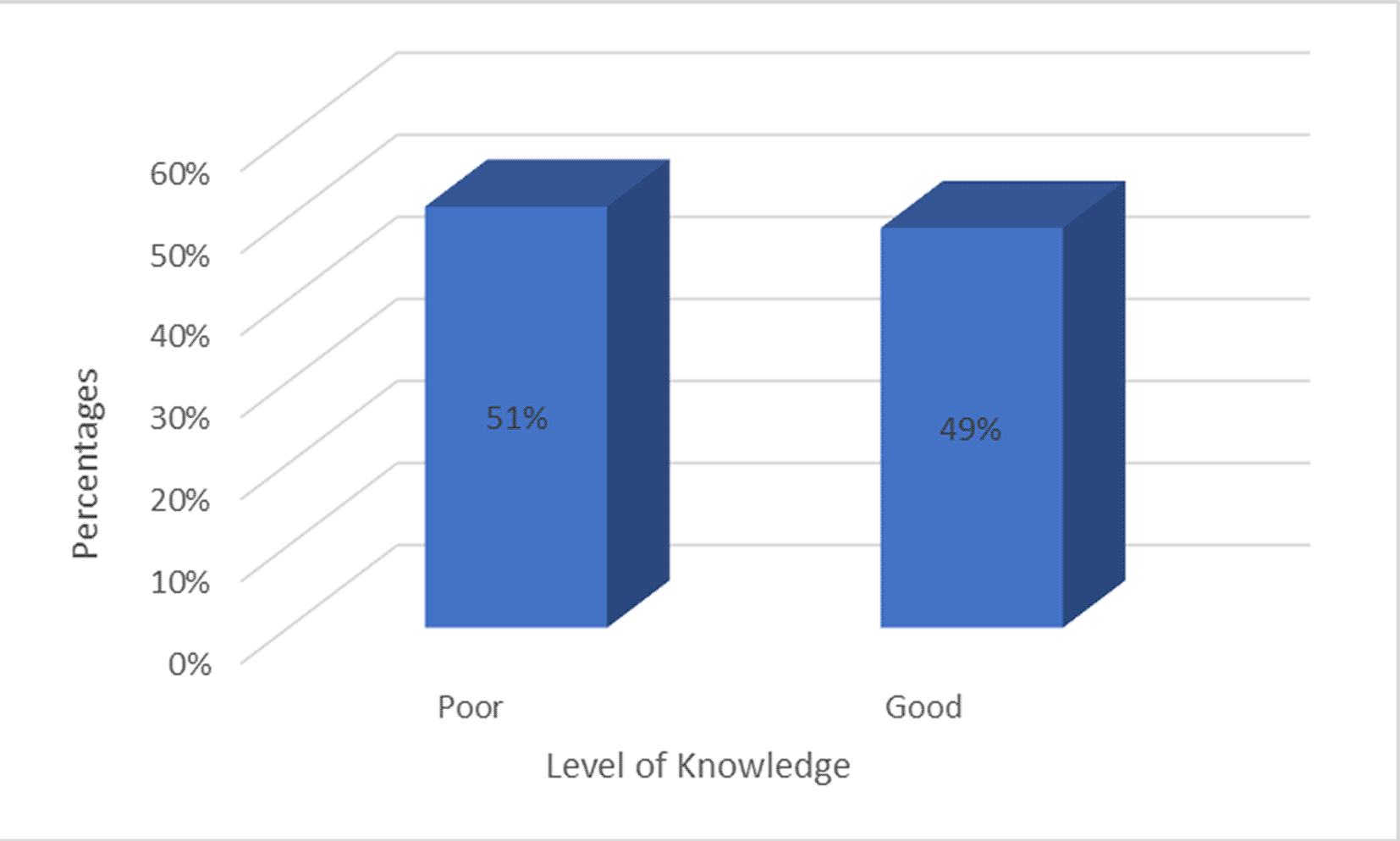
Figure 1. The level of Knowledge among respondents.
Respondents’ association between socio-demographic characteristics and knowledge of diphtheria
The distribution of levels (poor or good) of knowledge of diphtheria and the background characteristics of the respondents is shown in
Table 2. Notably, respondents of other ethnicities (62.2%) demonstrated a higher proportion of good knowledge compared to the Hausa (44.4%) and the Fulani (50.0%) ethnic groups. Health care workers with a graduate/postgraduate degree have a higher proportion of good knowledge (56.2%) compared to those with a certificate/diploma or undergraduate degree (37.1%). On average, the proportion of healthcare workers with good knowledge increases from younger to older age groups. A statistically significant association was found between age group, highest level of education, ethnicity, and the knowledge of diphtheria, with the p-values of 0.004, 0.018, and 0.018, respectively. Community Health Workers had 55.2% in the poor knowledge category and 44.8% in the good knowledge category, while nurses had 48.0% and 52.0%, respectively, the chi-square analysis for cadre yielded a value of 2.133 with a p-value of 0.144, indicating no significant association. Similarly, there was no significant association at the facility level (chi-square value = 4.278, p = 0.118) or among senatorial districts (chi-square = 2.796, p = 0.247), despite some variability in knowledge distribution at Primary, Secondary, and Tertiary facility levels, as well as among the Kano South, Kano North, and Kano Central districts (
Table 2).
Table 2. Association between Socio-demographic characteristics and knowledge of diphtheria among Healthcare Workers.
| Parameters | Knowledge | | |
|---|
| Poor (%) | Good (%) | χ2 |
p-value
|
|---|
| Age group (years)
| | | | |
| ≤ 25 | 57 (68.7) | 26 (31.3) | 15.323 | 0.004*
|
| 26–30 | 50 (44.2) | 63 (55.8) | | |
| 31–35 | 42 (54.5) | 35 (45.5) | | |
| 36–40 | 26 (41.9) | 36 (58.1) | | |
| > 40 | 41 (47.7) | 45 (52.3) | | |
| Sex
| | | | |
| Female | 114 (50.0) | 114 (50.0) | 0.340 | 0.560 |
| Male | 102 (52.8) | 91 (47.2) |
| Highest level of education
| | | | |
| Certificate/diploma | 113 (56.2) | 88 (43.8) | 8.001 | 0.018*
|
| Undergraduate | 22 (62.9) | 13 (37.1) |
| Graduate/postgraduate | 81 (43.8) | 104 (56.2) |
| Religion
| | | | |
| Islam | 185 (54.6) | 154 (45.4) | 7.431 | 0.006*
|
| Christianity | 31 (37.8) | 51 (62.2) |
| Ethnicity
| | | | |
| Fulani | 38 (50.7) | 37 (49.3) | 11.907 | 0.018*
|
| Hausa | 141 (56.9) | 107 (43.1) |
| Igbo | 19 (34.5) | 36 (85.5) |
| Yoruba | 16 (45.7) | 19 (54.3) |
| Others | 2 (25.0) | 6 (75.0) |
| Marital status
| | | | |
| Not married | 66 (56.9) | 50 (43.1) | 6.779 | |
| Married | 150 (49.2) | 155 (50.8) | |
| Cadre
| | | | |
| Community health worker | 107 (55.2) | 87 (44.8) | 2.133 | 0.144 |
| Nurse | 109 (48.0) | 118 (52.0) |
| Facility level
| | | | |
| Primary | 91 (46.0) | 107 (54.0) | | |
| Secondary | 61 (56.0) | 48 (44.0) | 4.278 | 0.118 |
| Tertiary | 64 (56.1) | 50 (43.9) | | |
| Senatorial district
| | | | |
| Kano South | 62 (47.0) | 70 (53.0) | 2.796 | 0.247 |
| Kano North | 79 (56.8) | 60 (43.2) |
| Kano Central | 75 (50.0) | 75 (50.0) |
Respondents’ association between socio-demographic characteristics and infection prevention control practices
Overall, the level of infection prevention control practices among the health workers showed that slightly above half (53.4%) of the respondents had poor Infection Prevention Control (IPC) practices, while 46.6% had good practices. There was no significant association between age or sex. However, a significant association existed between the highest level of education and diphtheria practice (χ2 = 12.395, p = 0.002). Specifically, healthcare workers with a certificate/diploma show a higher proportion of poor practice than those with an undergraduate, graduate, or postgraduate degree. No significant association was found between ethnicity and Diphtheria practice (χ2 = 4.018, p = 0.404) There was a notable association between cadre, health facility level, and senatorial district with IPC practice among respondents. Specifically, Community Health Workers, Primary facilities, and the senatorial districts of Kano South and Kano North exhibited higher proportions of poor practices than Nurses, Secondary and Tertiary facilities, and Kano Central facilities, with all associations being highly significant (p = 0.001) (
Table 3).
Table 3. Association between socio-demographic characteristics and infection prevention control practice of diphtheria among healthcare workers.
| Variables | Practice | χ2 |
p-value
|
|---|
| Poor (%) |
Good (%) |
|---|
| Age group (years)
| | | | |
| ≤ 25 | 47 (56.6) | 36 (43.4) | 5.762 | 0.218 |
| 26–30 | 67 (59.3) | 46 (40.7) |
| 31–35 | 40 (51.9) | 37 (48.1) |
| 36–40 | 34 (54.8) | 28 (45.2) |
| > 40 | 37 (43.0) | 49 (57.0) |
| Sex
| | | | |
| Female | 117 (51.3) | 111 (48.7) | 0.905 | 0.341 |
| Male | 108 (56.0) | 85 (44.0) |
| Highest level of education
| | | | |
| Certificate/diploma | 123 (61.2) | 79 (38.8) | 12.395 | 0.002*
|
| Undergraduate | 21 (60.0) | 14 (40.0) |
| Graduate/postgraduate | 81 (43.8) | 104 (56.2) |
| Ethnicity
| | | | |
| Fulani | 41 (54.7) | 34 (45.3) | 4.018 | 0.404 |
| Hausa | 134 (54.0) | 114 (46.0) |
| Igbo | 32 (58.2) | 23 (41.8) |
| Yoruba | 16 (45.7) | 19 (54.3) |
| Others | 2 (25.0) | 6 (75.0) |
| Marital status
| | | | |
| Never married | 55 (50.0) | 55 (50.0) | 1.829 | 0.425f |
| Married | 168 (55.1) | 137 (44.9) |
| Divorced/separated/widowed | 2 (33.3) | 4 (66.7) |
| Cadre
| | | | |
| Community health worker | 124 (63.9) | 70 (36.1) | 15.862 | 0.001
|
| Nurse | 101 (44.5) | 126 (55.5) |
| Facility level
| | | | |
| Primary | 155 (78.3) | 43 (21.7) | 108.454 | 0.001
|
| Secondary | 49 (45.0) | 60 (55.0) |
| Tertiary | 21 (18.4) | 93 (81.6) |
| Senatorial district
| | | | |
| Kano South | 99 (75.0) | 33 (25.0) | 66.408 | 0.001
|
| Kano North | 84 (60.4) | 55 (39.6) |
| Kano Central | 42 (28.0) | 108 (72.0) |
Respondents’ socio-demographic predictors of knowledge of diphtheria
The sociodemographic predictors of knowledge of diphtheria among the health workers showed that age, education level, ethnicity, and marital status did not consistently exhibit statistically significant associations with knowledge of diphtheria (
Table 4).
Table 4. Socio-demographic predictors of knowledge of diphtheria among study participants.
| Variables | β | Odd ratio | 95% C I |
p-value
|
|---|
| Age group (years)
| | | | |
| ≤ 25 | −0.561 | 0.570 | 0.280–1.161 | 0.121 |
| 26–30 | 0.334 | 1.397 | 0.757–2.579 | 0.285 |
| 31–35 | −0.143 | 0.867 | 0.457–1.645 | 0.662 |
| 36–40 | 0.278 | 1.320 | 0.669–2.606 | 0.424 |
| > 40 | RC | | | |
| Highest level of education
| | | | |
| Certificate/diploma | 0.445 | 1.561 | 0.715–3.408 | 0.264 |
| Undergraduate | 0.673 | 1.960 | 0.887–4.332 | 0.096 |
| Graduate/postgraduate | RC | | | |
| Ethnicity
| | | | |
| Fulani | −0.052 | 0.949 | 0.408–2.206 | 0.903 |
| Hausa | −0.280 | 0.756 | 0.357–1.602 | 0.465 |
| Igbo | 0.493 | 1.637 | 0.668–4.010 | 0.281 |
| Others | 1.030 | 2.802 | 0.474–16.548 | 0.256 |
| Yoruba | RC | | | |
| Marital status
| | | | |
| Never married | 0.055 | 1.057 | 0.650–1.719 | 0.823 |
| Married | RC | | | |
Respondents’ predictors of infection prevention control practices
Those working in the primary health facilities were 91% less likely to have good IPC practices against diphtheria as compared to the tertiary health facilities, and this was statistically significant (CI 0.041–0.232, p-value 0.001). Also, those working in the secondary health facilities are 60% less likely to have good IPC practices against diphtheria as compared in the tertiary health facilities. Those with certificate/diploma are 2.4 times more likely to have good preventive practices when compared to Graduate/postgraduate, but this is not statistically significant (CI 0.982–6.090, p-value 0.055). In addition, respondents with undergraduate education, are 2 times more likely to have good preventive practices against diphtheria, and this was also not statistically significant. (CI:0.905–5.072, p-value 0.083). Those who are Community Health Workers are 25% less likely to have good preventive practices as compared with the Nurses (CI 0.452–1.274, p-value 0.297) though not statistically significant. The senatorial district did not demonstrate a statistically significant association with the preventive practice of diphtheria compared with the reference group (Kano central) as shown in (
Table 5).
Table 5. Predictors of Infection prevention control practice of diphtheria among study respondents.
| Variables | Β | Odd ratio | 95% C I |
p-value
|
|---|
| Highest level of education
| | | | |
| Certificate/diploma | 0.894 | 2.445 | 0.982–6.090 | 0.055 |
| Undergraduate | 0.762 | 2.142 | 0.905–5.072 | 0.083 |
| Graduate/postgraduate | RC | | | |
| Cadre
| | | | |
| Community health worker | −0.276 | 0.759 | 0.452–1.274 | 0.297 |
| Nurse | RC | | | |
| Facility level
| | | | |
| Primary | −2.333 | 0.097 | 0.041–0.232 | 0.001
|
| Secondary | −0.902 | 0.406 | 0.176–0.936 | 0.034 |
| Tertiary | RC | | | |
| Senatorial district
| | | | |
| Kano South | −0.689 | 0.502 | 0.234–1.076 | |
| Kano North | −0.419 | 0.658 | 0.318–1.362 | 0.260 |
| Kano Central | RC | | | |
Assessment of the state of preparedness of the healthcare facilities
Assessment checklist for evaluating the state of preparedness for diphtheria using the variables: training and education, emergency preparedness and response, vaccination and immunization, surveillance and reporting, infection and control, and medication and treatment. The state of facility preparedness for diphtheria responses were poor, with 70.8% of the facilities, 20.8% being moderate, and 8.3% being good (
Table 6).
Table 6. Assessment checklist for evaluating the state of preparedness of facility for diphtheria response.
| Parameters | Yes (%) | No (%) |
|---|
| Emergency response plan
| | |
| The facility established a comprehensive emergency response plan specific to diphtheria | 13 (54.2) | 11 (45.8) |
| The plan routinely reviewed and revised is as necessary | 14 (56.3) | 10 (41.7) |
| The roles and responsibilities of staff are clearly stated within the plan | 15 (62.5) | 9 (37.5) |
| There are designated individual responsible for overseeing the response efforts | 16 (66.7) | 8 (33.3) |
| Training and education
| | |
| All healthcare personnel have received training on the protocols associated with diphtheria response | 7 (29.2) | 17 (70.8) |
| Staff members are knowledgeable about the symptoms and signs of diphtheria | 23 (95.8) | 1 (4.2) |
| Staffs have been adequately trained in the proper utilization of personal protective equipment (PPE) | 23 (95.8) | 1 (4.2) |
| There is an ongoing program for staff training and refresher courses on diphtheria | 10 (41.7) | 14 (58.3) |
| Vaccination and immunization
| | |
| The vaccination coverage target is met in the facility for the pentavalent vaccine against diphtheria | 11 (45.8) | 13 (54.2) |
| There are systems in place for maintaining accurate records of the vaccination status of children | 13 (54.2) | 11 (45.8) |
| The facility has protocols in place for administering booster vaccinations as necessary for diphtheria | 12 (50.0) | 12 (50.0) |
| Surveillance and reporting
| | |
| The facility possesses a robust system for monitoring diphtheria cases within the community | 14 (58.3) | 10 (41.7) |
| There is a streamlined process for promptly reporting suspected cases to local health authorities | 23 (95.8) | 1 (4.2) |
| The facility is linked to a regional or national disease surveillance network | 24 (100.0) | 0 (0.0) |
| Infection control
| | |
| There is a designated isolation area for diphtheria cases | 7 (29.2) | 17 (70.8) |
| Hand hygiene stations readily available throughout the facility | 15 (62.6) | 9 (37.5) |
| The facility possesses an ample supply of personal protective equipment (PPE) for healthcare staff | 22 (91.7) | 2 (8.3) |
| Stringent hand hygiene and infection control measures is in place | 22 (91.7) | 2 (8.3) |
| There are written infection prevention and control measures for diphtheria cases | 19 (79.2) | 5 (8.3) |
| Medication and treatment
| | |
| There are readily accessible stockpile of diphtheria antitoxin and antibiotics within the facility | 12 (50.0) | 12 (50.0) |
| There is an established process for promptly administering antitoxin and antibiotics to confirmed cases | 9 (37.5) | 15 (62.5) |
| Healthcare personnel have been trained in the correct administration of these medications | 8 (33.3) | 16 (66.7) |
Discussion
Ensuring epidemic preparedness and response play an important role in every sovereign nation. Every threat to health, particularly the spread of communicable diseases, constitutes a potential threat to human existence. During infectious disease outbreaks, healthcare professionals play a critical role in lowering morbidity and mortality rates while also providing routine medical care for other patients. The public expects health workers to be able to maintain the health system’s functionality and offer surge capacity during infectious disease epidemics because of their moral and professional obligations to their patients (Okoeguale et al., 2021). The success of any effort initiated to address epidemics within a country will primarily hinge on the proficiency, accessibility, and dedication of frontline healthcare workers.
The distribution of study respondents by sociodemographic variables revealed that the mean age of the respondents ranged from 34 ± 9.2. This is similar to a study on health workers in Northern Nigeria where the mean age of the respondents studied was 34.09 ± 9.1 (Amoran and Onwube, 2013). The survey revealed that 54.7% of the participants were female and 45.8% were male. Many of the respondents identified as Muslims, accounting for 80.5%, while Christians made up 19.5%. The predominant ethnic group among the respondents was the Hausa, reflecting the ethnic distribution in Kano and the people’s predominant language. In terms of marital status, most respondents were married. In addition, 47.7% held a certificate or diploma, 8.3% had an undergraduate degree, and 43.9% had a graduate or postgraduate degree. Furthermore, 46.1% of the respondents were Community Health Extension Workers and slightly over half 53.9% were nurses.
Inadequate knowledge is a risk factor for disease transmission as it can lead to increased levels of care. The study demonstrated an overall knowledge score, showing that slightly above half of the respondents 51% had poor knowledge of diphtheria as compared to 49% of the respondents who had good knowledge. This is in contrast to a study carried out in Nepal and Ghana (Amoran and Onwube, 2013; Upadhyaya et al., 2020) but similar to a study carried out in Libya, healthcare workers had poor knowledge (Nkansah et al., 2020). This knowledge gap might be the result of the disease not being common, lack of interest in the disease over the years, and the fact that it is a vaccine-preventable disease.
The results regarding healthcare workers’ knowledge of diphtheria indicated that 97.6% acknowledged the disease exists. A significant majority understand that diphtheria can reoccur, and that they exhibit a strong grasp of transmission methods, correctly identifying sneezing, coughing, and contact with open sores. Preventive measures were well understood, with the majority emphasizing personal hygiene and recognizing the importance of vaccination. However, some misconceptions exist, as certain respondents associated diphtheria prevention with activities, such as regular bathing and insecticide use. Symptom awareness was high among healthcare workers, as they identified sore throat, difficulty breathing, and fever as key indicators. They were also knowledgeable about potential complications, such as suffocation and myocarditis. In terms of treatment, the majority (96.2%) correctly identified antibiotics as a suitable option and 86.2% acknowledged the role of antitoxins. The majority also acknowledged health workers’ susceptibility and routine vaccination for diphtheria at 6,10 and 14 weeks. Nevertheless, some misconceptions persist, such as a notable number of incorrectly associated topical creams, anti-hypertensives, and anti-rabies drugs with diphtheria treatment. Another primary concern emerging from this study was that only 35.7% knew that a single case could result in an outbreak, while majority believed cluster of cases and an incidence greater than expected was criteria for outbreaks. This reveals that there is a knowledge gap among health workers regarding the criteria that define an outbreak of diphtheria. In addition, only 25.4% of the respondents could provide the case definition of a suspected case of diphtheria recommended by WHO. These misconceptions therefore underscore the need for targeted education and clarification efforts regarding the disease among healthcare workers in general.
Healthcare workers are more vulnerable to contracting infectious diseases, especially in cases in which strict adherence to standard precautions is lacking. There is documented evidence that healthcare professionals acquire infections from patients under their care, resulting in some recorded fatalities (Nkansah et al., 2020). They are more vulnerable to contracting infectious diseases, especially in cases in which strict adherence to standard precautions is lacking. However, in situations without epidemics, healthcare professionals fail to consistently adhere to the WHO’s recommended standard precautions, which could increase their vulnerability to contracting infectious diseases and spread them when managing suspected or confirmed cases. The level of infection prevention control practices among the respondents in this study was poor; slightly above half (53.4%) of the respondents had poor practice as compared with 46.6% of the respondents who had good practice. This is in contrast with a study finding in Rwanda, where 63.3% of respondents had good practice towards IPC, while 36.7 percent had poor practices. The overall mean practice score was 11.8 (SD = 2.1) (Haguminshuti et al., 2022).
Conclusions
Epidemic preparedness is important in responding to an outbreak and from this study it was revealed that the healthcare workers had poor knowledge of diphtheria as well as poor infection prevention control practices. These factors are crucial in disease outbreaks. The study identified key predictors, such as age groups between 26–40 years, educational levels including certificate/diploma and undergraduate education levels, as well as specific ethnic groups (Fulani, Hausa, Igbo, Yoruba), marital status, cadre, facility level, and senatorial districts. Additionally, political instability, logistic factors, and training and re-training were highlighted as important considerations.
Recommendations
1. Funding needs to be generated and set aside in anticipation and preparation for any disease outbreak, rather than only to mitigate disease outbreaks.
2. Training and re-training of health workers on the knowledge of disease diphtheria and IPC practices should be constantly and consistently done, as they are always in contact with patients.
3. Provision of adequate PPEs should always be in constant supply in health facilities, and health workers should be encouraged to wear them.
4. Health Education should be made a continuous effort so that HCWs are always alert and not loose guards. This will help to avoid panic and the fire-brigade approach when disease outbreaks occur.
Data availability statement
Software availability statement
All software used to analyse data in this article are open access. The Statistical Package for Social Sciences (SPSS) version 20 and Stata version 12.1 were licensed to and provided by the Department of Epidemiology and Medical Statistics, University of Ibadan, Nigeria (Serial Number: 40120576630).
Data Citation: Ayodele F,
et al. Preparedness for diphtheria epidemic among healthcare workers in Kano State, Nigeria. Zenodo; 2025, https://doi.org/10.5281/zenodo.17887775
References
- Amoran OE, Onwube OO:
Infection Control and Practice of Standard Precautions Among Healthcare Workers in Northern Nigeria.
J Glob Infect Dis.
2013; 5(4): 156–163. PubMed Abstract
| Publisher Full Text
| Free Full Text
- Ayodele F:
Preparedness for diphtheria epidemic among healthcare workers in Kano State, Nigeria.
Zenodo.
Dec. 11, 2025. Publisher Full Text
- CDC:
What is Global Health Security?|Global Health|CDC.
Accessed: Sep. 18, 2023a.
Reference Source
- CDC:
CDC in Nigeria|Global Health|CDC.
Global Health.
Accessed: Nov. 02, 2023b.
Reference Source
- Eze P, Agu UJ, Aniebo CL, et al.:
Factors associated with incomplete immunisation in children aged 12–23 months at subnational level, Nigeria: a cross-sectional study.
BMJ Open.
Jun. 2021; 11(6): e047445. PubMed Abstract
| Publisher Full Text
| Free Full Text
- Fatiregun AA, Isere EE:
Epidemic preparedness and management: A guide on Lassa fever outbreak preparedness plan.
Niger Med J.
2017; 58(1): 1–6. PubMed Abstract
| Publisher Full Text
| Free Full Text
- Haguminshuti JC, Safari E, Mochama M, et al.:
Knowledge, Attitudes and Practices towards Infection Prevention Control among Healthcare Workers in Selected Hospitals Located in Karongi district, Rwanda.
J Public Health Int.
2022; 6(1): 11–23. Publisher Full Text
- Nkansah C, et al.:
Novel coronavirus disease 2019: knowledge, practice and preparedness: a survey of healthcare workers in the Offinso-North District, Ghana.
Pan Afr Med J.
2020; 35(Suppl 2): 1–6. Publisher Full Text
- Okoeguale J, Tobin EA, Efediyi RA, et al.:
Perception of facility readiness and health worker willingness to participate in the COVID-19 pandemic response in a treatment centre in Nigeria.
Res J Health Sci.
2021; 9(1): 30–43. Publisher Full Text
- Ughasoro MD, Esangbedo DO, Udorah IM:
Health-Care Workers’ Perspectives on Preparedness of Health-Care Facilities for Outbreak of Communicable Diseases in Nigeria: A Qualitative Study.
Am J Trop Med Hyg.
2019; 100(4): 1022–1028. PubMed Abstract
| Publisher Full Text
| Free Full Text
- Upadhyaya DP, et al.:
Frontline healthcare workers’ knowledge and perception of COVID-19 and willingness to work during the pandemic in Nepal: a nationwide cross-sectional web-based study.
medRxiv.
Aug. 2020; 2020.08.12.20173609. Publisher Full Text
- WHO:
World Health Organization Preparedness for emergencies.
WHO;
Accessed: Mar. 23, 2023.
Reference Source