Plain language summary
The European space sector is on the rise, introducing a rapidly growing market with a lot of expanding opportunities for innovative space products, applications and services, even in non-space sectors. In order to exploit these opportunities, entrepreneurs need substantial business support, in order to build the knowledge and skills required to effectively benefit from this erupting New Space era. This is even more intense in Central-Eastern (CE) and South-Eastern (SE) Europe, where only 30% of Europe’s space support innovation intermediaries are established. In this article, we investigate the skill levels of innovation intermediaries that provide support to innovators (i.e., start-ups, scale-ups and SMEs) of the SE and CE European space sector. Our objective is to identify: (i) the available competences and (ii) missing skills (potential areas for improvement) of innovation intermediaries in the EU space sector, investigating their skill levels from two main points of view: (a) the perception they have on their own skill levels in the provision of business support services; and (b) the current perception of innovators who have received business support services, in the past, with regard to the skill levels of innovation intermediaries. We do so by doing desk research and deploying an online survey. The survey results were analysed using statistical methods and regression analysis, based on a sample of 104 survey responses. Our research findings reveal several interesting insights; we have identified potential skill areas where innovation intermediaries in the EU space sector could improve, while, on the other hand, we have also spotted some strong skill areas of business trainers that could be leveraged. The results of this analysis could be provide useful insights for the EU policy making in the field of innovation support, the development of tailored incubation and acceleration programmes for supporting space entrepreneurship in the EU sector, as well as for better informing internal business training programmes of large companies and SMEs in the space sector.
1 Introduction
Since the advent of the New Space era the global space economy has been witnessing staggering growth and innovation. Driven by major technological advances, a vibrant entrepreneurial spirit, an increasing appetite for investment as well as renewed policy ambitions, the global space economy has grown to an astounding turnover of $447 billion in 2020, continuing a five-year growth, and is showing no signs of stopping1. Meanwhile, space technologies, data and services are finding increasing applications across many industries (e.g., from transport and energy over to agriculture and environment), serving as an enabling element for their digital transformation and providing the building blocks for innovative business models2. With that in mind, it may come as no surprise that the global space context is shifting, and it is shifting fast, as more and more new players from the private sector enter the game and innovate, introducing remarkable cost reductions in accessing and using space to create new solutions and capture value from a broadening customer base.i
In this context, a new kind of space race is on, with the private sector competing to capture the unprecedented business opportunities of the New Space era. Despite its world-class space sector and cutting edge systems in place (such as Copernicus, Galileo and EGNOS)3, the EU appears to be falling behind its global competitors (e.g., US or China) as many success stories (such as SpaceX and Blue Origin) emerge outside of Europe with the support of suitable innovative industrial policies and financial support frames (e.g. first client approach, technology agnostic anchor tenancy) as well as the increased involvement of private investors. Given the vital importance of space for key EU policies and political priorities (from boosting competitiveness over to battling climate change and fostering sustainable use of resources)4, lagging behind is not an option. We need to quickly adapt and create an environment conducive to space entrepreneurship, incentivising and supporting EU businesses to start-up and scale in order to seize the opportunities ushered in by the shifting global space context. All while championing the EU’s industrial leadership, boosting economic growth, creating jobs and delivering social and environmental benefits to EU citizens.
Against the backdrop of developing European policies and support schemes for space innovation, several programmes and initiatives have emerged at EU level, with a view to tackling well-known barriers that are preventing start-ups from taking up and/or growing their activities in the EU’s space sector (lack of awareness on available opportunities, difficulties in accessing capital, limited business skills, risk-aversity, etc.)2. This includes programmes for supporting space innovation through funding instruments such as the EU’s Horizon 2020 and the most recent Hoziron Europe, the European Investment Bank (EIB) European Fund for Strategic Investments and the European Space Agency (ESA) Technology Research Programme as well as initiatives geared more to start-ups (incubators, accelerators, hackathons, etc.), fostering the use of available EU space systems, data and services in commercial applications (Copernicus Start-Up Programme, E-GNSS Accelerator, Galileo Masters, etc.).
Space hubs have a vital role to play in helping start-ups to identify and make the most out of suitable opportunities available at EU level, while at the same time catalysing collaborations and investments that can support their crucial early stages and scale up. Indeed, through local support initiatives, space hubs can raise awareness on the business opportunities offered by space technologies, data and services as well as help space start-ups and scale-ups access the necessary knowledge (technical and/or business skills, technologies, licenses, intellectual property, etc.), networks (business partners, first customers, team members, etc.) and financial solutions (grants, credit, venture capital, etc.) in order to successfully seize them. At the same time, they are well-positioned to mobilise and bring together stakeholders from space and non-space sectors (e.g., entrepreneurs, researchers, industrial actors, users, investors), with a view to exploring new applications, business ideas and (co-)financing schemes for leveraging space technologies, data and services to deliver demand-driven solutions for non-space sectors (e.g., agriculture, health, ICT), creating new business opportunities and stimulating entrepreneurs to get new ventures off the ground5.
European policy makers have already acknowledged the vital role of space hubs in the Space Strategy for Europe, recognising them as a powerful platform for shaping favourable business ecosystems along with enabling framework conditions for space entrepreneurship2. In fact, there are already several space hubs that are deploying local initiatives and catalysing space entrepreneurship in the EU. However, these space hubs are not equally distributed across Europe. The majority of them are concentrated in countries that have been historically more involved in the aerospace field (e.g. France, Germany and Italy).
Countries in the CE and SE Europe, be they with emerging or existing space capacity, have many vibrant technology ecosystems and industry verticals as well as user communities with great potential for contributing to the increased commercialisation of space (including spinning-in and -out opportunities). For instance, more than 10 unicorns have sprung out of CEE countries (estimated combined value of =C30 billion), with a promising roster of start-ups currently on the rise (e.g. UIPath in robotics, Kiwi.com in transport, Prezi in software, Flo in health) and around =C700 million invested in CEE start-ups in 2018 alone (e.g. Taxify, Citybee)6. The startup ecosystem in SEE is alive and kicking too, with over 5,000 SEE start-ups estimated to have raised more than $50 million by 2016, and a surge of new start-ups, support actors and schemes in 20187.
Moreover, the CE and SE Europe are abundant with talent offering a highly skilled and educated tech workforce with great potential for space innovation. Over the last twenty years, the regions of interest are showing positive signs in terms of labour productivity growth, leading to economic growthii, and therefore converging to the EU average8. The same also applies to the emerging levels of Total Factor Productivity (TFP) in the region, which have been also significantly improved. After all, higher TFP is linked with economic growth and reflects ability of an economy to effectively apply innovative techniques and produce products and services with high added value. The new era and the transformation of many CE and SE European economies requires that innovation will be a key component in their new growth models to foster prosperity even further. More importantly, given that the core of the space sector is comprised mostly of development of cutting-edge technologies and applications, it becomes apparent that the advancement of the space ecosystem in the CE and SE Europe will be positively impacted by an enabling environment for the overall innovation landscape in the region, be it support to local innovation intermediaries or the establishment of new initiatives to support space innovators.
At the same time, it is also essential to ensure that these innovation intermediaries have all the necessary knowledge, skills, resources and tools in place to effectively organise their local initiatives and support their portfolio of innovators, and enable them to engage and drive value from space innovation, bringing the EU at the forefront of the global new space race. Towards this direction, this manuscript, which covers work performed under the EU-funded H2020 InnORBIT project (GA No 101004212)iii, introduces a thorough investigation on the skill levels and knowledge gaps of such innovation intermediaries that provide support to innovators of the SE and CE European space sector. To the authors’ knowledge such investigation in the region examined, has not been performed before, and it offers valuable insight not only for the direct market actors involved, but the overall New Space community, with emphasis on European policy makers.
This study offers novel findings to the existing literature that can be organised in 4 main pillars. First, we consider the implications for potential training programmes of an extensive analysis of the current skill levels and knowledge gaps of members of innovation intermediaries. We offer new insights for the market-driven design and development of new initiatives to build the business skills and space knowledge capacity of trainers, coaches and innovation advisors in the CE and SE Europe and beyond. Secondly, and in line with the previous pillar, we also offer practical suggestions for new courses and training content that could be consider in future capacity building initiatives in the area. In parallel, our third pillar of findings, deals with investigation of the current perceptions of innovators in the CE and SE Europe and the analysis of their inherent needs in terms of business support. By doing so, we provide new insights and suggestions on the desired content for the design and development of new business support programmes that will target space innovators in the CE and SE Europe and beyond. Lastly, our study also contributes to design tools for supporting space entrepreneurship in the CE and SE Europe, via analysing the needs and challenges that the local innovation ecosystem phases and by offering potential skill areas (be it business skills or knowledge areas in the domain) for improvement.
The remainder of this article is structured as follows: Section 2 presents some insight regarding similar endeavours in the literature. Section 3 introduces the methodology that was followed, including related work on the field that was analysed at that point. Results of this methodology, along with an extended discussion over the main findings are documented in Section 4. Finally, Section 5 concludes the manuscript with some key insights derived from the presented analysis.
2 Related work
The role of innovation intermediaries in bridging the knowledge gaps is widely discussed internationally, either via bringing together different actors of the innovation ecosystem (e.g., innovators, investors, funding providers, advisors, policymakers, etc.) or via supporting the diffusion of technology and novel ideas across different industries and technological domains. An intermediary facilitates the knowledge exchange and knowledge transfer to a customer through various channels such as (i) direct knowledge transfer; (ii) exchange of experience; (iii) networking; and (iv) consulting on companies’ innovation needs and available solutions9. After all, technology transfer is a time-based process involving multiple actors, while innovation intermediaries and consultants need different capabilities to be able to effectively and successfully support a customer.
A key component of the existing literature that is currently missing, to the authors’ knowledge, is a dedicated analysis of the knowledge and skill levels that innovation intermediaries believe they possess when they provide business support services. In parallel, it is also interesting to investigate the intermediaries’ skills needed by the corresponding counterparts who act as receivers of these skills and services (innovators). Intermediaries’ knowledge and skill levels in certain business areas exert a key influence on the quality of the services they provide towards innovators.
Motivated by this, Gassman et. al. (2011)10 have analysed 107 European manufacturing companies and six collaborative cross-industry innovation projects to reveal the core skills and expertise an effective intermediary should possess in supporting cross-industry innovation. Based on their results, effective intermediaries should have the adequate capacity to identify the companies’ core competencies, technological capabilities, and problems in a more abstract yet standardised manner (compared to internal company experts). On top of that, the study of Gassman et. al. (2011)10 revealed that technical know-how and networking skills are also desired elements in the service portfolio of an intermediary, based on the needs of innovators. Using regression analysis, Ibrahim et al. (2017)11 highlight the importance of employees’ soft skill acquisition. They conclude that innovators and managers need to induce new training methods and curricula in order to enable an effective framework that reinforces soft skills in the company. Given that such training programmes are provided, most of the time, by specialised business trainers and coaches, the aspect of soft skills should be considered as a desired element of an effective innovation intermediary.
Piispanen et al. (2017)12 indicate that entrepreneurs should possess core business knowledge and skills to enhance their business development. In a similar vein, Anwar (2018)13 identifies the Business Model Innovation (BMI) as a core driver for an innovator’s better performance, influencing positively its comparative advantage, especially in growing industries like the space industry. Many studies also pinpoint that entrepreneurship is significantly boosted when innovators adopt new digital technologies, upgrade their digital capabilities, and follow a concrete digital strategy, helping them to become innovation leaders (Khin and Ho, 201914, Ismail et al., 201715, Sousa and Rocha, 201916). These findings suggest that digital and organisational skills should constitute a core area of the effective innovation intermediary.
Within the space domain, clusters, the most common form of innovation intermediary, are an integral aspect that evolves rapidly along the space economy. In a recent thorough international comparison on space cluster development17, the authors have found that “skills are ‘sticky’ and drive the space economy in the long term”. Nevertheless, in most if not all cases examined, the space clusters are highly dependent on external entities, such as universities, and even in huge organisations, such as NASA, there is a risk of skills shortage due to an ageing workforce. With all of that in mind, it is difficult to imagine how space clusters can effectively support innovation without being up-skilled or re-skilled, not only to remain competitive within an erupting market, but also to act as drivers and enablers for the innovator ecosystem. Moreover, according to the Space Skills Allianceiv, SMEs in the downstream sector, are in need of a more diverse skill set in their workforce, which in most cases cannot be found, mainly due to the lack of resources to invest in up-skilling, but also due to the limited capacity of the available trainers.
There are sparse findings in the literature regarding skills assessment in the space industry. A recent skills gap assessment in Australia18, revealed quite interesting findings, starting with the fact that there is a clear shift from technical to soft skills and space sector enabling skills (specialised business, finance, regulatory, legal skills), which are even considered critical for the current market. This, along with the shortages identified in almost all of the skills categories in this study, highlights the necessity for up-skilling and knowledge transfer.
The existing literature, although not specifically addressing the issue of intermediaries’ skills in the space industry, offers a variety of desired attributes and skill sets that an effective business trainer/coach should possess. Despite the several factors that could be considered in a framework model for the assessment of the skill perceptions of such trainers, we can mostly identify four key aspects. Namely, these aspects refer to the business skills of intermediaries, their capacity to support innovators at embracing digital transformation and designing a digital strategy, as well as their ability to improve the soft skill of innovators and their networking with relevant innovation actors. This analysis of our framework model for intermediaries’ skills is further upended by also studying the key insights stemming from other relevant EU-funded R&D projects (see Table 1), focusing on innovation and business support.
Table 1. EU Projects explored to design the initial baseline framework of skills and knowledge.
| EU Project | Description |
|---|
H2020
MPowerBIO19 | A capacity building programme for clusters that support innovators in the bioeconomy sector. Also, provision
of business support services and investment readiness services to entrepreneurs and start-ups that innovate
in the field of bioeconomy. In the frame of MPowerBIO some of the project partners also developed a baseline
framework to assess the skills and needs of trainers who belong to clusters that support innovators in
bioeconomy. |
H2020
INNO-4-AGRIFOOD20 | A project dedicated to supporting and stimulating online collaboration for innovation amongst the more than 11
million SMEs active within the European Agri-food ecosystem. Provision of completely novel and free-of-charge
innovation support services, tools and e-training courses to agri-food stakeholders. |
H2020
TETRA21 | A business accelerator programme offering tailored business support services for ICT innovators that are
beneficiaries of EU’s Next Generation Internet (NGI) initiative. The objective is to help projects or initiatives
accelerate from “R&D stage” to “Go-To Market stage”. |
H2020
INVITE22,23 | A suite of demand-driven services and digital tools to stimulate open innovation across Europe and empower
businesses to tap into its potential in order to collaborate, innovate and grow. The knowledge gained in INVITE
project helps us to better define the needs of innovators and innovators intermediaries and, thus, design a
better baseline framework for InnORBIT. |
FP7
TIPS24 | A project that supported innovators assisting them to transform their research results into inno vative products
and services, and eventually bridge the gap from research to innovation in the field of Transport. |
FP7
Health2Market25 | A delivery of advanced training sessions in entrepreneurship and innovation, addressing inno vators in the
health sector, which were spread across the EU and had the form either of short topic-specific innovation
training or week-long preliminary business planning of innovators’ own cases. |
3 Methods
The approach followed for delivering the envisioned analysis consists of four steps, as can be seen in Figure 1. Starting with a desk research based on reports and knowledge gained from previous EU projects, as well as recent literature, so as to develop an initial baseline framework of the various skills that competent innovation intermediaries should possess in order to provide business support services to innovators (Step 1). Subsequently, we deployed a series of semi-structured interviews with experts in the SE and CE European local ecosystems, gathering feedback to fine-tune and validate the baseline framework we developed (Step 2). This exercise enabled us to set a space-related market-driven framework of desired skills and competencies. At the same time, the main elements of this framework were transformed into an online survey to investigate in more detail the views and perceptions from both stakeholder sides, i.e., innovation intermediaries and space innovators (Step 3). The final step of our approach delved into a more detailed analysis concerning the skill-sets of innovation intermediaries needed for leading their innovators to a successful journey into space innovation, as well as the perceived business needs of innovators in the space industry, via analysing our survey results using statistical methods (Step 4). The following sections, provide a more elaborated description of the methodological steps followed.
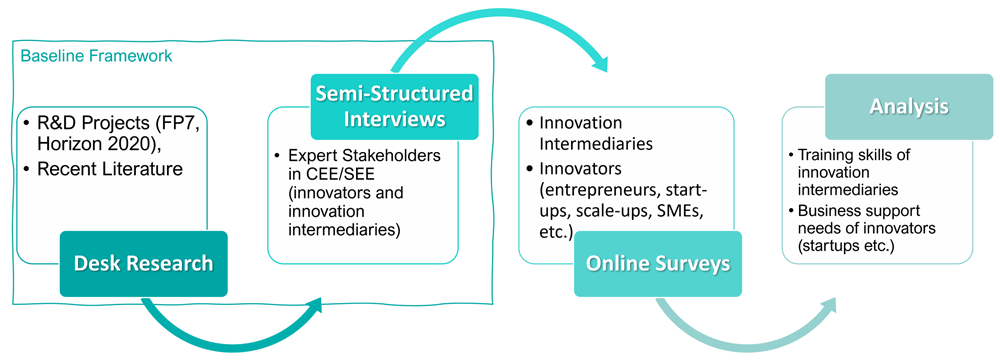
Figure 1. The four methodological steps for the analysis performed.
3.1 Step1: Desk research
We begun our approach by conducting desk research to develop a baseline framework for our analysis and identify the current state-of-play in the skill levels and needs of innovation intermediaries in providing business support services to innovators. The desk research relied on specific available reports and online sources of other relevant projects (EU H2020/FP7 projects) that InnORBIT partnersv have been (or currently are) involved in (see Table 1). These projects deal with innovation support aspects, helping innovators at gaining access to tailored business support services or bringing their innovations to the market. A particular focus was given to the business and training needs of innovation intermediaries and innovators in cutting-edge industries and verticals. By capitalizing on partners’ accumulated knowledge in other projects, we are able to outline an initial framework of required skills of innovation intermediaries.
3.2 Step 2: Semi-structured interviews
The second step in our approach further calibrates the initial baseline framework and distinguishes between the critical and non-critical skills of innovation intermediaries. The goal here is to identify any skill areas and dimensions not previously envisaged in our initial framework (Step 1). Therefore, we validate our initial findings, based on the views of experts belonging in our two stakeholder groups (innovation intermediaries and innovators). This exercise reveals which specific skills and skill areas should be included in the questionnaire of the online survey, fuelling the activities of Step 3. Since detailed information is not always available online, we pursued close consultations with various public and private stakeholders from the targeted regions via a series of semi-structured interviews.
To start the process, an interview guideline that comprised of a summary of the InnORBIT project, an overview of the objectives of the interview and a baseline framework to guide the discussion, was prepared. The baseline framework ensures that the conversations stay focused on the topic and that no important aspects are neglected, but at the same time, it allows for sufficient room for discussion and refinement of the framework.
By engaging InnORBIT partners´ networks we identified highly experienced innovation intermediaries and innovators, which we sought to interview about their perspectives on innovation intermediaries´ required skills for delivering business support services, focusing on the space industry dimension and its applications. Two interview questionnaires were developed, facilitating consultations with the groups of innovators (namely: entrepreneurs, start-ups, and scale-ups) and innovation intermediaries, respectively.
During interview sessions, the baseline framework was presented to experts, with a view to defining the types of skills innovation intermediaries need to possess in order to provide effective business support to entrepreneurs. Depending on the stakeholder group, experts were asked to validate the baseline framework from the point of view of either (i) innovation intermediaries; as providers of support services, or (ii) innovators; as recipients of such services.
The validation process has been carried out via quantitative and qualitative means. More specifically, interviewees were asked to rate the significance of skills categories and specific skills included in our baseline framework based on a scale from 1 to 5, with 1 assigned to “not important” skills and 5 to “absolutely important” skills. A skill is considered validated, as long as its average rating and its mode (i.e., the value that appears most frequently in a data set) exceed the value of 3 (average level). This thresholds derives naturally from the design of the Likert scale response, under which any value above 3 is perceived positively. At the same time, respondents were requested to identify those skills or skills categories missing from our baseline framework as well as to highlight any changes needed in the definition and classification of skills included.
In total, we performed 15 interviews (9 with innovation intermediaries and 6 with innovators across the EU) via digital means; interviews’ insights are collected, synthesized, and analysed further, ultimately leading to the update of the initial baseline framework. The fine-tuned version of our baseline framework built the premises for developing and deploying an online survey under Step 3.
3.3 Step 3: Online survey
In the third step, we deploy an online survey to reveal the skill levels of space-related innovation intermediaries based on (i) their own perceptions and (ii) the perspectives of innovators who received these business support skills and services. While this exercise has mostly a geographical focus on the ecosystems of CE and SE Europe, we are also keen to capture the broader perspective of stakeholders from more developed ecosystems (EU level), who either provide business support services to innovators in the region of our focus or have business relationships with innovators in the region. Thus, the broader perspective of our study offers richer insights on the business support landscape and the desired skills of innovation intermediaries that are currently valued by innovators and by market forces in space-related domains.
We divide each sub-section of the current manuscript based on each skill level category that is investigated in the survey, namely (i) Knowledge in the Space Industry, (ii) Business Assessment Knowledge, (iii) Business Support Skills, (iv) Organisational and Digital Skills, and (v) Soft Skills. To study in-depth each core skill area, we used a set of well-tailored Likert-scale survey questions, addressing specific business sub-element of each core skill area. Specifically, we employed a 5-level scale, with 1 indicating low levels of skills and 5 indicating high levels of skills.
The selected skill areas and questions of the survey are based on the fine-tuned framework developed under Step 2. The survey was implemented online via a survey tool (i.e. EUSurveyvi) to ensure a broad and effective data collection process. In particular, two separate and anonymous survey questionnaires were developed. The first addresses the perceived skills and needs of innovation intermediaries, namely the perceptions of advisors, trainers, coaches, and mentors belonging to clusters, incubators, accelerators and SME support organisations in space-related and other sectors. The second addresses the views of innovators; we asked them to indicate their experiences and knowledge received from their participation in training with innovation intermediaries, and more specifically, we investigate the skill levels of innovation intermediaries from an innovator’s point of view. In essence, we analyse the same factor (namely, innovation intermediaries’ skills and needs) from two different angles: the service provider side (innovation intermediaries) and the service recipient side (innovators). This approach enables us to reveal any differences in the perceptions of the two groups under investigation, examine how these perceptions vary, and extract informed implications for the core objectives of this study; (i) to identify the available missing skills of innovation intermediaries, and (ii) to reveal the needs of innovators’ ecosystems.
To enhance the outcomes of our research and to reach out to a sufficient number of suitable intermediaries around Europe, relevant experts from the InnORBIT network (within the project and external) were invited to complete the survey – these experts include relevant trainers of innovation intermediaries around Europe, such as consultancies, accelerators, incubators, and innovation agencies. On top of that, we disseminated the survey to innovators who are involved in space-related technologies, exploiting mostly the contacts of consortium’s clusters and start-up networks. The online survey aimed for at least 100 participants for extracting meaningful insightsvii.
3.4 Step 4: analysis
The last part of our approach delves into insights stemming from the online survey. Our objective was to identify deficit patterns amongst innovation intermediaries (current vs. necessary skills/knowledge) that need to be addressed via capacity building services, as well as to use inferential analytics exploring potential relations and patterns to produce intelligence for fine-tuning the business support services to be provided by space innovation related local support initiatives.
Survey results were gathered, consolidated, and analysed. We employed relevant statistical tools (i.e., GRETLviii) to identify patterns and relationships among the different sets of skill areas. To start, we conducted a correlation analysis, to reveal how each skill area in our survey is associated with others.
While correlation quantifies the direction and strength of the relationship between two skill areas, we also introduced and estimated a multiple linear regression model, based on the Ordinary Least Squares (OLS) method. By doing so, we assessed the association among the different skill areas and needs using survey data. Our statistical approach models the various skill areas (treating them as a set of variables) through a stochastic equation of the form:
where a is the constant parameter, b1, b2, b3, and b4 are the regression coefficients to be estimated, which measure the relationship between the dependent and independent variables, and e is the error term (residuals) of the regression model.
In this frame, a set of 5 different equations, one for each skill area, have been estimated. Statistical tests (based on the t-statistic) have also been performed to assess whether each regression coefficient is significantly different from zero. Eventually, through this multiple linear regression model, we aim to identify (i) how strong the relationship is, between the independent variables and the dependent variable, and (ii) the direction (sign) of this relationship.
To perform the regression analysis and the underlying estimations, GRETL was used, a free package for statistical analysis. This tool is open source, widely accepted by the academic community and has many computation functionalities for econometric research applications26.
4 Results and discussion
4.1 Initial baseline framework and fine-tuning
We first gathered desk research findings from other EU-funded R&D projects (see Table 1, in order to construct a baseline framework of the most essential skills innovation intermediaries should possess to effectively train and provide business support services to innovators active in the space and space-related sectors. This exercise was a key component of our research because it gave us a starting point to rely on our next steps. By utilising this initial framework, we were able to depict the key skill levels that were to be investigated, while it also enabled us to fine-tune these skills based on partners’ perspectives and experts’ views.
Our preliminary research findings yielded several skills that were grouped in five knowledge and skill areas. These areas include:
Knowledge of the space industry
Knowledge to perform business assessment
Organisational and digital skills
Business support skills
Soft skills
The five knowledge and skill areas along with a more detailed enumeration of each of them are illustrated in Figure 2.
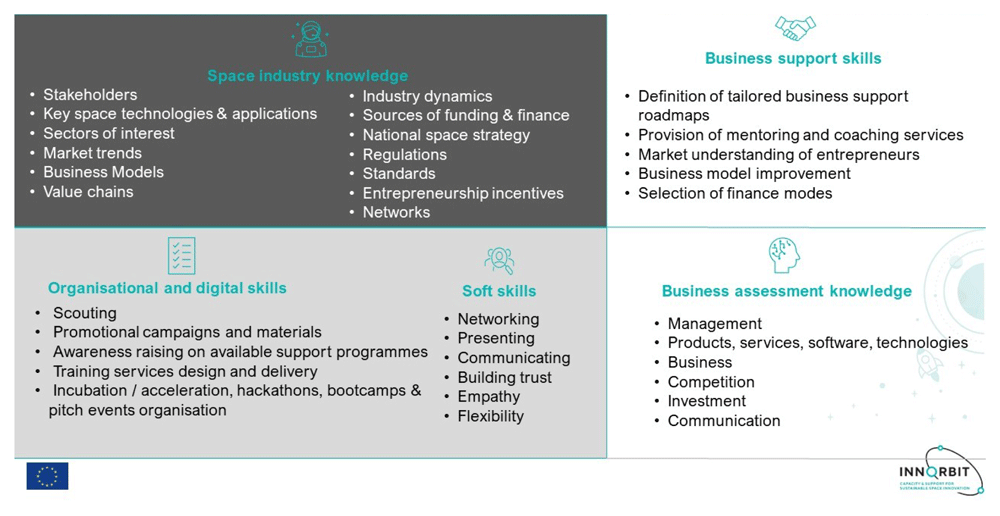
Figure 2. The initial baseline framework of skills.
Subsequently to the first step, we implemented a series of semi-structured interviews with senior experts in the field, representing both stakeholder groups - innovation intermediaries and innovators.
Our sampling approach yields 15 suitable candidates spread across five countries in CE and SE Europe. More specifically, the majority of interviewees are based in Greece and Croatia, with 6 and 5 experts respectively, followed by Romania with 2 and the Czech Republic and Hungary with 1 interviewee each. In total, 9 experts of innovation intermediaries and 6 innovators from start-ups and SMEs were interviewed. All interviewees hold top-level positions in their respective organisations based on their job description. The breakdown of interviewees per target group (innovation intermediary or innovator) in each country is presented in Figure 3.
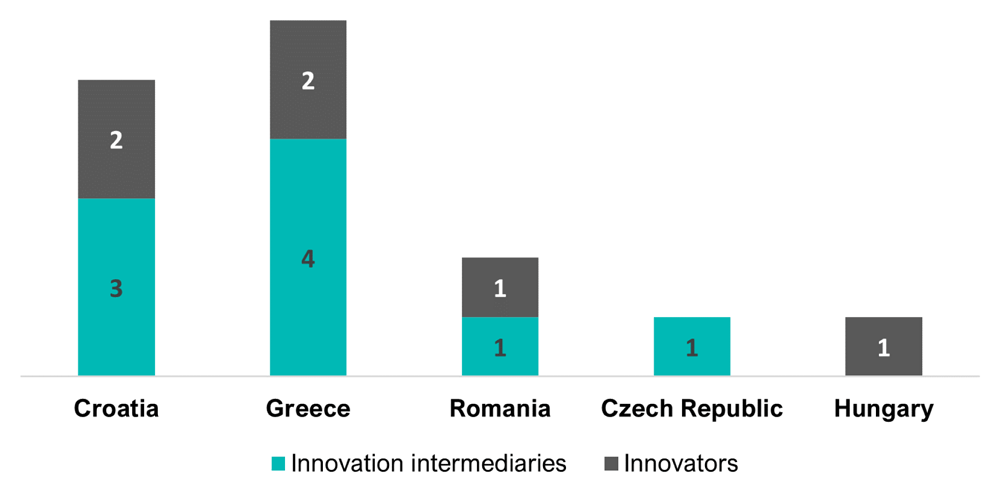
Figure 3. Breakdown of interviews’ sample per target group & country.
All innovation intermediaries within our sample possessed experience in providing support to start-ups and, in some cases, also to scale-ups and SMEs. Most innovation intermediaries support businesses with activity in technical domains such as space, IT technologies, energy, and transport/mobility. However, in a few cases, innovation intermediaries were described as technology or sector agnostic. Most experts representing innovation intermediaries identified their organisation as an incubator, with 6 out of 9 responses supporting this trend. The rest described their organisation either as a Space Cluster, Business Angels group or Business Agency. The typical service portfolio of innovation intermediaries in our sample includes the provision of incubation and/or acceleration services, mentoring, matchmaking, project management and consultancy in financial, business, and legal issues. Similarly, all interviewed innovators, either have received business support services or are aware of such opportunities and relevant services in their local ecosystems. Our sample of innovators contains mostly start-ups, except for one innovator classified as SME and one as large corporate. Innovators in our sample have developed innovative products and services in high-tech fields such as Artificial Intelligence, Earth Observation, as well as in niche domains, including hardware for space and environmental applications such as LIDAR sensors, lunar vehicles, global navigation satellite system (GNSS) receivers, etc.
4.1.1 Key insights from interviews. Quantitative insights from interviews indicate that experts validate the general knowledge and skill categories that are included in our baseline framework. The same holds true for experts of both innovation intermediaries and innovators, indicating consistency in our findings. Table 2 summarises the average and the mode of skills’ categories for the whole sample, as well as for each stakeholder group (following the same rating method - Likert scale from 1 to 5 - as defined in Step 2 of Section 3).
Table 2. Experts’ rankings for knowledge and skill categories.
| Knowledge and Skill category | All Experts | Innovators
Intermediaries | Innovation |
|---|
| Average | Mode | Average | Mode | Average | Mode |
|---|
| Space industry knowledge | 4,13 | 4 | 3,89 | 4 | 4,50 | 5 |
| Business Assessment Knowledge | 4,27 | 4 | 4,22 | 5 | 4,33 | 4 |
| Business support skills | 4,53 | 5 | 4,67 | 5 | 4,33 | 4 |
| Organisational and digital skills | 3,80 | 4 | 4,11 | 4 | 3,33 | 3 |
| Soft skills | 3,93 | 5 | 4,11 | 5 | 3,67 | 5 |
In general, interviewees’ ratings of specific skills are comparable to the ratings of skills categories. The most notable exception is the need for innovation intermediaries to build knowledge about the National Space Strategy. This skill received an average rating of 2.86 across all experts, 2.75 based on innovation intermediaries’ and 3.00 based on innovators’ responses. Therefore, this skill has been removed from the baseline framework.
The in-depth interviews provided valid grounds to adjust the baseline framework of innovation intermediaries’ required knowledge and skill areas. In fact, compared to the initial baseline framework, 28 knowledge and skill sub-categories were validated to be important, thus, they remained in the final baseline framework. On the other hand, another 3 additional knowledge and skill sub-categories were highlighted as important and added to the framework, while the description and content of the 4 skill components were adjusted. Those sub-categories were (re-)grouped into the 5 main knowledge and skill areas. The updated baseline framework (Figure 4) constitutes the basis of our skill gap analysis; this framework is transformed into specific questions for each skill area and block, feeding the content of our online surveys.
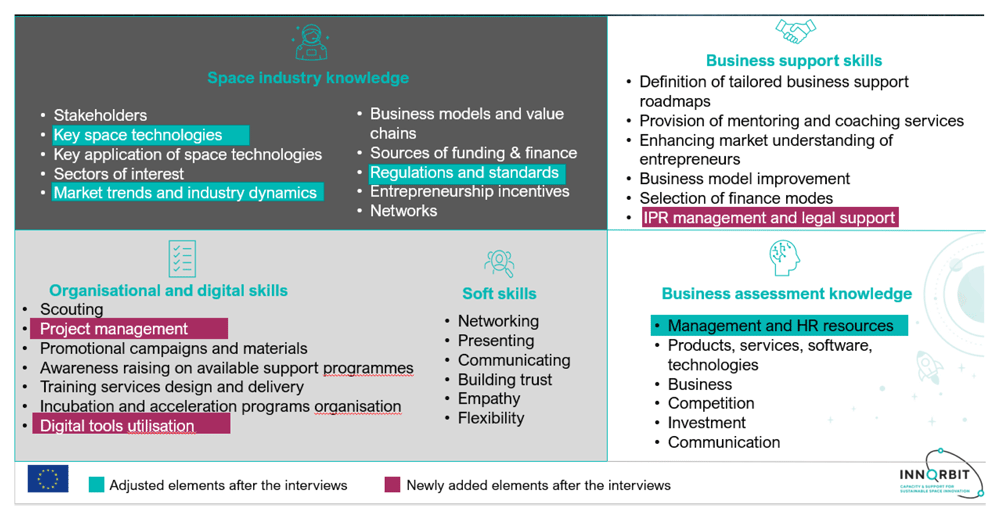
Figure 4. Updated baseline framework of analysis based on interview insights.
4.2 Statistical analysis of survey results
The online surveys (see the Appendix) run for a period of approximately one month, namely from the 24th of May 2021 until the 18th of June 2021. In total, we received 104 valid answers from innovation intermediaries and entrepreneurs, start-ups and scale-ups based in Europe, focusing on the CE and SE Europe (58 from innovation intermediaries and 46 from innovators). During the survey, we adhered to the GDPR provisions, while no personal data were collected, processed, and/or generated. The complete dataset of the survey performed is available on Zenodo27.
4.2.1 Demographics of survey respondents. Of all respondents, 56% of them were classified as innovation intermediaries, while the rest 44% of responses came from innovators. In fact, our sample covers innovation intermediaries and innovators who are based in 16 out of 27 EU members states – we have also ensured representation of the CE and SE European regions since 79% of responses stem from this area (Figure 5).
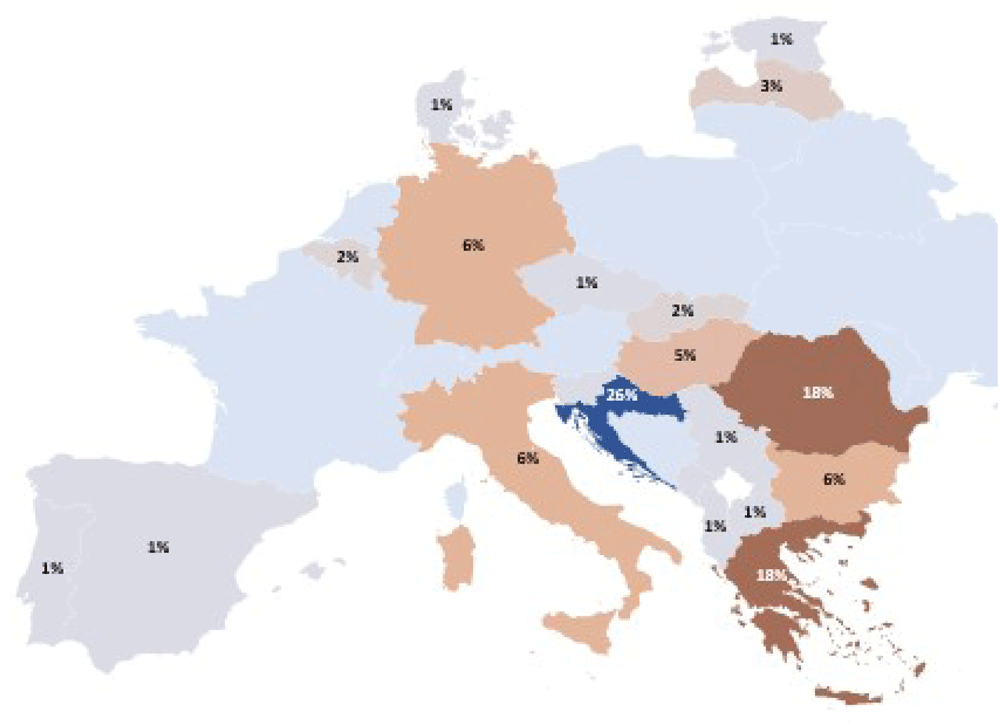
Figure 5. Countries of survey respondents.
Out of all innovators involved in the survey, almost 54% indicated that they have received in the past any kind of business support and training. Notably, most of them, have collaborated with business incubators and accelerators, followed by clusters and industry associations. Figure 6 provides an overall idea of the business portfolio of respondents.
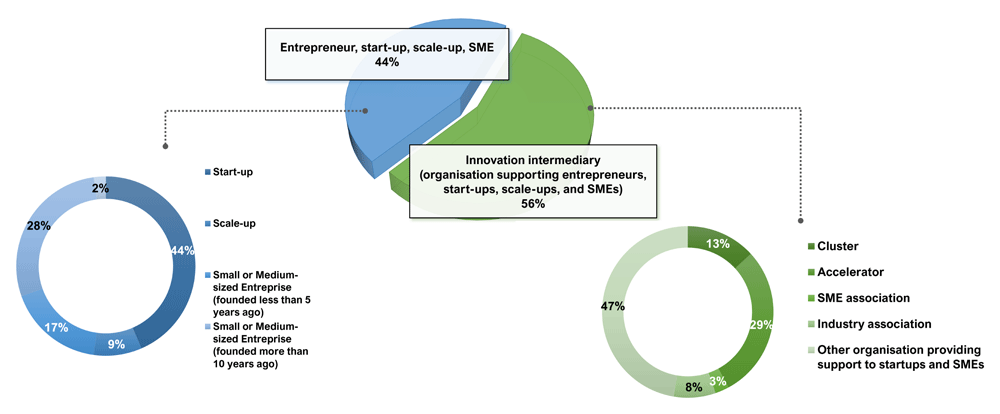
Figure 6. Types of respondents per stakeholder group.
Innovation intermediaries of the study highlighted that they mainly support innovators in the technological domains of software development, information and communication technologies (ICT), and production of hardware (Figure 7). In parallel, innovators engaged in the study provide solutions and services in the fields of software development, ICT, and earth observation technologies (Figure 8).
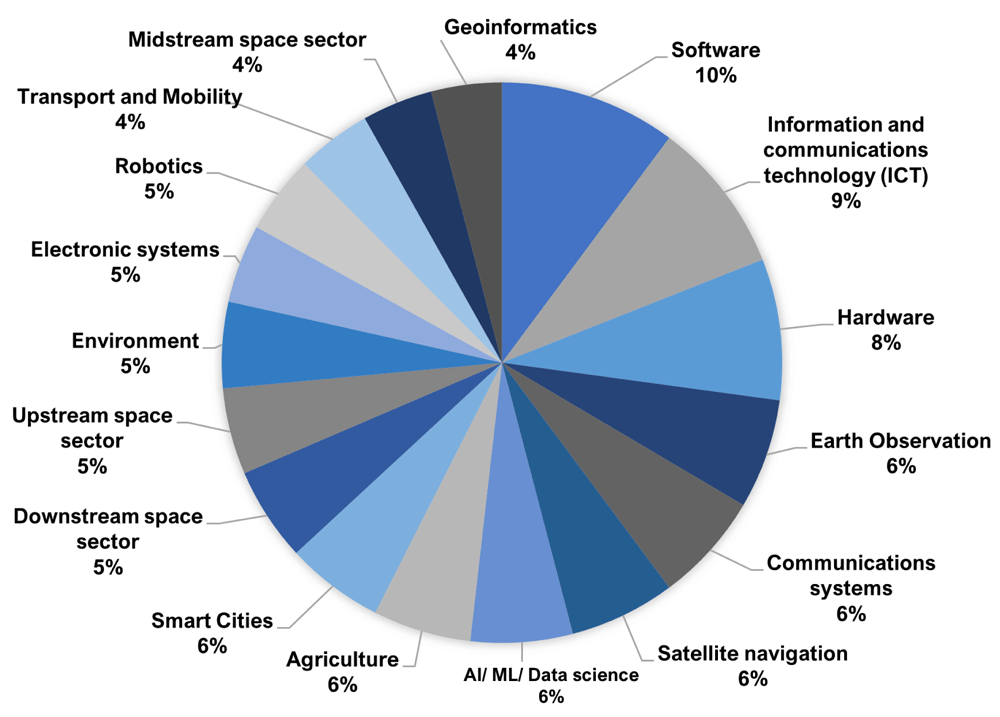
Figure 7. Industry domain of innovation intermediaries’ business support portfolio (multiple answers allowed).
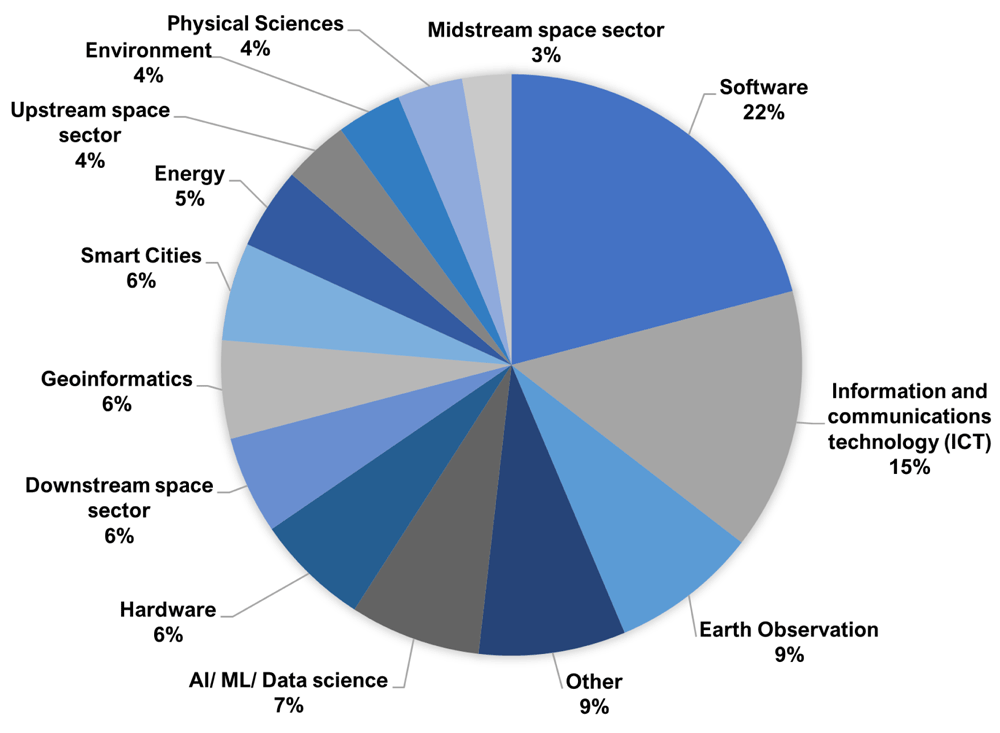
Figure 8. Industry domain of innovators’ business activities (multiple answers allowed).
4.2.2 Overall knowledge and skill areas assessment. In this section, we analyse the survey data to extract meaningful insights for the skill levels of the trainers/coaches/mentors of innovation intermediaries at providing business support to space-related innovators. We investigate the skill levels from two angles; on the one hand, from the skill levels that the innovation intermediaries believe they have (perceived skills), and on the other hand, from the perspective of innovators concerning the skill levels of innovation intermediaries (business support services provided to innovators). This approach enables us to conduct a skill level analysis relying on both stakeholder groups, allowing a direct comparison, as can be seen by the results in Table 3.
Table 3. Perceived knowledge and skills from innovation intermediaries and the innovators' perspective.
| Knowledge and Skill category | Innovation
Intermediaries | Innovators |
|---|
| Average | Mode | Average | Mode |
|---|
| Space industry knowledge | 2,92 | 3 | 3,14 | 3 |
| Business Assessment Knowledge | 3,91 | 4 | 3,66 | 3 |
| Business support skills | 3,68 | 5 | 3,57 | 3 |
| Organisational and digital skills | 3,96 | 5 | 3,82 | 4 |
| Soft skills | 4,32 | 5 | 3,98 | 5 |
On averageix, innovation intermediaries scored above the threshold in 4 out of 5 core skills’ areas – the threshold of our analysis corresponds to the value of three (3), since it signifies the middle skill level. Before delving into more detail, an interesting general remark is that, on average, innovators score the skill levels of innovation intermediaries lower than intermediaries score themselves – this is true in 4 out of 5 skill areas (business assessment knowledge, business support skills, organisational and digital skills, and soft skills).
Respondents (specifically, innovation intermediaries) feel confident in their business support skills and business assessment skills. Besides, they perceive their ability to effectively organise, deliver, and communicate training and coaching modules as very competent (high scoring in the areas of organisational and digital skills). On the contrary, they feel less comfortable about their knowledge on space industry related aspects, such as emerging trends and technologies in the industry as well as business models and legal factors in the space industry, among others.
In parallel, the aggregate analysis of innovators’ perspective on the overall competence of innovation intermediaries also offers some interesting insights. In fact, the overall perspective of innovators matches with the perceived skill competence of innovation intermediaries per core knowledge and skill area in the following manner: innovators validate that innovation intermediaries possess strong competence in their organizational and soft skills. They also indicate that the innovation intermediaries, they have engaged with, lack some skills and capacity with respect to knowledge of the space industry – some evidence also highlight that trainers and coaches could potentially improve their business support and assessment skills (based on the quartile analysis of innovators’ perception on trainers’ skill levels - see also Table 5). The encouraging factor of our analysis is that the views of innovation intermediaries and innovators coincide, in most cases and knowledge and skill areas, making our analysis a more robust tool to extract meaningful insight for support service for space innovation in the CE and SE Europe.
Beyond this aggregated perspective, we found varying levels of intermediaries’ expertise in the sub-categories of each knowledge and skill area. The following sections provide an overview of the key insights gained.
4.2.3 Knowledge in the space industry. The first factor that we considered in our analysis is the capacity of advisors, trainers, and coaches at knowing the relevant business and operational aspects of the space industry. Respondents in this area highlight that they feel very comfortable at identifying and assessing potential funding and financing opportunities for the innovators they support, while they also score relatively high in their ability to effectively incentivise entrepreneurs in involving in the space industry. Nevertheless, intermediaries’ skill levels fall behind in most of the remaining knowledge and skill areas under assessment, making this skill segment a key part that capacity building programmes (such as the one developed under InnORBIT) should aim to address. For instance, intermediaries have low confidence in their skill to (i) identify and asses the existing success cases and sustainable business models in the space industry, (ii) assess how international and national legal, administrative, and economic factors will impact innovators’ performance, as well as (iii) understand and infer how technological developments in the space industry affect the business prospects of innovators. The figures that follow, present the skill levels of innovation intermediaries (Figure 9) that they perceive they have, along with the perspective of innovators (Figure 10) in this area, in order to extract comparative inferences.
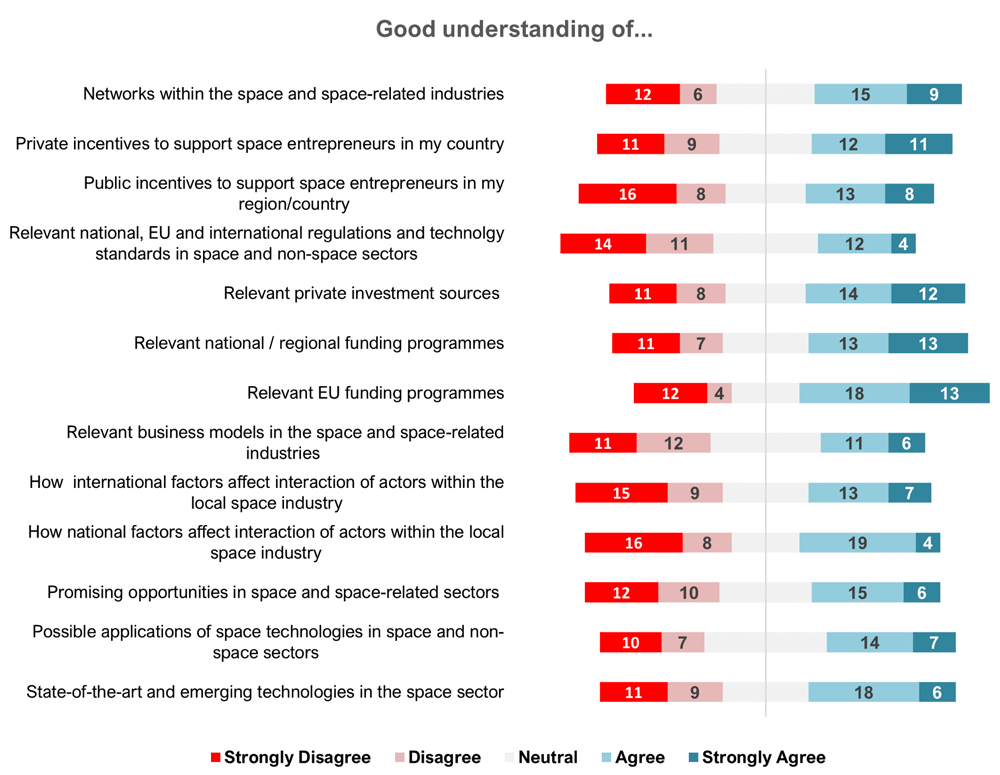
Figure 9. Perceived levels of innovation intermediaries in the area of knowledge in the space industry.
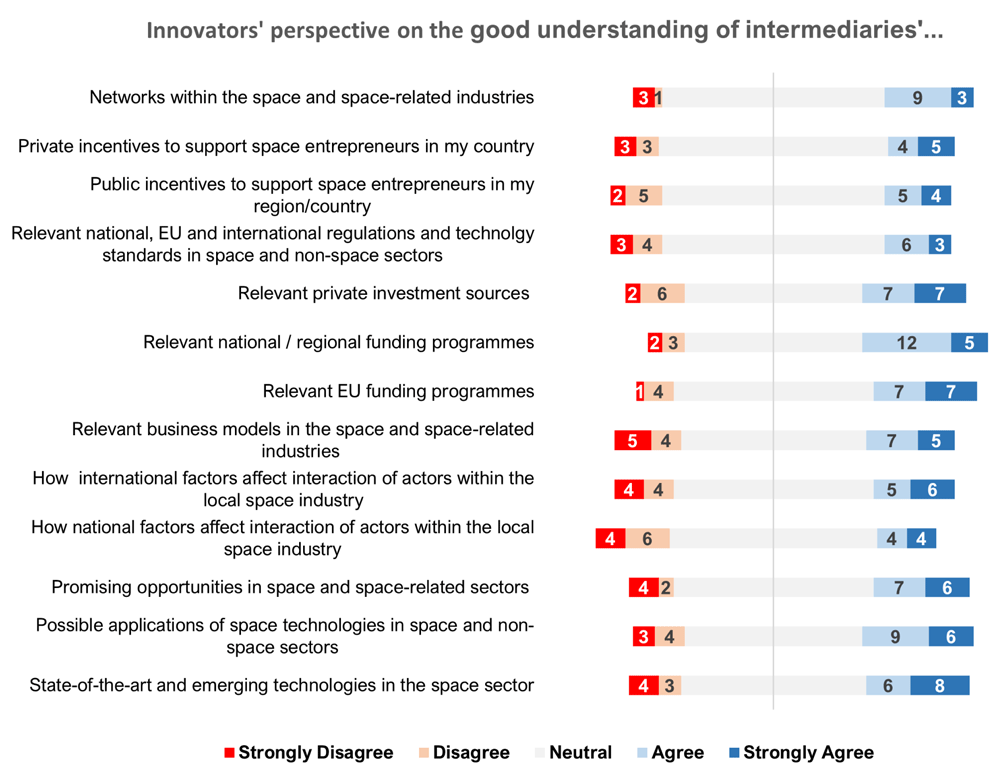
Figure 10. Innovators perspective on intermediaries’ levels in the area of knowledge in the space industry.
From innovators’ point of view, lack of the proper incentivization mechanisms stands out as the key shortcoming of the intermediaries they have engaged with – in particular, the respective knowledge and skill areas record the lowest scores in our analysis. In parallel, innovation intermediaries could be improved in their ability to properly communicate the implications of national and EU-level regulations and technology standards to space entrepreneurs. After all, the overall legal framework is one of the key aspects that new innovators and entrepreneurs should consider prior to starting a new venture or entering a new tech-domain or market, as supported by28. It also seems that both innovators and intermediaries share the same consensus when it comes to relevant financing and funding programmes. Surveyed innovators do believe that advisors who provided business support services had the adequate (or even very good) knowledge of the existing funding mechanisms and schemes, and especially for those mechanisms that mostly address space entrepreneurs, start-ups and SMEs.
4.2.4 Business assessment knowledge. The second area that we investigate in our analysis is the business assessment knowledge that the innovation intermediaries possess when it comes to supporting businesses that are active in space-related domains. In general, based on the views of innovation intermediaries surveyed, the business assessment skills of trainers are relatively perceived as high in almost all specific skill areas and competences of our study. For example, innovation intermediaries feel very confident about their pitching skills, as well as in assessing the teams in terms of skill-sets and management skills. Similarly, respondents indicate that they can effectively identify and assess the value propositions of innovative ventures, supporting them in commercialising their products or services. The results of our analysis concerning the perceived skills of innovation intermediaries is presented in Figure 11.
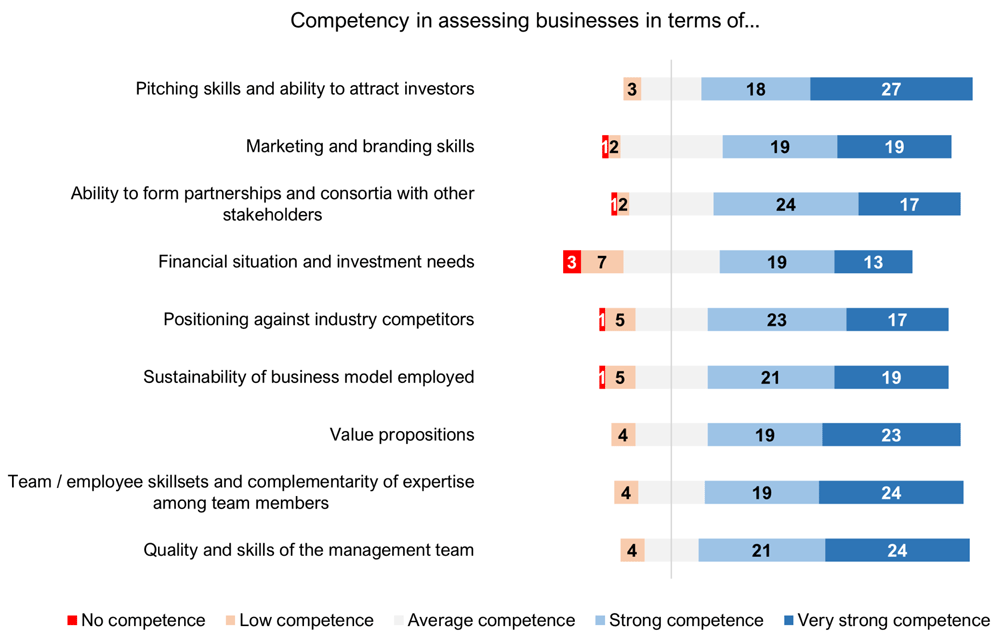
Figure 11. Perceived levels of innovation intermediaries in the area of business assessment knowledge.
Concerning the views of innovators with respect to the skills and capacity of innovation intermediaries, we reveal mixed results, which nevertheless, offer some very interesting insight. To start, innovators do agree that one of the strongest abilities of innovation intermediaries is on assessing their pitching skills – this is a key component of intermediaries’ portfolio since proper pitching skills of innovators will help them gain access to potential funding sources. However, we have traced mixed opinions when it comes to the ability of trainers in identifying the core competences of a team behind a venture and in assessing the skill-set of innovators. In more detail, despite the fact that innovation intermediaries feel confident in investigating the specificities of innovative teams, supporting their business activities, this opinion is not shared by entrepreneurs themselves. In fact, entrepreneurs believe that innovation intermediaries lack the underlying skills and therefore, intermediaries need to improve the way they engage and assess the quality and the skill-sets of teams. Interestingly, innovators highlight that the assessment of their competitive advantage and value propositions is not adequate enough – innovation intermediaries could improve in these areas. The analysis of innovators perspective is presented in Figure 12.
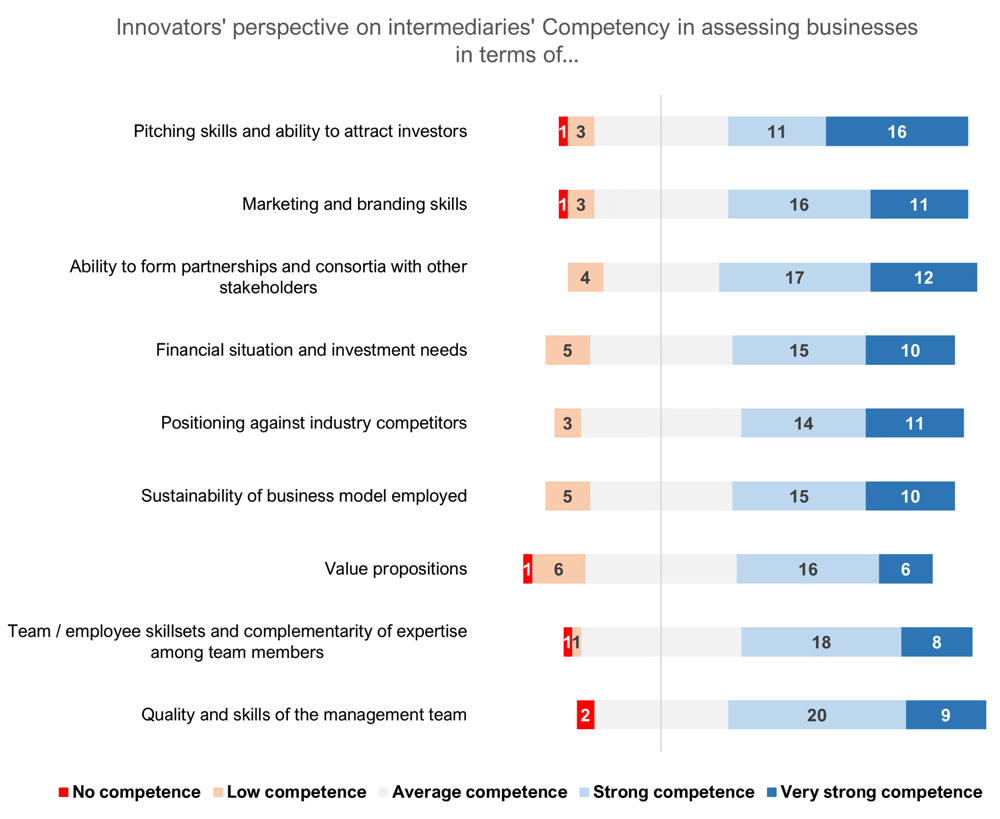
Figure 12. Innovators perspective on intermediaries’ levels in the area of business assessment knowledge.
4.2.5 Business support skills. In this sub-section, we investigate the level of the business support skills of innovation intermediaries. Based on the results of our survey, this skill area is one of the most competent for innovation intermediaries. The figures that follow illustrate the perceived capacity of innovation intermediaries in specific skill areas, along with the respective perspective of innovators on the intermediaries’ skill levels.
Overall, innovation intermediaries (Figure 13) score high in their mentoring and coaching skills as well as in defining dedicated business support roadmaps for the entrepreneurs, since they perceive these areas among the most competent in their business support portfolio. On top of that, advisors/trainers feel confident that they can provide decent guidance to innovators in building a successful business models and in guiding them through the various financing opportunities that they could acquire. However, the results reveal that innovation intermediaries do not feel confident about their skills to provide advisory services dealing with (i) IPR aspects and (ii) Legal aspects.
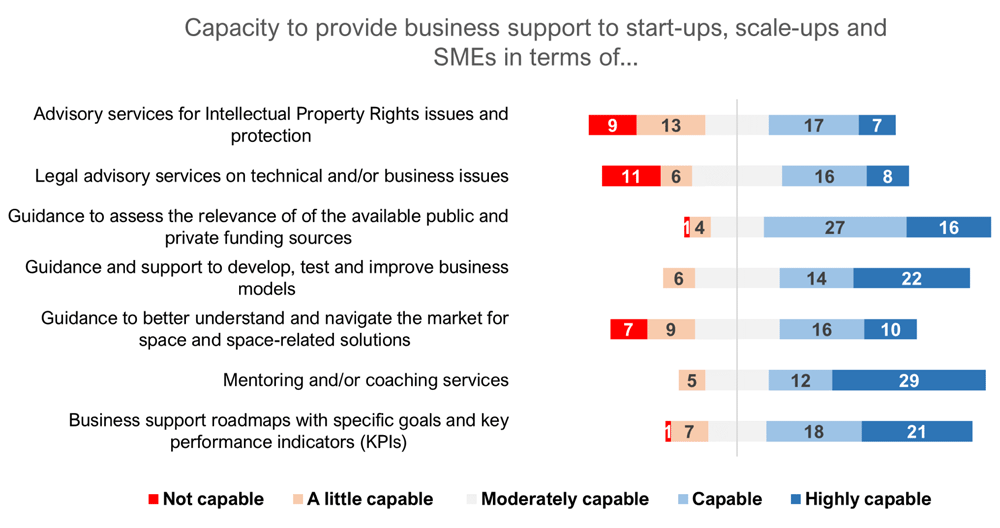
Figure 13. Perceived levels of innovation intermediaries in the area of business support skills.
The key insight from this analysis is that innovators (Figure 14) share the same perspective, and they strongly believe that innovation intermediaries have strong capacity in business support skills and, in particular, in their mentoring/coaching skills, support and guidance to identify financing opportunities and tailored business roadmaps. Notably, innovators believe that advisors and trainers of innovation intermediaries lack the proper understanding of how to navigate the market for space and space-related solutions.
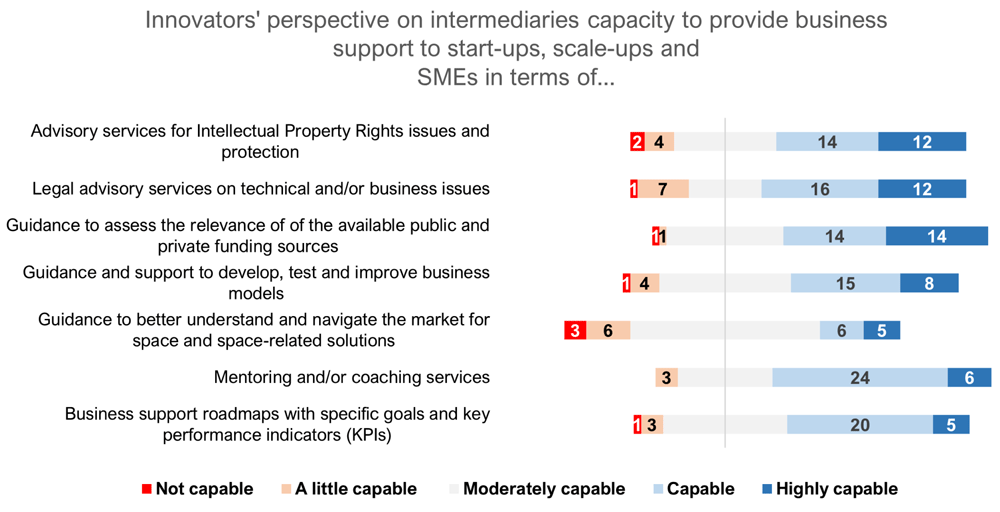
Figure 14. Innovators perspective on intermediaries’ levels in the area of business support skills.
4.2.6 Organisational and digital skills. Operational and digital skills leave minimum room for improvement. The consistency by which the different skills in this area have been evaluated close to “strong competence” or “very strong competence” clearly point that there are no significant training needs in this skill area (see the Figure 15). Respondents highlight that they do not need any training support in any of the constituent competences of this segment – services like the design of incubation programmes, the management and operation of new initiatives, as well as the scouting of innovative ventures to get business support stand out as the highest scoring skill levels of innovation intermediaries.
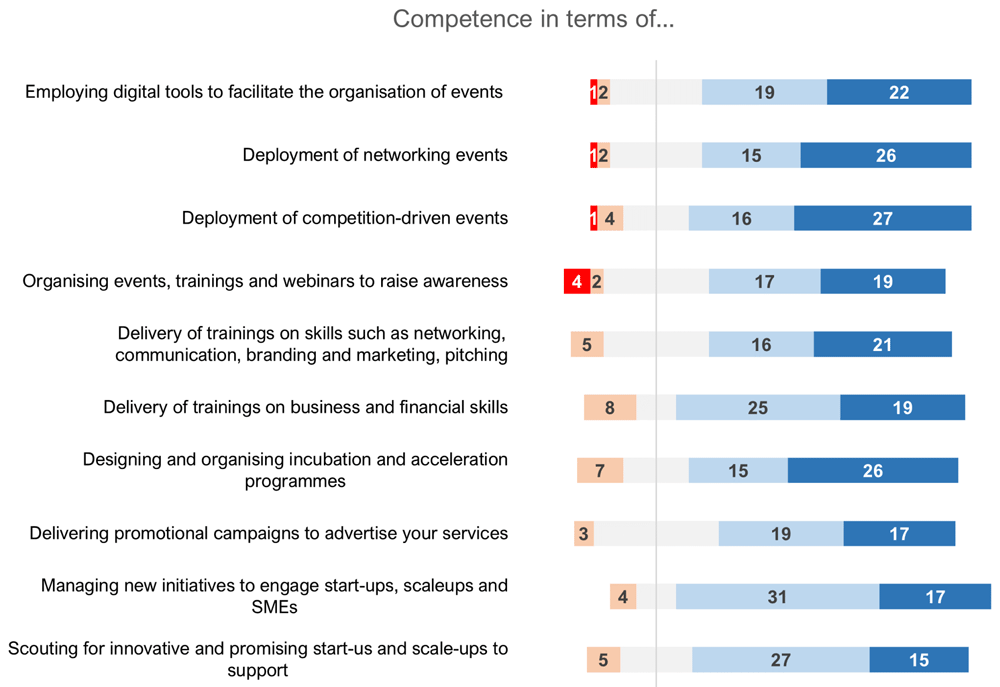
Figure 15. Perceived levels of innovation intermediaries in the area of organisational and digital skills.
Our analysis of innovators’ perspective leads to the same conclusion: innovation intermediaries mostly possess very strong skills and competences in their organisational skills portfolio(see the Figure 16). Also, they have competence in their digital skills, meaning that they can effectively use the right digital tools to provide support services to innovators. The only area that could potentially be improved, according to innovators’ perspective, is the way that trainers and advisors build business and financial skills. The figure that follows illustrates the outcomes of our survey and validates the statements above.
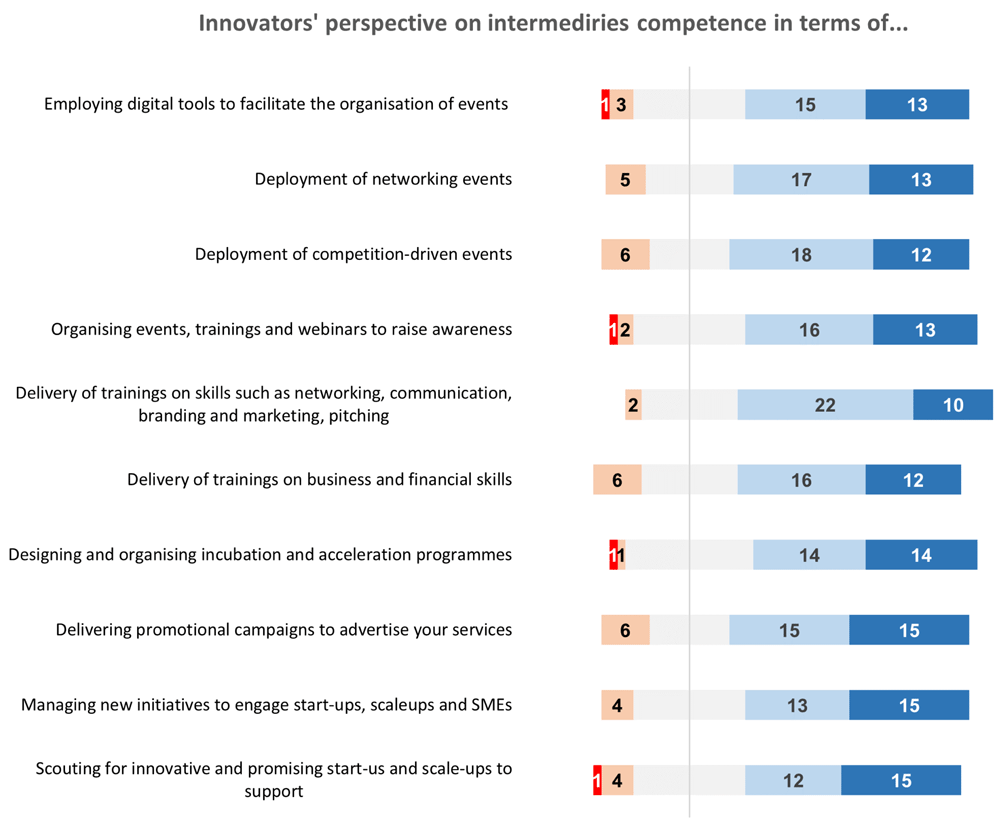
Figure 16. Innovators perspective on intermediaries’ levels in the area of organisational and digital skills.
4.2.7 Soft skills. Soft skills received the highest acceptance of all survey respondents, having the highest scoring in the different skill areas under this study. More specifically, under this area, we trace some of the highest-scoring trainers’ skills, including their ability to establish trust with SME members, the ability to share know-how and skills with innovators, as well as their levels of emotional and social intelligence. Intermediaries (Figure 17) also feel that they can understand the needs and preferences of the actors they support, by showing the proper level of empathy when they deliver business support skills. These findings are also validated by the perspective of innovators (Figure 18), who share the same opinions as innovation intermediaries.
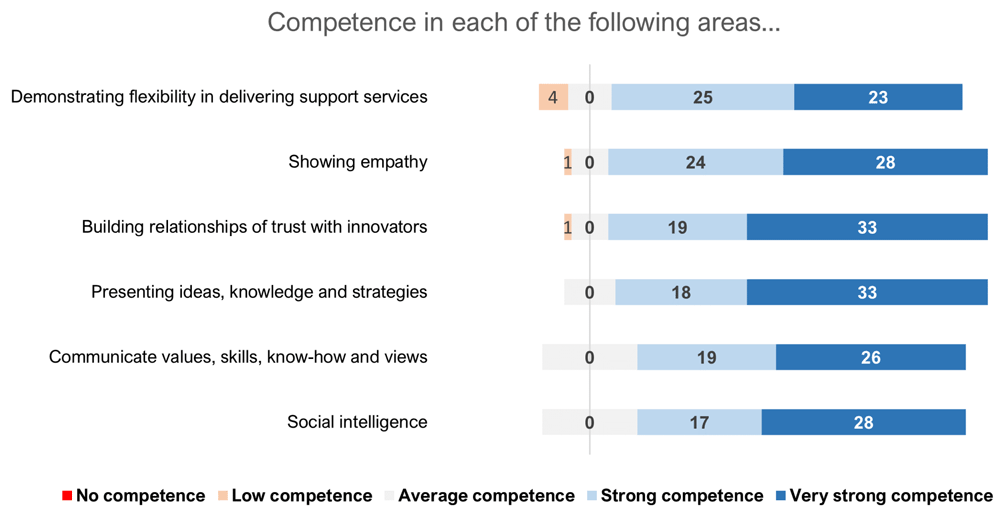
Figure 17. Perceived levels of innovation intermediaries in the area of soft skills.
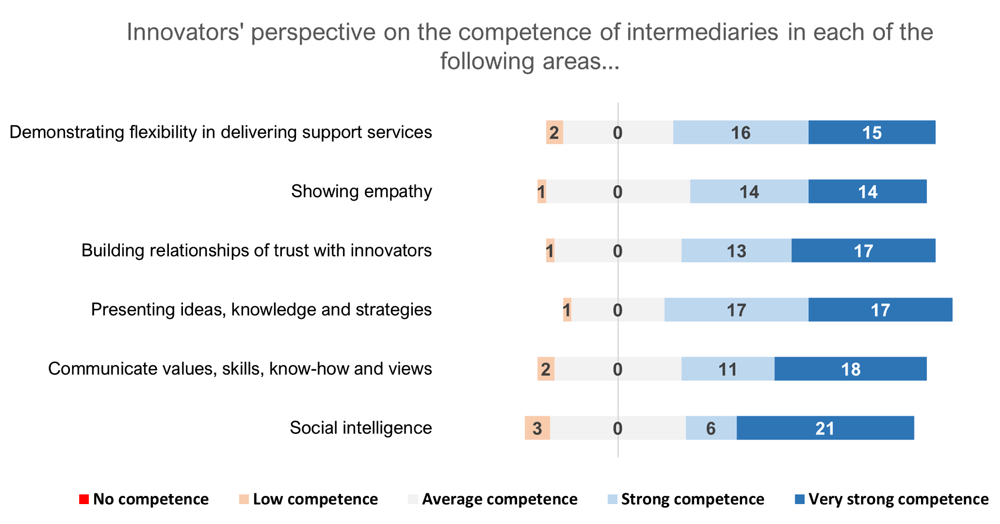
Figure 18. Innovators perspective on intermediaries’ levels in the area of soft skills.
4.3 Identified correlations and regression analysis
4.3.1 Quantile analysis and correlation coefficients. Table 4 and Table 5 classify the various skill areas, as per the quartile they belong to, concerning the perceived skills of innovation intermediaries and the perspective of innovators on intermediaries’ skills, respectively. A quartile is a statistical term that describes a division of observations into four defined intervals based on the values of the data and how they compare to the entire set of observations. In essence, the quartile measures the spread of values above and below the mean by dividing the distribution into four groups.
Table 4. Quartile classification of perceived skills of innovation intermediaries.
| Skill Category | Mean | Skill Category | Mean |
|---|
| Building trust | 4.4 | Tailored business support roadmaps | 3.9 |
| Presenting | 4.4 | Business model development and improvement | 3.9 |
| Empathy | 4.4 | Scouting | 3.9 |
| Networking | 4.3 | Competition | 3.9 |
| Communicating | 4.2 | Promotional campaign design and management | 3.9 |
| Flexibility | 4.2 | Awareness raising on support programmes | 3.8 |
| Mentoring and coaching | 4.1 | Investment | 3.6 |
| Management and human resources | 4.1 | Market understanding | 3.2 |
| Products, services, software, technologies | 4.1 | Sources of funding and finance | 3.2 |
| Events and engagement activities | 4.1 | Networks | 3.1 |
Organization of incubation and acceleration
programmes | 4.0 | Legal support and intellectual property management | 3.0 |
| Project management | 4.1 | Key space technologies and applications | 3.0 |
| Communication | 4.0 | Entrepreneurship incentives | 2.9 |
| Digital tools | 4.0 | Sectors of interest | 2.9 |
| Training organisation and delivery | 3.9 | Business models and value chains | 2.8 |
| Business | 3.9 | Market trends and industry dynamics | 2.8 |
| Selection of finance modes | 3.9 | Regulations and Standards | 2.7 |
Table 5. Quartile classification of skill perception of innovators.
| Skill Category | Mean | Skill Category | Mean |
|---|
| Presenting | 4.1 | Mentoring and coaching | 3.7 |
| Communicating | 4.0 | Management and human resources | 3.7 |
| Building trust | 4.0 | Legal support and intellectual property management | 3.7 |
| Networking | 4.0 | Investment | 3.7 |
| Flexibility | 4.0 | Business | 3.7 |
| Project management | 3.8 | Tailored business support roadmaps | 3.5 |
| Promotional campaign design and management | 3.8 | Business model development and improvement | 3.5 |
Organization of incubation and acceleration
programmes | 3.8 | Products, services, software, technologies | 3.4 |
| Empathy | 3.9 | Sources of funding and finance | 3.3 |
| Selection of finance modes | 3.8 | Key space technologies and applications | 3.2 |
| Training organisation and delivery | 3.8 | Networks | 3.2 |
| Events and engagement activities | 3.8 | Sectors of interest | 3.2 |
| Awareness raising on support programmes | 3.8 | Entrepreneurship incentives | 3.1 |
| Scouting | 3.8 | Market Understanding | 3.1 |
| Digital tools | 3.8 | Business models and value chains | 3.1 |
| Communication | 3.9 | Market trends and industry dynamics | 3.0 |
| Competition | 3.7 | Regulations and Standards | 3.0 |
We employ the following quartiles:
First quartile (green): the lowest 25% of numbers; values until 3.2 for innovation intermediaries and 3.4 for innovators.
Second quartile (blue): between 25.1% and 50% (up to the median); values from 3.3 – 3.8 for innovation intermediaries and 3.5 – 3.7 for innovators.
Third quartile (light orange): 50.1% to 75% (above the median); values from 3.9 – 4.1 for innovation intermediaries and 3.8 – 3.9 for innovators.
Fourth quartile (dark orange): the highest 25% of numbers; values higher than 4.1 for innovation intermediaries and 3.9 for innovators.
Based on our survey results, and the subsequent quartile analysis, the following knowledge and skill categories stand out as the most prominent for innovation intermediaries, where they possess the strongest skills:
Building trust with innovators
Presenting skills
Showing empathy to innovators’ needs
Communicating ideas and strategies with innovators
Networking innovators with foreign collaborators or markets
On the opposite, innovation intermediaries could improve significantly in the following area:
Knowledge of relevant sources of funding and finance
Market understanding, focusing on space technologies and solutions
Legal support and intellectual property management
Offering entrepreneurship incentives to innovators
Knowledge of key space technologies and applications
Identifying potential sectors of interest for innovators
Understanding space-related business models and value chains
Understanding space-related market trends and industry dynamics
Regulations and Standards in the space entrepreneurship landscape
The need to improve these skill categories is also validated by innovators. Their perspective is that innovation intermediaries deem for significant improvement in their skill to:
Provide advice on the business model development and improvement
Understand products, services, software, technologies
Present relevant sources of funding and finance
Understand key space technologies and applications
Offer the rights networks to innovators
Identify potential sectors of interest for innovators
Provide entrepreneurship incentives in space domains
Understand space-related markets
Understand and present business models and value chains in the space industry
Identify and understand market trends and industry dynamics
Communicate regulations and standards in the space industry
The correlation analysis, as presented in Table 6 reveals interesting insights on the way each skill areas are linked to each other.
Table 6. Correlations among the core skill areas of innovation intermediaries.
| Space industry
knowledge | Business Assessment
Knowledge | Business
Support Skills | Organisational
and Digital Skills | Soft
Skills |
|---|
Space industry
knowledge | 1.00 | - | - | - | - |
Business Assessment
Knowledge | 0.24 | 1.00 | - | - | - |
| Business Support Skills | 0.34 | 0.76 | 1.00 | - | - |
Organisational and
Digital Skills | 0.28 | 0.59 | 0.63 | 1.00 | - |
| Soft Skills | 0.16 | 0.65 | 0.67 | 0.67 | 1.00 |
By investigating the correlations among the core knowledge and skill areas of our survey, we can make the assumption that business assessment knowledge and business support skills share a positive and high correlation, meaning that increasing the skill levels of innovation intermediaries in one area, most probably, we will notice positive implications on their skills in the other area. Accordingly, soft skills are an important factor that is positively associated with all skill areas. It records a strong relationship with the organisation and digital skills of innovation intermediaries (since the many similarities of the two areas) while it is also positively affecting the performance of coaches in their business assessment and knowledge skills.
4.3.2 Regression analysis. Table 7 presents the outcome of the estimation of Equation 1, along with the tests for coefficients’ statistical significance. We analysed the relationships among the perceived knowledge and skill areas for innovation intermediaries.
Table 7. Regression model of the relationship among the innovation intermediaries’ core skill areas.
Independent
variables | Dependent Variables |
|---|
Space industry
knowledge | Business
Assessment
Knowledge | Business
Support Skills | Organisational
and Digital Skills | Soft Skills |
|---|
Space industry
knowledge | coeff.
− | p-value
− | coeff.
−0.01 | p-value
0.88 | coeff.
0.11* | p-value
0.07 | coeff.
0.07 | p-value
0.22 | coeff.
−0.05 | p-value
0.29 |
Business Assessment
Knowledge | coeff.
−0.045 | p-value
0.88 | coeff.
− | p-value
− | coeff.
0.53*** | p-value
0.00 | coeff.
0.13 | p-value
0.47 | coeff.
0.18 | p-value
0.11 |
Business Support
Skills | coeff.
0.52* | p-value
0.09 | coeff.
0.49*** | p-value
0.00 | coeff.
− | p-value
- | coeff.
0.16 | p-value
0.24 | coeff.
0.22** | p-value
0.04 |
Organisational and
Digital Skills | coeff.
0.32 | p-value
0.23 | coeff.
0.12 | p-value
0.42 | coeff.
0.16 | p-value
0.29 | coeff.
− | p-value
− | coeff.
0.33*** | p-value
0.00 |
| Soft Skills | coeff.
−0.40 | p-value
0.28 | coeff.
0.25 | p-value
0.11 | coeff.
0.33** | p-value
0.04 | coeff.
0.48*** | p-value
0.00 | coeff.
- | p-value
- |
In summary, the key results of the regression analysis are presented as follows. To extract meaningful inferences, from a statistical point of view, we concentrate only on the estimated coefficients that are statistically significant (either at the 1%, 5%, or 10% accordingly).
We have identified a strong positive relationship (statistically significant) between intermediaries’ business support skills and business assessment knowledge. The results of our regression model imply that a one-point increase in business support skills of innovation intermediaries will be accompanied by an approximately 0.5-point increase in their business assessment knowledge.
The reverse relationship also holds. A positive and statistically significant relationship has been identified between the business support skills and business assessment knowledge. A one-point increase of the former is associated with a 0.53 increase of the latter.
We validate the horizontal role of soft skills in innovation intermediaries’ skill portfolio; Soft skill affects positively and statistically significant both the business support skills of intermediaries (0.33 increase), as well as their organisational and digital skills (0.48 increase).
5 Conclusion
We have synthesized the key inferences that stem from the online survey, building on the outcomes of the quantile analysis, the correlations among various skill areas, and the regression analysis we employed. In this section, we present the conclusions of our study concerning the (i) available and missing skills of local innovation intermediaries with respect to effectively supporting space innovation as well as (ii) needs of local ecosystems of entrepreneurs, startups, and scale-ups in terms of successfully driving value from space innovation. The key insights of this report are summarised below (see also Figure 20 and Figure 21 for an illustration of the key insights stemming from this study).
We conclude that innovation intermediaries under investigation have the adequate capacity to effectively train and support innovators at improving primarily their organisational skills and soft skills. Along the same lines, trainers are also competent at assessing the investment readiness levels of innovators, and their pitching skills, as well as they can also provide tailored business support services to innovators. After all, we have identified a positive correlation between the soft skills of innovation intermediaries and their inherent ability to evaluate the business potential of innovators.
On the other hand, a key finding of this study is that space innovators need to receive better training to improve their business modelling skills, support the management of their business Intellectual Property, and understand key technologies of the space market. Based on the latter, space innovators need also to better identify how specific space technologies can be used in other domains and industries, while innovation intermediaries, having a more horizontal knowledge on the potential applications of technological innovations, could act as facilitators in this process. Interestingly, the key role of financing as a core need of space entrepreneurs is validated, since most of the innovators in our study highlighted that they need to receive better support from innovation intermediaries at better identifying funding and financing opportunities that are available. For an illustration of the key outcomes and conclusions of this study, please also refer to Figure 19.
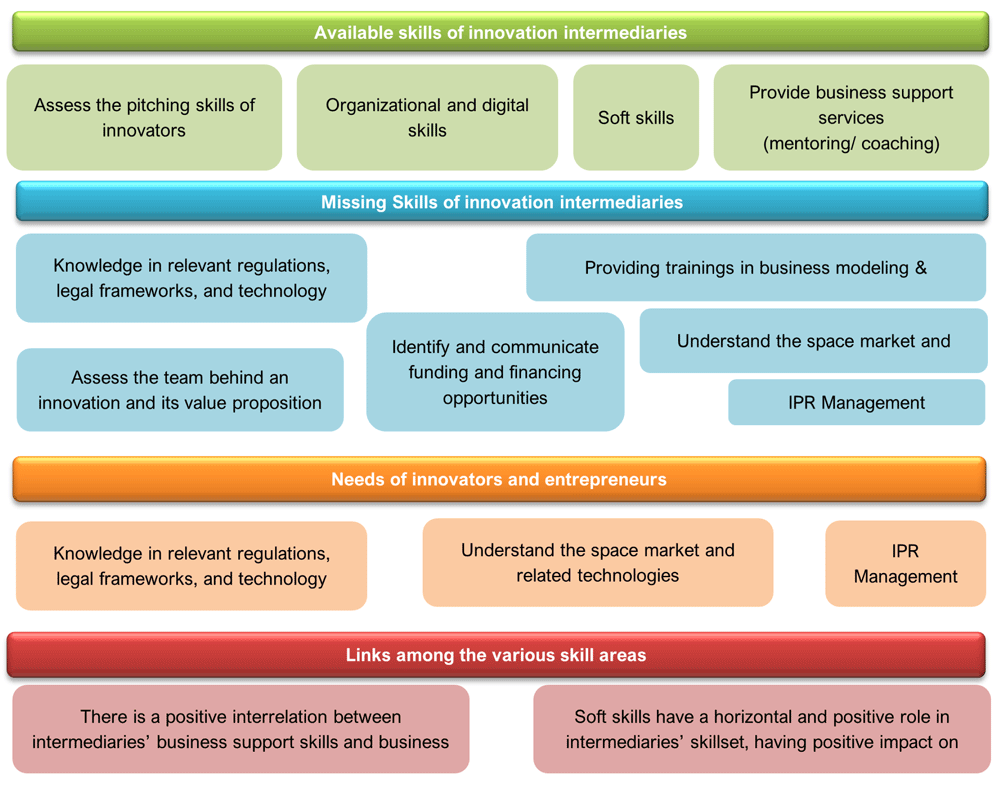
Figure 19. Key insights on the knowledge and skill areas for supporting space innovation.
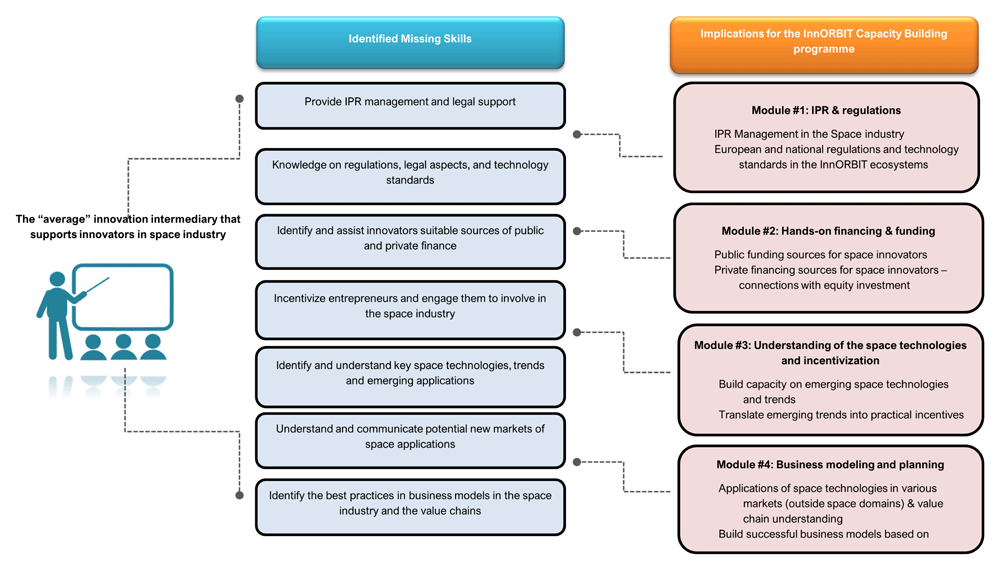
Figure 20. Overview of average knowledge and skill levels and training needs of innovation intermediaries.
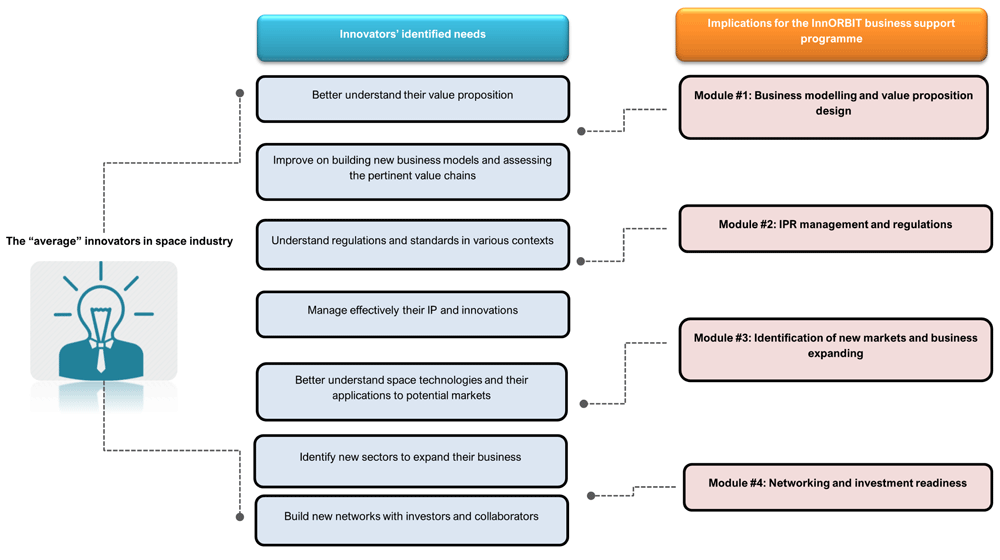
Figure 21. Overview of innovators’ needs and their perspective on innovation intermediaries’ knowledge and skill levels.
The results of this study are, of course, not exhaustive and need to be interpreted with caution. The assessment of innovation trainers’ and coaches’ skill and knowledge levels is a difficult and highly dynamic exercise. There is no inherent homogeneity, nor specific norms in the core competencies of business trainers across the CEE/SEE, since this aspect significant differentiates form one person to another, and from one innovation intermediary to another. However, our analysis has tried to conceptualise the core elements of innovation intermediaries business skills and attributes when they train innovators, so as to provide an indicative framework of core competencies an missing skills in order to properly inform the development of future business support and capacity building programmes, with specific focus on space industry and space entrepreneurs.
Data availability
Data consent
No consent is needed from survey respondents since no personal data were collected by the survey of this paper. During the survey deployment and analysis, we gave particular focus and adhered to the GDPR provisions.
Underlying data
Zenodo: Online survey of needs and challenges of innovation ecosystems and intermediaries for taking up activity in the EU space sector.
https://doi.org/10.5281/zenodo.572043427.
This project contains the following underlying data:
Extended data
Zenodo: Online survey of needs and challenges of innovation ecosystems and intermediaries for taking up activity in the EU space sector.
https://doi.org/10.5281/zenodo.572043427.
This project contains the following extended data:
Data are available under the terms of the Creative Commons Attribution 4.0 International.