Introduction
Climate crisis affects significantly weather patterns around the world with the increasing occurrence of extreme weather events. These changes lead to a variability in the fire seasons, especially an extension, as well as in a higher frequency of days with extreme weather conditions favorable to wildfires (Jain et al., 2017; Jain et al., 2022; Jones et al., 2022; Richardson et al., 2022; Silva et al., 2023). Tedim et al. (2018) discuss in detail the various parameters on how to define extreme wildfires and the relevant difficulties and challenges. Duane et al. (2021) introduced the term novel extreme wildfires. The last years, fire seasons seem to be more dramatic than ever with devastating wildfires occurring worldwide even in areas that are not considered as fire-prone (UNEP, 2022). One of the most characteristic and recent examples in Europe, is the 2023 wildfire in Greece, which was the largest wildfire ever recorded in the EU from EFFIS, with over 95,000 ha in Northern Greece (Alexandroupolis and Dadia forest), destroying a protected Natura 2000 area (EC, 2024).
The impact of forest composition and management on wildfire risk
The forests of today are far from their natural composition, structure and functions, and are likely to be very different from those of the future because of the constantly changing environmental conditions (Kirilenko & Sedjo, 2007; Kölling & Zimmermann, 2007; Lindner et al., 2010) and by unsustainable human influences (Kalapodis, 2009; O’Hara, 2014). Additionally, the landscapes of Southern Europe are undergoing a significant recovery of native forest vegetation, which includes the emergence of pioneer species and early-stage structures that are particularly prone to wildfire (Corona et al., 2015). The Mediterranean region is expected to experience the most significant impact of wildfires in the future, but the most interesting is the fact that even boreal and temperate regions of Europe are expected to experience a moderate increase in fire extremes with more frequent and intense wildfires (El Garroussi et al., 2024; Moreno et al., 2014a; Pereira et al., 2016). Fernandez-Anez et al. (2021) clearly discuss an increase of wildfires in Europe. It is also interesting that Oom et al. (2022) cannot identify specific trends in the burned area or the number of fires (larger than 30 ha) occurring in Europe. Based on EFFIS data for the period 2008–2018, thermal anomalies detected by satellites indicate that most probably, relatively mild years in terms of wildfire occurrence may be followed by years with extreme occurrence. Based on the same study, multi-annual trends are also difficult to be assessed either in terms of burned areas or number of fires. On the other hand, Turco et al. (2016) showcase that a decrease in the burned areas and the number of fires (for wildfires less than 30ha) exists based on data from the period 1985–2011. Grünig et al. (2023) point out that climate change may significantly alter the fire regime in Europe in the 21st century. The same study also points out that in Europe, and especially in the Mediterranean, there is no significant positive trend regarding the area burned. On the contrary in the Mediterranean a declining trend may appear, something that is not consistent with the patterns in the western United Sates and Australia. This particular trend in the Mediterranean could partially be explained by an improved fire management approach (Turco et al., 2016). The approaches include improvement in fire prevention, in fire-fighting measures, law reinforcement, as well as improved awareness and education, inter-regional collaboration and advances in research and technologies (Turco et al., 2016).
The consequences of land abandonment and ecological transitions
On the other hand, the abandonment of rural areas, industrialization, and preference for fossil fuels over wood is having a significant impact on traditional agricultural land use, leading to various ecological and socio-economic consequences. This trend has led to increased fuel accumulation and structural changes in fuel complexes, increasing the risk of wildfires. The mixing of urban and natural environments, along with poor landscape management and unmanaged vegetation regrowth in abandoned agricultural areas, exacerbates these fire risks (Mitri et al., 2014; Moreira et al., 2020).
Moreover, Neidermeier et al. (2023) mentioned that in the aftermath of wildfires or land abandonment, ecosystems often undergo a significant transition towards more homogeneous and compact forested areas. These landscapes typically exhibit vegetation that is predominantly composed of a similar age and species type, leading to reduced species diversity (Moreira et al., 2011; Moreno et al., 2014b). Specifically, Mediterranean areas may become dominated by shrublands or pine species, which further contributes to the decline in biodiversity (Baudena et al., 2020; Fayet & Verburg, 2023; Jones et al., 2020; Lasanta, 2019; Vasques et al., 2023). Additionally, this process is characterized by a densification in the spatial organization of fuels, increasing the risk of future wildfires and altering the ecological dynamics of the region. Studies have shown that high wildfire frequency can lead to the replacement of pine and oak forests with shrublands that are more fire-prone, particularly when the shrub species are pyrophytic (fire-adapted) (Baudena et al., 2020; Francos et al., 2016; Vasques et al., 2023). The interactions of climate change with unmanaged spontaneous vegetation cover and fire regimes shift should be understood and appropriately considered in fire management. It is necessary to know the impacts of regional climate change on ecosystem properties and fire regimes to be able to adapt fire management plans and policies, taking into account changes in fuel and vegetation type, burning conditions or additional fire risk due to climate change.
Fire-adapted ecosystems and resilience building
The restoration of degraded forest ecosystems involves several key activities, which have been identified to support the restoration. In particular, these activities have the greatest potential to prevent and reduce the impact of natural disasters (e.g. wildfires), taking into account environmental, social, cultural, economic, livelihood and health aspects (Halleux, 2024). To enhance the resistance, resilience and adaptive capacity of forest ecosystems and fire regimes to wildfires, it is important to consider both the conditions before and after a fire event (Romero & Ganteaume, 2020). The pre-fire condition of the ecosystem should support a diverse, adaptive to fire regimes, and resilient vegetation community (Keeley et al., 2011b; Ne'eman et al., 2012). It may be necessary to establish new target conditions that align with changing fire regimes and environmental conditions (Romero & Ganteaume, 2020). Promoting natural regeneration of forests is crucial, but in cases where natural regeneration fails or is not adequate, techniques such as planting and seeding may be needed to enhance resistance, resilience and biodiversity (Lamont et al., 2019; Romero & Ganteaume, 2020). Sample et al. (2022) underlined that native plant species and communities that are adapted to fire can help provide resilience against future climate changes or fire disturbances, even in new combinations. Efforts to support the recovery of these native plants and habitats can take place both prior to and following a fire event.
Fire-adapted species and their role in ecosystem recovery
While many species possess regenerative traits, such as vegetative resprouting and heat-stimulated seed germination, high-frequency fire regimes can lead to species loss and hinder ecosystem recovery (Huerta et al., 2022; Oliveira et al., 2012; Quintano et al., 2015). In the pursuit of enhancing forest resistance and resilience, it becomes imperative to delve into the adaptive strategies of various plant species towards wildfires. In fire-prone ecosystems, numerous plant species have developed mechanisms to withstand and even thrive in the face of wildfires (Fernandez-Guisuraga et al., 2021; Huerta et al., 2022; Pausas & Vallejo, 1999; Pausas et al., 2008). These strategies encompass serotiny, where seeds remain enclosed in cones or fruits until stimulated by fire, robust bark or specialized tissues that shield the plant from fire-related harm, and the capacity to regenerate through subterranean structures like bulbs or rhizomes (Huerta et al., 2022; Pausas & Vallejo, 1999; Pausas et al., 2008). Such fire adaptive measures play a pivotal role in the recovery post-fire and the natural regeneration of ecosystems, thereby bolstering the overall resilience of forests (Fernandez-Guisuraga et al., 2021; Huerta et al., 2022). Particularly in Mediterranean ecosystems, species display remarkable adaptations to fire, showcasing their resilience in the face of such disturbances (Balao et al., 2018; Rundel et al., 2018). Nevertheless, the efficacy of these adaptations can fluctuate depending on variables such as the intensity and frequency of fires (Keeley et al., 2011a). It is crucial to acknowledge the nuanced interplay of these factors in shaping the resistance and resilience of forest ecosystems.
Managing wildfire dynamics and burn severity
However, the challenge of reducing the spread of wildfires in fire-prone forest stands without compromising the key characteristics of the ecosystem is crucial. Before continuing it seems to be appropriate to come into a deeper understanding of the complexities of wildfire dynamics at hand. It is essential to distinguish between key concepts of fire spread and burn severity. Fire spread deals with how fast or slow the fire is propagating in the continuum (e.g., forest). The propagating heat flux associated with the spread of a flaming fire front depends upon a combination of radiative, convective, and conductive heat transfer (Rego et al., 2021). Rego et al. (2021) defined the term "burn severity" as “the immediate and direct ecological impacts of wildland fires (as noted by Keeley, 2009; Morgan et al., 2014; Ryan & Noste, 1985)”. Burn severity is typically categorized into different levels—such as unburned, low, moderate, or high— through ground-based sampling methods or by analyzing satellite images taken before and after the fire. Wind speed, temperature and slope are important factors, along with the type of fuels present, that influence how heat spreads during a fire. These elements play a significant role in determining how quickly a fire front moves.
Approaches to sustainable forest management
Building on the definitions discussed earlier, it's possible to explore how to mitigate the wildfire risk without changing the key characteristics of a forested area and its fire regime. Nature based silvicultural approaches that mimic nature by restoring a more natural overstory and understory with a mixture of site-adapted indigenous or non-indigenous tree species are suggested to minimize the severity of wildfires in a closer to nature horizontal and vertical composition. Nevertheless, in regions like the Mediterranean with drier weather conditions, this poses a major challenge. A number of studies (Carey & Schuman, 2003; Fernandes & Rigolot, 2007; Graham et al., 2004; Johnson et al., 2007; Peterson et al., 2005; Piqué, 2012; Piqué et al., 2011; Piqué et al., 2015; Serrada et al., 2008) provide managers with information on fuel reduction and the creation of fire resistant and resilient forest structures through proactive forest management (Kalapodis, 2009; Kalapodis, 2010). Over the years, a variety of forest management systems have been introduced outside the central and northern regions of Europe. In addition to central and northern Europe, a variety of forest management systems have been introduced in various regions of the Mediterranean as well, resulting in predominantly mixed compositions and a variety of benefits. These systems encompass a wide array of approaches, including mixed-stand silviculture (Pach et al., 2018), single-tree silviculture (Mairota et al., 2016), irregular management (Berretti et al., 2014), mixed regeneration (Motta et al., 2015), sporadic species valorization, and enhancement (Bianchetto et al., 2014), among several others (European Commission, 2023b). Each of these methodologies brings its unique blend of benefits and challenges to the table, contributing to the rich tapestry of silvicultural practices particularly in Mediterranean forest management.
Problem statement of this document
Unprecedented wildfires are expected to remain as a significant challenge for Europe in the coming years in terms of frequency and intensity during prolonged fire seasons. However, there is currently no standardised framework for managing wildfire risks. Plana et al. (2024) highlight the absence of a common standard definition for integrated wildfire risk management, which is further supported by Kirschner et al. (2024), who identify a wide range of conceptual approaches to wildfire management globally, such as 'living with fire,' 'integrated fire management,' 'sustainable fire management,' 'ecological fire management,' and 'fire-smart territories.' These findings reinforce the statement made by Plana et al. (2024) regarding the lack of consensus. Similarly, a comparable diversity of terminology exists within the field of sustainable forest management. Pommerening & Murphy (2004) report more than 20 synonyms or semi-synonyms used in connection with Continuous Cover Forestry (CCF), including 'continuous forest', 'close-to-nature forestry', 'ecological forestry', 'holistic forestry', and the last one proposed by the EU, Closer-to-Nature Forest Management.
Additionally, the considerable variability in political measures and regulatory frameworks surrounding fire management and fire use (legal restrictions or prohibitions in most European countries), coupled with their often insufficient or inadequately tailored nature, underscores the need for a comprehensive and unified approach that consider local contexts (Montiel & Kraus, 2010; Rego et al., 2010; Rego et al., 2021). This heterogeneity is particularly pronounced across Europe, where diverse fire management practices and regulatory landscapes coexist. Moreover, given the increasing complexity of wildfire risks, driven by human caused climate change, abandonment of traditional land use and unsustainable forest and fire management practices it is essential to establish a normative framework that can update, harmonize, and integrate the disparate policies and legislations currently in place. The establishment of such a framework would facilitate an effective integration of nature-based forest management concept and a holistic approach to fire management, thereby promoting a comprehensive strategy that aligns ecological restoration, biodiversity conservation, and fire risk mitigation, ultimately enhancing resilience to both wildfires and climate-induced environmental changes.
Montiel & Kraus (2010) stressed that the management of fire use in forested and open landscapes has been historically governed by stringent policies aimed at minimizing the threat of wildfires, which are often exacerbated by careless or deliberate ignition. While such prohibitive frameworks were conceived as protective measures, evidence from Mediterranean regions indicates that these approaches can paradoxically lead to increased instances of uncontrolled fires, as fire becomes a clandestine tool in rural activities. The challenge lies in developing an adapted policy framework that not only permits the controlled use of fire for ecological and land management purposes, such as prescribed burning and suppression fire, but also navigates the entrenched barriers of existing legislation. Countries have often resorted to ad-hoc policy adjustments in response to catastrophic fire events, yet proactive and comprehensive changes are essential for effective fire management. Successful case studies, like Portugal's reform of its national fire defense system, highlight the potential for a new legal framework that acknowledges prescribed burning on par with traditional fire suppression methods (Montiel & Kraus, 2010; Rego et al., 2021). However, the interplay of public perception and political support can complicate these reforms, suggesting that while effective fire management can reduce the frequency and intensity of wildfires, it may inadvertently foster disinterest of the general public in ongoing fire management initiatives, thus creating a cycle of ambivalence towards essential fire use policies.
Scope of this document
This document in an effort to support Europe towards a holistic approach on managing wildfires considering the spatial and temporal scale necessities, suggests the implementation of the combination of two well established methodological approaches: a) Closer-to-Nature-Forest-Management (CTNFM) (European Commission, 2023b; Larsen et al., 2022) and b) Integrated Fire Management (IFM) (FAO, 2023; FAO, 2024; Myers, 2006; Rego et al., 2021; Silva et al., 2010).
Integrated Fire Management (IFM) is a comprehensive approach to wildfire risk management that incorporates a combination of preventive, suppressive, and restorative strategies. IFM integrates apart from traditional and ancestral fire use techniques, controlled (tactical options for suppression fire use) or prescribed burns to reduce the accumulation of fuel loads, direct or slow down fire spread, mitigate re-ignition risks, and limit suppression actions to an anchor point, and restore ecological processes. In recent years, the urgency of addressing climate change has prompted a re-evaluation of traditional forestry practices, leading to the emergence of innovative approaches like Closer-to-Nature Forest Management (CTNFM). This ecologically focused strategy emphasizes the sustainable management of forests as a vital Nature-based Solution (NbS) to combat climate change, as highlighted in the European Union’s Biodiversity Strategy 2030 (European Commission, 2021a). The European Commission's DG Environment underscored the necessity of adopting biodiversity-friendly forestry practices to enhance ecosystem resilience and promote sustainability. Following this, the New EU Forest Strategy for 2030 (European Commission, 2021b) further solidified the commitment to CTNFM by encouraging the development of specific definition, principles and objectives (Larsen et al., 2022), paving the way for a more harmonious relationship between forest management and biodiversity enhancement and conservation. In 2023 (European Commission, 2023b), these efforts culminated in the establishment of comprehensive guidelines, setting the stage for a transformative shift in how forests are managed across Europe. This approach emphasizes the maintenance of natural forest structures and processes. This approach is predicated on the objective of preserving or reestablishing forest ecosystems by fostering natural ecological processes and the incorporation of ecosystem dynamics into forest management practices. It is designed to enhance biodiversity and ensure the preservation of ecosystem functionality and resilience in managed forests throughout Europe. This includes fostering natural tree regeneration, native or site adapted non-native diverse tree species compositions and structures, and complex habitat features and avoidance of intensive management operations all of which contribute to enhanced biodiversity and resilience. Effectively combining these two approaches, while adapting their frequency and intensity to specific local contexts such as climate, forest type, and site characteristics, holds significant promise for creating more resilient and ecologically sound forest ecosystems.
Montiel & Kraus (2010) highlighted that the (re)introduction of fire as a contemporary management tool has emerged as a crucial strategy for addressing various ecological challenges, necessitating careful adaptation to local environmental conditions. Initial experiments aimed at understanding fire's impact on ecosystems have highlighted its dual role in operational and ecological contexts, yet the recognition of fire's importance varies significantly across regions. Notable case studies, such as those from the French Prescribed Burning (‘brûlage dirigé’) in Pyrénées Orientales and Prescribed Burning for Nature Conservation in Västernorrland, Sweden, illustrated the complexities of integrating fire into management practices, revealing both successful collaborations between scientists and managers, and the obstacles posed by entrenched beliefs about fire’s role in nature (Montiel & Kraus, 2010). Moreover, the same authors underscored that in the northern European countries of Norway, Sweden, and Finland, which predominantly feature boreal and hemiboreal vegetation zones, the practice of prescribed burning has emerged as a vital component of sustainable forest management. This technique, recognized within the framework of forest certification, is not only instrumental in maintaining steady-state and resilient forest ecosystems but also plays a crucial role in enhancing biodiversity within protected natural areas. In Sweden alone, approximately 50 to 200 hectares are subjected to prescribed burns each year to support biodiversity management efforts. The county of Västernorrland stands out as a leading example of this practice, with 485 hectares burned since 1993 across various nature reserves, including Jämtgaveln and Stormyran-Lommyran. Through the careful implementation of prescribed burning, these countries are demonstrating a commitment to ecological stewardship and the preservation of their unique natural landscapes. While prescribed burning has proven effective in enhancing biodiversity and managing fuel loads, the ongoing debate surrounding its application underscores the necessity for continued research and dialogue. One of the lessons learned was that by fostering collaboration among stakeholders and cultivating a more nuanced understanding of fire ecology, management programs can evolve to address contemporary social and environmental concerns, thereby unlocking the potential of fire as a valuable resource in land and forest management strategies (Montiel & Kraus, 2010).
Both approaches (objectives and tools) take a holistic view of the ecological, socio-economic and technical aspects of sustainable forest and fire management, (1) to address the social and conservation problems as well as the issues that result from the degradation of forests before and after wildfires; and (2) to meet the goal of sustainable ecosystems functions and services for human livelihoods in fire prone and/or degraded environments. This research establishes a foundation for an examination of the advantages and difficulties associated with the integration of IFM and CTNFM, as well as their prospective applications in fostering sustainable forest management and mitigating wildfire risk in fire-prone environments in Europe. The advantages and disadvantages of the two approaches are discussed, and some examples from Europe, US and Australia are provided. These examples can be used as lessons learned and best practices of the aforementioned approaches to enhance the resilience of forest against wildfires, to support biodiversity and adaption of forests, forested and agroforestry landscapes in the era of climate crisis.
Finally, options for consideration by policymakers, practitioners (firefighters, emergency responders, forest and land managers, conservation managers), scientists (e.g., foresters, wildfire experts, conservation experts), and communities on how to manage wildfire risk are provided to create a realistic vision of a more resistant and resilient forest ecosystem in the context of climate change.
Methodology
This chapter presents an approach for assessing the impacts of climate change-induced wildfires on forest ecosystems and their surrounding landscape mosaics, with an emphasis on integrating wildfire management and sustainable forest management strategies. Specifically, it explores two key management approaches: Integrated Fire Management (IFM) and Closer to Nature Forest Management (CTNFM). These strategies are examined within a comprehensive theoretical framework that draws upon a comprehensive literature review.
The literature review is based on both academic and gray literature encompassing wildfire ecology, wildfire risk management, forest ecology, the impacts of climate change, and sustainable forest management practices in terms of integrative multifunctional forest management. This synthesis of studies, reports, and policy documents provides a critical understanding of the dynamics of fire, forest structure, biodiversity, and the ecological roles of fire within these systems. Key themes addressed include strategies for managing wildfire risk, the shifts in fire regimes driven by climate change, the ecological functions of fire, and the core principles of IFM and CTNFM. These concepts are explored across both temporal and spatial scales, as illustrated in Figure 1.
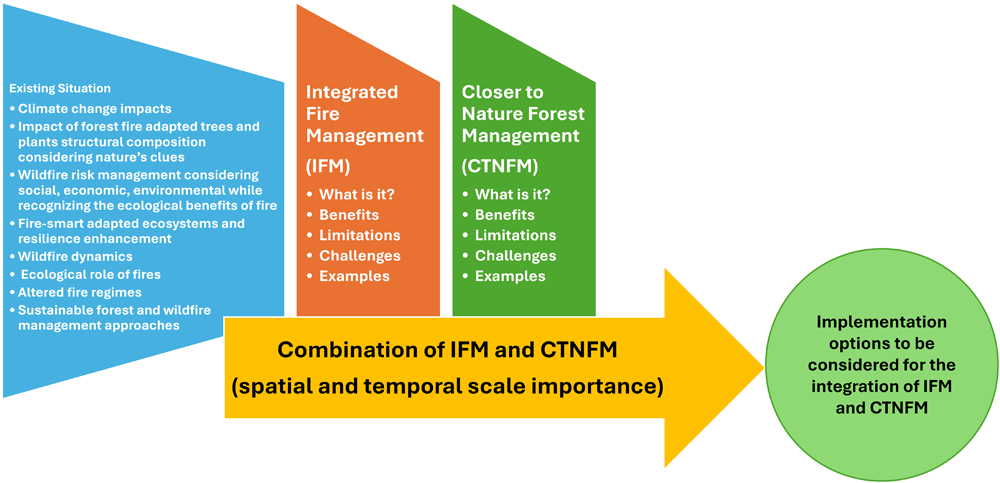
Figure 1. Schematic representation of the methodological concept behind the suggestion of combining IFM with CTNFM to create wildfire resilient forests and societies.
Integrated fire management
In Myers (2006) the following statement from the special fire issue of Aborvitae (Stolton & Dudely, 2003) of the International Union for Conservation of Nature (IUCN) is stated: “Disturbance is present in all natural ecosystems. Forest management therefore needs to be able to accommodate chance episodes of natural disturbance, including fire. Managers also need to distinguish between harmful and harmless or beneficial fires. Fire is sometimes essential for forest regeneration or provides tangible benefits for local communities; in other cases, it destroys forests and has direct social and economic consequences.” Starting with the aforementioned statement from IUCN, this subchapter introduces the shift from a traditional way of managing fires (suppression, control, exclusion) to a more proactive and holistic approach (wildfire mitigation, preparedness, suppression and adaptation) titled Integrated Fire Management (IFM) to increase wildfire (risk) management capacity.
Fire management has historically focused on the suppression, control, and exclusion of wildland fires ("Smokey Bear effect"), primarily to protect human life and health, property (homes, infrastructure and critical entities), livelihoods, traditional and indigenous cultures, and natural resources in landscapes and rural areas. Traditional fire management has involved a wide range of activities united by the primary goal of controlling fuels, ignition, or fire spread. This approach often overlooked the ecological benefits of fire, such as maintaining biodiversity and ecosystem health. The prevailing view was that all fires were detrimental, leading to a reactive rather than proactive management approach (FAO, 2002; FAO, 2006; FAO, 2011; FAO, 2023; FAO, 2024; Myers, 2006; Rego et al., 2010; Rego et al., 2021; Silva et al., 2010).
According to Rego et al. (2021), fire science and management today is adequately informed by the field of fire ecology, which has expanded significantly since the middle of the 20th century (Komarek, 1976). This makes stronger the statement of Rego et al. (2021) that Integrated Fire Management has a long history, and yet it is still a relatively new concept. Additionally, it has been recognized how critical it is to be reoriented on fire mitigation (prevention) and adaptation (recovery) as opposed to the traditional portfolio of fire suppression, control and exclusion, which calls for combining pre- and post-fire management to lessen fire risk and its effects. Important information on this topic has been supplied by a number of EU-funded initiatives, particularly in the Mediterranean regions (PREFER, FORESTERRA, FUME, FIRE PARADOX, PROTECT, HOLISTIC, READINESS). Moreover, examples of how prescribed burning has been integrated into landscape management strategies are the initiatives “LIFE Granatha”, “Landa Carsica” in Italy, and “LIFE Montserrat” in Spain, where it is used to improve biodiversity and habitat besides decreasing wildfire risk.
Additionally, Montiel & Kraus (2010) provide several European examples of fire use in land management, highlighting the diverse applications and benefits of prescribed burning and other fire-related techniques. These case studies range from nature conservation efforts in Sweden and Germany, where prescribed burns are strategically implemented in protected areas, to the deeply ingrained traditional practice of 'muirburn' in Scotland, demonstrating the cultural significance of fire. Further examples include the French Prescribed Burning Network's multi-faceted approach to wildfire prevention and biodiversity management, as well as national programs in Spain, Portugal, and Catalonia that focus on grazing improvement, tactical firefighting, and forest fire risk management, respectively. Each case study explores the context, objectives, implementation, and outcomes of these fire use practices, ultimately aiming to disseminate knowledge and promote the social and ecological opportunities presented by these techniques.
To achieve sustainable ecosystems and livelihoods in fire-prone environments, as well as to address social and conservation issues raised by vegetation burning, the Integrated Fire Management approach comprehensively integrates the social, economic, ecological, and technical aspects of fire (Myers, 2006). In addition, IFM links the four essential elements of the emergency fire management cycle of mitigation, preparedness, suppression, and recovery (adaptation), moving beyond the traditional focus on suppression, control, and exclusion.
IFM benefits, limitations and challenges
IFM is positioned as a complete and multifaceted strategy that provides a framework for operational and planning processes designed and aims to balance the risks associated with wildfires while maximizing their ecological benefits (FAO, 2023; FAO, 2024; Myers, 2006; Rego et al., 2010; Rego et al., 2021; Silva et al., 2010). For example, IFM emphasizes the importance of wildfire mitigation, advocates the use of fire as a management tool, and emphasizes the central role of local communities and indigenous as active participants in the entire process. On the one hand, understanding natural and anthropogenic fire regimes is essential for effective landscape management. On the other hand, the traditional knowledge and practices of local and indigenous people contribute significantly to sustainable land management and fire use. Related to the disaster management phases, its key components include as mentioned:
Prevention (Mitigation) phase: Implementing measures to reduce the risk of wildfires, such as fuel management, controlling of vulnerable to fire invasive species, creating firebreaks, restoring degraded ecosystems, public awareness campaigns, and regulatory controls.
Preparedness phase: Developing plans and strategies, including robust early warning systems, utilizing fire detection technologies, conducting regular monitoring to identify and respond to wildfires at their early stages and involves training programs for firefighters and residents.
Suppression phase: Efficient and effective firefighting operations, including mobilizing resources, establishing command centers, and coordinating with relevant agencies to suppress and control wildfires swiftly and efficiently with the use of fire.
Post-Fire Restoration and Adaptation Management (Recovery): Implementing long- and short-term post-fire restoration measures to ensure ecosystem recovery and mitigate potential hazards resulting from wildfires, such as erosion, floods, landslides and invasive species.
By integrating ecological knowledge with socio-economic considerations and community engagement, IFM aims for sustainable land management that acknowledges the dual nature of fire as both a threat and a tool for ecological balance in a holistic way. This evolution is critical in addressing contemporary challenges posed by climate change and increasing wildfire risks globally.
Integrated Fire Management has been used with success internationally (Boer et al., 2009; Davim et al., 2022; Kaoukis et al., 2023; Rego et al., 2021) from Australia, to South Africa, United States of America, and Europe with positive results in wildfire suppression, elimination of extreme wildfires, conservation of biodiversity and mitigation of wildfire risk by using prescribed burning as the main tool for conducting IFM. The benefits of treating prescribed fire include reducing the intensity and severity of wildfires and the threat of future wildfires in the same area (e.g., Boer et al., 2009; Halofsky et al., 2020). In addition, safe buffer zones can be created, ladder fuels and debris from logging or thinning are reduced, growth of trees, plants and fungi is promoted, while invasion of non-native species, insects and disease is minimized (Halofsky et al., 2020).
Among the various success stories of using prescribed burning for fuel management, and biodiversity conservation in Australia since the indigenous people, the use of prescribed burning in France in the Pyrénées-Orientales for pastoral purposes and to re-learn how to control fire and the response of ecosystems, one modern example also worths to be mentioned; the use of prescribed burning in Florida (USA) for ecological benefits and to reduce fuels, even in the Wildland Urban Interface (Rego et al., 2021).
Worldwide, among the various success stories of using prescribed burning for fuel management, and biodiversity conservation in Australia since the indigenous people, the use of prescribed burning in France in the Pyrénées-Orientales for pastoral purposes and to re-learn how to control fire and the response of ecosystems, one modern example also worths to be mentioned; the use of prescribed burning in Florida (USA) for ecological benefits and to reduce fuels, even in the Wildland Urban Interface (Rego et al., 2021). There are also other several noteworthy examples of effective fire utilization across Europe, including the prescribed burning initiatives in Sweden (nature conservation in protected areas in Västernorrland) and Germany (use of Prescribed Fire for Maintaining Open Calluna Heathlands in North Rhine-Westphalia), traditional fire management in Scotland and UK (Fire Use Practices for Habitat and Wildlife Management in Scotland and the UK with a Case Study from Glen Tanar Estate), organized fire management networks in Spain (The EPRIF or ‘Integral Prevention Teams’) and Portugal (Portuguese National Programme of Fire Use and Analysis Group-GAUF team Actions) and the Catalonian Programme on Fire Management (Grup de Recolzament d’Actuacions Forestals - GRAF Team Actions). Each of the aforementioned case studies demonstrates the transformative capacity of fire when strategically utilized, addressing ecological imperatives while fostering community involvement and sustainable practices Montiel & Kraus (2010).
Strom (2005) clearly mentions that thinning, timber harvesting and prescribed burning are related to reduced burn severity, and especially their combination and at the same time increase in the number of live trees. In Wollstein et al. (2022) the turn from reactive wildfire management towards proactive wildfire management and integrated fire management is also supported. It is also clearly mentioned that in areas where fuel treatments have been applied to reduce burn severity, firefighters or other responders could allow specific fires to burn in order to promote the long-term benefits of the fire to the ecosystem. Nevertheless, actions like this, require an integrated fire management strategy in which all activities prior, during and after wildfires are synergistic and improve long-term ecosystem.
In Southeastern Europe, specifically Greece, among the continuous use of fire by shepherds (Papanastasis, 1976; Papanastasis, 1980), the practice of prescribed burning has remained largely experimental, with only isolated trials conducted in forest plots, shrublands, and mountain pastures (Liacos, 1977; Papanastasis, 1976; Papanastasis, 1980). This hesitance to embrace fire management practices reflects a broader reluctance to integrate such methods into environmental stewardship strategies, hindering the potential benefits of controlled burning for ecological health and landscape management. As the complexities of wildfire risks and land management evolve, revisiting and potentially redefining these practices may prove essential for sustainable resource management in the Mediterranean region. Recently, pilot prescribed burnings have been conducted in Chios island in order to identify and setup the necessary requirements for its use in Greece and provide these to build the relevant legal framework (Athanasiou et al., 2022; Athanasiou et al., 2023). The first results are promising, and prescribed burning can be used with other traditional measures such as thinning and grazing. The use of prescribed burning did not show any significant impacts to the soil. Also, the biodiversity in flora showed an increase after the use of prescribed burning (Kaoukis et al., 2023).
Despite the advantages of IFM in reducing wildfire risk, with fire, some points are worthy of consideration when designing and planning based on the IFM principles. Intensive training and understanding of fire behavior is mandatory to conduct prescribed burns otherwise the control of the fire may be lost, endangering firefighting personnel and the society in general (Myers, 2006), thus contingency measures have always to be taken into account to avoid any risks of the fire to escape (Myers, 2006). Prescribed burning should be made under favorable weather conditions (Myers, 2006). Especially now that many areas face changes in their fire regime due to climate change, the periods for the safe conduct of prescribed burning may be limited. Implementation of prescribed burn in narrow fire regimes may potentially lead to the extinction of species (Gill & Bradstock, 1995; Myers, 2006). Prescribed burns can also affect air quality especially in the local scale and in the short-term, especially due to the high concentration of fine particulate matter lower than 2.5μm (Haikerwal et al., 2015). In a large percentage of the population and even of disaster managers, fires are considered as a bad thing and there is a need to raise awareness about the good role of fire (Myers, 2006). IFM is a collaborative approach that requires the combination of various stakeholders with background and interests which may drive to conflicts, and sometimes, this can be a drawback as well. Increasing run-off and erosion rates is a pitfall mentioned also in the literature (Fernandez et al., 2012). According to Lyet et al. (2009) prescribed burning may affect wildlife mortality. Scale problems between habitat size and habitat diversity (Myers, 2006) which require clear goals and continuous monitoring of the results acquired with the use of prescribed burns maybe a disadvantage. Pastro et al. (2011) suggest that prescribed burns have little effect on the conservation of biodiversity in a broader scale, although it is a tool that can help protect fire-sensitive species from the effects of wildfires. The differentiation of the use of fire for restoration and maintenance purposes is an issue that needs to be considered when using fire as a tool (Myers, 2006). Another potential challenge is the fact that in order for prescribed burning to be effective and provide its ecological benefits is the fact that it may need to be implemented repeatedly (Boer et al., 2009). Fire management practices such as prescribed burns may allow the invasion of non-native species and a compromise between reduction of fire hazard and alien species invasion should be made (Keeley & McGinnis, 2007; Kerns & Day, 2017). A balance needs to be found in areas where non-native species control the local fire regime. Failure to address transitional vegetation in fire-dependent, fire-sensitive and fire-influenced ecosystems (excluding fire-independent ecosystems) may result in deficiencies and risks in land management decisions. The restrictions in current legislation in the use of fire as well as the still non-adapted traditional fire use regulations in other countries (Silva et al., 2010). Cost of prescribed burns is another challenge, as in some cases, prescribed burns can be a cost-effective measure while in other circumstances not so cost efficient, and the proper balance at spatial scale has to be found (Florec et al., 2020; Pacheco & Claro, 2021; Penman et al., 2020). Spring and fall burning may not serve the same ecological benefits as summer burning (Kantor et al., 2020). Also, prescribed burns may work poorly in forests with infrequent, stand-replacing wildfires (Halofsky et al., 2018).
IFM, during suppression phase, promotes the use of fire techniques such as burn out or backfiring in order to control a wildfire (NWCG, 1996; Silva et al., 2010). One the most recent adoptions of these suppression fires in operational levels, made in Greece on March of 2022, in which the Hellenic Parliament approved the law to use backfire and burnout techniques for fire suppression, while in June 2022, the government published the technical aspects on how to use them (Athanasiou et al., 2022).
IFM integration into the legal framework of EU member states under the subsidiarity principle
As far as it concerns the adoption of prescribed burning in national laws of the EU Member States, Portugal and France were the pioneers in establishing legal frameworks for prescribed burning. Spain and Italy have only implemented regulations at a regional level (D’Amelio, 2022). France introduced the Forest Management Law, modifying the Forest Code of 1987. This law allows responsible authorities to use fire for prevention outside of risk periods (Art. L321-12). Additionally, local regulations (arrêtés préfectorales) have been developed by “Départements” to create prescribed burning plans.
Portugal, in 2004, enacted a specific regulation on prescribed burning known as fogo controlado. Significant policy changes in 2009 led to the adoption of the term fogo técnico, which includes prescribed burning and suppression fire. The region of Catalonia, in Spain, has developed Decree 312/2006 on Tactical Fire that regulates fire use for wildfire prevention and suppression. Other regions, such as Galicia and the Balearic Islands, have incorporated prescribed burning within their basic forest fire regulations. In Italy, regions, such as Piemonte, Basilicata, and Liguria, have considered the use of prescribed burning in their laws and programs. However, practical implementation remains limited, with Sardinia being a notable exception. Outside the Mediterranean region, Sweden and Poland are reported to have unclear regulations on fire management. Conversely, Lithuania, Italy, and Germany, which previously banned the use of fire, are beginning to reintroduce it experimentally for the management of protected areas (Montiel-Molina, 2013). In northern Europe, particularly in Estonia, Finland, Latvia, Lithuania, and Sweden, the natural role of fire in boreal and hemi-boreal ecosystems is recognized; however, negative public perceptions of fire use persist alongside a lack of regulatory frameworks (Montiel-Molina, 2013). It is important to recognize that fire governance is currently undergoing significant changes in emerging fire regions, suggesting that regulations may have evolved since 2013. A recent global review of fire policy suggests that regulations on fire use remain ambiguous or poorly enforced in several European countries, including the United Kingdom and Italy, where fire management is primarily handled at the local rather than national level (Pandey et al., 2023).
Overly restrictive legal frameworks in some countries hinder prescribed burning practices. In other regions, traditional fire use regulations remain outdated and are not conducive to modern fire management approaches. Achieving parity in recognition of competencies between traditional and prescribed burning practices is essential. Future fire use policies must ensure real integration of both practices to avoid conflicts and promote effective management. The maintenance or loss of traditional fire use knowledge, or "fire culture," can be both a strength and a weakness. In regions where fire culture is preserved, it serves as a foundation for integrating fire management tools, particularly among rural communities familiar with fire usage. Conversely, where traditional fire culture diverges from policy, conflicts may arise between rural communities and responsible authorities.
Even in well-established countries, ongoing training for personnel and an increase in qualified technicians are crucial for the future consolidation of prescribed burning practices. Countries such as Portugal, France, Spain and Italy with successful prescribed burning programs possess valuable potential to share and adapt key factors for success to regions facing greater limitations. The establishment of networks among stakeholders could enhance collaboration and facilitates the implementation of prescribed burning practices and policies.
Closer-to-Nature Forest Management
Throughout Europe's history, there have been different views on the idea of "sustainable forest management" (SFM) and how to implement it, depending on the different forest biomes, geographical locations, and stakeholder and management planning portfolios. In 1993 at Helsinki, the European Union (EU) decided that all member states' degraded forests, caused by overexploitation, should be restored and maintained in the future through new, more strategic planning that takes into account sustainability and multifunctionality. In 2023, the European Commission published a set of guidelines, a staff working document (European Commission, 2023b), on the Closer-to-Nature Forest Management (CTNFM) approach to assist competent authorities, forest owners and managers and other key stakeholders in the implementation of a biodiversity-friendly and adaptive forest management practices under the prism of climate change and the Green Deal actions. This requires strengthening the ability of forests to provide a wide range of ecosystem services and support for these services. These include wood production, biodiversity conservation, wetland protection, water quality preservation, recreation opportunities, carbon sequestration, and carbon storage. To achieve this, it is necessary to bolster both the environmental aspect of sustainable forest management and the resilience of forest ecosystems (European Commission, 2023b).
CTNFM (Larsen et al., 2022) practices can effectively address these environmental and climate-related needs in a sustainable way. Furthermore, managing forests according to closer-to-nature principles wherever possible and needed, considering the local conditions, could enhance their resistance, resilience, and adaptive capacity, thereby reducing the significant and escalating socioeconomic risks associated with forest damage and losses caused by climate change. CTNFM integrates technical, economic, and social considerations to safeguard ecosystem functioning and resilience. This approach recognizes forests as complex ecosystems with various organisms and abiotic elements, working together to support multiple functions. Instead of imposing uniformity, CTNFM relies on natural processes and avoids manipulating natural site conditions. It considers factors such as species interactions, environmental conditions, and climate to make decisions about managing forests. Diverse forest structure and composition are crucial for biodiversity, and forests should include different stages of development to provide habitats for a variety of species.
The principles of CTNFM include:
Embracing and allowing natural processes to unfold
Maintaining the diversity and complexity of forest structures and patterns
Connecting and integrating forest functions across various spatial scales
Utilizing a variety of silvicultural systems that align with the natural disturbance patterns of the region
Conducting timber harvesting activities with a minimal environmental footprint is crucial. Emphasis should be placed on considering what is preserved in the forest alongside what is harvested, thereby safeguarding habitats, forest soil, and microclimates.
By adhering to these principles, forest managers can promote the long-term health, biodiversity, and ecological integrity of forest landscapes, ensuring their sustainability for future generations. Bauhus et al. (2013) echo the sentiments of Larsen et al. (2022) by emphasising the importance of using tree species appropriate to the site, promoting diverse mixed-age forest structures, avoiding clearcutting, stand stability, relying on natural processes and encouraging individual tree growth. According to Larsen et al. (2022), CTNFM acts as a catalyst for biodiversity restoration, conservation, and enhancing forest resilience to climate change by focusing on two primary objectives:
- Enhancing Structural Complexity: By increasing the structural complexity of forests, CTNFM aims to create diverse habitats. This diversity fosters ecosystem resilience and stability in the face of environmental changes.
- Facilitating Natural Forest Dynamics: Promoting natural forest dynamics entails facilitating the evolutionary progression and regeneration of forests to emulate the various stages of ecological succession. This strategy enhances biodiversity, ecosystem vitality, and resilience to dynamic environmental factors, thereby fostering long-term sustainability.
By prioritizing these objectives, CTNFM not only supports biodiversity restoration and conservation efforts but also bolsters the adaptation of forest ecosystems in the face of climate change challenges. To achieve the CTNFM objectives the following key interventions should be followed:
Encouraging the natural regeneration of tree species.
Implementing harvesting practices that respect the ecological integrity of the forest.
Limiting unnecessary human interventions to maintain natural processes.
Protecting and enhancing the health of forest soils and water ecosystems.
Retaining deadwood structures to support biodiversity and nutrient cycling.
Designating specific areas for conservation and non-intervention.
Implementing measures to protect vulnerable or endangered species within the forest.
Balancing ungulate populations to align with the forest's ecological capacity.
Tailoring management strategies to suit the specific scale and characteristics of the forest landscape.
CTNFM Benefits, limitations and challenges
Forests throughout the EU vary significantly in terms of their environmental attributes, current status, biodiversity, and challenges posed by climate change. This diversity also extends to the forestry measures that have historically influenced these forests (European Commission, 2023b).
Transitioning from even-aged monocultures of conifers, which can lead to a "domino effect" during wildfires, to uneven-aged mixed forests (del Rio et al., 2016; del Rio et al., 2017; del Rio et al., 2018; Morin et al., 2011; Morin et al., 2014; Puettmann, 2011; Sánchez-Pinillos et al., 2016; Vilà et al., 2013), which incorporate a higher proportion of less flammable broadleaf species (Amiro et al., 2001; Campbell & Flannigan, 2000; Hély et al., 2001; Hirsch et al., 2004; Krawchuk & Cumming, 2011; Päätalo, 1998; Terrier et al., 2013) and fire-resistance species (Moris et al., 2022) promoting compositional, functional, and structural diversity (i.e., tree age, size, height), where appropriate and possible, can significantly improve the resilience, resistance, and adaptive capacity of both current and future forest stands in the face of various natural disturbances, including those caused by wildfires and climate change (Jactel et al., 2017; Messier et al., 2022). In addition, by establishing such uneven-aged mixed stands, the risk is dispersed over a larger number of different tree species, thus increasing the resilience of the forest stands (Kohnle & Klädtke, 2011). This transition can be achieved among the aforementioned silvicultural approaches also through appropriate management and restorative harvest practices such as controlled clear cuttings, pruning, thinning in overstocked forests, mastication of woody material, and reductions of herbaceous fuels through grazing, herbicides, or mechanical means (Agee & Skinner, 2005; Bernau et al., 2018; Brennan & Keeley, 2015; Diamond et al., 2012; Forestry Commission, 2014; Jain et al., 2012; Krawchuk & Cumming, 2011; Shinneman et al., 2019). Such strategies foster a phenomenon often referred to as the "portfolio effect", in which the various species (in mixture) are affected in a different way by wildfires, and thus the risk is dispersed and reduces the individual's (even-aged conifers plantations) vulnerability to wildfires.
Nevertheless, the choice of adaptive silvicultural system for enhancing wildfire resilience, resistance and adaptive capacity, particularly those that align closer to nature processes such as “Irregular Shelterwood” and “Selection Systems (both group and single tree)” should be carefully evaluated on a site-specific basis, considering various factors. These factors encompass annual atmospheric conditions, the current and anticipated stages of vegetation and tree species composition and structure, as well as the terrain, all of which affect fire risk, combustion, and behavior. It is important to mention here that these systems, while promoting high biodiversity, can also be susceptible to wildfires due to the accumulation of surface and ladder fuels (Forestry Commission, 2014).
In addition, Kalapodis (2010) emphasized that mixed forests pose several management challenges throughout their life cycle (natural succession stages), requiring more intensive regeneration efforts, especially on calcareous soils, as well as enhanced protection and maintenance strategies. They require a higher level of spatial organization and detailed planning than pure stands. While mixed forests can be beneficial, as noted by Thomasius (1992), they are not universally applicable; their effectiveness varies with site and species combinations. Furthermore, and despite the aforementioned benefits of mixed forest formations, there is a notable lack of management models tailored to these ecosystems (Coello et al., 2022). Existing silvicultural guidelines tend to be vague and mainly qualitative (Pretzsch et al., 2021) due to complexity associated with establishing guidelines, significant diversity of the combination of these stands formations with compatible species in an area and limited empirical evidence of the outcomes of silvicultural treatments on the field (Bauhus et al., 2017; Piqué & Vericat, 2014).
The establishment of heterogeneous stands that integrate a diverse array of tree sizes in horizontal distribution and intricate vertical groupings has demonstrated benefits for wildlife habitat and forest resilience, as highlighted by various studies (Larson & Churchill, 2012; O’Hara, 2014; Ritter et al., 2020; Stephens et al., 2014), including at stand and landscape scale (O’Hara, 2014). This strategy has the potential to augment biodiversity, offer diverse habitats for wildlife species, and bolster the overall resilience of the forest ecosystem against environmental stressors. Despite concerns about fire hazards and crown base height which often lead to simplified stand structures with uniform tree size distributions (Agee & Skinner, 2005), it is worth noting that a homogeneous structure may not always be essential. Crown base height is a crucial parameter in understanding how fires move from the ground surface through ladder fuels into tree canopy. Crown base height is the vertical distance from the ground to the lowest branches of a tree's crown (Rego et al., 2021). Maintaining or increasing the crown base height of trees in a forest with techniques such as thinning or pruning can reduce fire danger. Reducing canopy bulk density reduces the probability of active crown fires and increases fire resistance (Rego et al., 2021). Enhancing fire resistance can be achieved by diversifying tree sizes within groups and restricting the horizontal connectivity of the overstory or large tree component (Ritter et al., 2023). The implementation of a discontinuous overstory layer allows for the movement of heated air between tree crowns, reducing the likelihood of crown fires, as suggested by Ritter et al. (2020) and Tachajapong et al. (2009). This approach not only facilitates the development of complex vertical structures but also aids in mitigating crown fire hazards through a reduction in overstory density. The interplay between the vertical arrangement and horizontal spacing of trees within a group significantly impacts crown fire initiation. By clustering small- and medium-sized trees together while horizontally separating them from larger canopy trees, the risk of acting as a vertical fire ladder is minimized.
The management of wildfire resilience in such forest ecosystems is a complex challenge, particularly as forest structures evolve over time through the different natural succession stages. Thus, fire hazard ratings for surface, ladder, and crown fuels are critical in understanding the potential for extreme fire behavior, such as crown fires and torching, which can occur when surface fires escalate through ladder fuels to reach the canopy. Therefore, a primary objective in forest management should be to prevent such extreme fire behaviors (Forestry Commission, 2014). Moreover, Sample et al. (2022) mention that functional diversity within the pre-fire vegetation community emerges as a crucial factor in enhancing ecosystem recovery and resilience following disturbances, including wildfires. Diverse plant communities, characterized by a variety of growth forms, functional types, and adaptive traits, are generally more capable of withstanding stressors such as climate change and can better recover from significant disturbances such as wildfires. This functional diversity is particularly important in landscapes that have experienced large fires, as it can facilitate ecosystem reorganization and recovery (Hurteau et al., 2014; Noss, 2001; Spasojevic et al., 2016).
According to Larsen et al. (2022), Nature-Based Forest Management (NBFM) is currently implemented on 22–30% of the forested areas in Europe. This percentage is gradually increasing due to various environmental, economic, and social factors (Mason et al., 2021). The extent of NBFM varies significantly, with only a small percentage in countries like Portugal, Finland, and Sweden, while it approaches nearly 100% in Switzerland, Slovenia, and certain German states where it is mandated by forest legislation. In Denmark, NBFM follows the principles of Close-to-Nature Forest management and is compulsory for all public forests (Larsen, 2012).
Part V of the Guidelines on Closer-to-Nature Forest Management (European Commission, 2023b) offers a brief overview of the primary forest types and management strategies across various EU biogeographical regions (Alpine, Atlantic, Boreal, Continental and Mediterranean) illustrating how closer-to-nature forest management is applied in practice. The regional profiles include specific case studies, concentrating on particular areas within the region, or address the region in its entirety. The unique challenges and experiences related to closer-to-nature forest management in each region are evident in the differing levels of emphasis and attention given to the individual elements and principles of this management approach. Specifically, the aforementioned EU regions demonstrated that the manner in which forests are currently managed has undergone significant alterations in recent decades. Forest managers are now employing novel methodologies that integrate conventional practices with the pressing necessity to ensure the sustained provision of vital ecosystem services. This change is especially important in Mediterranean regions, where biodiversity and natural disturbances such as wildfires are critical for the environment to be healthy. In the past, humans have extensively suppressed wildfires. This has raised significant challenges in promoting effective native and site adapted tree regeneration and conserving biodiversity. Consequently, prescribed burning is gaining traction as a strategy due to its dual capacity: first, to enhance ecological processes, and second, to restore altered fire regimes to their characteristic state. This approach is particularly beneficial in supporting agricultural practices as well. However, it is important to note that the implementation of prescribed burning faces challenges, particularly in densely populated areas in South Europe like Greece, where risk-averse policies may hinder its application. These methods can help the environment and also support farming. Given that the Mediterranean is one of Europe's most vulnerable bioclimatic zones, the necessity for targeted scientific inquiry and training initiatives is paramount to meet its unique ecological needs. As frameworks for restoration, including training programs and model forest networks, begin to emerge, there is a renewed focus on rehabilitating degraded broadleaved woodlands to strengthen their resilience against disturbances, especially wildfires (European Commission, 2023a).
Closer-to-Nature Forest Management and Integrated Fire Management – A framework for combination at spatial and temporal scale
Spatial scale
The higher frequency of fires in certain topographical locations and in previously burned areas leads to homogeneous landscapes covered with shrub and bush cover (Moreira et al., 2011). The frequency and intensity of these wildfires can further increase the vulnerability of such uniform landscapes (Arrogante-Funes et al., 2022). So, the composition, continuity, and condition of fuels across landscapes are crucial factors in wildfire management (Fulé, 2008; Moreira et al., 2011). Implementing landscape-level fuel management strategies fosters fuel-structure heterogeneity, which can effectively mitigate fire risk. This is particularly evident in mosaic-type landscapes, where diverse fuel arrangements contribute to reduced vulnerability to wildfires (Krawchuk et al., 2020; Moreno et al., 2014b; Salis et al., 2018).
Sample et al. (2022) emphasize that the ecological regulatory power of fire has been lost due to artificially extensive fire suppression and exclusion in fire-adapted areas (Houghton & Hackler, 2000; Kimmerer & Lake, 2001; Kreider et al., 2024; Noss et al., 2006). This has resulted in the accumulation of hazardous fuel loads that have led to extreme wildfire events outside the historical range of variation (Keane et al., 2002). Additionally, the same authors (Sample et al., 2022) recognised that in the aftermath of wildfires, when not needed intensive practices such as post-fire salvage logging and planting dramatically alter fuel characteristics, increasing the risk of extreme wildfires events as well (Covington & Moore, 1994; Pechony & Shindell, 2010).
CTNFM and IFM are two ecologically driven approaches with the purpose of restoring forest ecosystems and current fire regimes, at both spatial (stand and landscape) and temporal scales, that have been disturbed by significant human activities over the past several centuries (Abatzoglou & Williams, 2016; Fulé et al., 2002; Pechony & Shindell, 2010). Given that close-to-nature forests have also suffered significant damage in recent years because of the climate change (Hinze et al., 2024), CTNFM seeks to transform forest ecosystems from close to a closer to nature conditions in terms of natural forest dynamics and structural complexity. Moreover, CTNFM emphasizes a presumption against non-respectful harvesting conditions, the promotion of natural forest dynamics, and the creation of a diverse forest structure with a range of species. On the other hand, IFM primarily uses traditional fire and prescribed burning (Noss et al., 2006) as a method of restoring uncharacteristic fire regimes to characteristic or "closer-to-nature" reference conditions to effectively restore the regulatory ecological power of fire. Additionally, promotes suppression fires as an additional tool in the quiver of civil protection authorities. All these components have different levels of importance according to specific situations (Rego et al., 2010).
The prevention and maintenance of conditions of forest ecosystems and fire regimes, at both aforementioned scales, that are closer to the natural state should be a key objective (Arkle et al., 2012; Fulé et al., 2002; Hunter et al., 2011; Lake et al., 2017). When managing forest ecosystems to improve wildfire resistance and resilience and adaptive capacity by restoring forest structure, composition, functions and fire regime, it is important to consider an entire landscape mosaic, or at least the areas that are situated in high-risk, if this is cost expensive (Forestry Commission, 2014). It is not always a case of bigger is better, but rather of working at the appropriate scale to achieve the desired objectives (Ahern & Cole, 2012). The goal should be to create a forest ecosystem at spatial scale that reduces fire risk and, when fire occurs, to have the ability to disperse resource-beneficial fires across landscapes, which is likely to be an important mechanism to restore fire regimes at landscape scale. To minimize the risk of escaping the resource benefit fire, prescribed fire is often applied to a limited set of fuels at a stand scale and under weather conditions that produce low fire severity and is completed in a matter of hours or days (Hunter et al., 2011). By integrating these approaches, landscape management can achieve desired objectives and promote long-term sustainability.
Neidermeier et al. (2023), tried to contribute to the ongoing discourse surrounding landscape-level planning and policy aimed at utilizing landscape management strategies (LMS) to mitigate fire risk in Europe. Nonetheless, she underlined that effective LMS decision-making mandates a comprehensive evaluation of local factors. These factors encompass the costs and potential incentives, the position of local stakeholders—whether supportive or opposed—and the appropriate management of areas with high conservation value. Additionally, she stated that it essential to meticulously assess potential trade-offs between fire risk, biodiversity, ecosystem services, and any unintended consequences to ensure balanced decision-making.
Moreover, understanding community diversity and the dynamics of social cohesion or conflict within shared landscapes is crucial (Edgeley & Paveglio, 2024). Such comprehension enables the scaling up of adaptation efforts beyond individual community boundaries (Abrams et al., 2015; Paveglio et al., 2019; Tedim et al., 2016). However, addressing the challenges posed by emerging policies for landscape-level wildfire management is complex. It necessitates the establishment of shared decision-making processes among various stakeholders. This includes determining which communities warrant priority, where to implement fuels treatments, and how to navigate intricate social conditions (Ager et al., 2019; Paveglio, 2021; Steelman & Nowell, 2019; Williams et al., 2012).
The Commission guidelines on land-based wildfire prevention (European Commission, 2021) offer a comprehensive overview of wildfire trends, existing concepts of wildfire prevention, and good practices in Europe. These guidelines focus on managing landscapes, forests, and woodlands with the aim of enhancing resistance and resilience in the face of wildfires. The lack of prescribed fire and allowing natural fires to burn has already significant and long-term negative consequences, and the consequences of not taking action to restore fire to the landscape are substantial (AFAC, 2015; USDA, 2023). Moreover, in Sample et al. (2022) it is stated, with several examples, that landscapes with higher structural community and species diversity may benefit from enhanced resilience to the anticipated effects of climate and fire regime changes (Davis et al., 2018; Eiswerth et al., 2009; Greiner et al., 2020; Guirguis et al., 2018; Hof et al., 2017; Lavorel et al., 2015; Morelli et al., 2016; Yocom-Kent et al., 2015). In addition, the same authors (Sample et al., 2022) stated that by maintaining landscape-level diversity can provide a buffer against disturbances and create pathways for recovery across broader spatial scales (Halofsky et al., 2018; Jactel et al., 2017; Leys et al., 2018). Therefore, integrating silvicultural practices that enhance functional diversity within the pre-fire vegetation community is vital for mitigating wildfire risks at both stand and landscape levels. By fostering a structurally, visually, and biologically diverse forest, we can improve resilience to wildfires while promoting ecological health and stability.
Temporal scale
As far as it concerns the temporal scale, it is already obvious that climate change is or will significantly impact vegetation distribution and ecological dynamics due to changes in temperature (rising temperatures contribute to more frequent droughts) and precipitation patterns, that lead to a decline in plant adaptability by affecting plant health and growth rates in current distributions patterns (Bemmels & Anderson, 2019; Cudmore et al., 2010; Franks et al., 2007; Jump et al., 2006; Siepielski et al., 2017). With this end some plant and tree communities expected to shift northward or to higher elevations. Thus, it is important to begin to identify several species and phenotypic genotypes that may have a better adaptation capacity and phenotypic plasticity to future conditions (Kalapodis, 2010), as well as those that are not, by observing and documenting species and individuals that are currently persisting and adapting to altered climate and fire regimes. Current species might face, due to changing climate conditions, increased fire events.
Over time, it is becoming clear that climate change is or will significantly affect vegetation distributions and ecological processes through changes in temperature (with rising temperatures leading to more frequent droughts) and changes in precipitation patterns. Present species may struggle to adapt to these rapid changes and even more so under changing future climate and fire regimes (Bloom et al., 2018; Coop et al., 2020; Loehman et al., 2020). This is likely to reduce the adaptive capacity of plants by affecting their health and growth rates within existing ranges. As a result, some plant and tree communities are expected to migrate northward or to higher elevations. Therefore, it is crucial to start identifying various species and phenotypic genotypes that may possess greater adaptive capacity and phenotypic plasticity for future conditions, as well as those that may not, by monitoring and documenting species and individuals that are currently surviving and adapting to modified climate and fire regimes. Conserving and promoting climate- and fire-resilient species and genotypes that are already present in a given area may allow a similar vegetation community to persist further into the future (Hultine et al., 2020; Simonson et al., 2021). By focusing on conserving and promoting climate- and fire-resilient species and phenotypic genotypes that have the potential to be adapted to an area, we can help ensure that similar vegetation communities continue to thrive in the future.
Implementing both IFM and CTNFM across spatial and temporal scales is essential for maximizing their effectiveness in transforming or restoring forest ecosystems and fire regimes closer to nature. Recognizing that forests function as interconnected ecosystems, management strategies must consider the broader ecological context and historical fire patterns. Effective spatial planning is vital in mitigating wildfire risks, which can be achieved by creating diverse land use mosaics that strategically integrate areas for crop production, pasture, and forests. Additionally, fostering a mosaic of tree species with high diversity and resilience to fire can significantly reduce fire susceptibility and spread. This approach should also account for predicted atmospheric conditions to enhance overall forest resilience. By integrating these strategies, we can promote healthier ecosystems that are better equipped to withstand and adapt to the challenges posed by climate change and increased wildfire events.
Policy and management options
It is important to remember that a solution of the “one-size-fits-all" is not applicable when it comes to forest and wildfire risk management, as different regions have unique needs that require different management approaches. CTNFM and IFM are not schematic management systems but they demand a thorough understanding of local conditions, as well as the ecology and science of forests and fire (Bauhus et al., 2013; Brang et al., 2014; Diaci, 2006; Gayer, 1880; Gayer, 1886; Larsen et al., 2022; Leibundgut, 1986; Mayer, 1984; Mlinsek, 1990; Möller, 1922; Myers, 2006; Puettmann et al., 2009; Rego et al., 2021; Schütz, 1999; Silva et al., 2010; Thomasius, 1992).
Fernandes et al. (2013; 2022) highlighted significant barriers hindering the broader application of prescribed burning (PB) across Southern Europe. Although France and Portugal integrated PB into their national laws in 2001 and 2004 respectively, Italy's second national wildfire law (L. 353/2000) notably omitted any provisions for it (Bovio & Ascoli, 2012; Lázaro, 2010). Similarly, despite initial attempts to introduce PB in Greece during the 1970s, the practice remains largely absent from fuel management and fire prevention strategies, lacking a formal institutional framework for implementation even decades later (Athanasiou et al., 2023). This reluctance stems from a complex interplay of factors: risk aversion, a shortage of trained professionals, negative public sentiment towards fire, and stringent legal restrictions. The feasibility of PB is also challenged by densely populated areas, expanding urban-rural boundaries, predominantly private land ownership, and limited resources dedicated to forest management. Moreover, historical fire suppression policies, a decreased emphasis on timber production, and a fundamental misunderstanding of fire's ecological benefits all contribute to the discouragement of PB. Even in France and Portugal, where legal framework and professional certifications exist, advancements in France are slowed by mounting regulations, supervisor shortages, limited windows for burning, and a dependence on individual efforts rather than established institutional priorities.The following preliminary options (Figure 2) for consideration to various stakeholders for the integration of IFM and CTNFM practices refer to the entire disaster management cycle, encompassing prevention, preparedness, response, and recovery phases. This includes fostering collaborative governance structures that empower local communities in decision-making related to land use planning, fuel management (prescribed burning), and fire suppression tactics. Furthermore, investing in training and capacity building for communities in fire-safe practices, early detection, and safe suppression techniques is crucial. Financial incentives and regulatory frameworks should also be designed to encourage sustainable land management practices that reduce fuel loads and promote ecosystem health, thereby mitigating wildfire risk. Moreover, these include recognition of recent reports and initiatives addressing climate change adaptation in wildland fire management (AGIF, 2023a; AGIF, 2023b; Casartelli & Mysiak, 2023; European Commission, 2021; FAO, 2024; Mauri et al., 2023; OECD, 2023; Robinne et al., 2019; The Nature Conservancy and Aspen Institute, 2023; UNEP, 2022; UNESCO, 2024; World Bank, 2020). The Commission Staff Working Document - Guidelines on CTNFM (European Commission, 2023b) also provides preliminary options for combining fire management with nature-centered approaches to manage wildland fires and promote resilience in forest and wildland-urban interface areas. These preliminary options are specific activities for the implementation of the above-mentioned Strategic Action Plan.
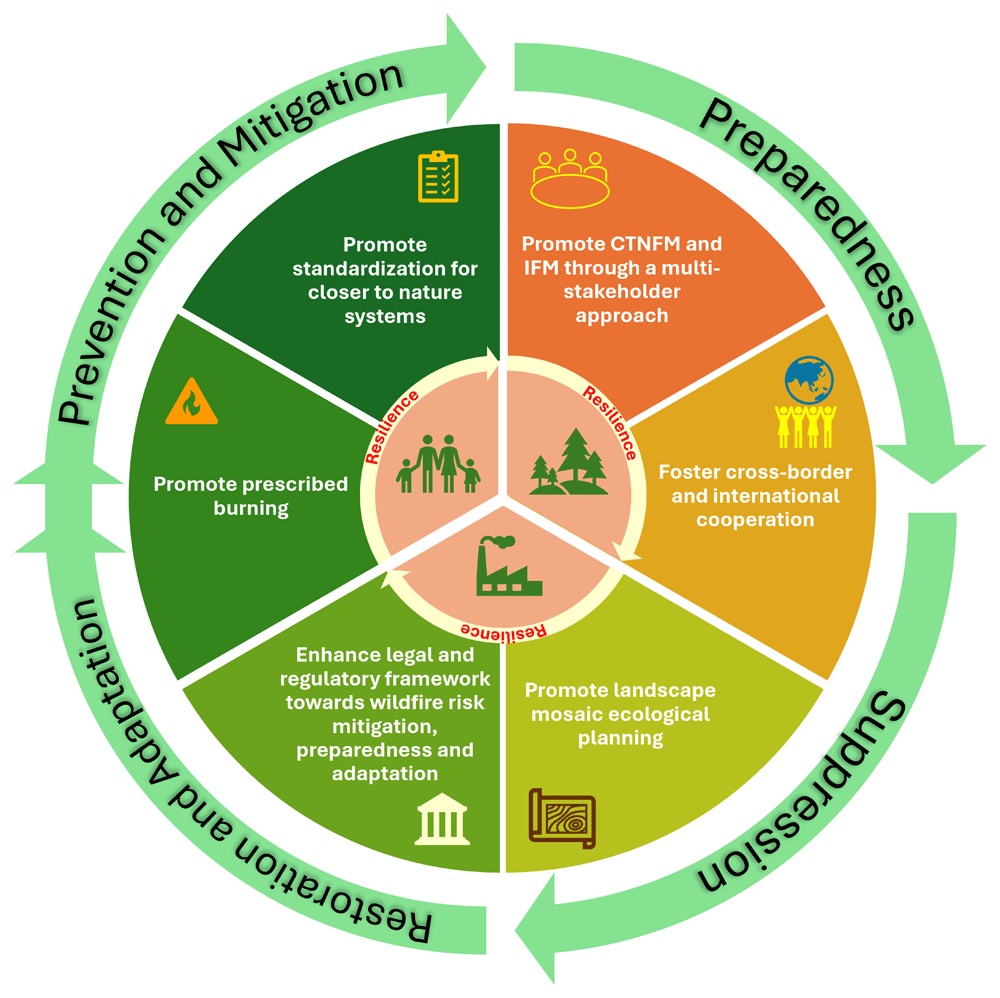
Figure 2. Policy and management options for the implementation of the combination of CTNFM and IFM framework that enhances landscape and community resilience to wildfires.
The disaster management phases have been added to emphasize that the proposed approach is a holistic one, capable to support the entire disaster management cycle for the case of wildfires. The position of the options is not related to the disaster management phases.
Disaster management can be approached through six key options across different phases of the management cycle: prevention (green), preparedness (yellow), suppression (orange) and restoration (blue). For, prevention, preparedness and restoration, all proposed options are considered relevant to varying degrees, contributing to a holistic approach in mitigating disaster, ecosystem and community resilience. However, for suppression, the focus narrows considerably. Here, the promotion of CTNFM and IFM, foster cross-border and international collaboration and the promotion of controlled burning as a firefighting tactic are considered as most relevant Figure 3. The suggested options are presented as follows:
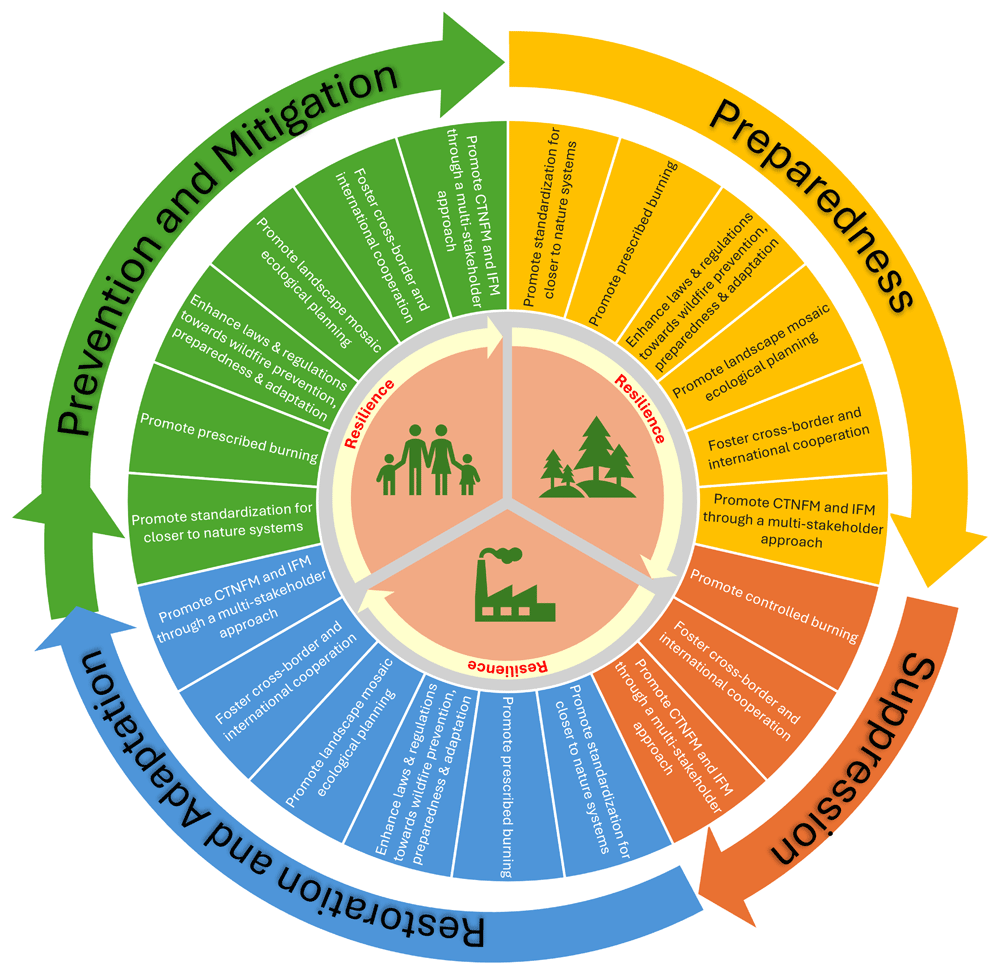
Figure 3. The six proposed options in relation to the disaster management phases.
For each phase the options are presented with the same colour. Blue for restoration, green for prevention, yellow for preparedness and orange for suppression. For prevention, preparedness and restoration all the six suggested options are considered relevant, while for suppression mainly the promotion of CTNFM and IFM, foster cross-border and international collaboration and the promotion of controlled burning as a firefighting tactic are considered as most relevant.
Option 1: Follow a multi-stakeholder approach and facilitate cross-level and cross-organization collaboration with clear jurisdiction, improving governance, conducting common exercises and creating living labs to promote CTNF and IFM
The benefit: By establishing demonstration and reference areas (living labs), platforms for stakeholder engagement and education could be created. These platforms will aim at advancing CTNFM and IFM approaches, critical for addressing current ecological challenges. These areas could also serve multiple purposes, including practical demonstrations of sustainable practices, data collection to fill knowledge gaps, silvicultural treatments, prescribed burning, and, in general, adaptation actions to new fire regimes driven by climate change.
Who is expected to contribute?
Policy makers, forest and land managers, civil protection and firefighters as well as scientists and researchers.
What is the expected contribution?
– Policy makers should simplify governance and create schemes with clear jurisdictions. In addition, consultation with every stakeholder is necessary in order to gather relevant feedback. Through regulations and other measures promote the creation of demo areas (living labs).
– Forest managers and Land managers should be trained on the CTNFM and IFM, work with scientists and learn from them. Identify and create living labs (demo areas).
– Firefighters and civil protection officers should be trained on the CTNFM and IFM, work with scientists and learn from.
– Researchers and scientists should delve more into effective management practices that can reduce fire risks while enhancing ecosystem health. Also, data collection and bridging knowledge gaps is important towards this option.
Potential challenges: The adaptation of the transforming stands to new, altered, fire regimes influenced by climate change and human-made disturbances. There is an urgent need to comprehend the ecological dynamics linked to various forest and fire management strategies, especially considering climate change. Significant knowledge gaps remain regarding how different types of closer-to-nature forests respond to altered fire regimes. Successful management will require collaboration among diverse stakeholders, each with their own interests and concerns, particularly at the landscape level, which includes local communities, policymakers, and scientists. The researchers involved in the two linked approaches should break out of their siloed thinking and foster integrative and interdisciplinary collaboration. Moreover, funding for the living labs (training on the relevant silviculture treatments and prescribed fires) is a crucial matter which can be a true barrier.
Option 2: Foster cross-border (EU level, between member states) and international cooperation
The benefit: Cross-border and international cooperation is essential for effective forest and wildfire management strategies. Countries can benefit from each other's research, data, and technological advancements, which can lead to more effective management practices. Participating in joint initiatives and learning from global best practices as well as lessons learned will enable the various stakeholders to propose sustainable solutions that benefit both regional and local environments and the global community.
Who is expected to contribute?
Policy makers, Official state authorities, researchers and scientists.
What is the expected contribution?
– Policy makers could participate in international forums and discussions, “copy” frameworks from international countries (e.g., USA, Canada, Australia and other countries), if proven to work well, and make the necessary adaptations to the EU reality.
– Official authorities or research organisations can provide data from nation to nation to improve wildfire risk management. A knowledge transfer (data, methods, tools, experience, best practices) mechanism from advanced to less advanced neighboring countries should be created available to all Member States.
– Provision of financial support to the “weaker” countries is important. Finally, funding projects of small consortia with enhanced international collaboration focusing on international knowledge exchange as an eligibility criterion, is important.
Potential challenges: The various different national governance schemes among Member States is an equation that is very difficult to solve. Also, funding for collaboration, exchange of know-how and for creating new data can be an obstacle.
Option 3: Promote landscape mosaic ecological planning
The benefit: Planning at the spatial, and especially, the landscape scale plays a critical role in wildfire, mitigation, adaptation and biodiversity enhancement. The use of strategic land use and ecologically based treatments such as controlled burning, mastication, slashing and piling and mechanical forest thinning can create forest conditions that manage the risks, costs and benefits of wildfire while supporting land management goals. This approach focuses on creating defensible space around properties, using fire-resistant plant species, and implementing land use mosaics (e.g. crop production areas next to pasture areas next to forest areas) that reduce fire risk.
Who is expected to contribute?
Forest managers, land managers, local communities, policy makers, civil protection as well as researchers and scientists.
What is the expected contribution?
– Forest managers should explain their needs, the respective vulnerabilities to land managers and communities, enhancing the dialogue between them.
– On the hand, land managers should consider the needs of the local communities and the forest sector under the prism of landscape and climate change. Planning based on break fuel continuity at the landscape scale is important: Integrating different types of land use – such as agricultural areas, pastures, and forests – can disrupt the continuity of fuel load and accumulation that wildfires rely on. Land managers should consider the interface and intermix of forests and urban areas (WUI) and create fire resilient communities.
– Local communities should understand the vulnerabilities, especially in the WUI zones and be always prepared for the worst-case scenario.
– Civil Protection and scientists should clearly promote education and training to the general public.
Potential challenges: Considering various factors in landscape planning, such as fuels, topography, prevailing winds, fire or treatment history, infrastructure, local societies and economies of scale.
Option 4: Enhance legal and regulatory framework towards wildfire risk management mitigation, preparedness and adaptation
The benefit: Focusing on prevention and preparedness always costs less compared to suppression and saves lives. It is also a matter of justice; promoting good, punishing bad.
Who is expected to contribute?
Policy makers with the support of foresters and local communities
What is the expected contribution?
- Policy makers should conduct a comprehensive review of current forest management and fire management policies. Identify gaps and areas for improvement in light of contemporary environmental challenges and community needs along with foresters and local communities. Enforcement mechanisms that encourage sustainable forest management and effective fire management strategies, including penalties for non-compliance should be introduced. Implementing robust monitoring systems to effectively track compliance with regulations is also important. Establish a legal framework that facilitates enforcement actions against violators (e.g., illegal land use changes, illegal grazing in the aftermath of wildfire, illegal hunting) and ensures that penalties are enforceable through local courts or relevant regulatory bodies. Develop clear and concise guidelines that outline expected practices for forest management and fire prevention. Create a tiered system of penalties that escalates based on the severity and frequency of non-compliance. Consider both financial penalties and corrective measures to promote compliance. Introduce rewards or incentives for individuals or organizations that consistently follow regulations, such as tax breaks, grants for sustainable practices, or public recognition. Engage all stakeholders in the design phase of the strategy. Make use of open debates.
Potential challenges: Overcoming the entrenched traditions, customs, and practices of local and regional mountainous populations, forest and farmer owners. Transparency – necessitating regular reporting from landowners and managers to maintain accountability. Offer training sessions for stakeholders on sustainable practices and the significance of compliance.
Option 5: In risk-informed ecological management strategies, promote prescribed or controlled use of fire as a safeguarding regulator of wildfire risk management and ecological processes at landscape scale, ensuring safety of populated areas
The benefit: The use of prescribed fires promotes ecosystem health and community resilience. Wildfires will burn with lower severity.
Who is expected to contribute?
Policy makers, local communities, forest and land managers, firefighters and civil protection officers, as well as researchers and scientists.
What is the expected contribution?
– Policy makers should pass the prescribed burns or controlled burns in the legal system based on scientific criteria. They should advocate for national and regional legislation that allows for conditional decriminalization of human errors related to the use of prescribed and control fires. National and Regional authorities should provide training programs for their personnel and the local communities on fire prevention techniques and emergency response strategies to bolster overall community resilience against wildfires.
– Firefighters and civil protection officers should establish comprehensive guidelines and protocols for conducting controlled burns. They should develop relevant curricula for prescribed fire education programs and relevant training programs. They should implement stringent safety protocols for executing controlled burns, ensuring they are conducted under optimal weather conditions to minimize risks to human life and property.
– Land managers, forest managers and scientists should conduct thorough assessments to identify areas at high risk for wildfires, taking into account factors such as vegetation type, historical fire data, insights from local residents, and the impacts of climate change. In addition, land managers should influence urban planning by incorporating fire safety measures into the design of buildings and infrastructure in fire-prone areas, which may include creating defensible spaces around properties.
– Researchers and scientists should also support the establishment of comprehensive guidelines and protocols for conducting controlled burns and develop relevant curricula for prescribed fire education programs. Finally, they should develop guidelines that outline suitable fire regimes (including interval, frequency, and intensity) tailored to various ecosystems. Local communities should be aware through education of the good role of fire and the use of prescribed burns.
Potential challenges: Encourage a mindset among regional and local communities, as well as firefighters, to adapt to living with fire as a natural element.
Option 6: Promote standardisation for closer to nature systems that increase forest and community resistance and resilience to disturbances such as wildfires
The benefit: Measuring the effectiveness and efficiency of the implementation of CTNFM and IFM approaches in a standardised way will improve the continuous monitoring of health, resistance and resilience of forest ecosystems in the context of environmental, economic and social aspects, thus making improvements where and whenever needed.
Who is expected to contribute?
Policy makers, local communities, forest and land managers, standardisation bodies.
What is the expected contribution?
- Policy makers should enforce or update, if necessary, regulations at EU level (& Member States) for the certification of CTNFM and IFM application and ask pressure for the use of existing standards.
- Forest managers should apply criteria, indicators and metrics to monitor sustainability of their forest based on existing standards, guidelines and directives. They should apply the metrics in relation to the surrounding area and local communities, and do not handle the forest independently of the needs of the surrounding communities and landscape. Thinking in the long-term is also crucial instead of the short-term.
- Land managers should also plan in the long-term and not in the short-term and in the context of landscape scale, considering the relevant standards.
- Local communities instead of thinking in the short-term, should target on the long-term and consider forests as part of their community while understanding the challenges of functioning the landscape based on rules and requirements.
- Certification and standardisation bodies should simplify the processes for using existing standards and reduce any relevant costs. Also, the need for developing new standards is important towards this pathway.
Potential challenges: Setting "thresholds and ranges" to determine the limits of sustainability means: Different regions with different forest ecosystems and landscape mosaics may need different thresholds and ranges. Long-term measures are needed to establish thresholds and ranges; Multistakeholder engagement can lead to conflict over thresholds and ranges.
As in the past, some ambitious goals will be difficult to achieve without concerted efforts at the level of EU Member States and their communities. The EU will, therefore, have an important role to play in promoting the necessary changes. Perhaps the options suggested in this paper will help to facilitate the much-needed perspective of reorienting sustainable forest and fire management strategies based on projections for an uncertain future due to climate change, rather than on past situations that have contributed to a satisfactory degree but have not prevented adequately from the current extreme wildfire events. The future of managing forests and fires lies in adapting to instability rather than clinging to historical models. It is for this reason that Kurth's (1994) statement that, in spite of an understanding of the past and an awareness of the present, definite knowledge fail, is more relevant than ever.