Introduction
The emergence of Severe Acute Respiratory Syndrome Coronavirus 2 (SARS-CoV-2), responsible for Coronavirus disease 2019 (COVID-19), has inflicted profound socio-economic and health system challenges globally1,2. COVID-19 remains a disease of significant public health importance globally and poses an imminent threat, especially to vulnerable groups, as the virus continues to spread and evolve3. According to the World Health Organization [WHO], the prevalence of COVID-19 is 9.5% worldwide, 0.78% in Africa, and 0.54% in Kenya4. Among the vulnerable populations affected by COVID-19 are those with tuberculosis (TB).
A quarter of the world’s population is infected with latent TB infection, but only 5% of which progress to active TB during their lifetime5. Specifically, 10.6 million individuals are infected by TB annually, with 1.3 million deaths, 25% of which occur in Africa5. COVID-19 and TB are top two leading causes of death from single infections agents6 and death toll was estimated to increase by 20% across TB high burden countries7.
Immunosuppression caused by COVID-19 infections, together with other TB comorbidities such as HIV and malnutrition, aggravates the progression to the active TB phase, also compromised immunity status worsen COVID-19 outcomes8. Additionally, the COVID-19 pandemic has set back progress against TB by five years or more9. According to the global TB report of 2022, more than 10.6 million people had TB in 2021, and there was an increase in death by 4.5% globally from the year 201910. Additionally, there was a 15% decrease in the proportion provided with anti-TB treatment, and the TB incidence rate rose by 3.6% between 2020 and 202110. In Kenya, the most recent TB survey indicated a TB incidence of 558 per 100,000 among the adult population, with the highest disease burden reported in urban areas like Nairobi11.
Vaccination against COVID-19 presented a cost-effective way to minimize the health impact on vulnerable populations, including TB patients. WHO defines vaccine uptake as the number of people vaccinated with a particular vaccine dose in a certain period, expressed as an absolute number or proportion of a target population12. Despite efforts by the scientific community, non-governmental organizations, government agencies, and the pharmaceutical industry in manufacturing and increasing accessibility of COVID-19 vaccines, uptake remains low due to vaccine hesitancy13. By October 2023, only 62.8% of the global population had received the primary vaccination series, and 28.01% had received booster doses14. Africa, which bears 25% of the worldwide disease burden and serves only 2% of the world’s health workforce, must maximize vaccine uptake to avoid adverse outcomes and reduce catastrophic costs. The target of vaccinating the priority risk groups has not been met across different regions. In 13 sub-Saharan African countries, 55.01% have been vaccinated, and only 32.7% of the population have received all primary doses across Africa15,16. In Kenya, only 20.6 % have been vaccinated with COVID-19 vaccine17.
WHO’s Strategic Advisory Group of Experts (SAGE) recommends 100% vaccination for high-risk population groups with primary series and vaccination of at least 70 % of the general population to achieve herd immunity. Alarmingly, the Ministry of Health reported that by May 2022, 69.3% of the adult population in Kenya had yet to be vaccinated, and 51.5% in Nairobi County18. Many factors, including sociodemographic, individual-level, and health-system factors, have influenced COVID-19 vaccine uptake globally19, Africa20 and in Kenya21. However, there is a dearth of information on COVID-19 vaccination coverage and factors influencing COVID-19 vaccine uptake among adult TB patients in study area. There is a need to contextualize the interplays of determinants influencing vaccination decisions among individuals vulnerable to the concurrent TB and COVID-19 pandemic. Therefore, this study sought to determined the prevalence of COVID-19 vaccine uptake and individual-level factors enabling and hindering vaccine uptake among TB patients attending selected clinics in Nairobi County, Kenya.
Methods
Study design
An analytical cross-sectional study based on a mixed method (quantitative and qualitative) approach was used. The research assistants collected quantitative data and later assisted the investigator in conducting the interviews for qualitative data.
Study Period
The study covered the period between May 2023 and November 2023.
Study setting
The study was conducted in Nairobi County, one of the 47 semi-autonomous counties in Kenya and the capital city with an estimated population of 4.4 million people and a land area of 703.9 square kilometers. The county had nearly 80% of COVID-19 cases in Kenya at the onset of the outbreak, hence why it was selected for this study.
Target population
The study targeted adult TB patients receiving treatment between May and November 2023, immunization incharges and TB coordinators.
Inclusion criteria
Adult TB patients attending TB clinics, regardless of gender, those who provided informed consent, and TB coordinators and EPI (Expanded Programme on Immunization) incharges at the selected clinics willing to participate for KII interview.
Exclusion criteria
Newly diagnosed patients or those who had initiated TB treatment on the day of data collection, those who declined participation, those who refused or were unable to state their vaccination status, and those who were too unwell to participate in the interview.
Study Variables
Dependent Variable: The dependent variable for this study was the uptake (vaccinated with any dose of COVID-19 vaccine or unvaccinated) among adult tuberculosis patients attending selected clinics in Nairobi County, Kenya.
Independent Variables:
Socio-demographic Factors: Including age, gender, occupation, marital status, level of education, religion, and income level and
Individual-Level Factors: Encompasses variables like side effects, risk perception risk of COVID-19, stigmatization, trust and confidence, protection of others, myths and misconceptions.
Sampling
Nairobi County has over 1000 registered health facilities, but six sites across six counties, including St. Mary’s Mission Hospital, Riruta Health Centre, Rhodes Chest Clinic, Mama Lucy Kibaki Hospital, MMM Mukuru Health Centre, and Kahawa West Health Centre were selected for this study. Probability to proportion sampling (PPS) was used to increase the chance of selecting the bigger sites and purposive sampling employed to identify facility with high TB patients number across the six sub-counties
The final sample size for the study was 388 respondents, adjusted upward by 10% to cover non-response. The sample was calculated using the Cochran formulas as shown below22.
n0 - original sample size calculation formula
Where, n0 is the sample, Z is the selected critical value of desired confidence level, p is the estimated proportion of an attribute that is present in the population (From Kenya Covid-19 Vaccination situation report no vaccination data among TB patients, thus 50 % proportion is used to get maximum number thus p=0.5), q=1-p and e is the desired level of precision.
no=
= 384
n = – sample correction formula
Where n0 is the sample size derived from first equation and N is the population size (4369 TB adult TB patient on treatment in Nairobi during period of study, may to November 2023 TIBU system (Tuberculosis Information Basic Unit)).
n = = 353
Once the required sample size for each health facility offering TB services or serving as a TB treatment site was determined, the respondents were selected using a simple random sampling technique. The TB register/patient diary books were utilized as the sampling frame. Each patient's unique number in the registers was assigned for the lottery-based selection of eligible study participants on the designated clinic days. This randomization minimizes selection bias as participants had equal opportunity.
Healthcare workers and adult TB patient who were involved in interview at the six sites were purposively selected as key informants and FGD discussants respectively.
Data collection and tools
A semi-structured electronic questionnaire was used to collect quantitative data. It had sections A (social demographic information and vaccination details) and B (individual-level factors and COVID-19 vaccine uptake). Pre-testing of the tool was done using 12 TB patients at Thika Level 5 Hospital in Kiambu County which assisted in re-ordering of questions, replacement of ambiguous words and kobo installations on research assistant phones. This site had population characteristics similar to those of the study sites. A key informant interview (KII) guide and an FGD guide were used to collect qualitative data. Both guides have open-ended questions developed by the primary investigator and focusing on topics related to the study objectives. Eight research assistants administered the semi-structured electronic questionnaire face-to-face with participants during their clinic visits. Two research assistants were allocated to Mama Lucy Kibaki Hospital and Rhodes Chest Clinic because of the number of participants, and one research assistant was assigned to the other four facilities. Participants signed an informed consent indicating that they voluntarily entered the study and are free to dropout without any consequences. They give the consent before answering the questionnaire. Each research assistant had an their own smart phones with the questionnaire accessed via Kobo Collect (https://www.kobotoolbox.org/) application and responses entered as provided by the participants. Six KIIs were conducted with managers and leaders in charge of the selected TB clinics, and six FGDs were held with adult TB patients from the six study sites. A series of open-ended questions guided the KIIs and FGDs. The interviews and FDGs took between 20-60 minutes and were audio recorded.
Data management and analysis
Quantitative data was exported from Kobo Collect into Microsoft Excel 365, cleaned and imported into Statistical Package for Social Scientists (SPSS) version 26 for analysis. Descriptive statistics (frequencies and percentages) were employed to elucidate participants’ characteristics. Continuous data was summarized using mean, standard deviation, or median. Inferential analysis (univariate, bivariate, and multivariate logistic regression) was used to determined individual-level factors (barriers and enablers) associated with COVID-19 vaccine uptake at p-value less than 0.05.
Qualitative data was manually analyzed in Excel 365 using a deductive coding approach that involved the use of predetermined codes in the literature reviews. Thematic analysis was applied to identify and elucidate the prevailing patterns and trends within the qualitative data by listening to the audio recording multiple times. These patterns and trends generated themes that were the results of the study. These outcomes were used to enhance the understanding of individual-level enablers and barriers associated with COVID-19 vaccine uptake among TB patients in the selected clinics in Nairobi county, Kenya.
Results and analysis
Three hundred and eighty-eight TB patients from the six facilities participated in the study between May and November 2023, which included the period of approval from National Commission for Science, Technology & Innovation (NACOSTI) to the end of data collection time for TB patients who were on treatment schedule guideline of Kenya, which was six months. Data were collected for one month from October to November 2023. A few TB patients refused to participate in the study due to work related timeliness, although it did not affect getting the target sample.
Participants characteristics
The mean participant age was 37.4 ± 11.6 years, with the majority (48.7%) being 20–35 years. Females represented 36.6%, and most (54.6%) of the participants were married. 47.2% had secondary education, 32.5% were employed, and earning less than 20000 (74.7%) monthly. Most lived in Embakasi East (37.6%) and least in Ruaraka/Roysambu (6.2%). 87.9% were Christians and attended a government facility (74.5%) (Table 1).
Table 1. Socio-Demograhic characteristics.
| Total | Proportion (%) |
|---|
Age (years)
< 20
20 – 35
36 – 50
51 – 65
> 65
Mean age |
7
189
135
51
6 |
1.8
48.7
34.8
13.1
1.5 |
| 33.4 (SD = 12.4) years |
Gender
Female
Male |
142
246 |
36.6
63.4 |
Marital Status
Single
Separated/Widowed
Married |
135
41
212 |
34.8
10.6
54.6 |
Education Level
None
Primary
Secondary
Tertiary |
16
102
183
87 |
4.1
26.3
47.2
22.4 |
Occupation status
Unemployed
Self
Formal |
142
120
126 |
36.6
30.9
32.5 |
Religion
Christians
Muslims
Others |
341
42
5 |
87.9
10.8
1.3 |
Residency Ward
Embakasi West
Starehe
Langata
Dagoreti
Embakasi East
Ruaraka/Roysambu |
146
65
55
52
46
24 |
37.6
16.8
14.2
13.4
11.9
6.2 |
Income (KSH)
≤ 20000
20001 – 50000
50001 – 100000
> 100000 |
290
70
28
0 |
74.7
18.0
7.2
0.0 |
TB Centre Type Attended
Government
Private
Faith-Based |
289
57
42 |
74.5
14.7
10.8 |
Type of Vaccine Taken
AstraZeneca
Johnson& Johnson
Moderna
Pfizer
Sinopharm |
81
49
16
32
1 |
45.3
27.4
8.9
17.8
0.6 |
Prevalence of Covid-19 Vaccine uptake
As illustrated in Figure 1, 46.1% of TB patients in the selected healthcare facilities had received partial or complete COVID-19 vaccination. Only 38.1% had been fully vaccinated, and more than half (54%) were not vaccinated.
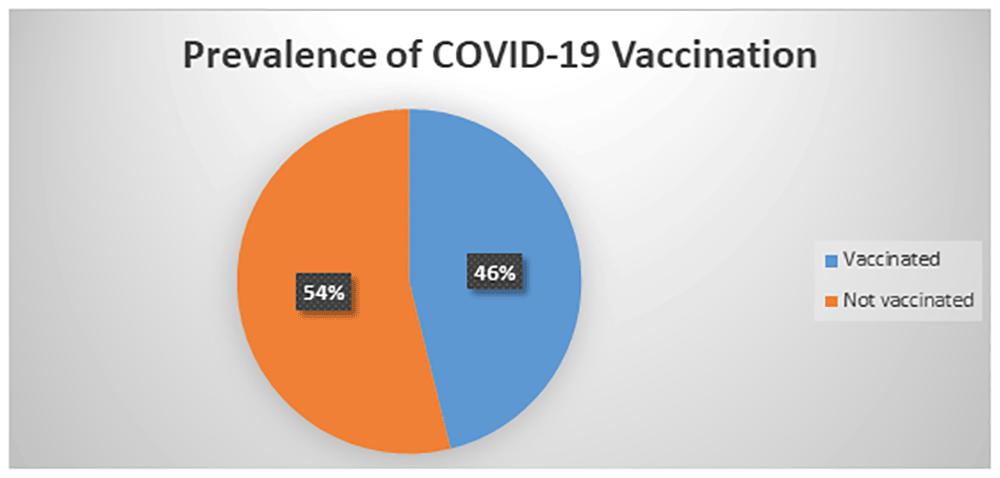
Figure 1. Prevalence of persons on TB Treatment Vaccinated for Covid-19 vaccine.
Individual level factors associated with Covid-19 vaccine uptake
Table 2 shows bivariate and multivariate associations between individual-level factors and COVID-19 vaccination. Bivariate association identified myths/misconceptions, mistrust of vaccines, perceived possibility of future side effects, thought of vaccine profiteers, natural immunity preference, mistrust of government vaccine management, potential to protect others, perceived susceptivity to COVID-19, perceived seriousness of COVID-19, likelihood of more COVID-19 waves, tested positive, close person tested positive, and considers TB a risk factor of getting COVID-19 as significant factors (p <0.05). However, after controlling for confounding factors in multivariate analysis, mistrust of government vaccine management (adjusted odds ratio (aOR) = 0.076, 95% confidence interval (CI): 0.025-0.229, p < 0.001), perceived COVID-19 susceptibility (aOR = 2.901; 95% CI: 1.258-6.688; p = 0.012) and perceived COVID-19 seriousness (aOR = 3.294; 95% CI: 1.130-9.604, p = 0.02) were statistically significant factors (Table 2). Mistrust in vaccine management reduced the chances of being vaccinated by 92.4%. Perceived COVID-19 susceptibility and perceived COVID-19 seriousness increased the chances of vaccine uptake by 2.9 times and 3.3 times, respectively.
Table 2. Association between uptake of COVID-19 vaccine and individual level factors.
| Vaccinated
N (%) | Not vaccinated
N (%) | OR
(95% CI) | p | Adjusted OR
(95% CI) | p |
|---|
Feared of Side Effects
No Influence (reference)
Yes |
27 (15.1)
152 (84.9 |
32 (15.3)
177 (84.7) |
1.02
(0.584 – 1.775) |
1.000 | - | - |
Myths/Misconceptions
No (reference)
Yes |
46 (25.7)
133 (74.3) |
46 (25.7)
182 (87.1) |
0.43
(0.254 – 0.725) |
0.002* |
1.344
(0.471-3.839) |
0,581 |
Stigma on TB and HIV
No (reference)
Yes |
43 (24.0)
136 (76.0 |
33 (15.8)
176 (84.2) |
0.59
(0.358 – 0.983) |
0.054 | - | - |
Mistrust on vaccine
No (reference)
Yes |
80 (44.7)
99 (55.3) |
28 (13.4)
181 (86.6) |
0.19
(0.117 – 0.314) | <0.001* | 0.820
(0.295-2.285) | 0.705 |
Possibility of Future Side Effects
No (reference)
Yes |
53 (29.6)
126 (70.4) |
28 (13.4)
181 (86.6) |
0.37
(0.221 – 0.613) |
<0.001* |
1.529
(0.495-4.728 |
0.461 |
Thought of Vaccine Profiteers
No (reference)
Yes |
70 (39.1)
109 (60.9) |
41 (19.6)
168 (80.4) |
0.38
(0.241 – 0.599) |
<0.001* |
0.682
(0.262-1.776) | 0.433 |
Prefer Natural Immunity
No (reference)
Yes |
75 (41.9)
104 (58.1) |
62 (29.7)
147 (70.3) |
0.59
(0.384 – 0.890) |
0.014* |
0.918
(0.389-2.165) |
0.844 |
Prefer Alternative Medicines
No (reference)
Yes |
67 (37.4)
112 (62.6) |
72 (34.4)
137 (65.6) |
0.88
(0.580 – 1.332) |
0.596 | - | - |
Mistrust of Government Vaccine Management
No (reference)
Yes |
81 (45.3)
98 (54.7) |
18 (8.6)
191 (91.4) |
0.11
(0.065 – 0.201) |
< 0.001* |
0.076
(0.025-0.229) |
< 0.001** |
Potential to Protect Others
No (reference)
Yes |
20 (11.2)
159 (88.8) |
102 (48.8)
107 (51.2 |
7.58
(4.424 – 12.983) |
<0.001* |
1.197
(0.453-3.160) |
0.717 |
Perceived Covid-19 Susceptibility
No (reference)
Yes |
26 (14.5)
153 (85.5) |
121 (57.9)
88 (42.1) |
8.09
(4.916 – 13.31) |
<0.001* |
2.901
(1.258-6.688) |
0.012** |
Perceived Covid-19 Seriousness
No (reference)
Yes |
20 (11.2)
159 (88.8) |
125 (59.8)
84 (40.2) |
11.83
(6.887 – 20.322) |
<0.001* |
3.294
(1.130-9.604) |
0.029** |
Likelihood of more COVID-19 waves
No (reference)
Yes |
25 (14.0)
154 (86.0) |
138 (66.0)
71 (34.0) |
11.97
(7.187 – 19.947) |
<0.001* |
0.712
(0.260-1.953) |
0.510 |
Feared of side Effects
No Influence (reference)
Yes |
27 (15.1)
152 (84.9) |
32 (15.3)
177 (84.7) |
1.02
(0.584 - 1.775) |
1.000 |
- |
- |
Myths/Misconceptions
No (reference)
Yes |
46 (25.7)
133 (74.3) |
46 (25.7)
182 (87.1) |
0.43
(0.254 - 0.725) |
0.002* |
1.344
(0.471-3.839) |
0,581 |
Stigma on TB and HIV
No (reference)
Yes |
43 (24.0)
136 (76.0) |
33 (15.8)
176 (84.2) |
0.59
(0.358 - 0.983) |
0.054 |
- |
- |
Tested positive
No (reference)
Yes |
105 (58.7)
74 (41.3) |
186 (89.0)
23 (11.0) |
5.70
(3.370 – 9.640) |
<0.001* |
0.843
(0.318-2.237) | 0.731 |
Close person tested positive
No (reference)
Yes |
74 (41.3)
105 (58.7) |
159 (76.1)
50 (23.9) |
4.51
(2.920 – 6.973) |
<0.001* |
0.941
(0.369-2.402) |
0.900 |
Consider TB a risk factor.
No (reference)
Yes |
39 (21.8)
140 (78.2) |
80 (38.3)
129 (61.7) |
42.23
(1.418 – 3.498) |
0.001* |
0.587
(0.240-1.431) |
0.241 |
FDGs and KIIs findings
Individual-level barriers to COVID-19 vaccine uptake
On individual factors, key emerging themes on barriers to COVID-19 vaccine uptake among TB patients included fear of side effects, stigma, myths, and mistrust in the messaging. For side effects, one of the participants pointed out that “when you go to social media, you get positive and negative information, and when you want to get vaccinated, you hear from a friend who has been vaccinated that they are having serious effects like sweating, difficulty in breathing so you decide that you might be better without the injection.” One of those who had not completed their vaccination cited, “… I didn’t go for the second dose because my hand felt numb around the injected area when I got the first one.” On stigma, one of the respondents indicated that having TB creates stigma, and taking the vaccine would add more stigmatization: “… when you go for the vaccine, people will think you are sick, so people are fearful of going.” Another one added that “… great stigma because at the community level if people suspected you of having COVID, they would avoid you.” The myths and misinformation also contributed to mistrust, as indicated by one of the participants who said, “I heard that when someone died, the government paid someone to claim the person died of COVID, so people started to doubt the death rates … even the president’s vaccination was doubtful because people thought he got something different.” Further comments were advanced by another participant stating, “At first we thought that the western countries testing the vaccine on us … some church leaders were on the media saying that we should not be used as test subjects.” Such confusion contributed to less uptake of the Covid-19 vaccine.
Individual-level enablers of COVID-19 vaccine uptake
Desire to protect others, risk perception, and trust in vaccine preventive strategies offered by vaccines increased the likelihood of COVID-19 vaccine uptake. One of the respondents pointed out, “I saw someone die of COVID-19, and it pushed me to get the vaccine.” Another one argued that “I got the injection to protect my children because I am the one that gets out often to hustle for them, so I felt I might bring back home COVID if not protected.” An FGD participant added she worked in “the marketplace where interacting with many people … I didn’t want to carry the disease back to my family and my small child.” On the issue of trusting vaccines as safe for protection against COVID-19, a participant indicated that “children have been getting them since time immemorial, so most people trust in them, and they have also been proven beneficial” but was quick to add a caveat that “the confusion on different messaging about them was the main challenge.”
Discussions and conclusions
This study aimed to determine the prevalence of COVID-19 vaccine uptake and explored individual-level factors enabling and hindering vaccine uptake among TB patients attending selected clinics in Nairobi County, Kenya. Based on the findings, less than half of adult patients with TB visiting the selected TB clinics had received full COVID-19 vaccination. These findings are inconsistent with previous studies23,24. Palupi et al.23 reported that 58.8% of adult TB patients had received the COVID-19 vaccine, while Wang et al. (2022) reported that 68.6% of patients with TB and COVID-19 coinfection had received two or more doses of the COVID-19 vaccine. While these studies show above-average vaccination for TB patients, our study found below-average results explained by significant influence of sociodemographic, individual, or health facility-related factors in developing countries. The association between individual-level factors and COVID-19 vaccine uptake is described below.
Based on the findings, individual-level factors significantly associated with COVID-19 vaccine uptake were mistrust of government vaccine management, perceived COVID-19 susceptibility, and perceived COVID-19 seriousness. TB patients who mistrusted government vaccine management had low uptake of vaccine. Qualitative data further supported mistrust as a barrier to vaccination by citing that being not very confident of the Kenya government’s approach hindered them from getting vaccinated. These findings agree with Philips et al., who reported mistrust of the government as a barrier to COVID-19 vaccine uptake, as alluded to by one respondent25. The findings are also consistent with those of Jennings et al., who found a negative association between distrust of the government and willingness to take the COVID-19 vaccine26. Our study found that those who thought they were susceptible to COVID-19 were more likely to be vaccinated. Qualitative data further supported susceptibility as an enabler of vaccine uptake by citing that death to other people pushed them to take the vaccine. These findings are consistent with Zampetakis & Melas27, who found that intention to receive the COVID-19 vaccine was strongly influenced by low perceived susceptibility to getting COVID-19 after receiving the vaccine. The findings also align with those of Hidayana et al., who reported a positive association between COVID-19 vaccine hesitancy and a high perceived susceptibility score, as noted by one respondent28. Similarly, the finding agrees with Hilverda and Vollmann, who found that perceived susceptibility significantly predicted COVID-19 vaccine uptake for older adults29. The findings also revealed that TB patients who took COVID-19 as a severe disease were more likely to be vaccinated. While not supported by qualitative data, these findings align with Luevanich et al., who found a significant association between the perceived severity of COVID-19 and the intention to be vaccinated30. Similarly, they align with Adewoye et al., who, in a Nigerian study, found that the perceived severity of COVID-19 increased willingness to receive the COVID-19 vaccine31.
Limitations
Our study had limitations, including cross-sectional research that could not investigate the causal relationship between individual-level factors and COVID-19 vaccine uptake32. Second, the study might have trustworthiness bias in the qualitative data, considering the researchers relied on participant sincerity.
Conclusion
In conclusion, the prevalence of COVID-19 vaccine uptake remains low among TB patients in Nairobi County, Kenya. The study has revealed that individual-level factors enable or hinder COVID-19 vaccine uptake among adult TB patients in selected Nairobi County clinics. These factors include mistrust of government vaccine management, perceived COVID-19 susceptibility, and perceived COVID-19 seriousness. However, due to the study limitations, future research should use designs to investigate cause-effect relationships between individual-level factors and COVID-19 vaccine uptake among TB patients.
Ethics and consent
Jomo Kenyatta University of Agriculture and Technology (JKUAT) Institutional Scientific and Ethics Review Committee (ISREC)) approved the study protocol (Approval no: KU/ISERC/02316/0823) on February 23, 2023, while National Commission for Science, Technology & Innovation granted license no: NACOSTI/P/23/24637 on 5th April 2023. The informed consent was written manually on consent paper before the study indicating they have full information about the study, are voluntarily willing to participate and have the freedom to withdraw from the study whenever they needed. Anonymity, confidentiality were also assured. Data security measures, including password-protected computers and locked cabinets, were implemented to safeguard collected information and maintain data privacy and confidentiality.
Declaration
Funders had no role in study design, data collection and analysis, decision to publish and preparation of this manuscript.
Data availability
Extended data
Zenodo: Contextualization of enablers and barriers for COVID-19 vaccine uptake among adult tuberculosis patients attending selected clinics in Nairobi County, Kenya. https://doi.org/10.5281/zenodo.1160815134.
This project contains the following extended data:
- Appendix_III_QUESTIONNAIRE.docx
- Appendix_IV___V__FGD___KII_GUIDES.docx
- Appendix_VII_CONSENTS.docx
Data are available under the terms of the Creative Commons Attribution 4.0 International license (CC-BY 4.0).
Kobo collect is open-source android app that was used for collecting survey data.
Acknowledgments
The authors thank participants and Nairobi County Health staff especially TB coordinators across the County for immense support during study activities.
Faculty Opinions recommendedReferences
- 1.
Panneer S, Kantamaneni K, Palaniswamy U, et al.:
Health, economic and social development challenges of the COVID-19 pandemic: strategies for multiple and interconnected issues.
Healthcare (Basel).
2022; 10(5): 770. PubMed Abstract
| Publisher Full Text
| Free Full Text
- 2.
Rosenthal A, Waitzberg R:
The challenges brought by the COVID-19 pandemic to health systems exposed pre-existing gaps.
Health Policy Open.
2023; 4: 100088. PubMed Abstract
| Publisher Full Text
| Free Full Text
- 3.
Tan SY, De Foo C, Verma M, et al.:
Mitigating the impacts of the COVID-19 pandemic on vulnerable populations: lessons for improving health and social equity.
Soc Sci Med.
2023; 328: 116007. PubMed Abstract
| Publisher Full Text
| Free Full Text
- 4.
World Health Organization: World Health Organization (WHO) coronavirus (COVID-19) dashboard. 2022. Reference Source
- 5.
Chakaya J, Khan M, Ntoumi F, et al.:
Global tuberculosis report 2020 - reflections on the global TB burden, treatment and prevention efforts.
Int J Infect Dis.
2021; 113 Suppl 1(Suppl 1): S7–S12. PubMed Abstract
| Publisher Full Text
| Free Full Text
- 6.
Falzon D, Zignol M, Bastard M, et al.:
The impact of the COVID-19 pandemic on the global tuberculosis epidemic.
Front Immunol.
2023; 14: 1234785. PubMed Abstract
| Publisher Full Text
| Free Full Text
- 7.
Zimmer AJ, Klinton JS, Oga-Omenka C, et al.:
Tuberculosis in times of COVID-19.
J Epidemiol Community Health.
2022; 76(3): 310–316. PubMed Abstract
| Publisher Full Text
| Free Full Text
- 8.
Stochino C, Villa S, Zucchi P, et al.:
Clinical characteristics of COVID-19 and active Tuberculosis co-infection in an Italian reference hospital.
Eur Respir J.
2020; 56(1): 2001708. PubMed Abstract
| Publisher Full Text
| Free Full Text
- 9.
Thekkur P, Takarinda KC, Timire C, et al.:
Operational research to assess the real-time impact of COVID-19 on TB and HIV services: the experience and response from health facilities in harare, Zimbabwe.
Trop Med Infect Dis.
2021; 6(2): 94. PubMed Abstract
| Publisher Full Text
| Free Full Text
- 10.
World Health Organization: Global tuberculosis report 2022. World Health Organization; Geneva, Switzerland, 2022. Reference Source
- 11.
Enos M, Sitienei J, Ong’ang’o J, et al.:
Kenya tuberculosis prevalence survey 2016: challenges and opportunities of ending TB in Kenya.
PLoS One.
2018; 13(12): e0209098. PubMed Abstract
| Publisher Full Text
| Free Full Text
- 12.
WHO: Monitoring COVID-19 vaccination: considerations for the collection and use of vaccination data, interim guidance. 3 March 2021. Reference Source
- 13.
Lazarus JV, Wyka K, White TM, et al.:
A survey of COVID-19 vaccine acceptance across 23 countries in 2022.
Nat Med.
2023; 29(2): 366–75. PubMed Abstract
| Publisher Full Text
- 14.
WHO: Vulnerable? Vaccinate. Protecting the unprotected from COVID-19 and influenza. 9 October 2023. Reference Source
- 15.
Azanaw J, Endalew M, Zenbaba D, et al.:
COVID-19 vaccine acceptance and associated factors in 13 African countries: a systematic review and meta-analysis.
Front Public Health.
2023; 10: 1001423. PubMed Abstract
| Publisher Full Text
| Free Full Text
- 16.
Sharma A, Jain M, Vigarniya M:
Acceptance and adverse effects following COVID-19 vaccination among the health care workers at a health care centre in the most backward district of India.
J Fam Med Prim Care.
2022; 11(6): 3224–3229. PubMed Abstract
| Publisher Full Text
| Free Full Text
- 17.
Nabia S, Wonodi CB, Vilajeliu A, et al.:
Experiences, enablers, and challenges in service delivery and integration of COVID-19 vaccines: a rapid systematic review.
Vaccines (Basel).
2023; 11(5): 974. PubMed Abstract
| Publisher Full Text
| Free Full Text
- 18.
Ministry of Health: Kenya covid-19 vaccination program- daily situation report. 16 May 2022. Reference Source
- 19.
Sallam M:
COVID-19 vaccine hesitancy worldwide: a concise systematic review of vaccine acceptance rates.
Vaccines (Basel).
2021; 9(2): 160. PubMed Abstract
| Publisher Full Text
| Free Full Text
- 20.
Naidoo D, Meyer-Weitz A, Govender K:
Factors influencing the intention and uptake of COVID-19 vaccines on the African continent: a scoping review.
Vaccines (Basel).
2023; 11(4): 873. PubMed Abstract
| Publisher Full Text
| Free Full Text
- 21.
Shah J, Abeid A, Sharma K, et al.:
Perceptions and knowledge towards COVID-19 vaccine hesitancy among a subpopulation of adults in Kenya: an English survey at six healthcare facilities.
Vaccines (Basel).
2022; 10(5): 705. PubMed Abstract
| Publisher Full Text
| Free Full Text
- 22.
Charan J, Biswas T:
How to calculate sample size for different study designs in medical research?
Indian J Psychol Med.
2013; 35(2): 121–6. PubMed Abstract
| Publisher Full Text
| Free Full Text
- 23.
Palupi S, Pambudi I, Surya A, et al.:
Sequence of COVID-19 vaccination and COVID-19 infection and their association with the development of active Tuberculosis: a case-control study.
Cureus.
2023; 15(10): e46353. PubMed Abstract
| Publisher Full Text
| Free Full Text
- 24.
Wang Y, Chen Y, Gu L, et al.:
The clinical characteristics and risk factors for severe COVID-19 in patients with COVID-19 and Tuberculosis coinfection.
Front Microbiol.
2022; 13: 1061879. PubMed Abstract
| Publisher Full Text
| Free Full Text
- 25.
Phillips R, Gillespie D, Hallingberg B, et al.:
Perceived threat of COVID-19, attitudes towards vaccination, and vaccine hesitancy: a prospective longitudinal study in the UK.
Br J Health Psychol.
2022; 27(4): 1354–81. PubMed Abstract
| Publisher Full Text
| Free Full Text
- 26.
Jennings W, Valgarðsson V, McKay L, et al.:
Trust and vaccine hesitancy during the COVID-19 pandemic: a cross-national analysis.
Vaccine X.
2023; 14: 100299. PubMed Abstract
| Publisher Full Text
| Free Full Text
- 27.
Zampetakis LA, Melas C:
The health belief model predicts vaccination intentions against COVID-19: a survey experiment approach.
Appl Psychol Health Well Being.
2021; 13(2): 469–84. PubMed Abstract
| Publisher Full Text
| Free Full Text
- 28.
Hidayana I, Amir S, Pelupessy DC, et al.:
Using a health belief model to assess COVID-19 vaccine intention and hesitancy in Jakarta, Indonesia.
PLOS Glob Public Health.
2022; 2(10): e0000934. PubMed Abstract
| Publisher Full Text
| Free Full Text
- 29.
Hilverda F, Vollmann M:
The role of risk perception in students’ COVID-19 vaccine uptake: a longitudinal study.
Vaccines (Basel).
2021; 10(1): 22. PubMed Abstract
| Publisher Full Text
| Free Full Text
- 30.
Luevanich C, Kane R, Naklong A, et al.:
Perceptions and intentions around uptake of the COVID-19 vaccination among older people: a mixed-methods study in Phuket Province, Thailand.
Int J Environ Res Public Health.
2023; 20(11): 5919. PubMed Abstract
| Publisher Full Text
| Free Full Text
- 31.
Adewoye KR, Olalubi OA, Aremu SK, et al.:
Perception and willingness to the uptake of covid-19 vaccine among household-heads in a rural community of south-western Nigeria.
African J Infect Dis.
2023; 17(2): 1–8. PubMed Abstract
| Free Full Text
- 32.
Levy J, Maroney J, Kashem MA:
Introduction to clinical research: what is it? why is it needed? In: Handbook for Designing and Conducting Clinical and Translational Surgery. Academic Press; 2023; 105–10. Publisher Full Text
- 33.
Boru W, Makalliwa G, Musita C:
Data from: Prevalence and Individual Level Enablers and Barriers for COVID-19 Vaccine Uptake among Adult Tuberculosis Patients Attending Selected Clinics in Nairobi County, Kenya. [Dataset]. 2024; [cited 2024 June 19]. http://www.doi.org/10.5061/dryad.zcrjdfnms
- 34.
Boru W, Makalliwa G, Musita C:
Data from: Contextualization of enablers and barriers for COVID-19 vaccine uptake among adult tuberculosis patients attending selected clinics in Nairobi County, Kenya. [Dataset]. 2024; [cited 2024 June 19]. http://www.doi.org/10.5281/zenodo.11608151