Introduction
Micromobility refers to the use of small lightweight vehicles for trips within urban areas. These vehicles are typically powered by electric motors and include options, such as electric kick scooters (e-scooters), bicycles, monowheels, and hoverboards. From an environmental standpoint, microvehicles are associated with low impact owing to null tailpipe emissions, limited noise pollution, reduced greenhouse gas emissions, and improved air quality. Microvehicles also provide public health benefits linked to physical activity (Kosmidis & Müller-Eie, 2024). Electric microvehicles consume less energy per kilometer of travel compared to larger, heavier, gas-powered, or electric cars, making them more efficient and convenient at the energy infrastructure level. In terms of traffic-related features, micromobility options help alleviate traffic congestion by limiting the number of cars on the road, especially for short trips. This can lead to a smoother traffic flow and reduced travel times for road users (Abduljabbar et al., 2021). Being small and light, microvehicles are also easier to park or carry to home or work for the user, which can reduce the demand for parking spaces and decrease the time and stress associated with finding parking spaces in crowded urban areas (Oeschger et al., 2020). Microvehicles perfectly suit last-mile connectivity, providing a convenient solution for bridging the gap between public transportation hubs and final destinations and making it easier for people to use buses and trains from a multimodal perspective. This enables micromobility options to be cost-effective for short trips, offering an economical alternative to car ownership and ridesharing services (Adiyaman, 2024), and requiring reduced maintenance over time.
Improvements in the micromobility and public transport integration system could promote modal shifts from private motorized vehicles to micromobility and public transport (Oeschger et al., 2020).
Because of their rapid growth in the mobility market over the last few years (Chang et al., 2019), issues related to the use of microvehicles are still present and apparent. In late 2019, shared e-scooter services were available in almost 300 cities (Li et al., 2022). Paris was one of the first European cities to introduce shared e-scooters (in June 2018), and after only a year, the city had 13 operators and a fleet of over 22,000 vehicles (de Bortoli & Christoforou, 2020). Currently, usage patterns, user profiles, the social and environmental impacts of micro-mobility services, and the best practices for regulating their use are only partially analyzed (Laa & Emberger, 2020). Microvehicles, such as electric kick-scooters and bicycles, can be vulnerable to traffic, and accidents involving riders have raised safety concerns (Gulino et al., 2021). Micromobility services also often operate in a regulatory grey area with inconsistencies in rules and enforcement across cities (ITF, 2021), so navigating among diverse regulations can be challenging for operators and riders. Many cities lack dedicated infrastructure for micromobility, such as protected bike lanes and safe parking zones, which can deter potential users and create unsafe riding conditions (Stoeltje et al., 2023). Electric microvehicles, including electric kick scooters and small electric cars, often have limited ranges (Bozzi & Aguilera, 2021). Battery life and the need for frequent charging can limit their usability, particularly for longer trips; from this standpoint (Schmalfuß et al., 2015), while micromobility can complement public transit, seamless integration between different modes of transportation can be challenging to achieve, hindering the last mile solution. The mass and size of the microvehicle are important factors, as lifting to reach upper levels by steps or to place it onboard means of public transport can limit the willingness to employ such a mobility alternative (Oeschger et al., 2020). In addition, encumbering alternatives, such as bikes, often require an additional ticket to be bought by the user to avail public transport options (Kosmidis & Müller-Eie, 2024). Micromobility vehicles are also susceptible to theft and vandalism outdoors, which can affect the availability and cost-effectiveness of these services (Chang et al., 2019).
The present work aims to highlight the development phase of a novel concept of a microvehicle capable of overcoming many of the previously reported limitations of micromobility solutions, outlined in the context of the project H2020 LEONARDO (microvehicLE for standalONe and shARed mObility, GA 101006687). The new microvehicle is based on the smart fusion of the concepts of monowheel and kick-scooter, possessing the best characteristics to be used as a means of daily transport and to fully exploit the intermodality; rather than accelerating by a throttle, the vehicle can gain speed if the steering column is pushed and decelerates if pulled. The vehicle should be easy to drive, comfortable, and safe even on rough roads, as well as compact and light (10 kg): in this way, it can be brought everywhere without the need for parking on the road and on the sidewalk or transported on public and private vehicles to fully exploit the intermodality. The vehicle needs to be easily and quickly recharged at home or office, a feature that can be achieved by the use of innovative fast-charging energy storage solutions (Corti et al., 2021) (Laschi et al., 2023) The increase in the travel range is also obtained by the introduction of a battery sharing scheme, which allows the implementation of an additional battery, where the removable one is picked by the user at specific battery charging stations positioned in different areas of the city (Chen et al., 2022). The development includes steps regarding the analysis of safety and regulatory aspects, structural and electrical/electronic design, in-house testing, and extensive re-design activity, based on the results of a wide demonstration activity in a real environment in several cities.
Vehicle development
Safety analysis and regulations
To realize the goals of mobility turnaround, more electric mobility with increasing connectivity, strengthening of sharing models, and a change in the modal split away from individualized passenger car transport towards more alternative forms of mobility–the legalization of electric kick scooters (e-scooters)–has been strongly promoted worldwide in recent years. Many countries deal with regulations, requirements, and framework conditions for bringing these vehicles on public roads. The goal of this study was to analyze international literature and accident databases for the derivation of a vehicle with an optimized safety concept.
The safety analysis consists of i) the investigation of the regulations regarding e-scooters in European countries, ii) the investigation of accidents involving e-scooters in Germany, and iii) a survey of test persons regarding the use of e-scooters.
Regulations. To investigate legal regulations, the analysis of legal and technical frameworks for micro-vehicles, municipal regulations, and the identification of root causes of e-kick scooter-related accidents were considered. The investigation of accidents was carried out through the analysis of conflict and collision situations and constellations, information on personal injuries, and more specific accident parameters, such as the location of the accident and information on the use of helmets and protective clothing.
A review of regulations was conducted in all European countries. In all countries, reference is made to E-SCOOTERs in the legislation. In some cases, legislation is limited to the maximum permitted speed and maximum power of the vehicles. In other countries, vehicle dimensions and equipment are regulated by law. The most detailed legislation in Germany is the Ordinance on the Participation of e-scooters in Road Traffic (Elektrokleinstfahrzeugeverordnung, eKFV by the Federal Ministry of Justice and Consumer Protection, 2019). Therefore, this serves as the starting point for uniform regulation of e-scooters. A summary of the regulations derived from various European Countries is presented in Table 1.
Table 1. Summary of derived regulations for kick scooters.
| Regulation regarding | Description |
|---|
| Curb Weight | 25 kg (limit set in Denmark, in other countries more is allowed) |
| Power | 250 W (limit set in several countries) |
| Maximum Speed | 20 km/h (limit set in most countries) |
| Lighting | White front lighting, that is clearly visible at a distance of 300 m
Red rear lighting
Reflectors on the front, rear and sides |
| Direction Indicators | Should be installed to be compatible with ISO 17128, but not all countries directly mandate their use for circulation |
| VIN and Insurance | VIN and insurance
E-scooters should be equipped with a vehicle identification number, factory plate and a holder for the insurance plate
E-scooters must be CE certified |
| Vehicle Dimensions | The recommended limits are:
Length = 1000 mm
Width = 600 mm
Handlebar Length = 700 mm |
| Brake System | Two independent brake systems, which reach a deceleration of 3.5 m/s2 |
| Safety Requirement | Requirements for electromagnetic compatibility (Regulation No 10 UNECE)
Requirements for battery and protection against tampering and against direct contact with all live components (DIN EN 15194:2018-11) |
| Additional Devices | A bell is recommended (ISO 17128) |
Accident analysis. Most countries have not recorded figures describing accidents involving e-scooters in their official statistics. In most cases, this category of vehicles is counted as a part of the category of bicycles, which makes it impossible to explicitly investigate accidents involving e-scooters. However, few countries list e-scooters as separate vehicle categories in accident statistics. One of the most detailed statistics comes from Germany. In addition, a special investigation of e-scooter accidents by the Saxon Police took place between 07/2019-07/2021. Another component of accident analysis is the complete investigation of e-scooter accidents in Dresden. This was conducted together with different clinics in Dresden and with data from the GIDAS project.
The analysis of accidents involving e-scooter has shown that the dominant accident type is “loss of control.” The accident type describes the critical situation that led to an accident. The type “loss of control” describes an accident involving one driving participant, in this case, the e-scooter itself. The type of accident is “accident of another kind” which refers to the actual collision. This type of accident describes a collision constellation without a collision partner while remaining on the original road (no departure from the roadway). Most e-scooter accidents occurred in built-up areas. These areas were defined as urban locations. The specifics within the traffic areas where these accidents occurred were intersections, traffic-calmed areas, and cycle paths. Accidents involving e-scooters occurred throughout the day under all lighting conditions.
The most common accident causes are “use of wrong carriageway (or lane) or unlawful use of other parts of the road,” “influence of alcohol” and “other mistakes by the driver.” Thus, the main causes were driver-related. In addition, e-scooter use is the main cause of accidents. Regarding personal injuries, the analysis showed that e-scooter users mostly suffered minor injuries.
First concept with specifications, style studies
The design process of the vehicle begins with the concept presented in Figure 1. It reflects all the major features defined in the preliminary stage of the project, that is, a 14” front wheel to minimize the effects of road bumps (based on monowheel), folding ability (trolley mode), compact size, limited weight, and the possibility of using an additional battery pack to increase the travel range. Similar to other scooters in the market, it was chosen that the column should extend in height by 1000 mm with respect to the deck level. Having defined this value, some ideas and sketches were evaluated that recalled not only the aesthetic detail of the deck but also the profile of the deck itself. In parallel, to meet the need to make the system particularly compact in the folded configuration, the idea of creating a slot at half the height of the column, which accommodates the rear wheel while minimizing the overall volume, was evaluated.
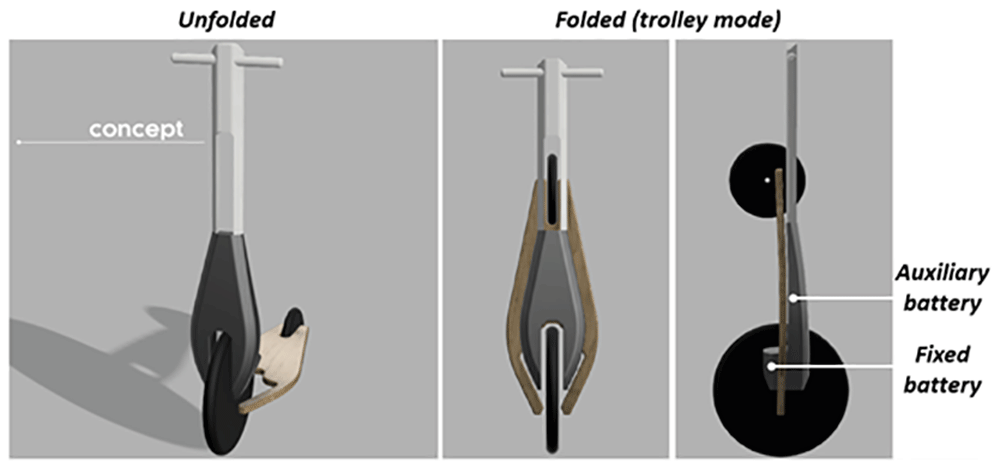
Figure 1. Initial LEONARDO concept in which the steering column design was drafted.
The conformation of the steering column proposed in Figure 2 was subsequently adapted to harmonize with the geometry of the deck selected in the previous phase. This new design process led to the development of a new minimal, dynamic concept, whose curvature compared to the original concept invites movement and maintains a homogeneous profile that is organic with the shape of the deck. These concepts are displayed in Figure 3, illustrating the method of closing the vehicle and its aesthetics in "trolley mode.”
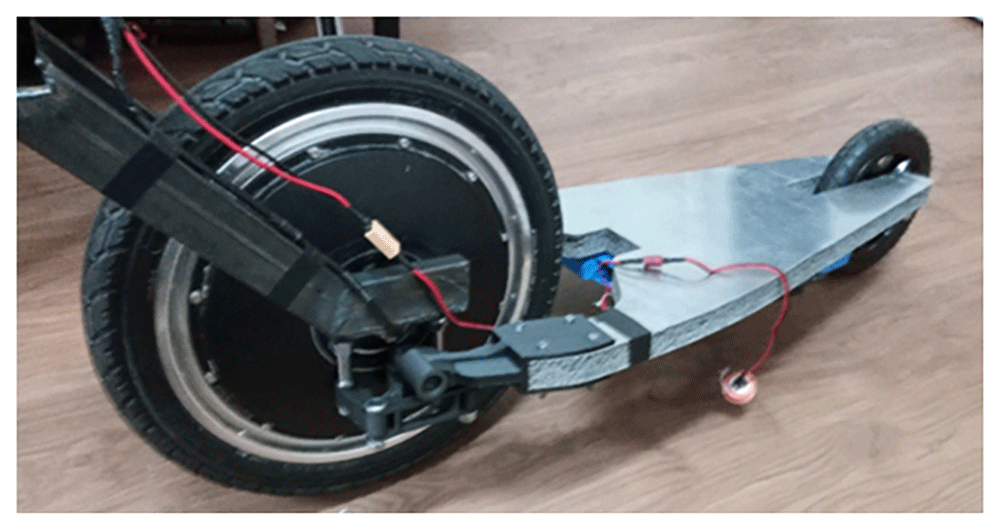
Figure 2. Crank-like linkage turning mechanism.
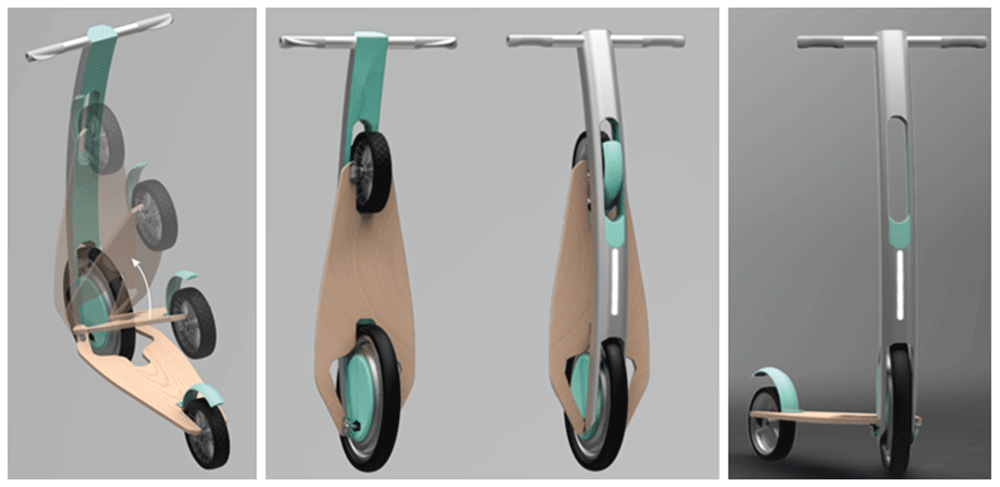
Figure 3. Possible movement of deck towards steering column (left), vehicle in “trolley mode” (centre), unfolded configuration (right).
The studies performed at the motor level allowed fixing the conceptualized wheel solution in a design visible on the left side of Figure 4, where the compactness of the motor solution can be observed (Halbach configuration for stator and magnets to reduce weight).
The available space obtained by maximizing the hub inner diameter enabled the placement of the fixed battery pack inside the front wheel. The right side of Figure 4 also explains how the auxiliary battery case was meant to fit the steering column at the conceptual stage.
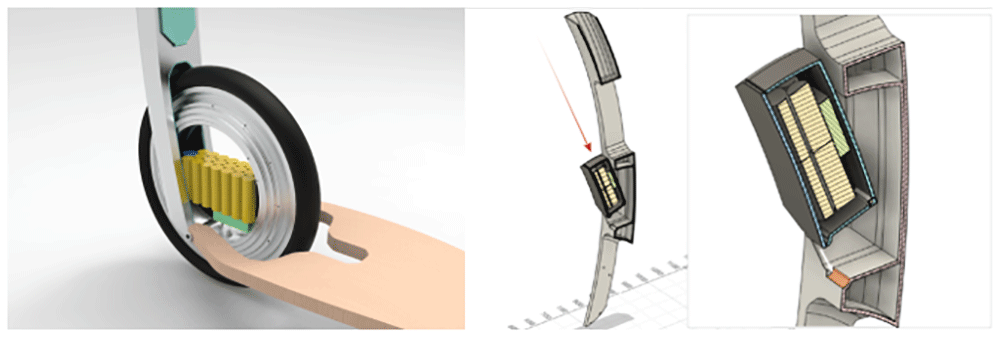
Figure 4. Visualization of hubless motor for fixed battery (left), auxiliary battery pack connection mode (right).
Development of prototypes, materials, and solutions, steering concepts
In addition to the overall layout of the scooter, the concept highlighted in Figure 1, Figure 3, Figure 4 also defined the basic dimensions of the vehicle. The main characteristic parts of the assembly are shown in the cross-section in Figure 5. From a mechanical standpoint, the most important feature is the location of the main axle at the lower part of the front wheel. The steering column, fixed battery compartment, and wheel covers were made of plastic. The deck is made of a sandwich structure. Of all the subcomponents, the design of the motor wheel is the most challenging part of the vehicle design process. This required the preparation of several 3D CAD models as well as a large number of experiments. Several wheel concepts have also been investigated. A version of the front wheel mounted on the test bench is shown in Figure 5. The general idea behind the front wheel was to use the motor from a monowheel and separate the rotating parts from the fixed parts using a similar solution, that is, thin ball bearings. The cross-section of this concept is shown in Figure 4. To save mass, in the prototype candidate version, the ball bearings were replaced with custom-made plastic rollers.
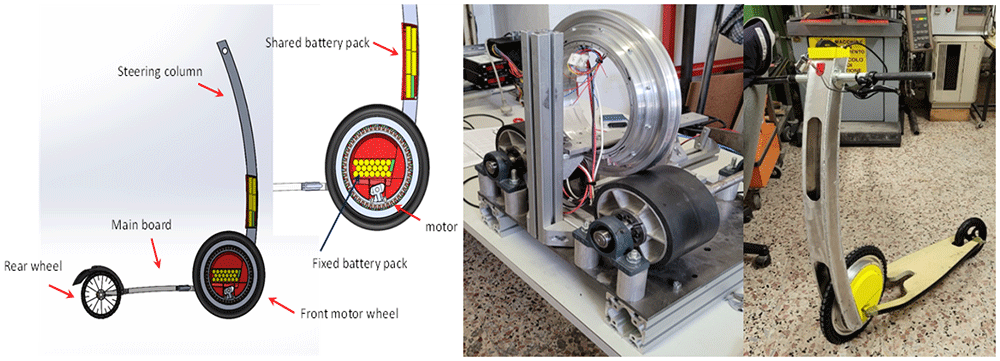
Figure 5. Key features of the first design proposal (left), first concept motor on a test bench (center), prototype (right).
The carried out tests, together with observations collected during assembly, led to the following conclusions:
• The large-diameter ball bearing, which separates the rotational movement of the motor wheel from the rest of the structure, has several disadvantages, such as noise generation, wear, and cost.
• The motor concept (Halbach is very compact, but at the same time extremely expensive because no commercial alternative or specialised supplier is available.
The most emerging problem in the first concept was the need for deep modification of the motor wheel and connection of the motor wheel, steering column, and deck in a way that allows turning, accelerating, and braking. Therefore, the next design loop is mainly connected to the re-design of this node of the vehicle structure. An additional concept for the steering mechanism is developed. The first idea was to modify the existing concept by adding a crank-like linkage mechanism that would allow the front wheel to turn and transfer the passenger weight to the axle of the motor wheel, which is a regular commercial one for monowheels. An additional requirement of this concept is that the overall look of the vehicle should be similar to the concept. One of the prototypes of such a mechanism is shown in Figure 2.
Finally, as in the field of mechanical design, the deciding vote belonged to technology. For the sake of component availability and the economic sustainability of the project, it was decided that the scooter would be made of metallic materials using bent profiles and welding technologies.
When the decision was made, the materials and technologies were relatively easily accessible. The concept of utilizing fork design prevailed, together with the overall adaptation of the design to the need for technology.
The second-generation prototype is shown in Figure 6. Although fully functional, the second-generation prototype has drawbacks. The most notable difference was in weight (18 kg). In addition, the appearance of the microvehicle deviates from the light/pleasant appearance of the conceptual design. Considering the difficulties in retrieving materials caused by the pandemic, a decision was made to radically change the technology of vehicle manufacturing. Carbon-fiber-reinforced composites were chosen for this study. Another important decision to address the abovementioned problems was the utilization of a bicycle motor instead of a motor wheel. The structure follows the fork-like concept of a turning mechanism. The outcome was a microvehicle with an appealing appearance and low weight (9.5 kg), as initially intended. Leonardo vehicles from the pilot series are shown in Figure 7.
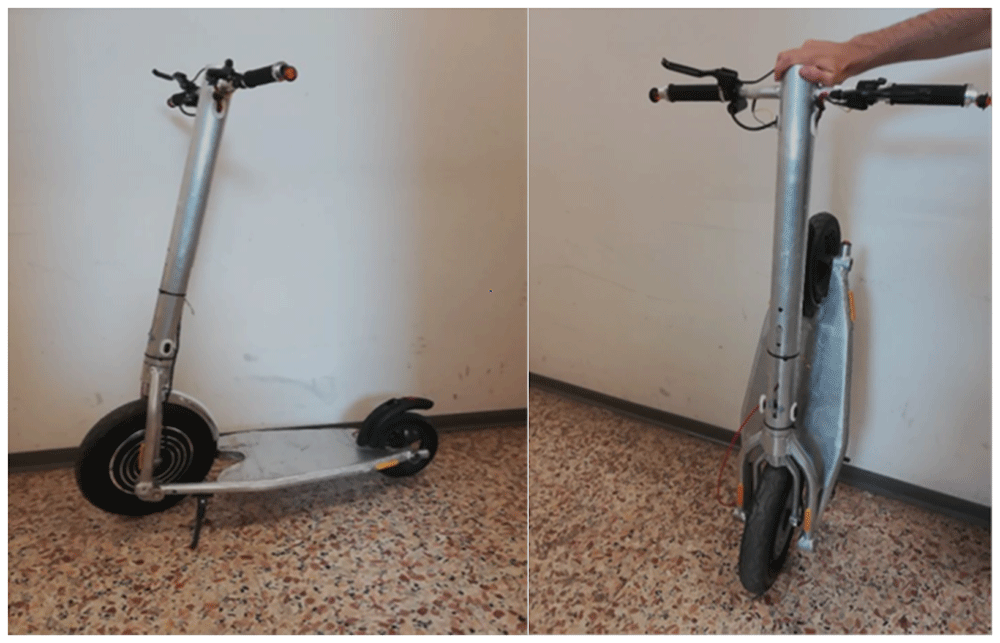
Figure 6. Second generation of the scooter prototypes: unfolded configuration (left), folded configuration (right).
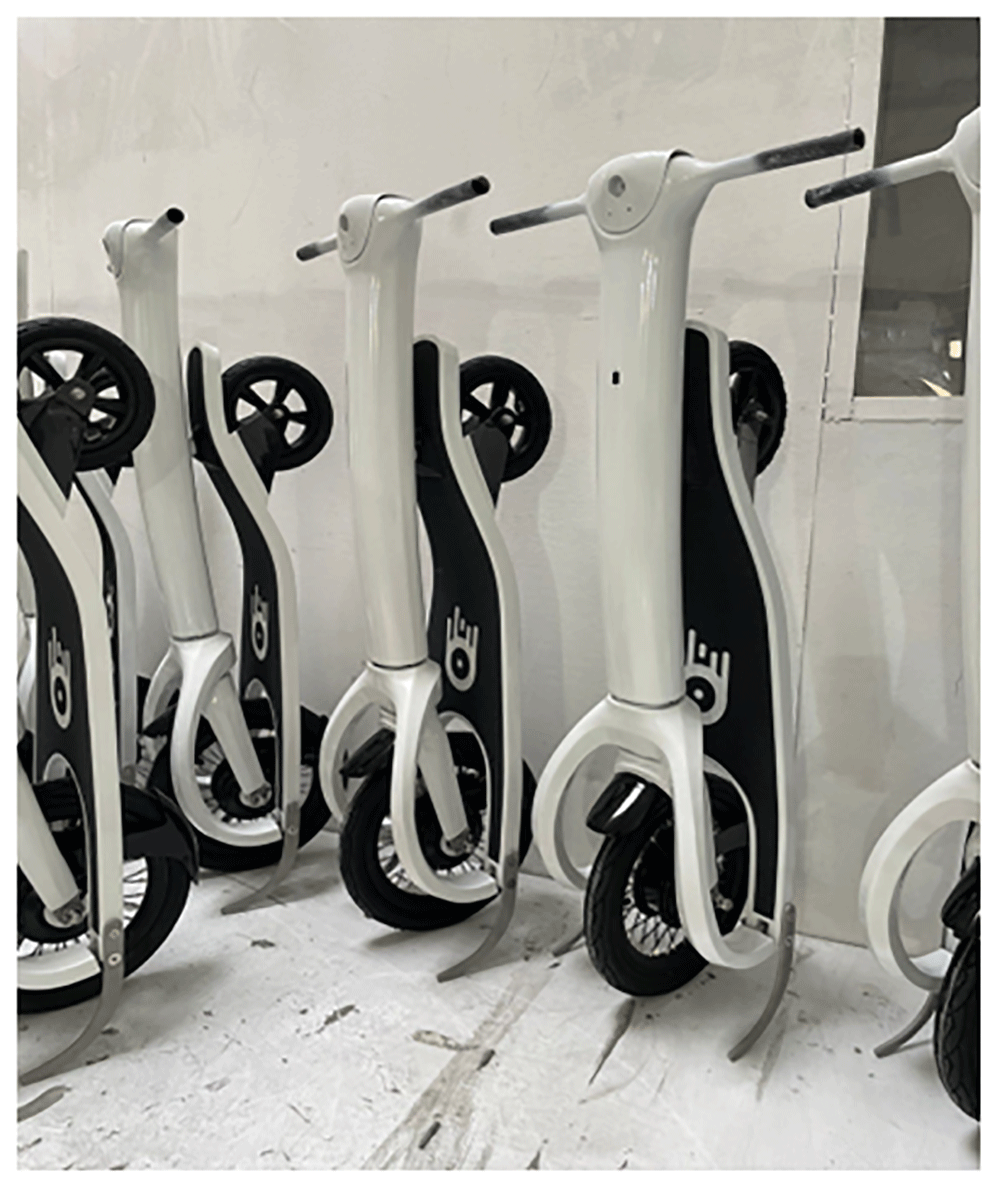
Figure 7. Third generation of the scooter prototypes for the pilot series.
Tests on deck for comfort optimization
As mentioned in the previous section, decreasing the mass of the vehicle requires renouncing well-established concepts as shock absorbers, which are typically mounted on the front and/or rear wheels of an e-kick scooter.
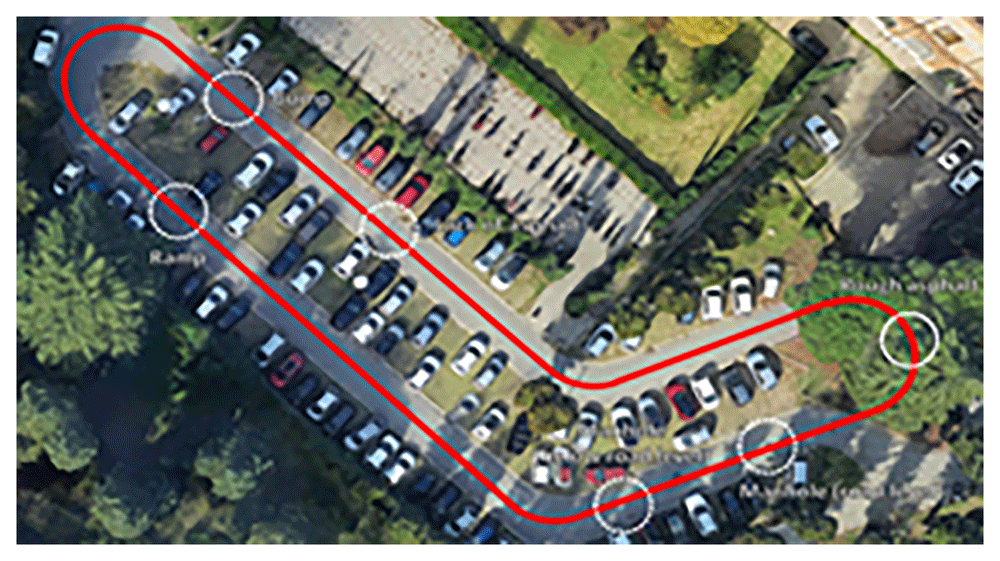
Figure 8. Test track and obstacles for comfort assessment (Google Maps visualization).
Hence, a deck with suitable properties in terms of vibration attenuation appears to be the most feasible solution for decreasing the vehicle mass without affecting the riding comfort of the user. In the first part of the project, tests were performed to determine the characteristics of the LEONARDO vehicle deck to provide sufficient comfort for the user despite the lack of a shock absorber. Alternatives from the market are typically aluminum-extruded elements, which are very stiff. This is an undesirable feature because less stiff structures seem to provide higher comfort to users, as well as maneuverability (Koontz et al., 2010). The analysis focused on the comfort provided on road tests by different decks in terms of material, so that the best features could be employed in the manufacturing process of the decks to be replicated on the vehicle final concept. The decks in different materials were subjected to different types of obstacles during the riding test (track and obstacles are highlighted in Figure 8), while vibrations and forces could be monitored by an accelerometer and a load cell mounted on the decks themselves.
The comfort assessment for the specific decks was based on the ISO 2631:1997 regulations [ISO 26311]. Experiments were performed by employing the frame of a commercially available kick scooter that employed a shock absorber. The deck of the kick scooter was substituted with different decks to be tested, as follows:
Deck A – Original aluminum deck without the shock absorber (stiffness of 3121.9 N/mm).
Deck B – A deck made of two layers of bamboo, with fibers disposed at 90° among strata. A fiberglass fabric is joining the two layers, and the deck is 11.5 mm thick (stiffness of 161.8 N/mm).
Deck C – A deck made of layers of maple, being 12.5 mm thick (stiffness of 181.4 N/m).
The stiffness was calculated based on force and deflection evaluations on a bending test machine, knowing the geometrical properties of the decks. The bamboo deck provided the highest comfort (in terms of accelerations scaled in accordance to (ISO 2631:1997) in all situations, particularly in the case of rough asphalt (O1). The monitoring of forces also showed an additional 20% of the forces discharged on the bamboo deck compared to the other decks. The deck produced for the pilot in diverse cities was manufactured to obtain the same stiffness properties but to increase the strength of the deck by using a PVC core and different strata of glass fiber reinforcement. For further information regarding the performed tests and related results, refer to Michelangelo-Gulino et al. (2022).
Vehicle control logic
The vehicle has a sophisticated control logic that allows it to behave as a monowheel, the objective of which is to stabilize the angle of the steering column with respect to the vertical ground (rather than the center of mass of the user as in a monowheel). Figure 9 depicts the various states that the vehicle can assume. After the booting and calibration phases, the system enters STOP mode, where no current is supplied to the motors. The user can then select either the TROLLEY mode or one of the various DRIVE mode settings: PEDESTRIAN, STANDARD, or ADVANCED.
The TROLLEY mode is intended for use without a driver on the vehicle. In this mode, the user is not meant to stand on the deck and the steering column stabilizes in a vertical position. The user can drag the vehicle with the control system to ensure that the vehicle follows the user.
The DRIVE mode is used under normal driving conditions with different control laws tailored to the selected setting and specific application. The current provided to the motor was a linear function of the steering column angle with respect to the vertical direction. Reversing is disabled in this mode.
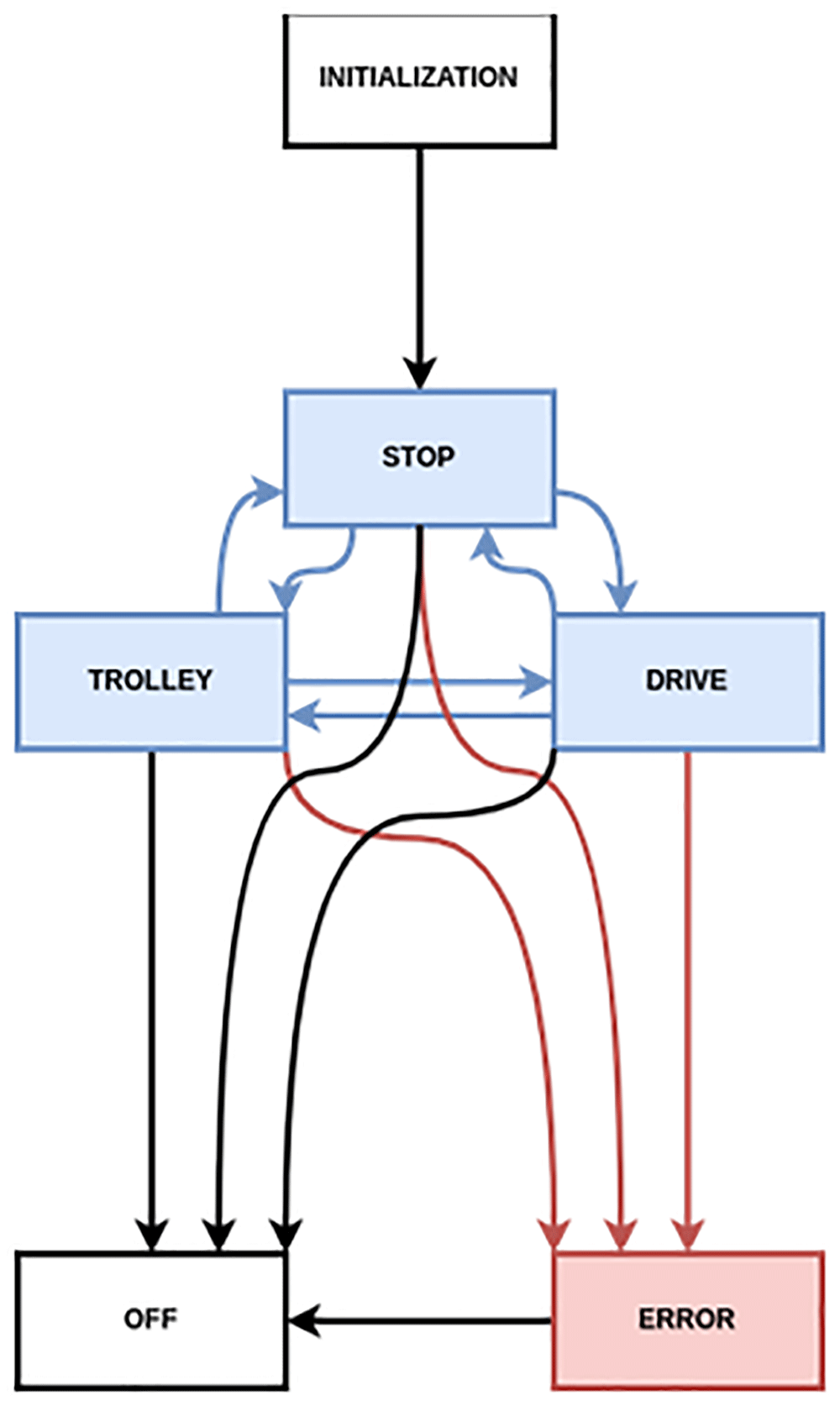
Figure 9. State machine of the vehicle controller.
The available settings are:
PEDESTRIAN: Designed for areas shared with pedestrians, this setting offers the smoothest driving experience and limits speed to 6 km/h (availability of this mode is also a requirement based on EN 17128:2021 [EN 171282]).
STANDARD: This mode balances smoothness in acceleration profiles and is suitable for overcoming uphill routes with limited slopes, especially for novice drivers with a speed limit of 15 km/h.
ADVANCED: Intended for experienced users, this setting allows users to achieve a maximum speed of 20 km/h, offering the highest acceleration while guaranteeing driving comfort.
If an error is detected, the vehicle stops and enters ERROR mode. Possible errors include vehicle falling, excessively high temperatures, and sensor disconnections.
The vehicle was modelled as an inverted pendulum, and the control system was designed to stabilize the pendulum vertically. On-board sensors and a complementary filter (considering the weight of the inputs from the sensors) provide data regarding the tilting angle (pitch) of the column and its angular velocity. A closed-loop Pole Placement control strategy was employed to calculate the Proportional and Derivative gains (PD) necessary for stabilizing the pendulum (Sengupta et al., 2021). By adjusting the dynamical requirements (settling time and system mode), we derived different gain sets that translate into varying driving experiences. This methodology was used to determine the specific gains for the TROLLEY and DRIVE mode settings. In the specific case of the ADVANCED setting, the gains were manually fine-tuned to enhance driving comfort.
The control-signal flow is shown in Figure 10. The control signal was derived from the previously introduced PD law, and additional controls were applied before sending the signal to the motor. The signal is not transmitted if the motor control is disabled, such as in STOP mode or in the event of errors. Furthermore, the control signal was subjected to a speed limitation process. A function monitors the speed of the wheel, compares it to the maximum speed of the selected operating mode, and reduces the current output if the wheel speed exceeds this limit.
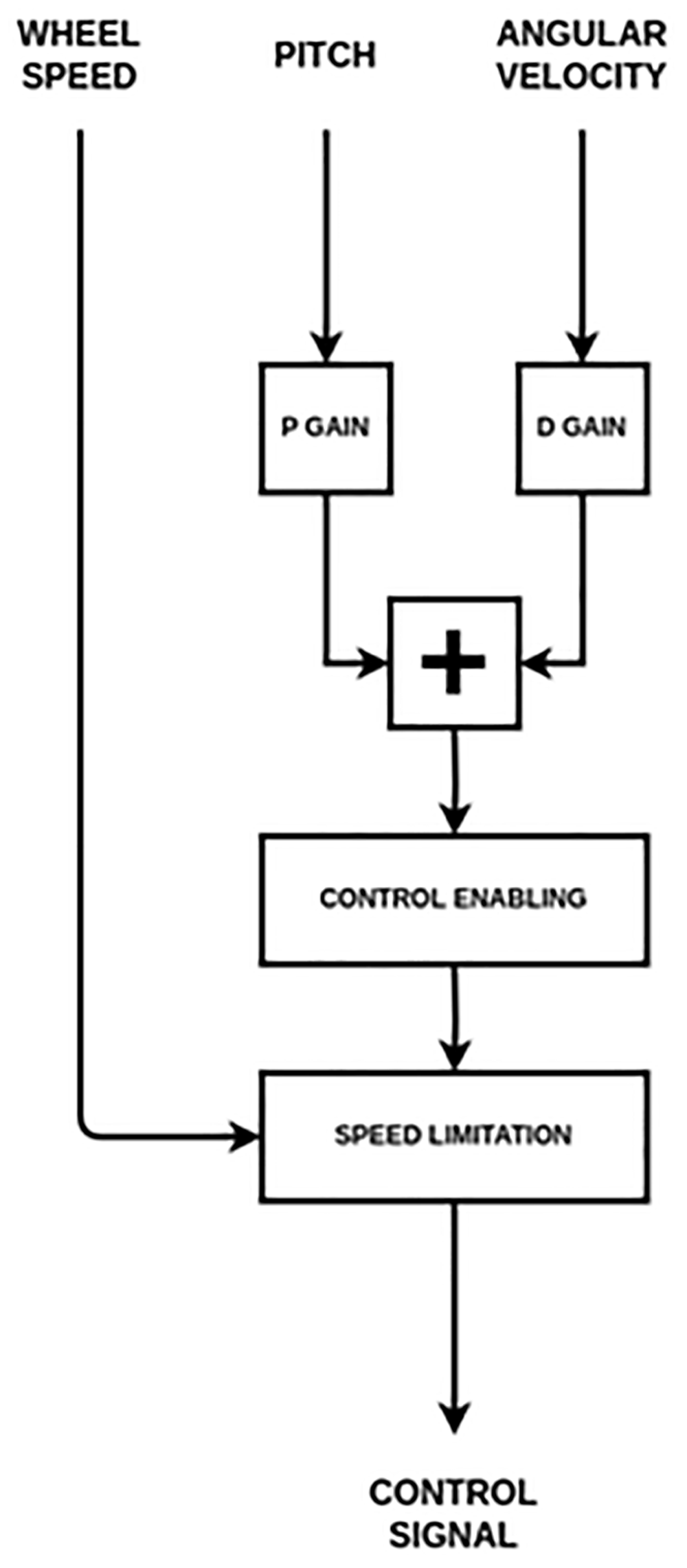
Figure 10. Control signal flow.
Energy storage with hybrid supercapacitors
To augment the performance of the LEONARDO scooter in terms of charge speed and environmental friendliness, testing related to the integration of a hybrid supercapacitor-based energy storage solution was envisaged before commercial exploitation of the vehicle. A hybrid supercapacitor is a combination of an electric double-layer capacitor (EDLC) and pseudocapacitors. Hybrid supercapacitors can achieve power and energy densities of up to 500,000 W/kg and 50 Wh/kg, respectively. Depending on the construction geometry, the power density is favored (asymmetric electrode) over the energy density (symmetric electrode). In contrast, batteries have a lower power density (up to approximately 3000 W/kg) but a significantly higher energy density (up to 360 Wh/kg) (Abduljabbar et al., 2021). Therefore, at first glance, the use of supercapacitors in electric microvehicles may seem disadvantageous compared to traditional batteries. According to (Severengiz et al., 2020), e-scooters have a range of 30 km with a lithium battery capacity of 0.46 kWh, resulting in energy consumption of 0.015 kWh/km. To cover the same distance and considering the maximum power density, 9.2 kg of hybrid SC would be needed compared to 3 kg of lithium battery (assuming a power density of 150 Wh/kg). Clearly, the weight and size of the supercapacitors are not compatible with the current spaces reserved for battery installation in microvehicles. But considering that the average daily travel distance of a single microvehicle is approximately 10.2 km per day (Severengiz et al., 2020), this would allow reducing the accumulator capacity to 150 Wh, limiting the weight and size to those of the current lithium batteries typically installed on microvehicles. Moreover, considering a current microvehicle lifetime of 24 months and assuming an average recharge efficiency of 85% and almost 100% for lithium batteries and SC, respectively (Mulder et al., 2013), this implies an energy saving of 19.85 kWh for a single e-scooter equipped with a hybrid SC over two years. In addition, it should not be forgotten that hybrid SCs have a very short charging time, typically 4-5 minutes for a charge of up to 80% of the maximum capacity (Abadi et al., 2023).
This makes it possible to use a fast-charging network, limited to a few kilowatts of power, typically 3-4 kW, or even powered by photovoltaics. The possibility of quickly recharging the accumulator at strategic points along the most frequently used cycle paths allows the range of use to be extended without the need to carry a battery with high energy capacity and weight. Another important aspect to consider for mobility applications is the loss of performance at low temperatures, which strongly affects lithium batteries, unlike in hybrid SCs (Du Pasquier et al., 2003).
Conclusions
This paper presents the development process of the innovative LEONARDO microvehicle, which integrates the characteristics of a monowheel and kick scooter to result in a unique transportation solution tailored to urban environments.
The described development process addresses safety, functionality, mechanical resistance, and comfort. A comprehensive regulatory analysis was conducted to ensure that the microvehicles adhered to safety standards throughout Europe. In addition, comfort optimization was achieved through rigorous testing in various urban scenarios, ensuring a smooth and enjoyable ride for users without the need to include bulky suspension elements. The control logic of the vehicle was also introduced, with the aim of performing a self-balancing task using a special-purpose, Linear Quadratic Regulator-based algorithm. During the next phases and foreseen projects, the microvehicle is expected to incorporate fast-charging energy storage solutions, thereby significantly reducing downtime and enhancing user convenience for last-mile travel. Furthermore, a battery-sharing system has been introduced to promote sustainability and make microvehicles an attractive option for eco-conscious people.
By offering a sustainable, efficient, and convenient alternative to traditional transportation modes, the use of LEONARDO vehicles significantly reduces carbon emissions and congestion in cities, contributing to a greener and more liveable urban environment. Therefore, this paper not only presents an innovative product, but also paves the way for future research and development in the field of urban micromobility. It is hoped that the shared insights and methodologies will inspire further innovations in this rapidly evolving field.