Introduction
Leading in fourth place globally, among all the cancers that affect women, cervical cancer records approximately 660,000 new cases and nearly 360,000 new deaths worldwide1,2. It has been proven that approximately 90% of these cases occur in developing countries3, with Africa reporting close to 125,000 new cases annually, and is ranked second in causing cancer-related deaths, mostly among women age–14–44 years4. As of 2022, cervical cancer comes second after breast cancer as the commonly diagnosed type of cancer among women in Kenya, with about 6,000 new cases annually and is the major cause of cancer-related deaths among women recording 3,600 deaths., accounting for close to 12% of all cancer-related deaths among women in Kenya5.
Literature shows that the stage of cancer at the time of diagnosis is a vital prognostic factor that influences cancer treatment outcomes6. Delays in cancer diagnosis increase the risk of poor outcomes7. Early-stage diagnosis (Stages I and II) is associated with a 98% 5-year survival rate, while late-stage diagnosis (Stages III and IV) is associated with lower rates (17% 5-year survival rate)7. Cervical cancer is often diagnosed at advanced stages, defined in this study as FIGO stages III and IV. Globally, the prevalence of late-stage diagnosis of cervical cancer is more than 50%, with this proportion rising to approximately 80% in developing countries6,7. Despite strategies that have been put in place to enhance early detection, such as creating awareness and routine screening, cervical cancer remains a threat to many sexually active women in Africa8.
Early-stage diagnosis is often facilitated by functional health systems that support effective patient management, including timely referrals from under-resourced facilities to better-equipped hospitals, where advanced diagnostic services are available. Conversely, inadequate health systems can result in delays within primary healthcare, contributing to late-stage cancer diagnoses7,9,10. In Kenya, limited research has explored the impact of poor health systems on delays that lead to late-stage cervical cancer diagnoses, which are associated with high mortality rates due to suboptimal treatment outcomes. This study aimed to assess the association between late-stage diagnosis and various health facility-level factors.
Methods
This was a hospital-sited, analytical, cross-sectional mixed method study (with both quantitative and qualitative techniques used), conducted between September to November 2023, at the Kenyatta National Hospital (KNH), a National Referral and Teaching Hospital, that offers both preventative and curative services for cancer patients referred from all over Kenya11. Systematic sampling was used to select 139 cervical cancer inpatient and outpatient patients, diagnosed and receiving treatment at the KNH, aged above 18 years, and diagnosed within one-year prior time of data collection to minimize recall bias12. Patients whose medical records lacked clear staging information, those diagnosed with other cancer types, those with recurrent cervical cancer, those in palliative care, those with psychotic health issues, and those who were unwilling to participate in the study were excluded. The participants were interviewed using a semi-structured questionnaire13, with questions regarding their hospital and referral systems experiences, such as the type of medical facility they visited first, number of hospital visits they made before diagnosis, if they were referred to KNH, number of referral times, type of any referral challenges they faced, and the period taken to get diagnosis appointments and results. This allowed for quantitative data collection. A Key Informant Guide was used to conduct Key Informant Interviews (KIIs), to enable in-depth qualitative data collection from 8 Key Informants, such as; Medical, Radio Oncologists, departmental nurses and social workers, in audio recorded sessions. The qualitative data was collected to support the quantitative findings in triangulation14.
The key outcome of late-stage diagnosis was stage at diagnosis, categorized as either early (stages IA to IIB) or late-stage (IIIA and IVC) using the International Federation of Gynecology Obstetrics (FIGO) staging for cervical cancer that is based on the cancer’s size, location and spread15. The stage at diagnosis was retrieved as the stage of malignancy recorded by the doctor in the patients’ files, using abstraction forms. Statistical analyses were performed using Stata version14.2 (https://www.stata.com/)16. The association between late-stage diagnosis and facility-level factors was tested by logistic regression test at 95% Confidence Interval17. Odds Ratios and p-values were reported. Unadjusted logistic regression was done for bivariate analysis to examine the crude association between each variable and late-stage diagnosis Crude Odds Ratios (CORs) and p-values at 95% Confidence level were reported. Potential predictor variables were selected for the MLR models, based on bivariate analysis p-value (p<0.05), to analyze independent variables with a statistically significant association to late-stage cervical cancer diagnosis. Audio recordings for qualitative data were transcribed verbatim, transcripts were verified, and then content analysis was conducted using NVIVO 14 (https://lumivero.com/resources/free-trial/nvivo/)18.
Results
Sociodemographic characteristics
The sociodemographic characteristics of the 139 participants are illustrated in Table 1. The mean age was 51 years. Majority of the 49(35.25%) participants were aged between 40–49 years. More than half 88(63.31%) were married, and 95(86.35%) were educated up to the primary level. Less than half of the 54 participants (38.85%) reported being employed. (Table 1).
Table 1. Summary patients’ socio-demographic characteristics.
| Variable | Early (%) n=53 | Late-stage (%) =86 |
|---|
| Age in years | | |
| <40 | 13(59.09) | 9(40.91) |
| 40-49 | 24(48.98) | 25(51.02) |
| 50-59 | 13(30.95) | 29(69.05) |
| 60-69 | 2(11.11) | 16(88.89) |
| 70 and above | 1(12.50) | 7(87.50) |
| Ethnicity | | |
| African | 53(38.13) | 86(61.87) |
| Religion | | |
| Christian | 53(38.13) | 86(61.87) |
| Marital Status | | |
| Married | 37(42.05) | 51(57.95) |
| Divorced/Widowed | 8(28.57) | 20(71.43) |
| Single | 8(34.78) | 15(65.22) |
| Residence | | |
| Urban | 23(38.98) | 36(61.02) |
| Semi-urban | 7(29.17) | 17(70.83) |
| Rural | 23(41.07) | 33(58.93) |
| Education Level | | |
| Primary and below | 31(32.63 | 64(67.37) |
| High school | 17(50.00) | 17(50.00) |
| Tertiary | 5(50.00) | 5(50.00) |
| Employment Status | |
| Employed | 28(51.85) | 26(48.15) |
| Not employed | 25(29.41) | 60(70.59) |
Prevalence of Late-Stage diagnosis
The Prevalence of late-stage diagnosis was 61.87% as 86 of the 139 participants were diagnosed at stages IIIA to IVC as illustrated in Figure 1. Qualitatively, seven of the eight key informants confirmed that most KNH patients were diagnosed at advanced stages III to IV. Late-stage diagnosis was prevalent among older participants (>50 years), those with a lower level of education and those lacking employment/income. Figure 1.
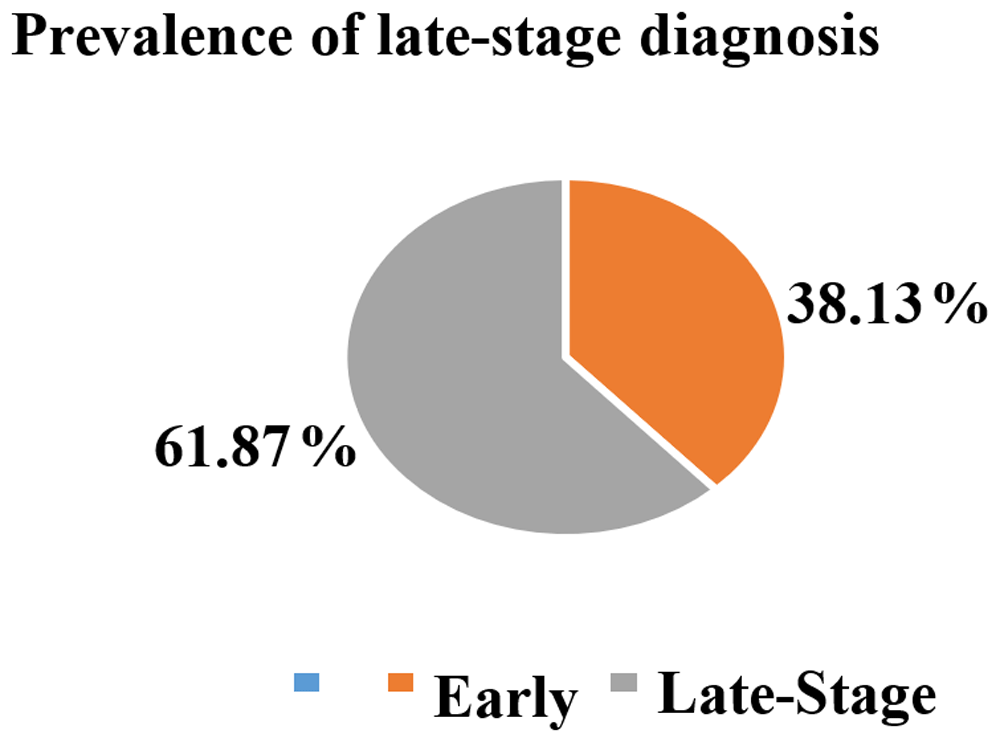
Figure 1. Prevalence of Late-Stage Diagnosis
Figure 1 illustrates the prevalence of delayed diagnosis (67.81%) among cervical cancer patients at KNH. The pie chart is divided into two segments, each representing the percentage (size) of patients either diagnosed early or late. Data was collected from 139 participants, 86 who were found to be diagnosed late, while 53 were diagnosed early, as defined by the study.
Facility-level factors
Distribution of participants across of health facility factors
Table 2 illustrates the distribution participants across the facility factors. Over half of the participants 91(65.67%) first sought medical care from public health facilities, followed by 40(28.78%) who went to private health facilities, and 8(5.76%) who sought help from local chemists or traditionalists. Less than half 49(35.25%) of the participants visited the hospital five times or more before being diagnosed with cervical cancer. Regarding referrals, a total of 125(89.93%) participants were referred from lower-level facilities to the KNH, with 58(46.4%) reporting that they were referred twice or more. Late-stage diagnosis was prevalent among those were referred twice ore more (81.03%). More than half of those who were referred to 72(57.6%) reported facing referral challenges that hindered access to appropriate and proper medical care, thus delaying their diagnosis. A proportion of 70.83% of those who faced referral challenges reported to have been diagnosed at either stage III or IV. Most patients who faced challenges reported a lack of finances (40) as the major challenge they faced, followed by misdiagnosis (15) and prolonged appointments (14) as shown in Figure 2. Those who reported misdiagnosis reported to have been diagnosed with various illnesses such as vaginal infections, STIs, postmenopausal bleeding, hormonal contraceptive side effects, and fibroids, among other health issues. (Figure 2)
Table 2. Distribution of participants across of health facility factors.
| Variable | Early (%) n=53 | Delayed (%) n=86 |
|---|
| First Hospital Type Visited | | |
| Private | 15(37.50) | 25(62.50) |
| Public | 36(39.56) | 55(60.44) |
| Other | 2(25.00) | 6(75.00) |
| Number of Hospital visits | | |
| Once | 12(41.38) | 17(58.62) |
| Twice | 10(45.45) | 12(54.55) |
| 3-4 times | 14(35.90) | 25(64.10) |
| 5times and above | 17(34.69) | 32(65.31) |
| If Referred | | |
| Yes | 46(36.80) | 79(63.20) |
| No | 7(50.00) | 7(50.00) |
| Number of Referral times | | |
| Once | 35(52.24) | 32(47.76) |
| Two and above | 11(18.97) | 47(81.03) |
| Faced Any Referral Challenges | | |
| Yes | 21(29.17) | 51(70.83) |
| No | 25(47.17) | 28(52.53) |
| Time taken to get Diagnosis Appointment | |
| <2 weeks | 48(40.34) | 71(59.66) |
| 2 weeks- 1 Month | 1(8.33) | 11(91.67) |
| I month and above | 4(50.00) | 4(50.00) |
| Time taken to get Diagnostic Results | | |
| <2 weeks | 31(48.44) | 33(51.56) |
| 2 weeks- 1 Month | 16(37.21) | 27(62.79) |
| I month and above | 6(18.75) | 26(81.25) |
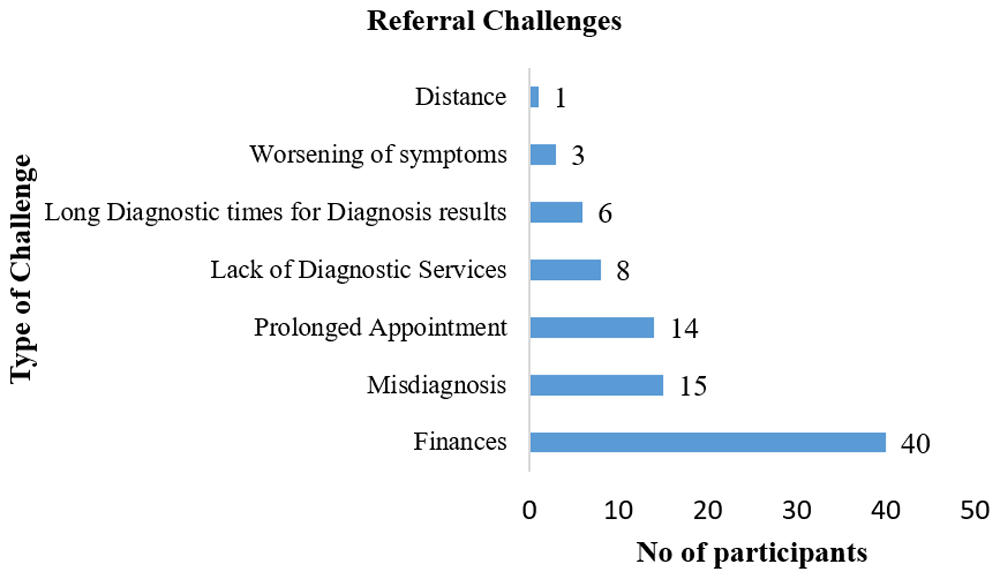
Figure 2. Distribution of Referral Challenges.
Figure 2 is a horizontal bar chart showing the different hospital referral challenges that the cervical cancer patients at KNH who reported to have been referred from another hospital to KNH for diagnosis, faced during the referral process. It also shows the distribution of patients across the challenges.
Most participants 64(46.04%) reported having received their diagnostic results in less than two weeks, while 32(23.02%) reported having received results in over a month. (Table 2).
Association between health facility level-factors by delayed Cervical Cancer diagnosis
A structured approach was adopted for the association analysis. Bivariate analysis was performed to examine the relationship between each independent variable individually and the binary dependent variable (stage of diagnosis) using logistic regression, and to identify potential predictors of the outcome at a 95% confidence level (p < 0.05). Variables found to be statistically significant (p <0.05) were selected for the multivariate logistic regression test model to show the independent variables that were independently associated with late-stage diagnosis after controlling for confounders19.
Across the seven facility factors, four were found to be potential risk factors in the bivariate analysis. Being referred to KNH was not found to be statistically significantly associated with late-stage diagnosis of cervical cancer in this study. Although, among the 125(89.93%) participants who reported to have been referred from lower-level facilities KNH, 79(63.20%) were found to have been diagnosed at stage III or IV.
Patients who had been referred two times and more were potentially found to be 4.7 times more likely to have late-stage diagnosis compared to those who were only referred once. Those who reported to have faced referral challenges were potentially found to be 2.2 times more likely to be diagnosed at late stages than those who reported not to have faced any referral challenges. Referral challenges were defined as any hospital related barriers that they faced during the referral process than may have contributed to delays during diagnosis. While the majority of the patients reported that their diagnosis took less than two weeks, 36(23%) of the participants reported that their diagnosis took longer than one month, with 26(81.25%) of them being diagnosed at advanced stages. Patients who reported that their diagnosis appointment took 2 weeks to1 month were potentially found to be 7.4 times more likely to be diagnosed at late stages than those who reported that their diagnosis appointment took less than 2 weeks, while patients whose diagnostic results took 1 month and above were potentially found to be 4.1 times more likely to be diagnosed at late stages than those whose results took less than 1 month.
Table 3 illustrates a multi-collinearity check that was performed on the significant factors that were found to be potential predictors from the bivariate analysis, and none showed any collinearity20. Additionally, the study assumed that the observations were independent of each other, which is another crucial assumption in regression analysis19. (Table 3).
Table 3. Multi-collinearity checks among health facility-level factors.
| Referral times | Referral challenges | Diagnosis appointment | Diagnosis results |
|---|
| Referral times | 1 | | | |
| Referral challenges | 0.0517 | 1 | | |
| Diagnosis appointment | 0.0431 | 0.1738 | 1 | |
| Diagnosis results | 0.1098 | 0.0794 | 0.1791 | 1 |
Table 4 summarizes the relationship between late-stage cervical cancer diagnosis and facility-level factors, assessed using logistic regression. Both bivariate and multivariate results are presented to compare how the multivariate logistic regression (MLR) model performed after adjusting for potential confounders.
Table 4. Logistic Regression of significant predictors associated with late-stage diagnosis.
| Variable | Unadjusted OR | p-value | Adjusted OR | p-value |
|---|
| Number of Referral times | | | | |
| Once | Ref | | | |
| Two and above | 4.673 | 0.000 | 4.685 | 0.001 |
| Faced Any Referral Challenges | | | | |
| Yes | 2.168 | 0.041 | 2.398 | 0.048 |
| No | Ref | | | |
| Time taken to get Diagnosis Appointment | | | | |
| <2 weeks | Ref | | | |
| 2 weeks-1 Month | 7.437 | 0.059 | 6.471 | 0.109 |
| 1 month and above | 0.676 | 0.592 | 0.239 | 0.142 |
| Time taken to get Diagnostic Results | | | | |
| <2 weeks | Ref | | | |
| 2 weeks-1 Month | 1.585 | 0.252 | 1.202 | 0.712 |
| 1 Month and above | 4.071 | 0.007 | 3.983 | 0.026 |
An adjusted multivariate logistic regression model was used to run the four factors, and three remained to be independently statistically significantly associated with late-stage diagnosis; the number of referral times, facing referral challenges and time taken to get diagnostic results. The variable “First hospital type visited”, was used as a covariate as it was identified to be a potential confounder at this level. The first hospital that a patient visited after experiencing symptoms, would dictate if the patient would receive care there primarily or be referred to a higher-level hospital. This would thus expose the patient to referral process, predisposing them to referral challenges and systemic delays, which were being investigated in the MLR model. The covariate was however excluded from the final model table.
The Pseudo R squared was 0.1942, meaning that the logistic regression model was a good fit, that explained 19% of the variability in late-stage diagnosis21. The probability associated with the chi-square statistic (Prob > chi2), used to test the significance of predictors in a model was 0.0001, supporting the conclusion that the predictors improve the model fit17. The Hosmer-Lemeshow test was done to perform the model’s goodness of fit test, and the p-value associated with chi-square statistic was greater than 0.05 (Prob>Chi2=0.1857), indicating that the model was a good fit, appropriate for the data and type of analysis done (logistic regression), has a high predictive validity as its predicted probabilities closely match the observed outcomes, lacks systematic bias in its predictions and improves the confidence to draw conclusions form the analysis22.
Qualitative findings
Figure 3 illustrates the qualitative findings from the KIIs, which aligned with the confirmed associations between referral times, referral challenges, prolonged appointments, and delayed results with late-stage diagnosis. It was reported that due to the referral challenges that patients face from local facilities to KNH, such as misdiagnosis and cost of diagnosis, patients often reach the facility when the disease has progressed to advanced stages and incur more diagnostic costs.
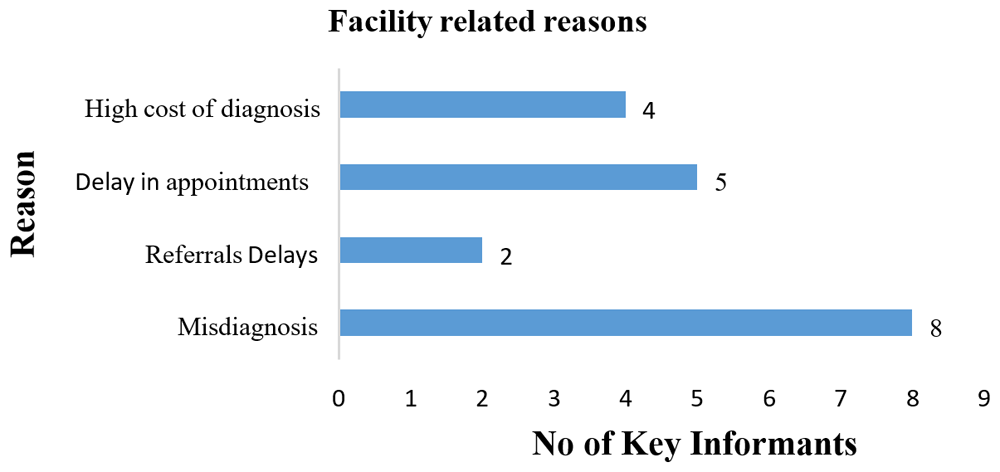
Figure 3. Facility reasons contributing to late-stage diagnosis; KIIs views.
Figure three is a representation of the Key Informant views on reasons that may facilitate delayed diagnosis or hinder cervical cancer patients from accessing early care for timely diagnosis. This views were triangulated to support the qualitative findings and provide in-depth understanding of the study findings.
“Like, if someone has irregular bleeding for long periods and they visit a smaller hospital, they are misdiagnosed with things like postmenopausal bleeding, ...this can make it to take longer for them to be correctly diagnosed.” (KII_6RO)
“Each referral means an extra cost for the patient. For example, KNH asks for new scans from a referred patient because most of the time the patient comes in delayed...so they ask for another scan to get a more current state of the disease.” (KII_8MO)
“...there is poor diagnosis from peripheral facilities due to lack of specialized personnel. A clinician should have a high index of diagnosis” (KII_7MO)
Appointment dates for diagnosis also take too long because of congestion owing to the high number of patients.
Do you know if you came here today for diagnosis you will be booked to have scanning or MRI in two months, that is the least time...they say patients are many...biopsy take even longer than 2 months...Only those who can afford scanning in private facilities do it quicker” (KII_5N). (Figure 3)
Discussion
Prevalence of late-stage diagnosis
The study found that most participants were diagnosed at late stages of cervical cancer. The prevalence of late-stage diagnosis found in this study (61.87%) was slightly lower than that of a cross-sectional study conducted in Uganda (66%) and close to that of a population study conducted in Ethiopia (60.4%)23,24. Closely related is another a hospital-based study conducted in Scotland, United Kingdom (UK), reported that 68% of patients were diagnosed at late stages. However, it is important to note a significant difference in this study's definition of late-stage diagnosis, which was classified as Stage IIB to Stage IVC25.
Facility-level factors
In this study, 90% of participants sought medical help from other facilities before being referred to the KNH. The inadequacy and centralization of diagnostic facilities in Kenya is one of the major barriers to accessing cancer testing, especially in local facilities26, leading to patients being referred to better-equipped facilities to access quality diagnostic services. While assessing the referral dynamics, this study found that patients referred twice or more were likely to face various referral challenges and were found to be more likely to have late-stage diagnosis, compared to those who were only referred once and who faced none or fewer referral challenges. Patients were reported to have experienced misdiagnoses of other diseases, such as fibroids, postmenopausal bleeding, and infections. Medical staff noted that several medical personnel from local facilities were less equipped with skills and that they lacked a high index in suspecting cancer cases; thus, there were a high number of misdiagnosed cases. These findings were in agreement with another study, in which almost half of the participants were referred more than once, and 35% of them blamed medical personnel at local facilities for having misdiagnosed them with other diseases and lack of diagnostic equipment as major referral challenges9. Another study conducted in the United States found that patients referred for evaluation, took approximately two months to be diagnosed with cervical cancer. This highlights delays in the time to diagnosis even after a symptomatic patient has entered the healthcare system10. This could be explained by challenges presented by poor referral systems, such as high cost of diagnosis, misdiagnosis due to lack of specialized personnel and diagnosis equipment, which may contribute to delays in primary health care9. The availability and accessibility of effective cancer diagnostic equipment, are vital hospital factors that improve early diagnosis in cancer patients9. Inadequate access to screening and diagnostic services and trained medical personnel, especially in rural settings, forces patients to travel long distances to seek better primary healthcare9,26. Qualitatively, patients had to incur extra financial costs at all referral stages as they were required to pay for consultations, tests, and treatment. Referrals have also led to inconsistencies in medical information due to misplacement of patients’ medical records. This would further lead misdiagnosis and financial burden on patients. Qualitatively, a previous study reported that inadequacy of patient information by healthcare providers is a factor that may contribute to late-stage diagnosis27.
This study also found that longer waiting periods for diagnosis appointments and results lead to late-stage diagnosis. These findings are consistent with those of a study that reported that delays in diagnosis hinder primary healthcare, because medical care decisions are dependent on them9. Centralization of diagnostic and treatment equipment in major government hospitals, causes patients congestion, due to higher patient to medical personnel ratios and few equipment for diagnosis26. Needy patients are required to travel long distances to seek diagnostic services26. Qualitative findings revealed that due to the high number of cancer patients at KNH, patients take longer to get diagnosis appointments and scanning or biopsy results. During this waiting period, the disease progresses further leading to worsening of symptoms, especially in late-stage patients. These delays could implicate more treatment financial burden on patients. Delays in diagnosis also hinder primary healthcare, as medical care decisions are dependent on them9. This study found that patients who are able to afford private facilities are able to quickly track this process and receive early diagnosis and treatment, because private facilities experience less congestion as only patients who can afford their services visit them.
Conclusion
The study identified gaps in the organization of health referral systems and systemic delays in appointments, and the results. With these gaps, poor health systems are a major hindrance to the availability and access of quality medical care, leading to delays in diagnosis. Measures such as decentralization of HPV screening and cancer diagnosis resources, including trained medical officers, are recommended to lessen the burden of referral challenges and diagnosis delays while targeting women from all socio-demographic settings to improve timely diagnosis. Further studies should assess misdiagnosis as major challenge in cervical cancer diagnosis.
Study limitation
The study was limited by recall issues from participants who may not have clearly remembered the date and stage of their diagnosis. Recall bias was minimized by including only participants diagnosed within a year before data collection. The study also adopted abstraction forms to obtain clear information on the date and stage of diagnosis from patients’ medical files, thus minimizing recall bias.
Ethical approval and consent
Ethical clearance and approval were obtained from the JKUAT and KNH-University of Nairobi (UON) Ethical Review Committees (ERCs) under approval numbers JKU/ISERC/02316/0818 and P522/06/2023, on 23rd February and 24thAugust 2023, respectively. A Research permit was also obtained from the National Commission for Science, Technology & Innovation (NACOSTI) under license number NACOSTI/P/23/24644, on 17th April 2023. A study certificate was also issued by the KNH Medical Research Department, to allow the registration of the research project and data collection process, on 31st August 2023. Authorization to access and use patient contact information to seek consent, schedule interviews and access hospital medical records for data, was sought from the KNH Administration. Patients available physically at the hospital as either in or out patients and gave written consent to participate in the study, were interviewed face to face by trained Research Assistants (RAs), while those who were unavailable physically gave oral consent during telephone interviews. Permission to waive written consent for telephone interviewed participants was sought in the proposal approved by the KNH-UON ERC. Participants were interviewed in privacy, and data collected was handled with confidentiality through the use of identity codes to conceal the patient identities and by limiting access to the raw data collected to the Principal Investigator only.
Data availability
Underlying data
Dryad: Research data on health facility-level factors that contribute to delayed diagnosis of cervical cancer, https://doi.org/10.5061/dryad.dz08kps5m12.
This project contains the following underlying data:
- Data.xlsx
- README.md
Data are available under the terms of the Creative Commons Zero “No rights reserved” data waiver (CCO 1.0 Public domain dedication)
Extended data
Dryad: Research data on health facility-level factors that contribute to delayed diagnosis of cervical cancer, https://doi.org/10.5061/dryad.dz08kps5m12.
This project contains the following extended data:
- INFORMED CONSENT FORM.pdf
Data are available under the terms of the Creative Commons Zero “No rights reserved” data waiver (CCO 1.0 Public domain dedication)
Software availability statement
The quantitative analysis in this article was performed using Stata version 14.2, a proprietary statistical software (https://www.stata.com/). For those without access to Stata, equivalent analyses can be performed using open-source alternatives such as R (https://cran.r-project.org/bin/windows/base/).
The qualitative analysis in this article was performed using NVIVO 14.2, a proprietary qualitative data analysis software. For more information about NVIVO, visit the NViVO website (https://lumivero.com/resources/free-trial/nvivo/). For those without access to Stata, equivalent analyses can be performed using open-source alternatives such as Taguette (https://www.taguette.org/).
Acknowledgements
We acknowledge the JKUAT School of Public Health and the KNH administration and staff for their approval and support in mobilization and actualization of this project.
Faculty Opinions recommendedReferences
- 1.
World Health Organization:
Cervical cancer. 2024; 9–14. Reference Source
- 2.
Mills S, Donnan P, Buchanan D, et al.:
Age and cancer type: associations with increased odds of receiving a late diagnosis in people with advanced cancer.
BMC Cancer.
2023; 23(1): 1174. PubMed Abstract
| Publisher Full Text
| Free Full Text
- 3.
Rendle KA, Ramogola-Masire D, Monare B, et al.:
Patient perspectives on delays in cervical cancer screening and follow-up care in Botswana: a mixed methods study.
BMC Womens Health.
2022; 22(1): 195. PubMed Abstract
| Publisher Full Text
| Free Full Text
- 4.
Globocan:
Africa. [cited 2022 Sep 28]. Reference Source
- 5.
Globocan:
Kenya. [cited 2022 Sep 28]. Reference Source
- 6.
Osok D, Karanja S, Kombe Y, et al.:
Assessing factors associated with survival among cervical cancer patients in Kenya: a retrospective follow-up study.
East Afr Health Res J.
2018; 2(2): 118–127. PubMed Abstract
| Free Full Text
- 7.
Frida KM, Atieno WMC, Habtu M:
Socio-demographic factors associated with advanced stage of cervical cancer at diagnosis in Kenyatta National Hospital, Kenya: a cross sectional study.
J Cancer Sci Ther.
2017; 9(7): 554–561. Publisher Full Text
- 8.
Zeleke S, Anley M, Kefale D, et al.:
Factors associated with delayed diagnosis of cervical cancer in Tikur Anbesa Specialized Hospital, Ethiopia, 2019: cross-sectional study.
Cancer Manag Res.
2021; 13: 579–585. PubMed Abstract
| Publisher Full Text
| Free Full Text
- 9.
Rugutt KA:
Barriers to early diagnosis of invasive cervical cancer among patients receiving treatment at Kenyatta National Hospital, Nairobi Kenya. 2014. Reference Source
- 10.
Rushton T, Boitano T, Kincaid K, et al.:
Delay in diagnosis remains a common problem in newly diagnosed cervical cancer patients (580).
Gynecol Oncol.
2022; 166(1): S282. Publisher Full Text
- 11.
Kenyatta National Hospital:
Medical services. 2022. Reference Source
- 12.
Taherdoost H:
Sampling methods in research methodology; how to choose a sampling technique for research.
SSRN Electronic Journal.
2016; 5(2): 18–27. http://www.doi.org/10.2139/ssrn.3205035
- 13.
Adams W:
Conducting Semi-Structured Interviews. 2015. Publisher Full Text
- 14.
Mumtaz A, David MK, Ching LL:
Using the Key Informants Interviews (KIIs) technique: a social sciences study with Malaysian and Pakistani respondents. January, 2014. Reference Source
- 15.
Singh AN, Rous B, Ganesan R:
2018 FIGO Staging System for Cervical cancer: summary and comparison with 2009 FIGO staging system stage I (2018): Carcinoma strictly confined to the cervix (extension to the uterine corpus should be disregarded). 2019. Reference Source
- 16.
STATA:
STATA V 14.2. 2023. Reference Source
- 17.
STATA:
Logistic regression analysis. Reference Source
- 18.
Lumivero:
NVIVO. 2023. Reference Source
- 19.
Schreiber-gregory DN, Bader K:
Logistic and linear regression assumptions: violation recognition and control. 2018. Reference Source
- 20.
Senaviratna NAMR, Cooray TMJA:
Diagnosing multicollinearity of logistic regression model.
Asian J Probab Stat.
2019; 5(2): 1–9. Publisher Full Text
- 21.
Hu B, Shao J, Palta M:
PSEUDO-R 2 in logistic regression model.
Stat Sinica.
2006; 16(3): 847–860. Reference Source
- 22.
Fagerland MW, Hosmer DW:
A generalized Hosmer – Lemeshow goodness-of-fit test for multinomial logistic regression models.
Stata J: Promot commun stat Stata.
2012; 12(3). Publisher Full Text
- 23.
Dereje N, Gebremariam A, Addissie A, et al.:
Factors associated with advanced stage at diagnosis of cervical cancer in Addis Ababa, Ethiopia: a population-based study.
BMJ Open.
2020; 10(10): e040645. PubMed Abstract
| Publisher Full Text
| Free Full Text
- 24.
Mwaka AD, Garimoi CO, Maloba E, et al.:
Social, demographic and healthcare factors associated with stage at diagnosis of cervical cancer: cross-sectional study in a tertiary hospital in Northern Uganda.
BMJ Open.
2016; 6(1): e007690.
PubMed Abstract
| Publisher Full Text
| Free Full Text
- 25.
Symonds P, Bolger B, Hole D, et al.:
Advanced-stage cervix cancer: rapid tumour growth rather than late diagnosis.
Br J Cancer.
2000; 83(5): 566–8. PubMed Abstract
| Publisher Full Text
| Free Full Text
- 26.
Plaisy MK, Boni SP, Coffie PA, et al.:
Barriers to early diagnosis of Cervical Cancer: a mixed-method study in Côte d’Ivoire, West Africa.
BMC Womens Health.
2023; 23(1): 135. PubMed Abstract
| Publisher Full Text
| Free Full Text
- 27.
Zammit M, Nyaberi J, Mambo S, et al.:
Individual-level factors that contribute to delayed Cervical cancer diagnosis among patients in Kenya; a hospital-based assessment.
J Cancer Sci Clin Ther.
2024; 8(3): 167–176. Publisher Full Text