Introduction
Malaria is caused by Plasmodium parasites, which are transmitted through the bites of infected female anopheline mosquitos. According to the World Health Organization, malaria causes >10,000 maternal deaths and >200,000 neonatal deaths annually1, with most occurring in sub-Saharan Africa. Malaria in pregnancy (MiP) poses a significant threat to the mother and fetus because Plasmodium falciparum-infected red blood cells (iRBCs) can sequester in the placenta, causing placental malaria (PM)2, which is associated with serious adverse outcomes, including maternal anemia, fetal growth restriction, preterm birth, stillbirth, and increased neonatal mortality3. Malaria parasite sequestration in the placenta is facilitated by variant surface chondroitin surface antigen 2 (VAR2CSA), a member of the P. falciparum membrane protein 1 (PfEMP1) family of proteins, which is mutually exclusively expressed on the surface of iRBCs4. The surface of the syncytiotrophoblast, the specialized outermost placental epithelial cell layer that is in direct contact with maternal blood5, contains VAR2CSA’s receptor, chondroitin sulfate A (CSA). Despite CSA being expressed on many cell types in the human host, VAR2CSA preferentially binds to chondroitin sulfate carrying 4-O-sulfation of the N-acetyl-D-Galactosamine (GalNAc) residues found in the placenta6. The interaction between VAR2CSA on the surface of iRBCs and CSA, facilitates the sequestration of iRBCs in the intervillous space, causing PM6,7. Additionally, the upregulation of intercellular adhesion molecules (ICAMs), leads to a syncytium-like adhesion of iRBCs to endothelial walls, which impairs malaria parasite clearance as they evade splenic destruction contributing to the persistence of MiP4.
Embryo implantation, early growth and development, and adaptive changes in maternal physiology depend on the pregnancy-associated secretome (PAS) in the intervillous space (Figure 1). PAS has a complex composition including proteins, hormones, growth factors, antibodies, and immunomodulatory molecules like cytokines and chemokines8. PAS associated components, such as endometrial and uterine-derived cells express heat shock proteins (HSPs), including HSP27, HSP60, HSP70, and HSP90, which are abundant in the first trimester of pregnancy9 and are involved in decidualization, implantation, and placentation9,10. Dysregulated expression of these HSPs has been associated with placental necrosis, implantation failure, and loss of pregnancy9. MiRNA-containing placenta-derived extracellular vesicles, which are released by the trophoblast cells into the uterine cavity, are another PAS component thought to facilitate fetal growth11–13. In addition, secretions connected with Placenta-Associated Maternal Monocytes/Macrophages (PAMM1a) cells localize at sites of syncytium layer when damaged by infections to facilitate placental tissue repair14. Other PAS components are part of immune adaptations that are implicated in the prevention of fetal immunological rejection and the promotion of successful implantation11,15, among them are immune mediators derived from T helper 1 and T helper 2 immune cells that promote fetal implantation and development, and regulatory T cells, which promote tolerance for paternal alloantigens16–19.
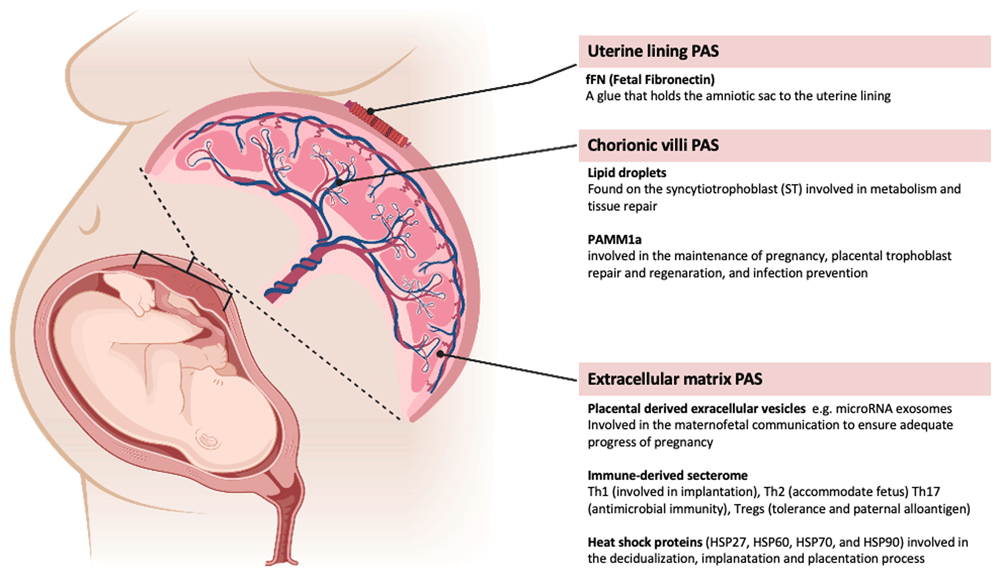
Figure 1. Pregnancy-associated secretome (PAS) function during fetal growth and development.
(Image created with BioRender.com).
The intricate interaction between PAS components and placenta must be maintained throughout pregnancy and disruptions of this interaction cause implantation failure, fetal growth restriction, and preterm birth8,20. Recent studies have implicated various P. falciparum-induced PAS-alterations in PM pathogenesis19,21. In this review, we discuss the potential role of PAS components and their alterations in the pathogenesis of PM and immunity against PM, as well as their implications for PM diagnosis, prevention, and therapy.
The PAS components implicated in the pathogenesis of PM
P. falciparum infection during pregnancy has been shown to affect various PAS components. Following iRBCs sequestration in the intervillous space, tumor necrosis factor-alpha (TNF-α) and reactive oxygen species (hydrogen peroxide, the hydroxyl radical, and the superoxide anion) elevate oxidative stress19,21,22. This causes monocyte and macrophage infiltration, which triggers placental apoptosis18,19 and activates leukocytes23, which drives further cytokine release. In addition, TNF-α-dependent monocyte recruitment can damage RBCs through oxidative stress or erythropoiesis inhibition21. Although TNF-α also attracts natural killer cells, which are beneficial in facilitating uterine vasculature adaptation to fetal demands for gas and nutrients at the maternal–fetal interface24, high TNF-α levels can induce fetal necrosis17.
P. falciparum causes placental inflammation through several pathways. The main immune signaling pathways include the activation of interferon (IFN)-β and IFN-α (type I IFNs) and IFN-γ (type II IFN)25. IFN-γ activates proinflammatory cytokines, chemokines, and growth factors, which are important for tissue regeneration and the clearance of intracellular pathogens25. Overactivation of the IFN-γ pathway may damage placental tissues through excessive inflammation25. Interleukin (IL)-10, an anti-inflammatory cytokine produced throughout pregnancy, along with the activation of IFN-β, counteracts this risk by attenuating IFN-γ overactivation26. IL-10 suppresses pro-inflammatory responses by elevating type 1 regulatory cells and restricting antibody response during blood-stage infection25. Further, IFN-α and TNF-α are produced by cytotoxic T lymphocytes, which are elevated in P. falciparum-infected placentas19,27. Indeed, overactivation of placenta and cord blood cytokines have been shown to affect fetal birth weight28. The overactivation of IFN-γ, TNF-α, IL-1β, IL-12p70, and IL-10 have been associated with reduced birth weight, whereas the overactivation of IL-28A (also known as IFN-L2/IFNλ2), IL-27, and IL-17E are associated with increased birth weight27–29.
PM-induced chemokines, which accumulate in the intervillous space during iRBCs sequestration and mobilize monocytes, macrophages, cytotoxic T cells, granulocytes, and fetal and maternal B cells, are another important PAS component (Figure 2)14,30. Their effects may cause intervillositis (prolonged inflammation in the intervillous space), which is associated with increased fibrin deposition and syncytial knotting, which are implicated in fetal growth restriction, miscarriage, and stillbirth14,31. ICAM4 expression also increases the adhesion of PAMM1a to the syncytium via the expression of lymphocyte function-associated antigen-1, which drives further inflammation and may allow placental infection by opportunistic microbes14.
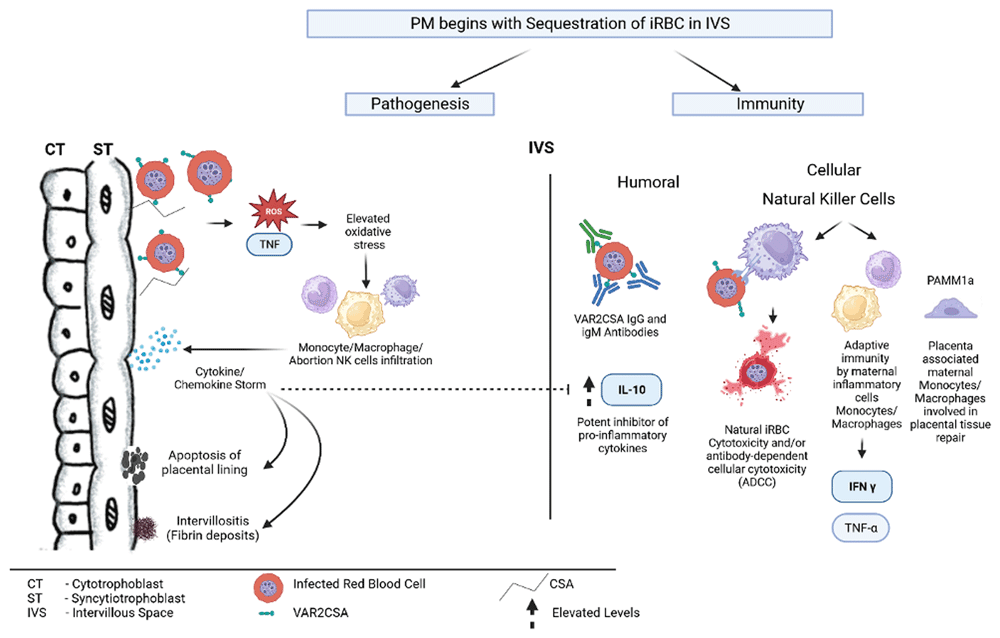
Figure 2. Activated immune components during PM.
The image shows the involvement of the pregnancy-associated secretome (PAS) in PM pathogenesis and immunity. (Image created with BioRender.com).
PM activates PAS components belonging to the complement system, which also activate innate immunity32,33. This probably takes place via complement 3-independent pathways, specifically the cleavage of complements 3 and 5, mediated by thrombin and serine proteases from phagocytic leukocytes or possibly, by P. falciparum itself34. Although this complement activation plays a critical role in neutralizing invading P. falciparum, excessive activation is associated with malaria exacerbation through overwhelming complement regulatory proteins, leading to adverse maternal and fetal outcomes33.
Malaria parasites-specific components, such as pathogen-associated molecular patterns (PAMPs) and danger-associated molecular patterns (DAMPs), are known to trigger immune responses through pathogen-recognition receptors (PRRs)35, although they are not placenta-specific. For instance, the glycosylphosphatidylinositol (GPI) anchor, a molecule essential for parasite survival and immune activation35,36 by facilitating key processes such as erythrocyte invasion, is a PAMP. GPI interacts with the host’s toll-like receptors (TLRs), particularly TLR2-TLR1, triggering signaling pathways like Mitogen-activated protein kinase (MAPK) and nuclear factor-κB (NF-κB). These pathways result in the production of pro-inflammatory cytokines, such as TNF-α and Interleukin (IL)-136, contributing to the systemic inflammation observed in malaria, which could also affect the placenta.
Immune response is further amplified by other malaria parasite components such as hemozoin (DAMP), lipid peroxides (PAMP), and parasite nucleic acids (PAMP)35. Hemozoin, is a byproduct of hemoglobin digestion by the parasite that acts as a danger signal, activating the NOD-like receptor protein 3 (NLRP3) inflammasome and promoting the production of Interlukin (IL)-1β and other inflammatory mediators37,38. Lipid peroxides, released during oxidative stress in malarial infection, also play a crucial role in immune activation, causing cellular damage and modulating immune cell activity, thereby sustaining the inflammatory environment21,35. Furthermore, malaria parasite DNA and RNA are recognized by host pattern recognition receptors like cyclic GMP-AMP synthase (cGAS), leading to the activation of the stimulator of interferon genes (STING) pathway and the production of type I interferons and other cytokines, which amplify the immune response35,39.
PAS-associated immunity during the peripartum and postpartum periods
Immunity to PM is mainly driven by the acquisition of anti-VAR2CSA antibodies, which can act through several mechanisms, including the blocking of iRBCs adherence to CSA by anti-VAR2CSA adhesion-blocking opsonic antibodies40 and antibody-mediated effector functions through the activation of complement pathways against various stages of the parasite’s life cycle, which may clear parasites and contribute to acquired anti-malaria immunity (Figure 2)33. Successive pregnancies are associated with the development of resistance to PM and unlike primigravida, women with multiple pregnancies have protective antibodies against P. falciparum antigens, such as anti-VAR2CSA antibodies, which might block iRBCs adherence to the placenta41,42. These anti-VAR2CSA antibodies are being targeted in the development of placental malaria vaccines (PMV)43. Thus far, there is no approved PMV for use in pregnant women, but two subunit vaccine candidates, namely the placental malaria vaccine (PAMVAC) based on interdomain region 1 through the duffy binding like domain 2 to interdomains 2 (ID1- DBL2X-ID2a) fragment, a 73-kDa derivative of the VAR2CSA from the P. falciparum FCR3 clone, and the Priming malaria vaccine (PRIMVAC) based on the DBL1X–DBL2X fragment, a 105-kDa derivative of the VAR2CSA from the 3D7 P. falciparum clone43. The anti-VAR2CSA antibodies induced by these vaccines block parasite binding to CSA44,45.
In response to malaria infection, recruited NK cells promote the onset of adaptive immunity through the clearance of P. falciparum iRBCs by natural cytotoxicity and antibody-dependent cellular cytotoxicity processes enhanced by the production of regulatory cytokines such as IFN-γ and TNF-α46–49.
PM has been associated with the mobilization of monocytes and macrophages to the placenta50. PAMM1a cells localize at sites of syncytium layer damage and contribute to placental tissue repair through the secretion of matrix metalloprotease-9 and fibronectin14. It is also hypothesized that PAMM1a contributes to placental protection against infection by potently responding to Toll-like receptor-mediated innate immune responses, which activate proinflammatory cytokines, chemokines and costimulatory molecules14,50. Although evidence linking PM and PAMM1a is currently lacking, macrophages/monocytes have been found to infiltrate the placenta in response to hemozoin, the malarial pigment51. In response to PM, these phagocytic macrophages/monocytes are recruited by β and α chemokines, monocyte chemoattractant protein 1, macrophage-inflammatory protein 1α, interferon-inducible protein 10, and IL-826,52.
Little is known about the immunity to malaria and how it affects malaria pathogenesis in the postpartum period. A study done by Ramharter et al. showed that women have a 10-fold increased risk for developing malaria in the postpartum period due to factors like changes in immune responses and perinatally acquired infections postpartum, compared to control non-pregnant women who had not delivered within the last 6 months53,54. Interestingly, there is evidence that Pf VAR2CSA specific IgG secretory B cell are maintained beyond birth54. Data suggest that more than 40% of women who had not been pregnant for 1–6 years were seropositive to Pf VAR2CSA, indicating prolonged antibody immunity55.
Conclusion and future perspectives
The dysregulation of PAS components during PM can negatively impact pregnant women, who are at elevated risk to experience severe malaria and have serious consequences for the fetus, including fetal growth restriction, preterm birth, and stillbirth. Thus, strategies that modulate PAS components may offer critical avenues for mitigating such adverse outcomes and improving pregnancy outcomes in high-risk areas.
Currently, diagnosing placental malaria (PM) is challenging because the gold standard test requires histological examination of placental tissue after delivery56. Additionally, since PM may be present even in a pregnant woman with almost no peripheral parasitemia, malaria parasite detection based on microscopy the gold standard test as well as rapid diagnostic tests, have decreased sensitivity as most parasites are sequestrated57. This argues for the development of tests that specifically detect PM and are less invasive than placental biopsy. Leveraging emerging strategies such as liquid biopsies (during pregnancy)58 has a possibility of identifying early infections. Placenta liquid biopsies also represent a promising, non-invasive approach to analyze maternal blood for PAS components that may provide crucial insights into placental health in the presence of Plasmodium parasites.
Other promising approaches include the noninvasive prenatal testing (NIPT) and the analysis of extracellular vesicles (EVs), which carry placental molecular signatures59,60. Integrating these methods with a deeper understanding of the pregnancy-associated secretome will enhance our ability to combat the complex challenges posed by P. falciparum during gestation, ultimately improving maternal and fetal health. These approaches may as well provide valuable insights into potential therapeutic avenues. For instance, it has been shown that treating necrotizing enterocolitis, a neonatal disease with considerably high morbidity and mortality, with ST266, an amnion-derived multipotent PAS component thought to upregulate critical genes during gut remodeling, can prevent early pregnancy loss11,61.
Encouragingly, the two promising placental malaria vaccines named previously; PAMVAC and PRIMVAC prevent Plasmodium malaria parasite sequestration43,62. These PM vaccine candidates underwent first-in-human, trials in Germany and Benin (PAMVAC)45, France and Burkina Faso (PRIMVAC). Both candidates showed increased anti-VAR2CSA antibodies41,63 that prevented Plasmodium parasite sequestration in an in vitro assay, offering a strategy for reducing PM prevalence and severity, although immunogenicity and breadth of protection was not optimal. Currently, a European Union funded project is aimed at improving the two vaccine candidates and performing Phase 1 and 2 studies64. At the moment, the main interventional tool to improve pregnancy outcomes is intermittent preventive treatment in pregnant women (IPTp). It has been implemented to prevent P. falciparum infection in most highly malaria-endemic regions65,66. When paired with education on mosquito bite prevention, it can enhance the efficacy of malaria infection prevention1. However, the effectiveness of chemoprophylaxis is at risk of increasing parasite resistance to sulfadoxine–pyrimethamine, which is recommended by the World Health Organization for malaria prophylaxis in pregnant women66.
In summary, future research should focus on developing specific biomarkers for PM diagnosis, understanding the role of PAS components in mediating maternal-fetal immune responses, and exploring the therapeutic potential of PAS-based interventions to improve maternal and child health in malaria-endemic regions.
Data availability statement
No data are associated with this article.
Author contributions
All authors have made substantial, direct, and intellectual contributions to the work. All authors approved the manuscript for publication.
Faculty Opinions recommendedReferences
- 1.
Desai M, ter Kuile FO, Nosten F, et al.:
Epidemiology and burden of malaria in pregnancy.
Lancet Infect Dis.
2007; 7(2): 93–104. PubMed Abstract
| Publisher Full Text
- 2.
Schantz-Dunn J, Nour NM:
Malaria and pregnancy: a global health perspective.
Rev Obstet Gynecol.
2009; 2(3): 186–92. PubMed Abstract
| Free Full Text
- 3.
Wanyonyi WA, Mulambalah CS, Mulama DH, et al.:
Malaria prevalence and risk analysis among pregnant women in Bungoma county, Kenya.
Med Sci.
2019; 8(2): 301–5. Publisher Full Text
- 4.
Bhalla K, Chugh M, Mehrotra S, et al.:
Host ICAMs play a role in cell invasion by Mycobacterium tuberculosis and Plasmodium falciparum.
Nat Commun.
2015; 6(1): 6049. PubMed Abstract
| Publisher Full Text
- 5.
Wang Y, Zhao S:
Vascular biology of the placenta. Morgan & Claypool Life, Cell Types of the Placenta - Vascular Biology of the Placenta - NCBI Bookshelf, 2010; [cited 2024 Feb 1]. PubMed Abstract
| Publisher Full Text
- 6.
Ayres Pereira M, Mandel Clausen T, Pehrson C, et al.:
Placental sequestration of Plasmodium falciparum malaria parasites is mediated by the interaction between VAR2CSA and Chondroitin Sulfate A on syndecan-1.
PLoS Pathog.
2016; 12(8): e1005831. PubMed Abstract
| Publisher Full Text
| Free Full Text
- 7.
Ma R, Lian T, Huang R, et al.:
Structural basis for placental malaria mediated by Plasmodium falciparum VAR2CSA.
Nat Microbiol.
2021; 6(3): 380–91. PubMed Abstract
| Publisher Full Text
| Free Full Text
- 8.
Napso T, Zhao X, Lligoña MI, et al.:
Placental secretome characterization identifies candidates for pregnancy complications.
Commun Biol.
2021; 4(1): 701. PubMed Abstract
| Publisher Full Text
| Free Full Text
- 9.
Sharma L, Kaur J, Shukla G:
Expression of Heat Shock Protein 90, 70, 60 and 25 in the placenta of Plasmodium berghei infected BALB/c mice.
Asian Pac J Trop Dis.
2014; 4(Supplement 1): S442–4. Publisher Full Text
- 10.
Jee B, Dhar R, Singh S, et al.:
Heat Shock Proteins and their role in pregnancy: redefining the function of “Old Rum in a New Bottle”.
Front Cell Dev Biol.
2021; 9: 648463. PubMed Abstract
| Publisher Full Text
| Free Full Text
- 11.
Salamonsen LA, Evans J, Nguyen HP, et al.:
The microenvironment of human implantation: determinant of reproductive success.
Am J Reprod Immunol.
2016; 75(3): 218–25. PubMed Abstract
| Publisher Full Text
- 12.
Desrochers LM, Bordeleau F, Reinhart-King CA, et al.:
Microvesicles provide a mechanism for intercellular communication by Embryonic Stem cells during embryo implantation.
Nat Commun.
2016; 7(1): 11958. PubMed Abstract
| Publisher Full Text
| Free Full Text
- 13.
Ortega MA, Fraile-Martínez O, García-Montero C, et al.:
Unfolding the role of placental-derived Extracellular Vesicles in pregnancy: from homeostasis to pathophysiology.
Front Cell Dev Biol.
2022; 10: 1060850. PubMed Abstract
| Publisher Full Text
| Free Full Text
- 14.
Thomas JR, Naidu P, Appios A, et al.:
The ontogeny and function of placental macrophages.
Front Immunol.
2021; 12: 771054. PubMed Abstract
| Publisher Full Text
| Free Full Text
- 15.
Szekeres-Bartho J:
Immunological relationship between the mother and the fetus.
Int Rev Immunol.
2002; 21(6): 471–95. PubMed Abstract
| Publisher Full Text
- 16.
Graham JJ, Longhi MS, Heneghan MA:
T helper cell immunity in pregnancy and influence on autoimmune disease progression.
J Autoimmun.
2021; 121: 102651. PubMed Abstract
| Publisher Full Text
| Free Full Text
- 17.
Wang W, Sung N, Gilman-Sachs A, et al.:
T helper (Th) cell profiles in pregnancy and Recurrent Pregnancy Losses: Th1/Th2/Th9/Th17/Th22/Tfh cells.
Front Immunol.
2020; 11: 2025. PubMed Abstract
| Publisher Full Text
| Free Full Text
- 18.
Piccinni MP, Raghupathy R, Saito S, et al.:
Cytokines, hormones and cellular regulatory mechanisms favoring successful reproduction.
Front Immunol.
2021; 12: 717808. PubMed Abstract
| Publisher Full Text
| Free Full Text
- 19.
Okamgba OC, Ifeanyichukwu MO, Ilesanmi AO, et al.:
Variations in the leukocyte and cytokine profiles between placental and maternal circulation in pregnancy-associated malaria.
Res Rep Trop Med.
2018; 9: 1–8. PubMed Abstract
| Publisher Full Text
| Free Full Text
- 20.
Bell SC, Patel SR, Jackson JA, et al.:
Major secretory protein of human decidualized endometrium in pregnancy is an Insulin-like Growth Factor-binding protein.
J Endocrinol.
1988; 118(2): 317–28. PubMed Abstract
| Publisher Full Text
- 21.
Becker K, Tilley L, Vennerstrom JL, et al.:
Oxidative stress in malaria parasite-infected erythrocytes: host–parasite interactions.
Int J Parasitol.
2004; 34(2): 163–89. PubMed Abstract
| Publisher Full Text
- 22.
Renaud SJ, Sullivan R, Graham CH:
Tumour Necrosis Factor alpha stimulates the production of monocyte chemoattractants by extravillous trophoblast cells via differential activation of MAPK pathways.
Placenta.
2009; 30(4): 313–9. PubMed Abstract
| Publisher Full Text
- 23.
Ioannidis LJ, Nie CQ, Hansen DS:
The role of chemokines in severe malaria: more than meets the eye.
Parasitology.
2014; 141(5): 602–13. PubMed Abstract
| Publisher Full Text
| Free Full Text
- 24.
Shmeleva EV, Colucci F:
Maternal Natural Killer cells at the intersection between reproduction and mucosal immunity.
Mucosal Immunol.
2021; 14(5): 991–1005. PubMed Abstract
| Publisher Full Text
| Free Full Text
- 25.
Quanquin NM, Barres LG, Aliyari SR, et al.:
Gravidity-dependent associations between interferon response and birth weight in placental malaria.
Malar J.
2020; 19(1): 280. PubMed Abstract
| Publisher Full Text
| Free Full Text
- 26.
Suguitan AL, Cadigan TJ, Nguyen TA, et al.:
Malaria-associated cytokine changes in the placenta of women with Pre-Term Deliveries in Yaounde, Cameroon.
Am J Trop Med Hyg.
2003; 69(6): 574–81. PubMed Abstract
| Publisher Full Text
- 27.
Chêne A, Briand V, Ibitokou S, et al.:
Placental cytokine and chemokine profiles reflect pregnancy outcomes in women exposed to Plasmodium falciparum infection.
Infect Immun.
2014; 82(9): 3783–9. PubMed Abstract
| Publisher Full Text
| Free Full Text
- 28.
Djontu JC, Siewe Siewe S, Mpeke Edene YD, et al.:
Impact of placental Plasmodium falciparum malaria infection on the Cameroonian maternal and neonate’s plasma levels of some cytokines known to regulate T cells differentiation and function.
Malar J.
2016; 15(1): 561. PubMed Abstract
| Publisher Full Text
| Free Full Text
- 29.
Wilkinson A, Pedersen S, Urassa M, et al.:
Elevated Umbilical Cord Cytokines are Related to Birth Size in HIV-exposed and Unexposed Infants.
FASEB J.
2015; 29(S1): 403.2. Publisher Full Text
- 30.
Chua CL, Khoo SK, Ong JL, et al.:
Malaria in pregnancy: from placental infection to its abnormal development and damage.
Front Microbiol.
2021; 12: 777343. PubMed Abstract
| Publisher Full Text
| Free Full Text
- 31.
Boström S:
Inflammatory responses due to Plasmodium falciparum infection during pregnancy and childhood. Department of Immunology, Wenner-Gren Institute, Stockholm University, Sweden Inflammatory, 2012; 57. Reference Source
- 32.
Kiyuka PK, Meri S, Khattab A:
Complement in malaria: immune evasion strategies and role in protective immunity.
FEBS Lett.
2020; 594(16): 2502–17. PubMed Abstract
| Publisher Full Text
| Free Full Text
- 33.
Silver KL, Higgins SJ, McDonald CR, et al.:
Complement driven innate immune response to malaria: fuelling severe malarial diseases.
Cell Microbiol.
2010; 12(8): 1036–45. PubMed Abstract
| Publisher Full Text
- 34.
McDonald CR, Tran V, Kain KC:
Complement activation in placental malaria.
Front Microbiol.
2015; 6: 1460. PubMed Abstract
| Publisher Full Text
| Free Full Text
- 35.
Gowda DC, Wu X:
Parasite recognition and signaling mechanisms in innate immune responses to malaria.
Front Immunol.
2018; 9: 3006. PubMed Abstract
| Publisher Full Text
| Free Full Text
- 36.
Krishnegowda G, Hajjar AM, Zhu J, et al.:
Induction of proinflammatory responses in macrophages by the glycosylphosphatidylinositols of Plasmodium falciparum: cell signaling receptors, glycosylphosphatidylinositol (GPI) structural requirement, and regulation of GPI activity.
J Biol Chem.
2005; 280(9): 8606–16. PubMed Abstract
| Publisher Full Text
| Free Full Text
- 37.
Tiemi Shio M, Eisenbarth SC, Savaria M, et al.:
Malarial hemozoin activates the NLRP3 inflammasome through Lyn and Syk kinases.
PLoS Pathog.
2009; 5(8): 1000559. PubMed Abstract
| Publisher Full Text
| Free Full Text
- 38.
Renar KS, Iskra J, Križaj I:
Understanding malarial toxins.
Toxicon.
2016; 119: 319–29. PubMed Abstract
| Publisher Full Text
- 39.
Sharma S, DeOliveira RB, Kalantari P, et al.:
Innate Immune Recognition of an AT-Rich Stem-Loop DNA Motif in the Plasmodium falciparum Genome.
Immunity.
2011; 35(2): 194–207. PubMed Abstract
| Publisher Full Text
| Free Full Text
- 40.
Fried M, Duffy PE:
Adherence of Plasmodium falciparum to Chondroitin Sulfate A in the human placenta.
Science.
1996; 272(5267): 1502–4. PubMed Abstract
| Publisher Full Text
- 41.
Cutts JC, Agius PA, Lin Z, et al.:
Pregnancy-specific malarial immunity and risk of malaria in pregnancy and adverse birth outcomes: a systematic review.
BMC Med.
2020; 18(1): 14. PubMed Abstract
| Publisher Full Text
| Free Full Text
- 42.
Doritchamou J, Bertin G, Moussiliou A, et al.:
First-trimester Plasmodium falciparum infections display a typical “placental” phenotype.
J Infect Dis.
2012; 206(12): 1911–9. PubMed Abstract
| Publisher Full Text
- 43.
Chêne A, Houard S, Nielsen MA, et al.:
Clinical development of placental malaria vaccines and immunoassays harmonization: a workshop report.
Malar J.
2016; 15: 476. PubMed Abstract
| Publisher Full Text
| Free Full Text
- 44.
Gamain B, Chêne A, Viebig NK, et al.:
Progress and insights toward an effective placental malaria vaccine.
Front Immunol.
2021; 12: 634508. PubMed Abstract
| Publisher Full Text
| Free Full Text
- 45.
Mordmüller B, Sulyok M, Egger-Adam D, et al.:
First-in-human, randomized, double-blind clinical trial of differentially adjuvanted PAMVAC, a vaccine candidate to prevent pregnancy-associated malaria.
Clin Infect Dis.
2019; 69(9): 1509–1516. PubMed Abstract
| Publisher Full Text
| Free Full Text
- 46.
Tukwasibwe S, Nakimuli A, Traherne J, et al.:
Variations in killer-cell immunoglobulin-like receptor and human leukocyte antigen genes and immunity to malaria.
Cell Mol Immunol.
2020; 17(8): 799–806. PubMed Abstract
| Publisher Full Text
| Free Full Text
- 47.
Shang QN, Yu XX, Xu ZL, et al.:
Functional competence of NK cells via the KIR/MHC class I interaction correlates with DNAM-1 expression.
J Immunol.
2022; 208(2): 492–500. PubMed Abstract
| Publisher Full Text
- 48.
Wolf AS, Sherratt S, Riley EM:
NK cells: uncertain allies against malaria.
Front Immunol.
2017; 8: 212. PubMed Abstract
| Publisher Full Text
| Free Full Text
- 49.
Burrack KS, Hart GT, Hamilton SE:
Contributions of natural killer cells to the immune response against Plasmodium.
Malar J.
2019; 18(1): 321. PubMed Abstract
| Publisher Full Text
| Free Full Text
- 50.
Cela D, Knackstedt SL, Groves S, et al.:
PAD4 controls chemoattractant production and neutrophil trafficking in malaria.
J Leukoc Biol.
2022; 111(6): 1235–1242. PubMed Abstract
| Publisher Full Text
- 51.
Mens PF, Bojtor EC, Schallig HDFH:
Molecular interactions in the placenta during malaria infection.
Eur J Obstet Gynecol Reprod Biol.
2010; 152(2): 126–32. PubMed Abstract
| Publisher Full Text
- 52.
Abrams ET, Brown H, Chensue SW, et al.:
Host response to malaria during pregnancy: placental monocyte recruitment is associated with elevated β chemokine expression.
J Immunol.
2003; 170(5): 2759–64. PubMed Abstract
| Publisher Full Text
- 53.
Ramharter M, Grobusch MP, Kießling G, et al.:
Clinical and parasitological characteristics of puerperal malaria.
J Infect Dis.
2005; 191(6): 1005–9. PubMed Abstract
| Publisher Full Text
- 54.
Boel ME, Rijken MJ, Brabin BJ, et al.:
The epidemiology of postpartum malaria: a systematic review.
Malar J.
2012; 11: 114. PubMed Abstract
| Publisher Full Text
| Free Full Text
- 55.
Ampomah P, Stevenson L, Ofori MF, et al.:
Kinetics of B cell responses to Plasmodium falciparum erythrocyte membrane protein 1 in Ghanaian women naturally exposed to malaria parasites.
J Immunol.
2014; 192(11): 5236–44. PubMed Abstract
| Publisher Full Text
| Free Full Text
- 56.
Ismail MR, Ordi J, Menendez C, et al.:
Placental pathology in malaria: a histological, immunohistochemical, and quantitative study.
Hum pathol.
2000; 31(1): 85–93. PubMed Abstract
| Publisher Full Text
- 57.
Menéndez C, D'Alessandro U, ter Kuile FO:
Reducing the burden of malaria in pregnancy by preventive strategies.
Lancet Infect Dis.
2007; 7(2): 126–35. PubMed Abstract
| Publisher Full Text
- 58.
Lefebre JJ, Willwerth-Pascutiu G, Zimmerman DD:
Liquid biopsy: the RGA perspective. 2018; [cited 2024 Aug 8]. Reference Source
- 59.
Han D, Li R, Shi J, et al.:
Liquid biopsy for infectious diseases: a focus on microbial cell-free DNA sequencing.
Theranostics.
2020; 10(12): 5501–5513. PubMed Abstract
| Publisher Full Text
| Free Full Text
- 60.
Chaemsaithong P, Luewan S, Taweevisit M, et al.:
Placenta-derived extracellular vesicles in pregnancy complications and prospects on a liquid biopsy for hemoglobin Bart’s disease.
Int J Mol Sci.
2023; 24(6): 5658. PubMed Abstract
| Publisher Full Text
| Free Full Text
- 61.
Sodhi CP, Ahmad R, Jia H, et al.:
The administration of amnion-derived multipotent cell secretome ST266 protects against necrotizing enterocolitis in mice and piglets.
Am J Physiol Gastrointest Liver Physiol.
2022; 323(3): G265–G282. PubMed Abstract
| Publisher Full Text
| Free Full Text
- 62.
Nielsen MA, Staalsoe T, Kurtzhals JAL, et al.:
Plasmodium falciparum variant surface antigen expression varies between isolates causing severe and nonsevere malaria and is modified by acquired immunity.
J Immunol.
2002; 168(7): 3444–50. PubMed Abstract
| Publisher Full Text
- 63.
Salamanca DR, Gómez M, Camargo A, et al.:
Plasmodium falciparum blood stage antimalarial vaccines: an analysis of ongoing clinical trials and new perspectives related to synthetic vaccines.
Front Microbiol.
2019; 10: 2712. PubMed Abstract
| Publisher Full Text
| Free Full Text
- 64.
European Vaccine Initiative:
HOME Advance Vac4pm. 2023; [cited 2024 May 21]. Reference Source
- 65.
WHO:
WHO Guidelines for malaria. Who, June 2022; 210, [cited 2024 May 21]. Reference Source
- 66.
World Health Organization:
Updated WHO recommendations for malaria chemoprevention among children and pregnant women. World Health Organization, 2022; 2(1): 1–13. Reference Source